
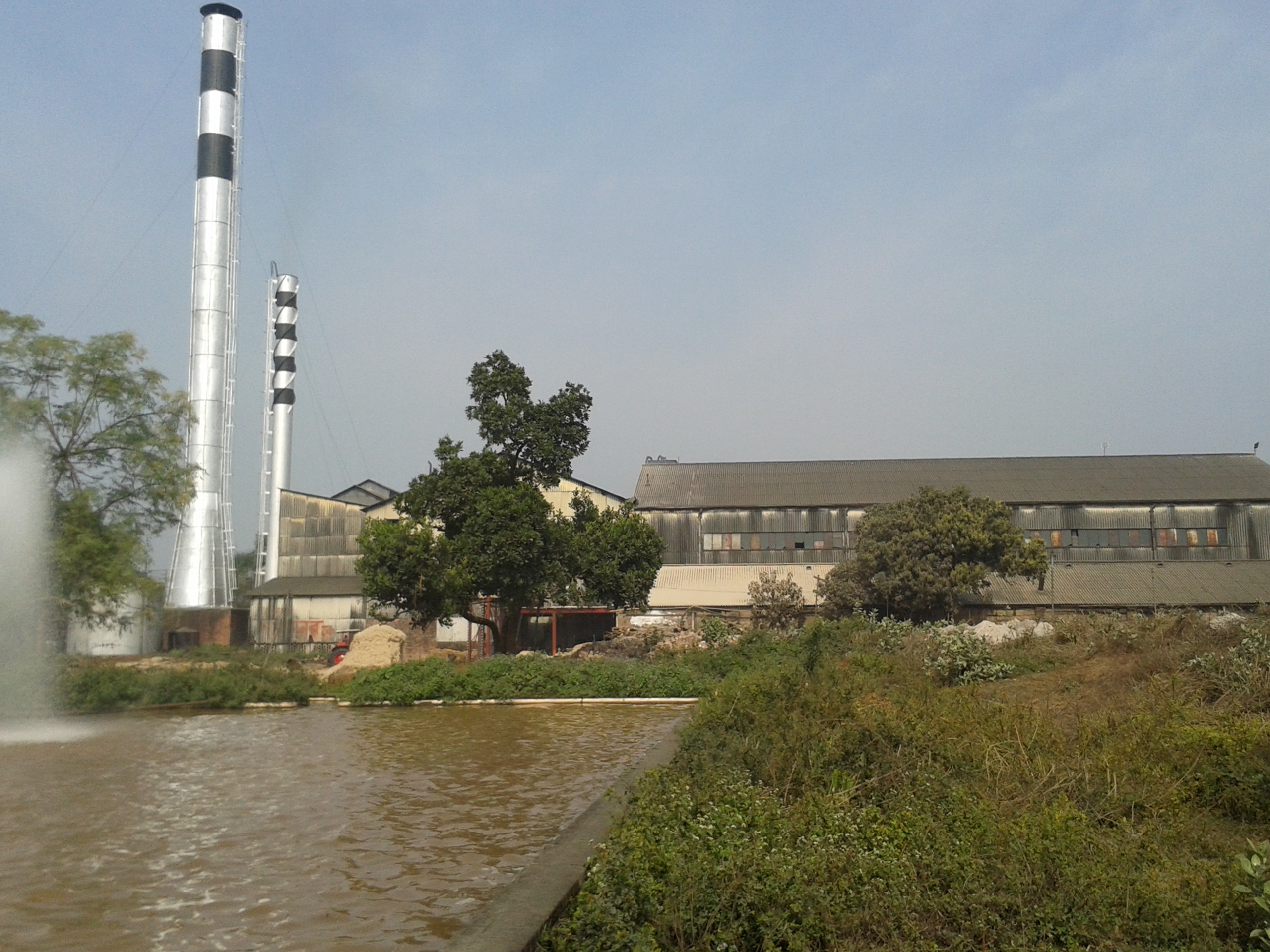
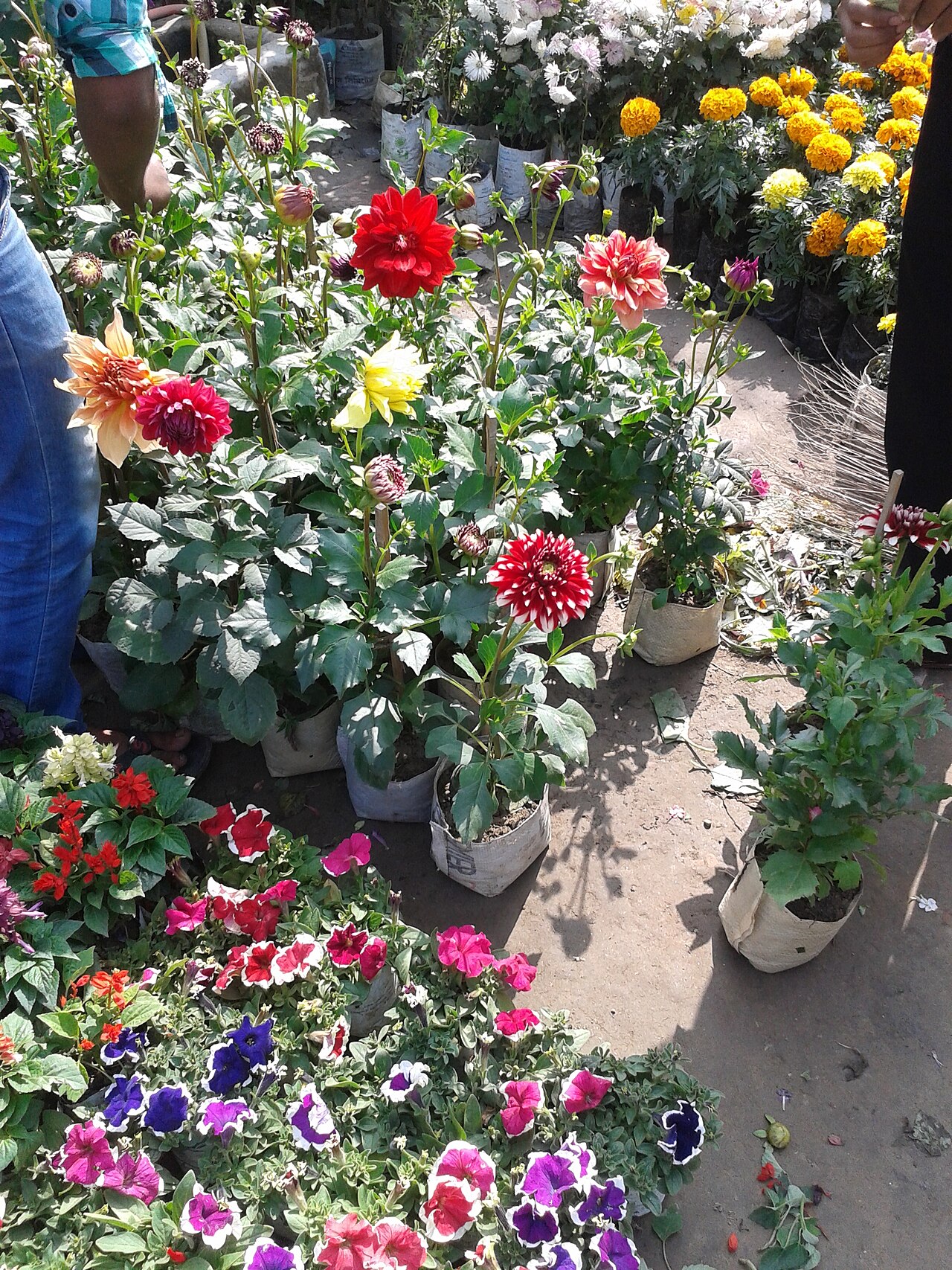
Sonar Dana ("golden grain"), an organic fertiliser made by the state-owned Carew & Company (Bangladesh) Limited at Darshana in Chuadanga district, had become popular with farmers by March 2026, Jagonews24 reported on 16 March 2026. Farmers told the paper that their yields of rice, sugarcane, papaya, various vegetables, betel leaf and flowers had risen since they began using it, and the company said demand was growing year by year. The fertiliser is made from pressmud, the mud left over when sugarcane juice is cleaned at the company's sugar mill.
According to the company, production of Sonar Dana began at the Darshana sugar mill in 2012. Its managers said that output and sales had both grown, that the product had spread from the Darshana area to farmers in other districts, and that the company wanted to raise production further. The claims about yields come from the company and from farmers who spoke to the paper; no field trial of the product was cited in the report.
What the mill and the farmers said in March 2026
Zakir Hossain, production and plant manager of the Carew sugar mill, told Jagonews24 that the mill produced a total of 1,630 tonnes of organic fertiliser in the 2024-25 fiscal year and made a profit of about Tk 78 lakh from it. He said fertiliser was then being produced at an average of 136 tonnes a month, and that the aim was to raise production in line with demand and make sure farmers benefited.
Rabbik Hasan, the company's managing director, said: "Using Sonar Dana, production of rice, sugarcane, papaya, various vegetables and flowers is increasing. This organic fertiliser has gradually become popular beyond Darshana among farmers in various districts. We want to raise production in line with demand and reduce dependence on chemical fertiliser. The initiative will also help reduce unemployment in the area."
Md Habibur Rahman, a local farmer, said: "Using Sonar Dana, rice and vegetable yields are much higher than before. It has a direct effect on our income." The report added that agricultural experts believed organic fertilisers of this kind could play an important part in sustainable farming and in reducing the use of chemical fertiliser. It did not give the price of the product or the amount farmers applied per bigha; for doses, farmers are advised to follow the government's fertiliser recommendations and to consult their upazila agriculture officer.
How the fertiliser plant began
The organic fertiliser factory at Darshana was set up in 2012 by the Bangladesh Sugar and Food Industries Corporation (BSFIC), the state body that runs the country's public sugar mills, according to a report by the national news agency BSS that The Business Standard carried on 5 April 2020. At that time the Ministry of Industries directed Carew to produce Sonar Dana on a large scale so that farmers could get good-quality organic fertiliser at a low price. Carew's managing director then, Zahid Ali Ansari, said farmers were losing money because of low-quality organic fertilisers on the market, and that Sonar Dana was expected to raise both the productivity and quality of crops. On the same day Jagonews24 reported the plan under the headline that Carew, after hand sanitiser, was bringing out organic fertiliser.
In October 2025, reporting Carew's results for the 2024-25 fiscal year, The Business Standard wrote that the company's farm, bio-fertiliser and pharmaceutical units had all reported their highest-ever profits that year, though it gave no separate figure for the fertiliser unit. The same report put the company's consolidated net profit for the year at Tk 128 crore, up 52 per cent, after absorbing a loss of Tk 62 crore at the sugar unit, whose accumulated losses had passed Tk 931 crore. Its distillery remained the source of most of the profit.
Carew & Co: a sugar mill, distillery and farm at Darshana
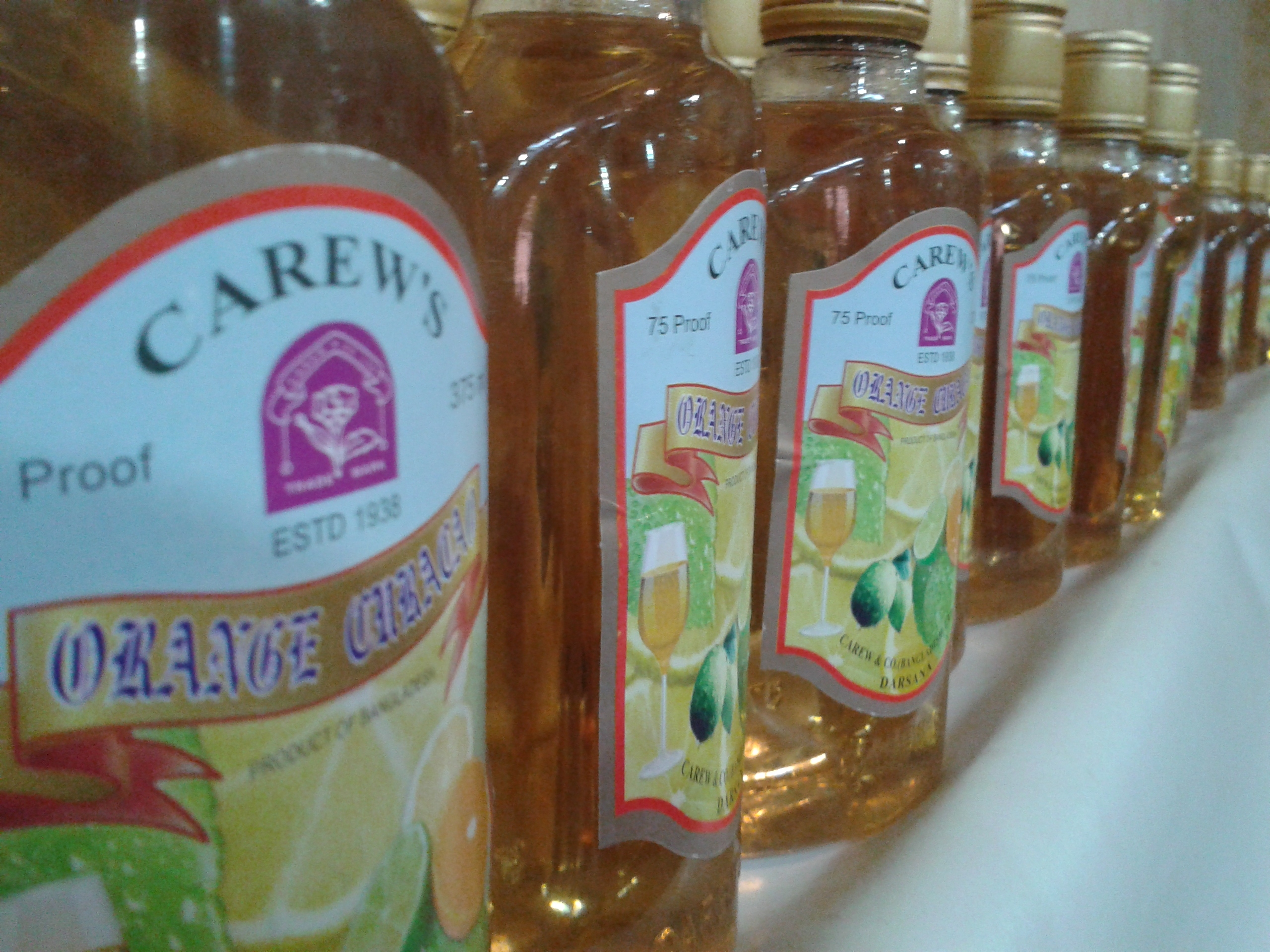
Carew & Co (Bangladesh) Ltd is an industrial complex near Damurhuda in Chuadanga. The government's tourism portal for the district describes it as a sugar mill, a distillery, a commercial farm and an organic fertiliser works on 3,572 acres, of which 2,450 acres are farmland. Its main product is sugar made from sugarcane, and its by-products include liquor, vinegar, spirit and organic fertiliser.
The Financial Express reported in June 2010 that Robert Russel Carew, a British entrepreneur, was assigned to set up the mill at Darshana in 1934 and that commercial production began in 1938. The Daily Star wrote in April 2022 that Carew was established in 1938 as a combined sugar industry, distillery and commercial farm, that it was nationalised after independence and works under BSFIC, and that it employed 1,200 people directly and about 15,000 indirectly. It is the country's only state-owned distillery.
The same 2022 report described the mill's own cane farms: a farming zone of 3,335.56 acres, of which 3,055.84 acres were under commercial farming, and ten agricultural and experimental farms where Carew grew cane on 989 acres that season. In that crushing season the mill ran for 51 days, ending on 13 February 2022, and produced 3,023 tonnes of sugar at an average recovery of 5.62 per cent. Sugarcane in the district had fallen to 4,627 acres from 8,532 acres in 2020-21, and the mill was paying Tk 140 a maund (37 kg) for cane at the mill gate.
Pressmud: what the sugar mill's filter cake is
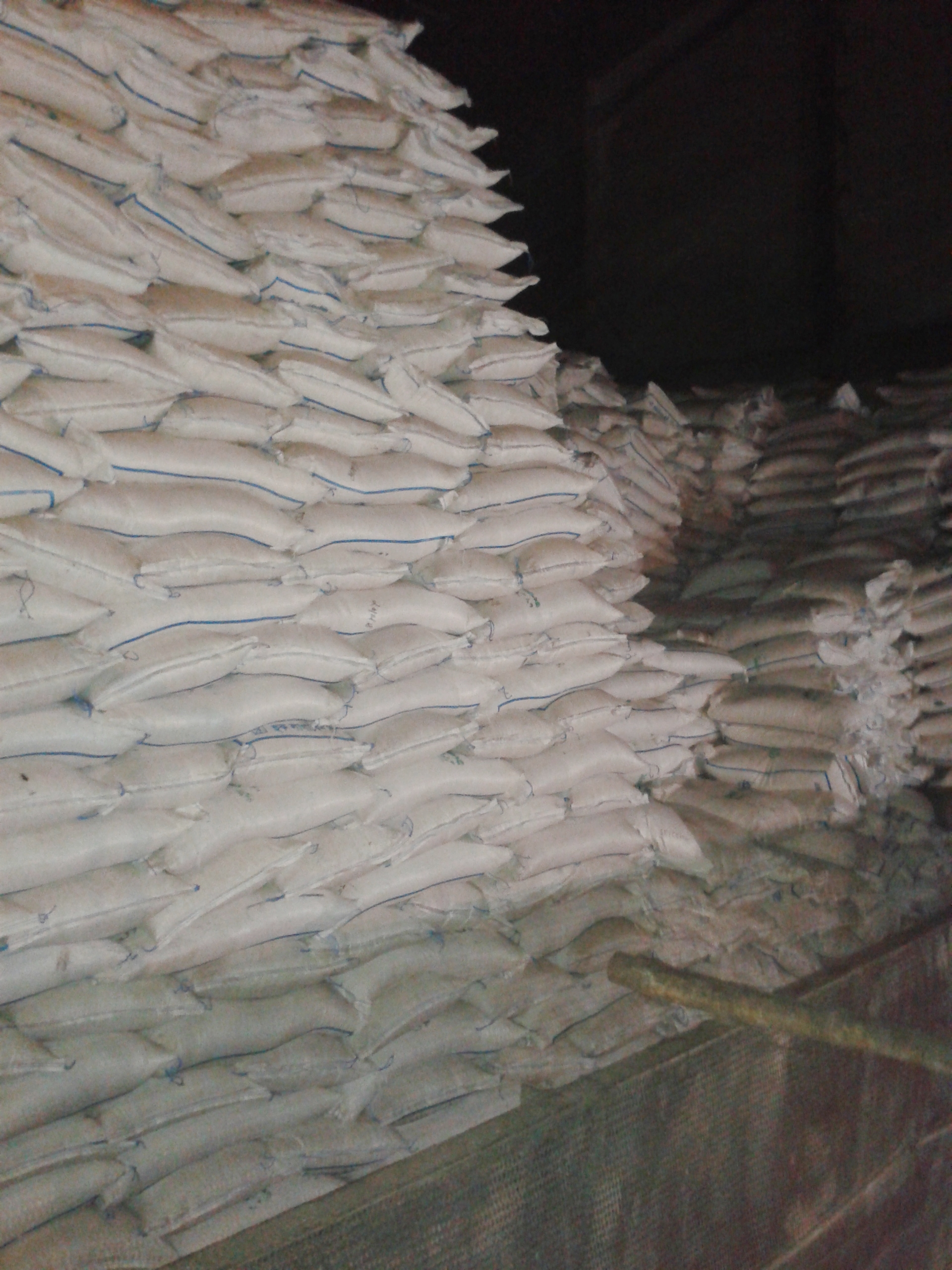
Pressmud, also called filter cake, is a by-product of sugar making. A review of sugar-industry by-products by M. L. Dotaniya and colleagues, published in the International Journal of Recycling of Organic Waste in Agriculture in June 2016, describes it as a soft, spongy, dark brown material that forms when cane juice is purified: the clear juice separates on top and the mud settles at the bottom. As a rule, about 3 tonnes of pressmud are produced for every 100 tonnes of sugarcane crushed. Fresh pressmud holds 50 to 70 per cent moisture, and when it piles up around a mill it becomes a storage and pollution problem.
The review says pressmud contains significant amounts of iron, manganese, calcium, magnesium, silicon and phosphorus, and cites a study that put its organic carbon at about 21 per cent. Its exact make-up varies with the cane variety, the soil and the process a mill uses. Because it contains sugar, it breaks down quickly in soil, and it is widely used as a raw material for composting. Studies summarised in the review found that it can improve the soil's physical condition, raise its cation exchange capacity (its ability to hold plant nutrients), and, when applied regularly over five to six years, build up organic carbon and add sulphur. The authors note that land application of pressmud had become common farm practice in India and Pakistan, and that it can be used together with chemical fertilisers rather than as a complete replacement for them.
Sugarcane itself is a heavy feeder. The same review cites Bangladeshi research by Bokhtiar and colleagues (2001) that a 100-tonne cane crop from one hectare removes about 140 kg of nitrogen, 34 kg of phosphorus and 332 kg of potassium from the soil, which is one reason why returning the mill's own residues to the fields has drawn interest.
India, the largest sugar producer covered by the review, was estimated to generate more than 8 million tonnes of pressmud a year, along with about 7.5 million tonnes of molasses and 43.8 million tonnes of bagasse. The review notes that the Indian government dealt with molasses by encouraging mills to set up distilleries, while pressmud was steered towards compost making. It also describes how the spent wash left after distilling alcohol from molasses, once treated, is rich in potassium and can be composted together with pressmud into nutrient-rich organic products for integrated nutrient management. Carew's Darshana complex combines exactly these units, a sugar mill and a molasses distillery, on one site.
Why organic matter matters in Bangladesh's soils
Organic matter is the part of the soil formed from decayed plant and animal material. It holds water and nutrients and feeds soil life. In a 2015 presentation to the Food and Agriculture Organization's Global Soil Partnership, Professor S. M. Imamul Huq of the University of Dhaka and Md Nazmul Hasan of the Soil Resource Development Institute (SRDI) called the depletion of soil organic matter a major constraint to higher crop production in Bangladesh. They reported organic matter below 1 per cent on 0.76 million hectares and between 1 and 1.7 per cent on 2.87 million hectares of land.
They gave the causes as rising cropping intensity, the fast breakdown of organic matter in the hot and humid climate, the use of smaller amounts of organic manure, almost no return of crop residues to the fields, and little or no green manuring. In February 2018 The Daily Star reported an SRDI study, "Bangladesh's Soil and Organic Agriculture", which found that about 61.6 per cent of the country's 87.52 lakh hectares of farmland had organic matter below 1.74 per cent. The report said that fertile soil contains about 45 per cent minerals, 25 per cent water, 25 per cent air and 5 per cent organic matter.
A study in the journal PLOS ONE in July 2022 by M. S. Islam and colleagues, based on farm surveys in Bangladesh, found that up to 80 per cent of farmers in the study areas used highly unbalanced nutrients, that fewer than 10 per cent used soil tests, and that small farms applied much less organic manure than the government's Fertilizer Recommendation Guide advises. The guide is published by the Bangladesh Agricultural Research Council every five years. The authors called for programmes to ensure an adequate supply of organic manure in local markets.
The same study set out how heavily the country leaned on chemical fertiliser. It reported that the government had spent US$823.5 million on fertiliser subsidies, and that after price cuts the use of DAP and muriate of potash (MoP) rose by 120 per cent and 39 per cent respectively in the 2018-19 fiscal year compared with earlier years. In Chuadanga itself, The Daily Star reported in April 2022 that a shortage of fertiliser was the main cause of the fall in cane supply to the Carew mill, and that cane farmers had received no loans for fertiliser, pesticide or irrigation.
The rules for selling organic fertiliser
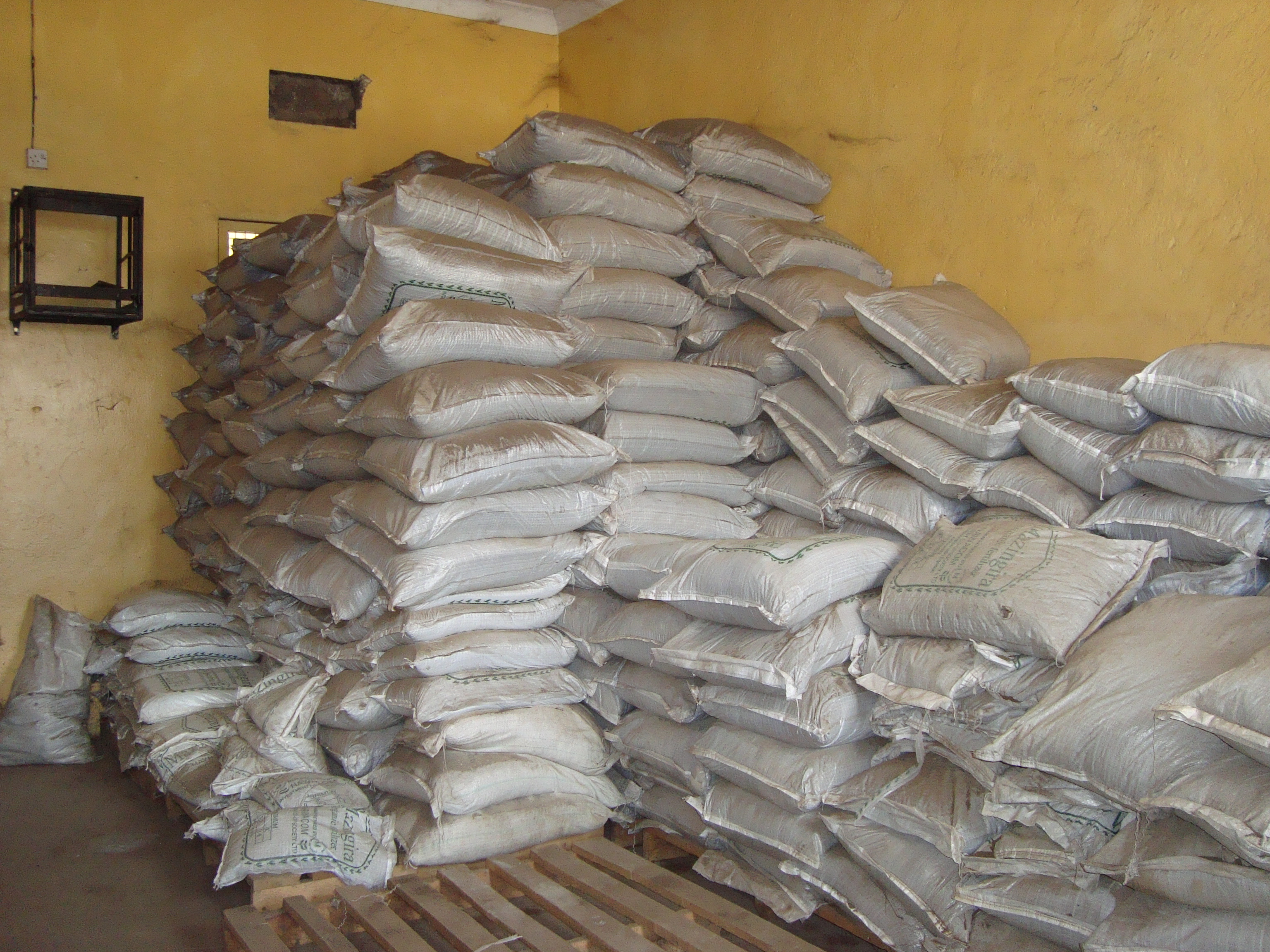
In Bangladesh every fertiliser sold, chemical, organic or biological, falls under the Fertilizer (Management) Act 2006 (Act No. VI of 2006), last amended in 2018. Under section 8 no one may produce, import, store, distribute, market, transport or sell any kind of fertiliser without registration from the registration authority. Section 4 sets up a National Fertilizer Standardization Committee, which advises the government and recommends specifications for organic fertilisers. The Act also sets labelling and packaging requirements, provides for inspectors, punishes the sale of fertiliser deficient in plant nutrients, and prohibits misbranded or adulterated fertiliser.
Quality has been a real concern. In May 2019 Prothom Alo reported in an editorial that SRDI had tested 45 commonly used organic fertiliser samples sent by the Department of Agricultural Extension and found adulteration in 39 of them. Carew's managing director made the same point in 2020 when he said farmers were losing money on low-quality organic fertiliser, and the ministry's order to expand Sonar Dana was presented as a way to supply a reliable product.
Sugarcane and the state sugar mills
Bengal has grown sugarcane for centuries. Banglapedia records that when Pakistan was formed in 1947, East Pakistan inherited only a few sugar mills, among them the one at Darshana, then part of Kushtia district, with a total crushing capacity of only 4,350 tonnes. By 2012 the country had 15 mills under BSFIC, including Darshana. Banglapedia notes that the mills use about 60 per cent of the cane grown, the rest going to molasses (gur) makers, and that the harvesting season runs from October to March. The Sugarcane Research and Training Institute at Ishurdi, now the Bangladesh Sugarcrop Research Institute, had released nearly 30 varieties that covered about 95 per cent of the cane land in mill zones.
Banglapedia also records why the mills struggle to get cane. In the 2011-12 crushing season sugarcane covered about 169,000 acres and produced about 4 million tonnes; after cane kept for chewing and for seed, about 3 million tonnes should have gone to the mills, but normally less than half of the cane grown reached them, mainly because gur fetched a high price in the market and payment for cane supplied to the mills was complicated. It puts Bangladesh's average cane yield at only about 15 tons an acre and its sugar recovery from cane at 7.4 per cent, among the lowest in the world.
The state mills had long run at a loss. In June 2010 The Financial Express reported that Carew was the only one of the 15 BSFIC mills that made a profit, thanks to its distillery. On 1 December 2020 the government suspended crushing at six mills, Kushtia, Pabna, Panchagarh, Shyampur, Rangpur and Setabganj, to cut losses, and set aside Tk 1 billion to buy farmers' cane in their zones for crushing at the other nine mills, The Financial Express reported on 21 December 2020. By April 2022 Carew's officials told The Daily Star that the closures had made farmers reluctant to plant cane. Every tonne of cane the Darshana mill crushes is also the source of the pressmud that goes into Sonar Dana.
Damurhuda and Chuadanga: the farming area around the mill
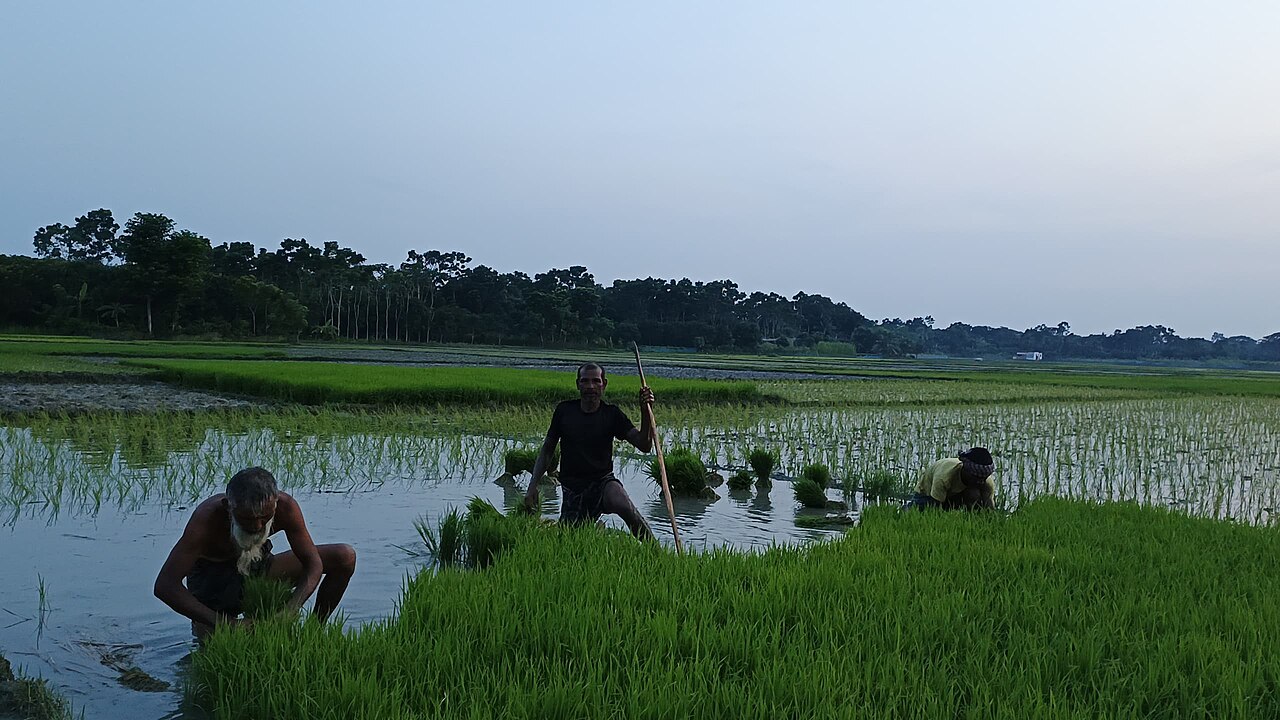
Darshana is a municipality in Damurhuda upazila of Chuadanga district, on the border with the Nadia district of India's West Bengal. Banglapedia lists Damurhuda's area as 311.91 square kilometres, its main rivers as the Chitra, the Bhairab and the Mathabhanga, and agriculture as the main source of income for 64.53 per cent of households. Its main crops are sugarcane, paddy, wheat, pulses, potato, barley, maize, jute, gram, betel leaf and onion, and its main fruits mango, jackfruit, pineapple, papaya and banana. Betel leaf, banana, mango, sugar and onion are listed among its main exports, so the crops the farmers named, rice, sugarcane, papaya, vegetables and betel leaf, are the area's own staple crops.
Banglapedia records that 59.81 per cent of Damurhuda's households own land and 40.19 per cent are landless. The area has a long history of farmers' movements: the indigo resistance and peasant movements spread widely over it, its peasants took part in the no-rent movements of 1869 and 1873, and the first peasant conference in Bengal was held in the upazila in April 1920.
Chuadanga district covers 1,174.10 square kilometres in Khulna Division and became a district in 1984. It has four upazilas, Alamdanga, Chuadanga Sadar, Jibannagar and Damurhuda, and the rivers Mathabhanga, Bhairab, Chitra, Nabaganga and Kumar. The 2011 census counted 1,129,015 people, and Banglapedia gives agriculture as the main source of income for 65.14 per cent of them.
Photo: Masum-al-hasan / Wikimedia Commons (CC BY-SA 4.0)
Sources: Jagonews24, The Business Standard (BSS), The Daily Star, The Financial Express, International Journal of Recycling of Organic Waste in Agriculture (Dotaniya et al., 2016), FAO Global Soil Partnership (Huq and Hasan, 2015), PLOS ONE (Islam et al., 2022), Prothom Alo, Fertilizer (Management) Act 2006 (InforMEA), Banglapedia, Government of Bangladesh tourism portal
Comments
(0)