
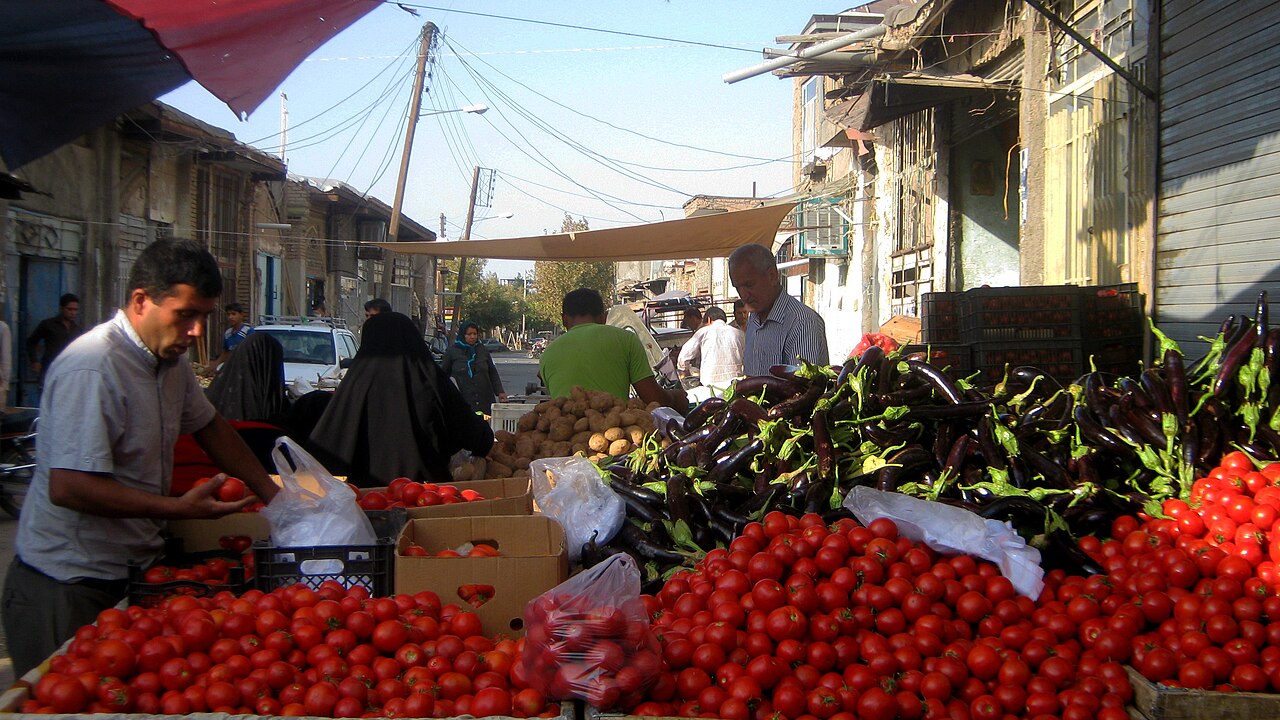
Many shoppers bring home brinjals that turn out to be wormy or dried out. Vegetables that look fresh are not always fresh, especially for those with little experience of the market. A report on Anandabazar online draws on an interview with Delhi nutritionist Himanshi Sharma for a few simple tests.
The first is a gentle press with a finger. A good brinjal should be neither brick-hard nor mushy but slightly soft. A very hard one may be unripe; one that is too soft has started to spoil inside.
Colour also tells. Depending on the variety, a good brinjal is bright purple, green or bluish, with perfectly smooth skin. One with small holes or blackened patches should be left out.
Check the stalk too. A green, fresh stalk means a fresh brinjal. Brinjals that have gone rough or have speckled skin are usually not good.
A bigger brinjal is not necessarily a tastier one. There are many varieties, and medium or small brinjals can be just as good. The report adds that winter brinjals usually taste best.
Photo: Sonia Sevilla / Wikimedia Commons (CC0)
Source: Anandabazar

Comments
(0)