
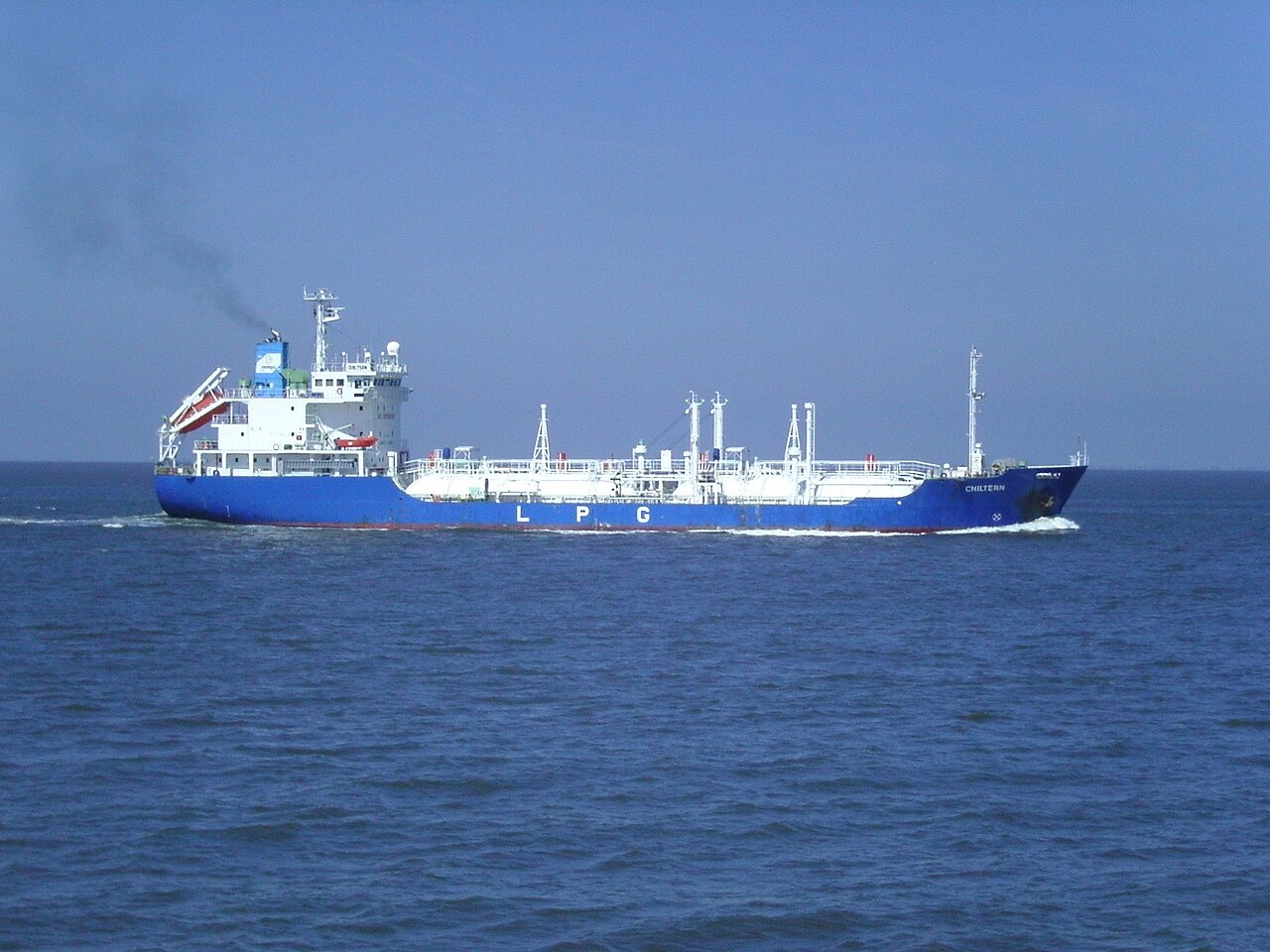
The LPG Operators Association of Bangladesh (LOAB) has set out why the price of liquefied petroleum gas, the cooking gas in household cylinders, keeps rising. In an explanation sent on Wednesday, it said about 80 per cent of the price of a 12-kilogram cylinder goes on buying the gas abroad and bringing it into the country. The other 20 per cent covers VAT and taxes, bottling, local transport, profit and the commissions of distributors and retailers.
By LOAB's account, the price of LPG feedstock on world markets has risen about 21 per cent over the past year while the taka has weakened against the dollar. The war in the Middle East has disrupted supply and cancelled many standing contracts, forcing importers to find other sources. About 80 per cent of Bangladesh's LPG now comes from the United States, over a much longer sea route, and a shortage of gas carriers has multiplied freight and other transport costs.
Saudi Aramco's benchmark, the Saudi Contract Price (CP), averaged US$552 a tonne before rising to an average of US$666. In November propane reached US$720 a tonne and butane US$780, giving an average of about US$759 at the usual 35:65 mix. The set price of LPG in Bangladesh was Tk 113 a kilogram in February and is Tk 171.68 in November.
The association also explained why LPG costs more than in India. Large ships can berth directly in Indian ports and unload quickly, it said, whereas in Bangladesh gas must be lightered from deep water into small vessels, adding time and cost. India produces about half its LPG at home while Bangladesh imports almost all of it; India's market is about 20 times larger, which gives it buying power; and India subsidises LPG heavily while Bangladesh offers no subsidy.
To bring prices down, LOAB has proposed an LPG terminal at Maheshkhali in Cox's Bazar, built by the government or as a joint venture, which it says would cut import and operating costs considerably.
LOAB secretary general Mohammad Ahsanul Jabbar said in the statement that member companies have been told to sell at the prices set by the government and the Bangladesh Energy Regulatory Commission (BERC) and to keep supply normal. The association has also asked the administration to take legal action against anyone selling above the set price. The report is by Prothom Alo's staff correspondent.
Photo: Tvabutzku1234 / Wikimedia Commons (CC0)
Source: Prothom Alo

Comments
(0)