
Many people believe a name must be Arabic to count as Islamic. A question-and-answer piece by Prothom Alo's religion desk calls this a misconception: the principle in naming is meaning, not language. A name in Bengali, Persian, Urdu, English or any other language is permissible if its meaning is good and tasteful and does not conflict with Islamic belief.
The piece cites verse 22 of Surah Ar-Rum, which counts the diversity of people's languages and colours, alongside the creation of the heavens and the earth, among Allah's signs. On that basis there is no legal objection to non-Arab Muslims giving meaningful names in their mother tongue.
On the importance of good names it quotes Sunan Abu Dawud (hadith 4948): on the Day of Judgement people will be called by their own and their fathers' names, so they should choose good ones. In Sahih Muslim (hadith 2132) the names dearest to Allah are Abdullah and Abdur Rahman. Naming after the prophets is also encouraged; the Prophet (peace be upon him) named one of his sons Ibrahim.
The piece also lists names that are not allowed. Names implying servitude to anyone other than Allah are forbidden. Names that belong to Allah alone may not be given without "Abd": not Rahman or Khaliq on their own, but Abdur Rahman or Abdul Khaliq. Names with bad, gloomy or arrogant meanings are disliked, and the Prophet used to change such names (Sahih Muslim, hadith 2139).
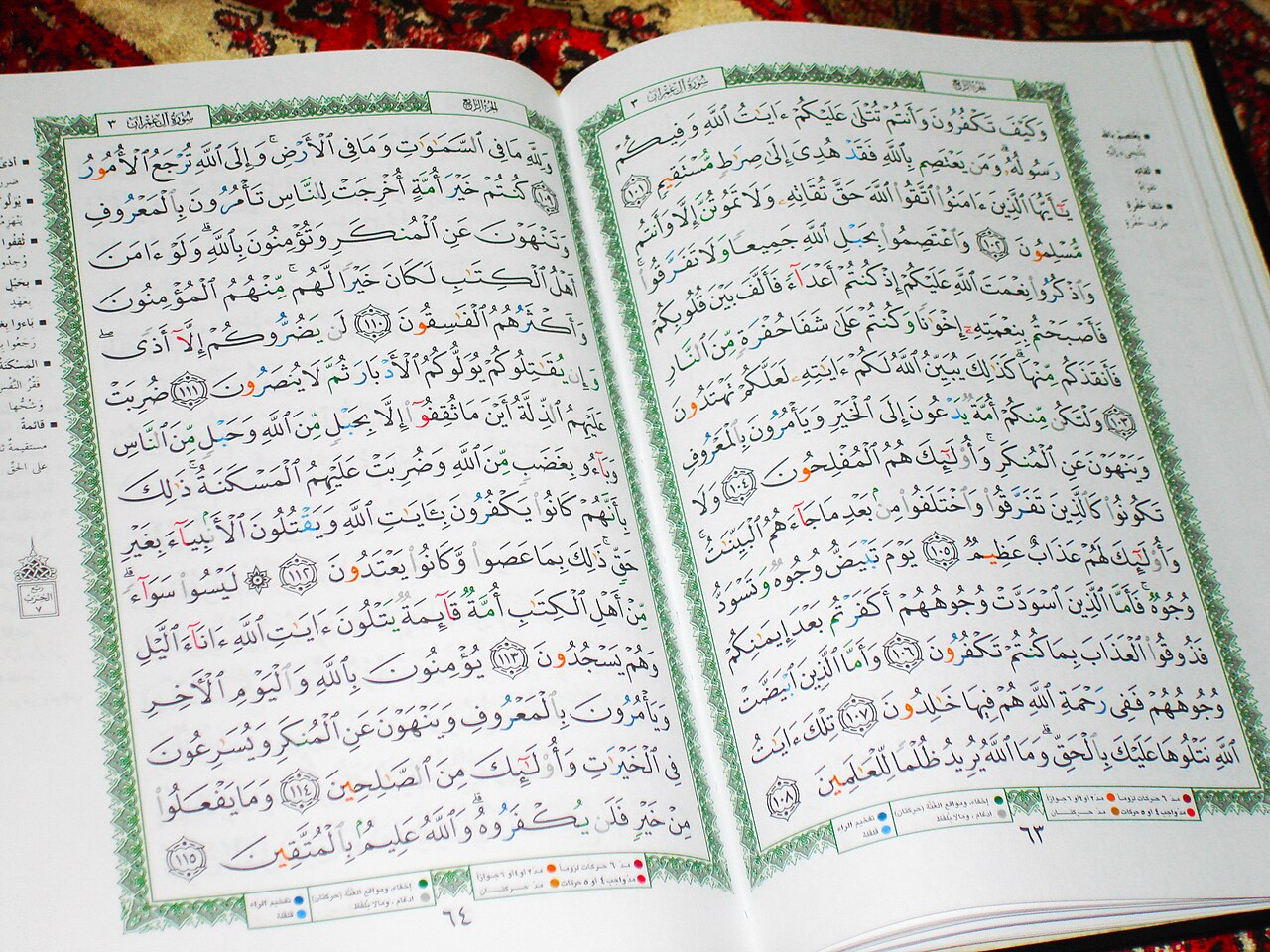
It advises care in picking names from the Quran. The Quran also contains words such as khinzir (pig), jahannam (hell) and zaniya (adulteress), so a word is not a suitable name simply because it appears there. Parents are advised to ask a scholar or an expert in Arabic about a word's meaning before choosing it.
The piece concludes that whether a name is Arabic or Bengali, its meaning should be pure, positive and dignified. It was written by Prothom Alo's religion desk.
Photo: Unknown author / Wikimedia Commons (public domain)
Source: Prothom Alo

Comments
(0)