
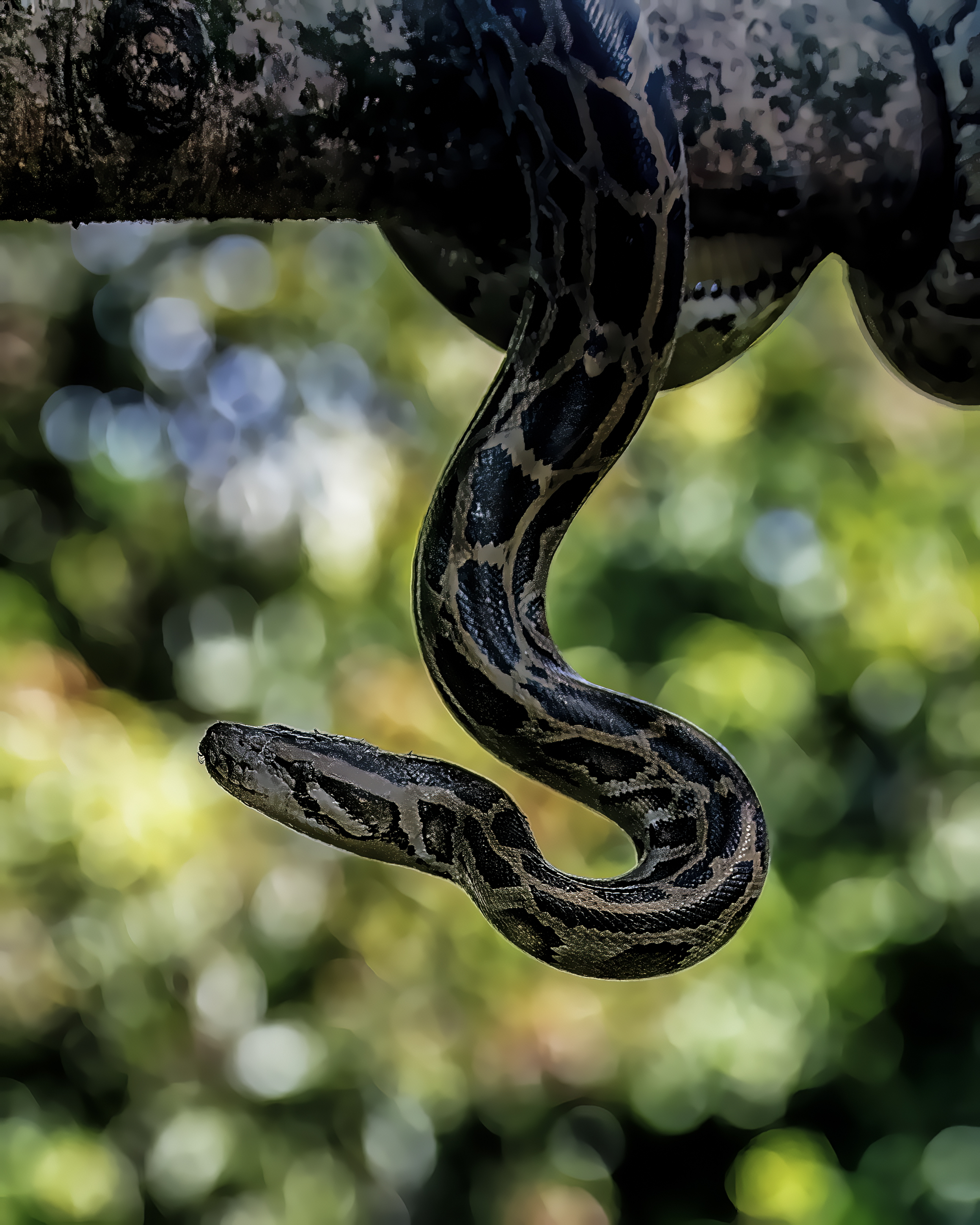
A 12-foot python weighing about 20 kg was rescued from a residential colony next to the science faculty of Chittagong University (CU) at around 11pm on Tuesday 9 May 2023. Residents spotted the snake that night and raised the alarm, and Rafiq Islam, a zoology student at the university and a researcher at the Venom Research Centre, went with a team and caught it. The python was then released on another secluded hill. Jagonews24 reported the rescue on 10 May 2023.
A night rescue and release on the hills
Rafiq Islam told Jagonews24 that the snake was a non-venomous Burmese python. Snakes like this sometimes come down from the hills into settlements in search of food, he said, and they harm no one if left undisturbed. Rather than being killed, the python was taken away from the houses and set free on a quiet hill.
The Venom Research Centre involved in the rescue is a research unit of Chittagong Medical College. According to The Daily Star, it began in March 2018 as a five-year project under the government's non-communicable disease control programme, run jointly by the college's medicine department and Chittagong University's zoology department. Its main aim is to collect venom from the country's snakes and make antivenom in Bangladesh. The German development agency GIZ says Goethe University and Frankfurt University Hospital are partners, and that zoology graduates from Chittagong University work at the centre as research assistants.
What a Burmese python is
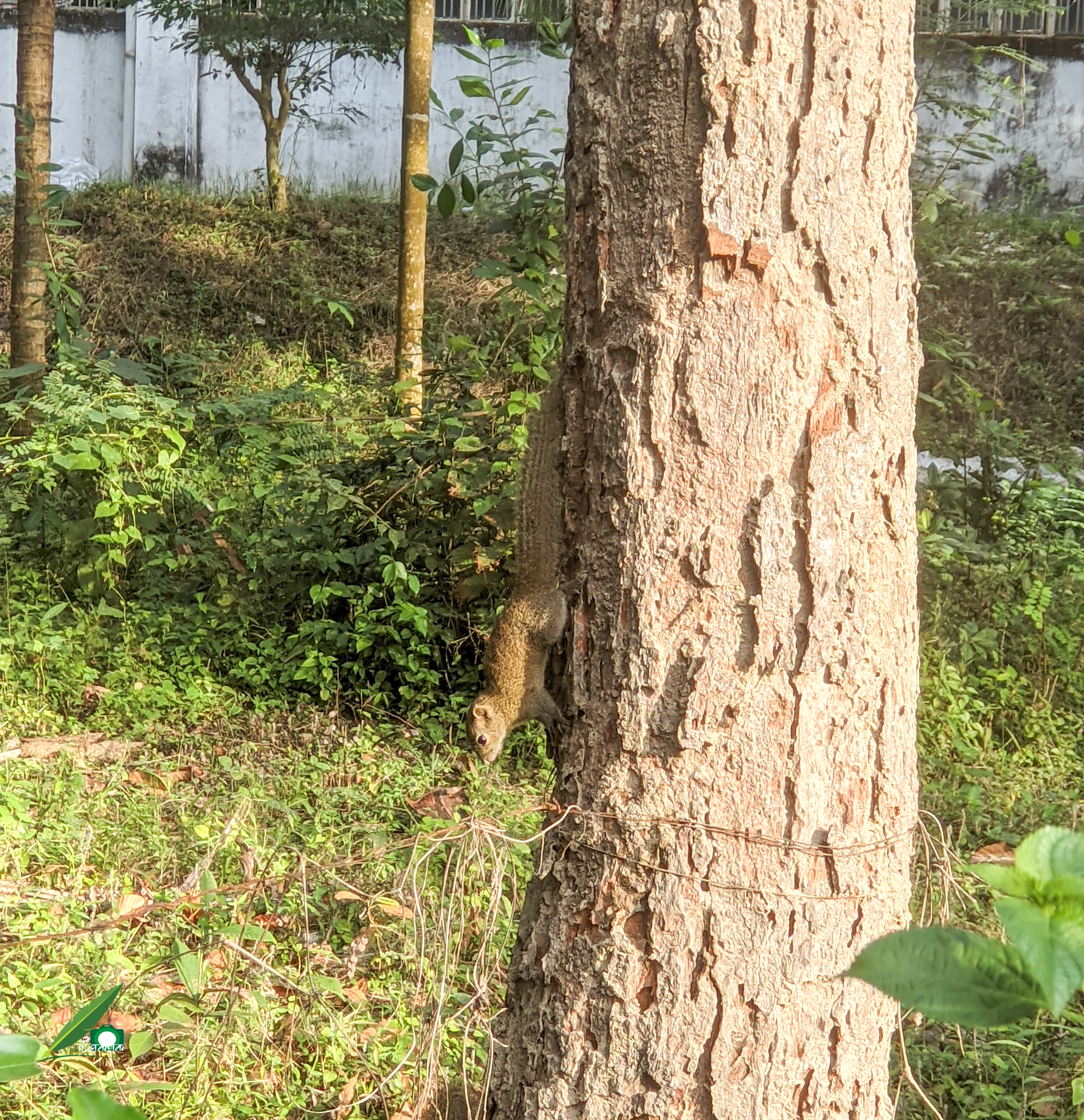
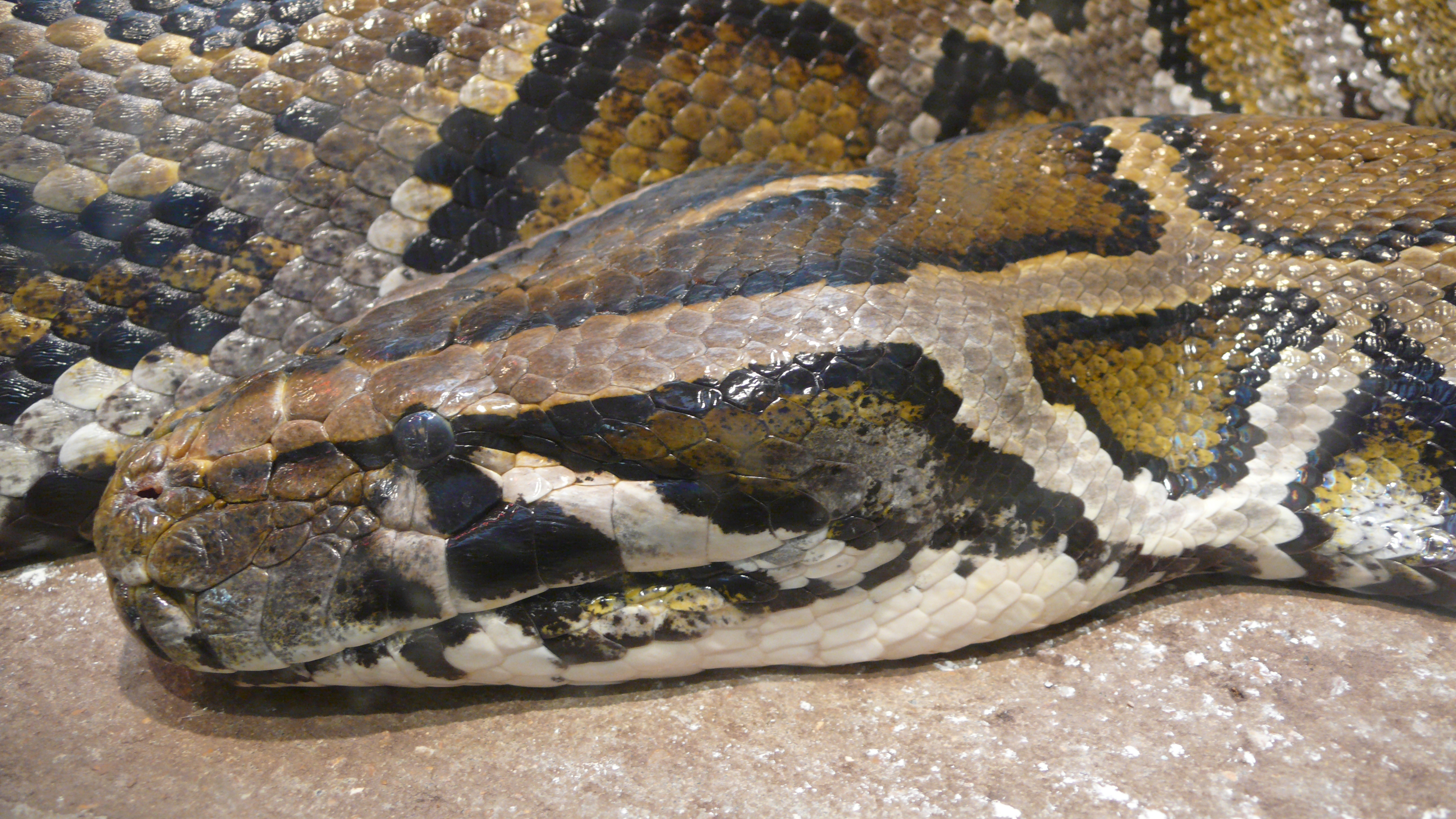
The Burmese python, Python bivittatus, is native to a wide stretch of South and Southeast Asia that includes Bangladesh, eastern India, Nepal, Bhutan, Myanmar and Thailand. It lives in forests, grasslands, marshes, rocky foothills and river valleys. Wild adults average about 3.7 metres, or 12 feet, so the CU snake was a typical size for the species.
The python has no venom. It is mainly active at night, waits in ambush and kills by constriction, feeding on birds, mammals, amphibians and reptiles. The International Union for Conservation of Nature (IUCN) listed it as Vulnerable in 2012, as habitat loss and over-harvesting are thought to have cut wild numbers by at least 30 percent early this century.
Snakes on a hilly campus
Chittagong University was founded on 18 November 1966 in Hathazari upazila, about 30 km from Chattogram city. Its campus of more than 2,312 acres is the largest of any university in Bangladesh, and much of it is hills and natural forest, so snakes and other wildlife are regular visitors.
Pythons had turned up there before. Prothom Alo reported that on 28 December 2021 a 12-foot Burmese python weighing about 18 kg was rescued from a research centre of the social sciences faculty and released in the forest behind the biology faculty. The paper said 15 snakes had been rescued around the campus in the previous three months, and Professor Md Farid Ahsan of the zoology department said fires set on the hills and tree felling were destroying the snakes' habitat.

Photo: MD sajjad hossain photography / Wikimedia Commons (CC BY-SA 4.0)
Sources: Jagonews24, Prothom Alo, The Daily Star, GIZ, Wikipedia


Comments
(0)