
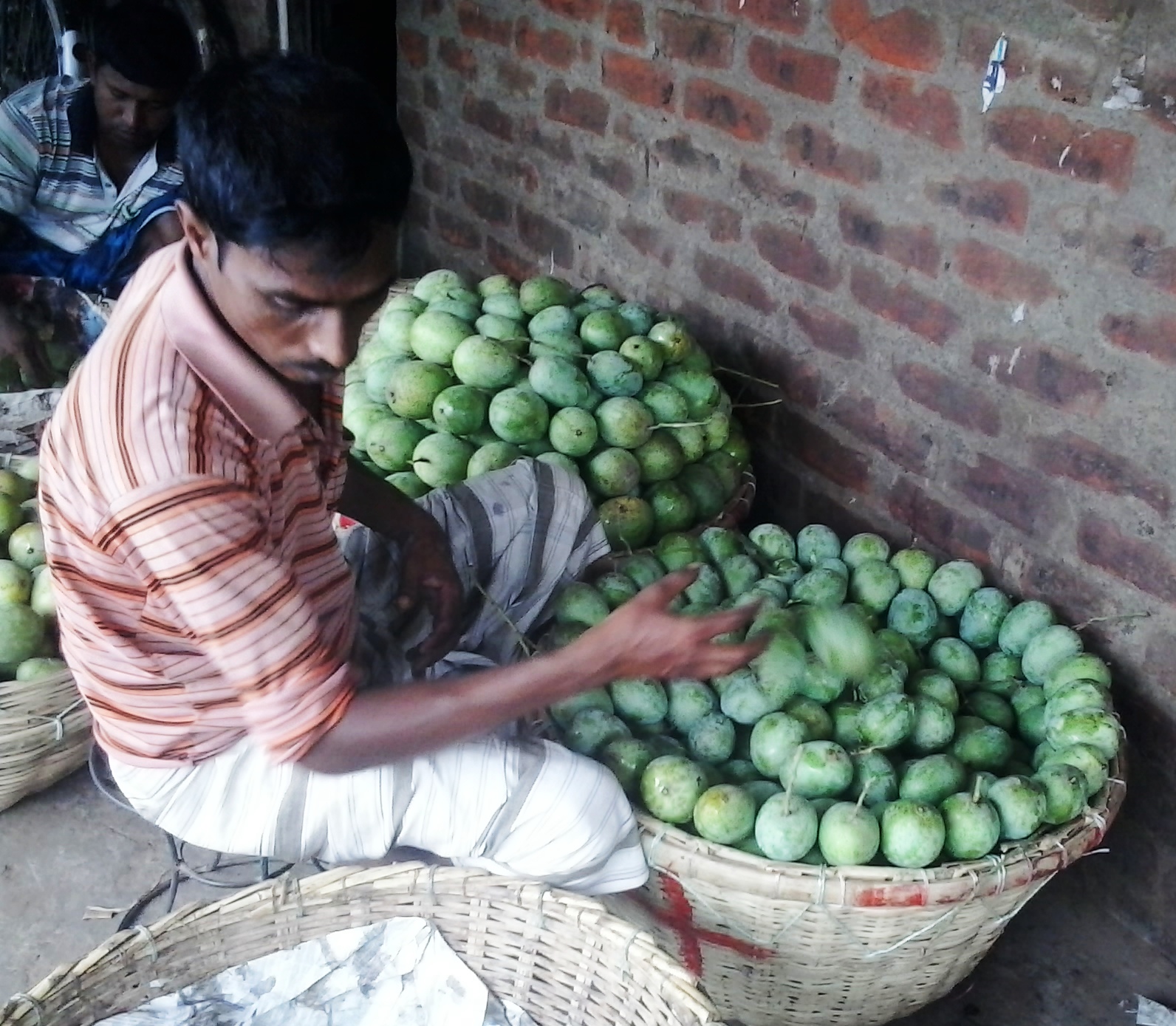
On Thursday, 18 June 2026, a three-day mango fair opened in Chapainawabganj, the north-western Bangladeshi district famous for its mangoes, with 183 local and foreign varieties on display. Held on the grounds of the Deputy Commissioner's office and organised by the district office of the Department of Agricultural Extension (DAE), the fair was scheduled to run until Saturday. Jagonews24 reported it on 19 June.
183 varieties at one stall
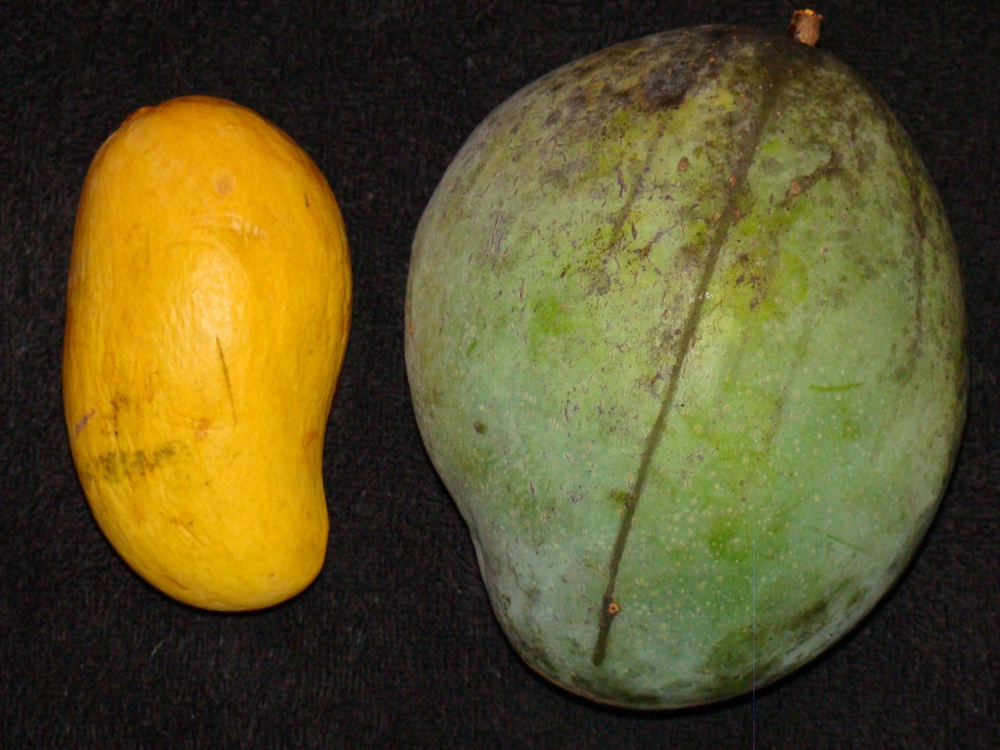
On Friday morning, the fair's second day, stalls had been set up by mango farmers and entrepreneurs from across the district and by the agriculture department. The biggest draw was the "mango variety exhibition" stall, where 183 varieties grown in Chapainawabganj were laid out together. They included well-known and little-known types such as Chhabbish Hajari Guti, Chasha Buli, Kiujai, Keitt, Brunei King, Ushaponni, Dilshad, Jadugem, Sharbati and Totapuri.
Keitt is one of the foreign varieties. It originated in south Florida in the United States and was selected and named in 1945. It ripens late in the season and is unusually large, with some fruits reaching several pounds.
Visitors said they had never seen so many kinds of mango in one place. Some took photographs, while others asked agriculture officials about the varieties. Yasin Ali, who came from Kishoreganj, said: "Mangoes are grown in Kishoreganj too, but I have never seen so many varieties before. We knew five or six kinds were the most common."
Hasibur Rahman, a resident of Chapainawabganj, said: "My home is in this district, but I have never in my life heard the names of so many varieties. I saw them with my own eyes here. Some single mangoes weigh more than one and a half kilograms."
Saving varieties on the verge of disappearing
The organisers said each variety on display had its own taste, colour, shape and character. Many were once grown in Chapainawabganj, but over time a number of them have come close to vanishing. The fair aimed to introduce the new generation to these local and endangered varieties and to show the range of the district's mangoes.
Chapainawabganj Sadar upazila agriculture officer Md Sunain Bin Zaman told Jagonews24: "These mangoes were collected from old and new orchards in different parts of the district. Some of the varieties on display are foreign, but most are local. Events like this will play an important role in conserving mango varieties that are disappearing and making them known to people."
He said only a few varieties were then grown commercially in the district on a large scale, but efforts were under way to keep the others alive through research and conservation. Building interest in mangoes and highlighting the district's heritage were also aims of the fair, he said.
A district built on mangoes
Chapainawabganj is a district of Rajshahi Division and the north-westernmost part of Bangladesh. It borders Malda and Murshidabad districts of India's West Bengal to the north and west, Naogaon to the east and Rajshahi to the south-east. It became a district in its own right in 1984.
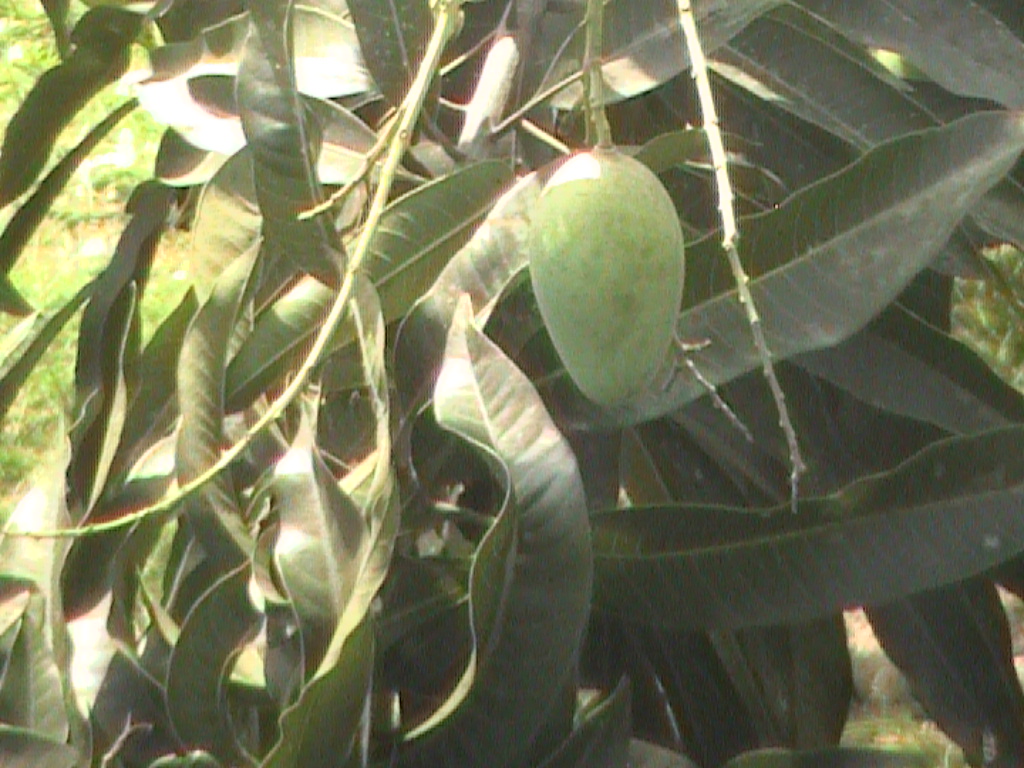
The mango itself originated in this part of the world, the region spanning present-day Bangladesh, north-eastern India and north-western Myanmar, and the mango tree is Bangladesh's national tree. Chapainawabganj's Khirsapat mango was the country's third geographical indication (GI) product: on 27 January 2019 the Ministry of Industries handed its GI registration certificate to Dr Md Shafiqul Islam, a chief scientific officer of the Bangladesh Agricultural Research Institute (BARI). Khirsapat is grown commercially in five upazilas of the district. The large, late-ripening Fazli is another leading variety of Rajshahi Division.
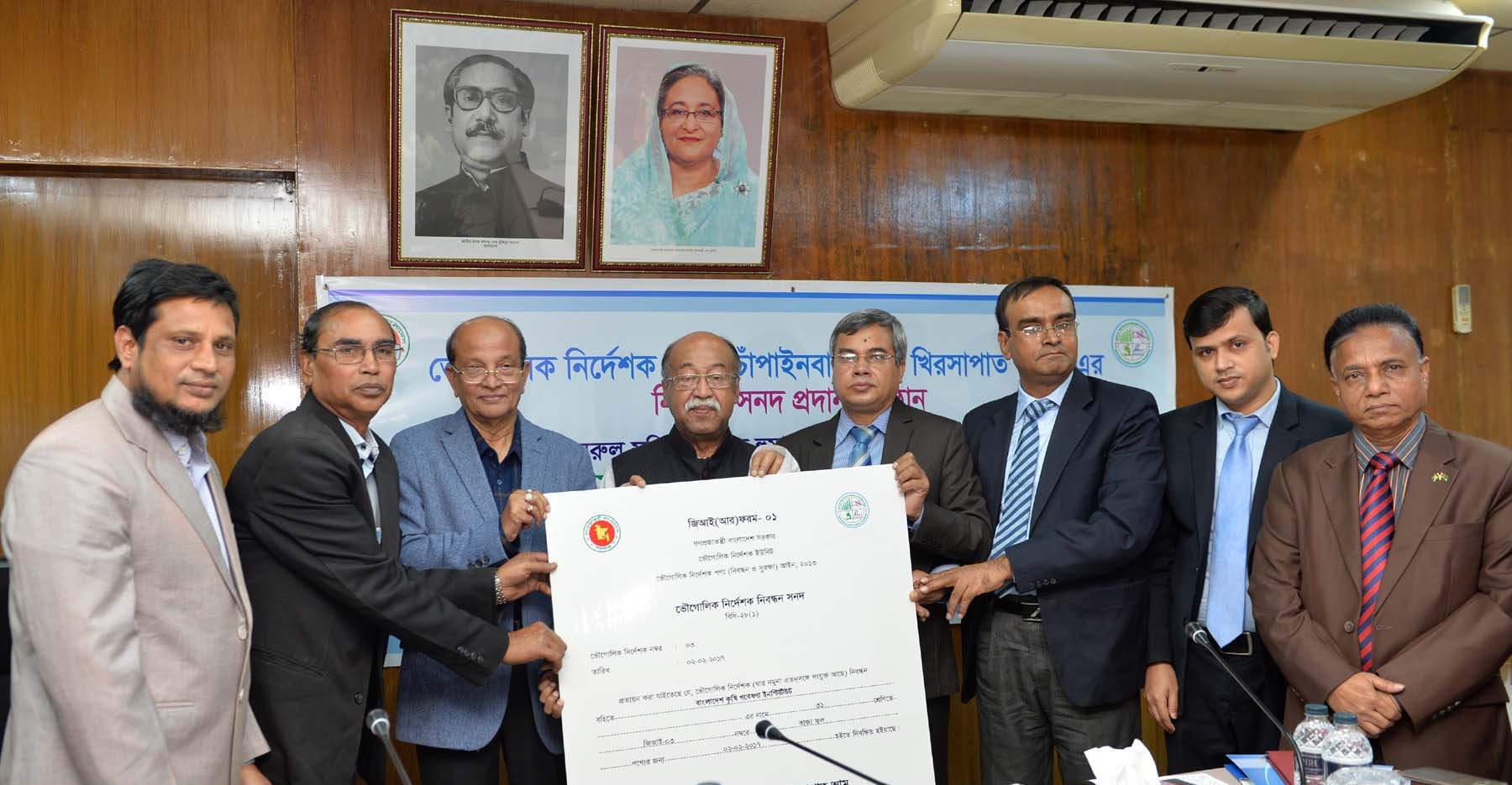
Photo: Ferdous / Wikimedia Commons (CC BY-SA 4.0)
Sources: Jagonews24, Press Information Department (PID), Wikipedia
Comments
(0)