
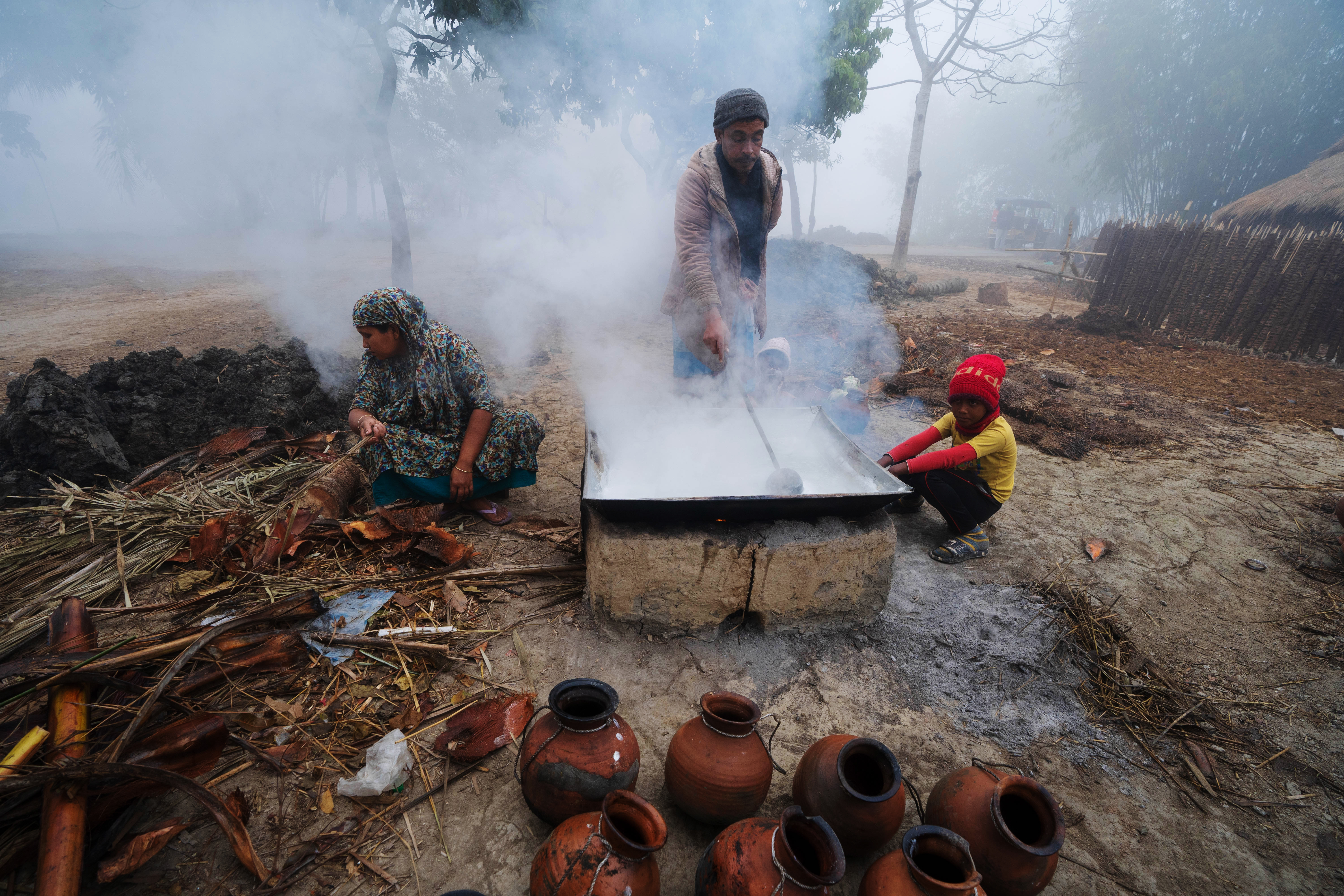
As winter set in early in December 2025, sap collectors, known locally as gachhis, were busy tapping date palms in the villages of Matlab Uttar upazila in Chandpur district. According to a Jagonews24 report published on 10 December, pipes were being fitted into the trees across the upazila so that sap could drip overnight into clay pots and be brought down at dawn, a winter tradition of rural Bangladesh. Collectors, residents and the agriculture officer said there were fewer trees and less sap than before.
From Agrahayan to Magh: a sap collector's routine
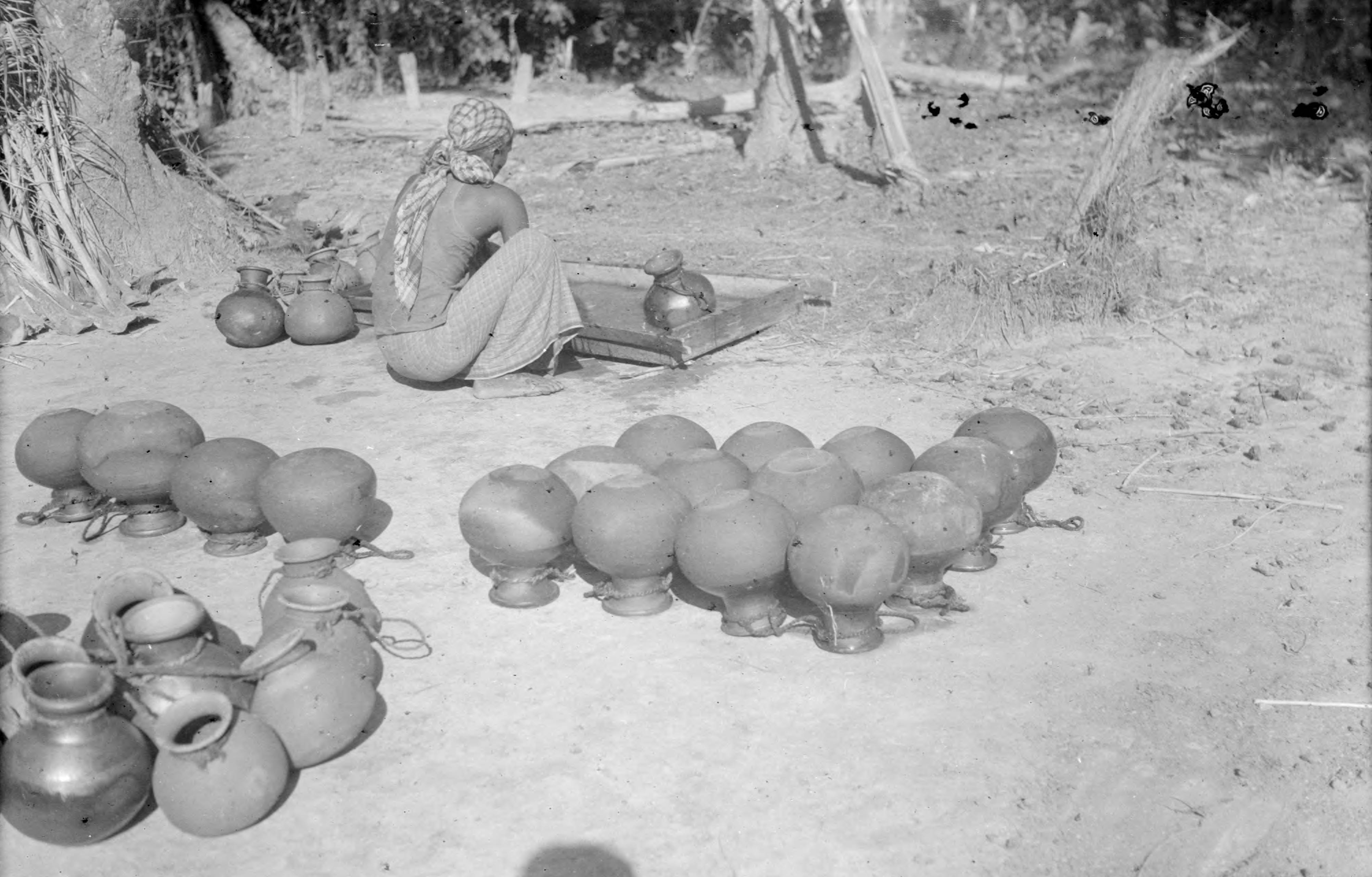
Md Golam Hossain Prodhan of Dewanjikandi village has collected sap for many years as one of the village's experienced gachhis. “You don't see date palms the way you used to,” he said. “Still, we try to make the most of the trees there are. Sap is collected from Agrahayan to Magh. From the afternoon I prepare the trees and fit the pipes. Overnight the sap drips in and fills the pot. At dawn I collect it and sell it at the market. But we don't get as much sap as before.”
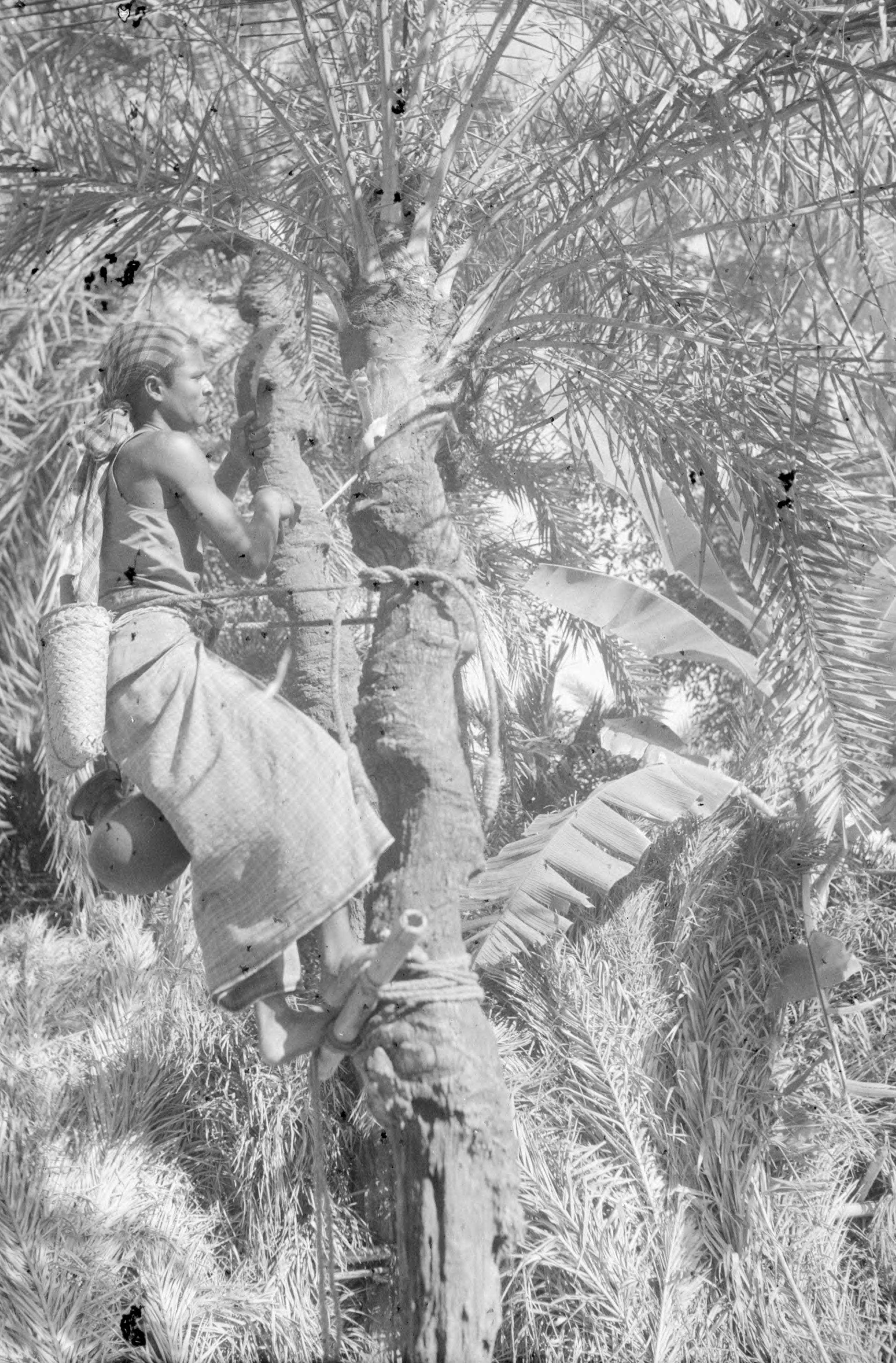
Poor cutting is costing trees and sap
Local residents Zahir Uddin and Abul Kalam said: “Many trees are being ruined because inexperienced gachhis cut them the wrong way, so sap production has fallen. Once, when winter came, everyone from children to the elderly would crowd the gachhis' homes. That sight is rare now, but villagers' interest has not faded.”
According to the Department of Agricultural Extension office in Matlab Uttar, the upazila, which it put at about 277.50 square kilometres, had about 2,177 date palms at the time, and sap was being collected from most of them.
Upazila agriculture officer Faisal Mohammad Ali said: “Collecting date palm sap is a traditional rural occupation. But many trees are dying because inexperienced gachhis cut them the wrong way, which is a concern. If new gachhis and farmers are trained and date palms are planted widely through a government initiative, the tradition will not only survive but also create income and jobs.”
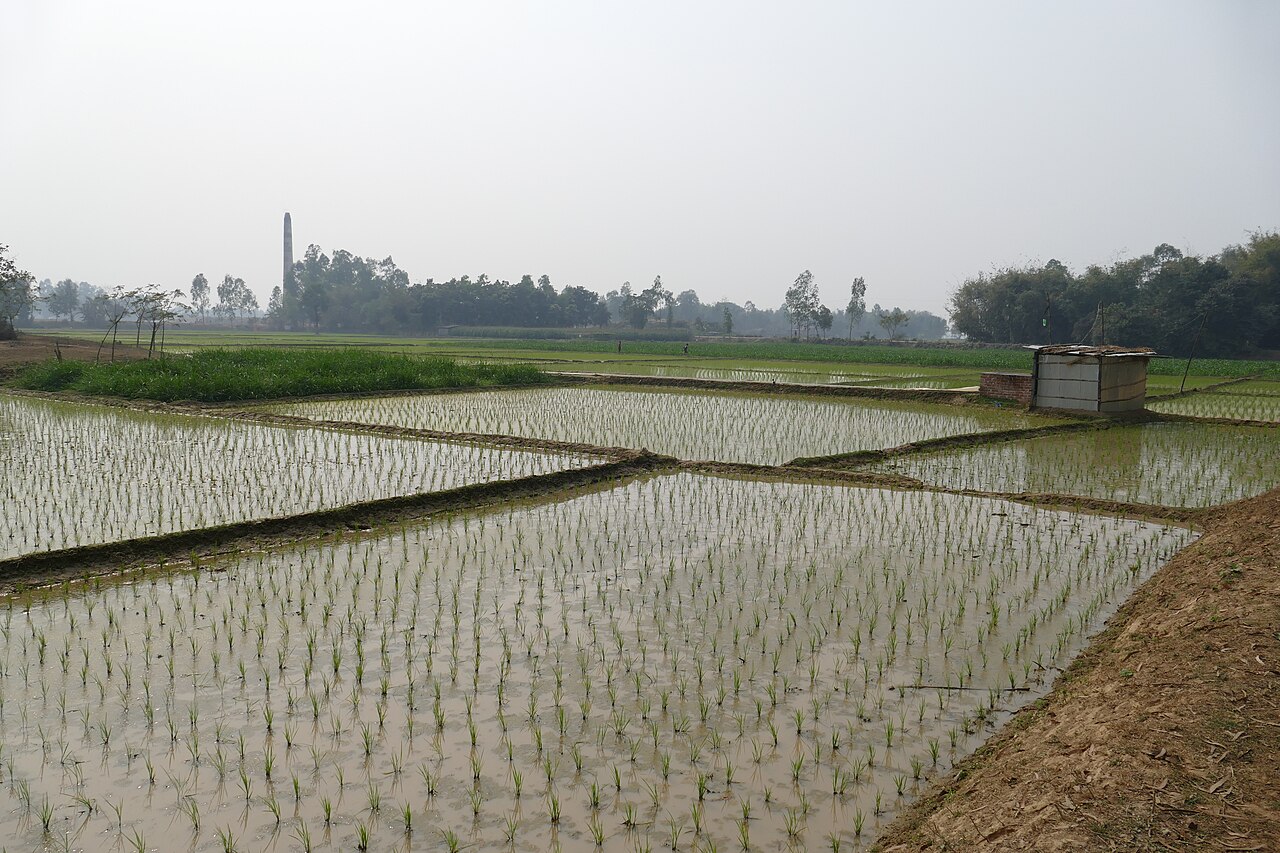
Banglapedia lists the Meghna, Gumti and Dhonagoda as Matlab Uttar's main rivers. The upazila was created on 30 April 2000, when the old Matlab upazila was divided into Matlab Uttar and Matlab Dakshin. Its main crops are paddy, wheat, potato, jute, sugarcane and mustard.
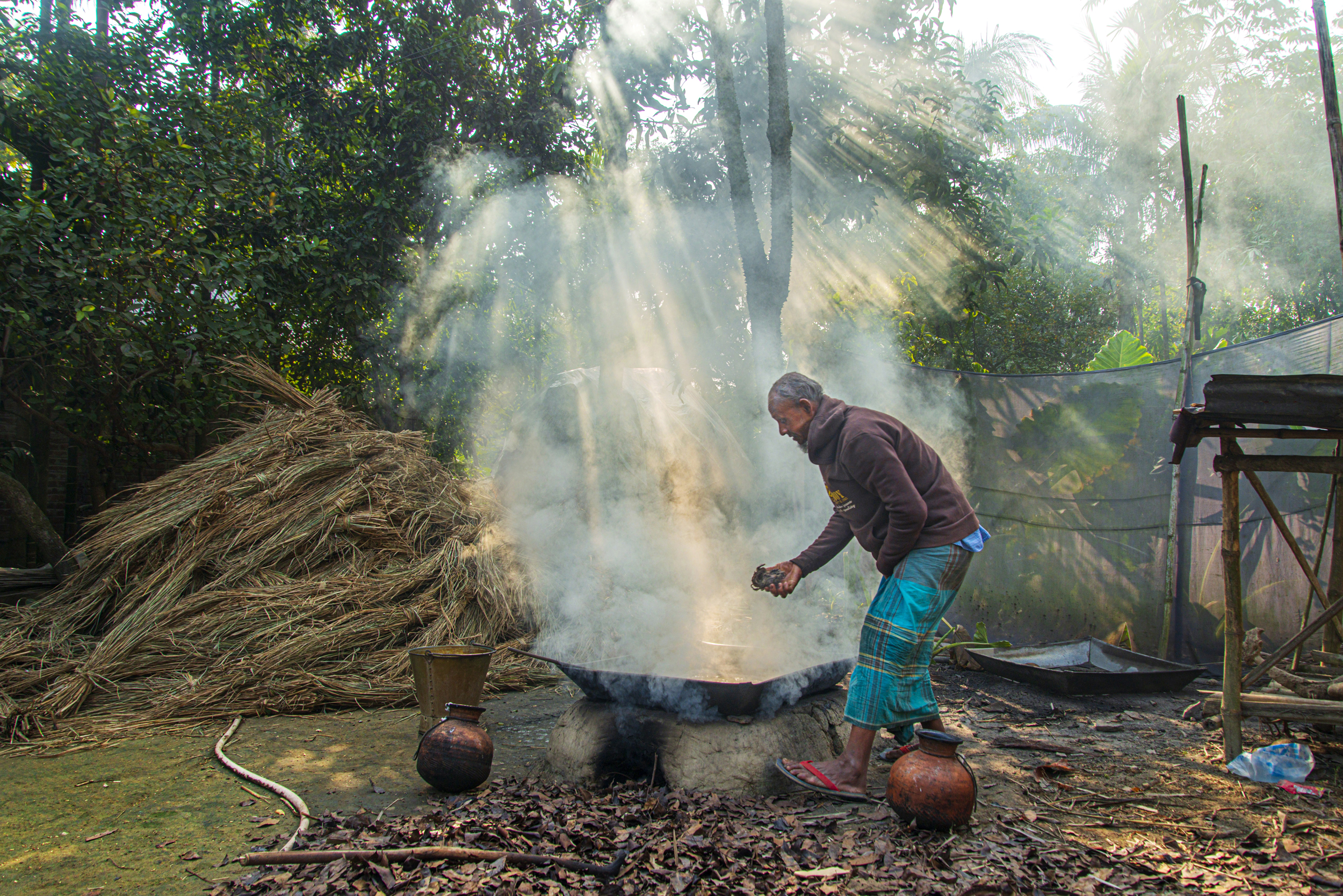
From sap to gur and winter sweets
Villagers in Matlab Uttar turn the sap into kheer, payesh, pitha, naru and other winter foods, still a highlight when relatives visit.
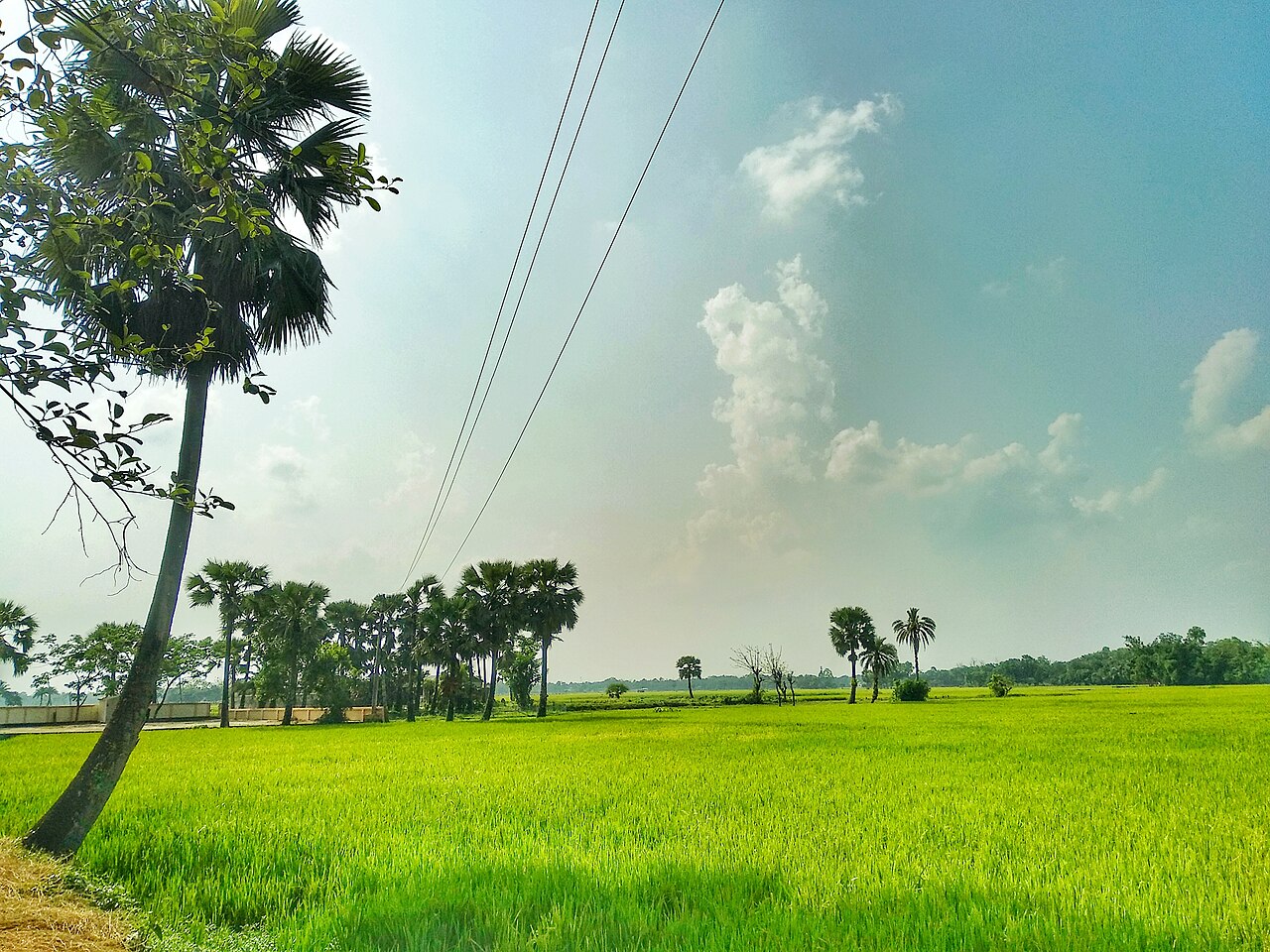
The palm tapped in Bangladesh is Phoenix sylvestris, also called the silver date palm or sugar date palm. It is native to Bangladesh, most of India, Nepal, Bhutan, Myanmar and southern Pakistan. In Bangladesh and India's West Bengal, the fresh sap is boiled down to make palm jaggery, known as gur.
Do not drink raw sap: the Nipah risk
Raw date palm sap carries a serious health risk. According to the World Health Organization (WHO), Nipah virus was first recognised in Bangladesh in 2001 and outbreaks have occurred there nearly every year since. The WHO says raw date palm sap or fruit contaminated with the urine or saliva of infected fruit bats is the most likely source of infection.
A WHO outbreak report published on 18 September 2025 said seasonal outbreaks in Bangladesh occur between December and May, coinciding with the sap harvest. Four confirmed cases, all fatal, were reported between 1 January and 29 August 2025, and the first three had a history of drinking raw palm sap. Bangladesh's surveillance system had recorded 347 cases by then, with a case fatality rate of 71.7 per cent.
- Do not drink raw date palm sap; boil freshly collected sap before drinking it (WHO).
- Keep bats away from the pots and the cut part of the tree with protective coverings such as bamboo sap skirts.
- Throw away fruit with signs of bat bites; wash and peel other fruit before eating.
- If you feel unwell after drinking sap, see a doctor without delay.
Photo: Azaman666 / Wikimedia Commons (CC BY-SA 4.0)
Sources: Jagonews24, World Health Organization (Nipah virus fact sheet and Disease Outbreak News), Banglapedia, Wikipedia (Phoenix sylvestris)
Comments
(0)