
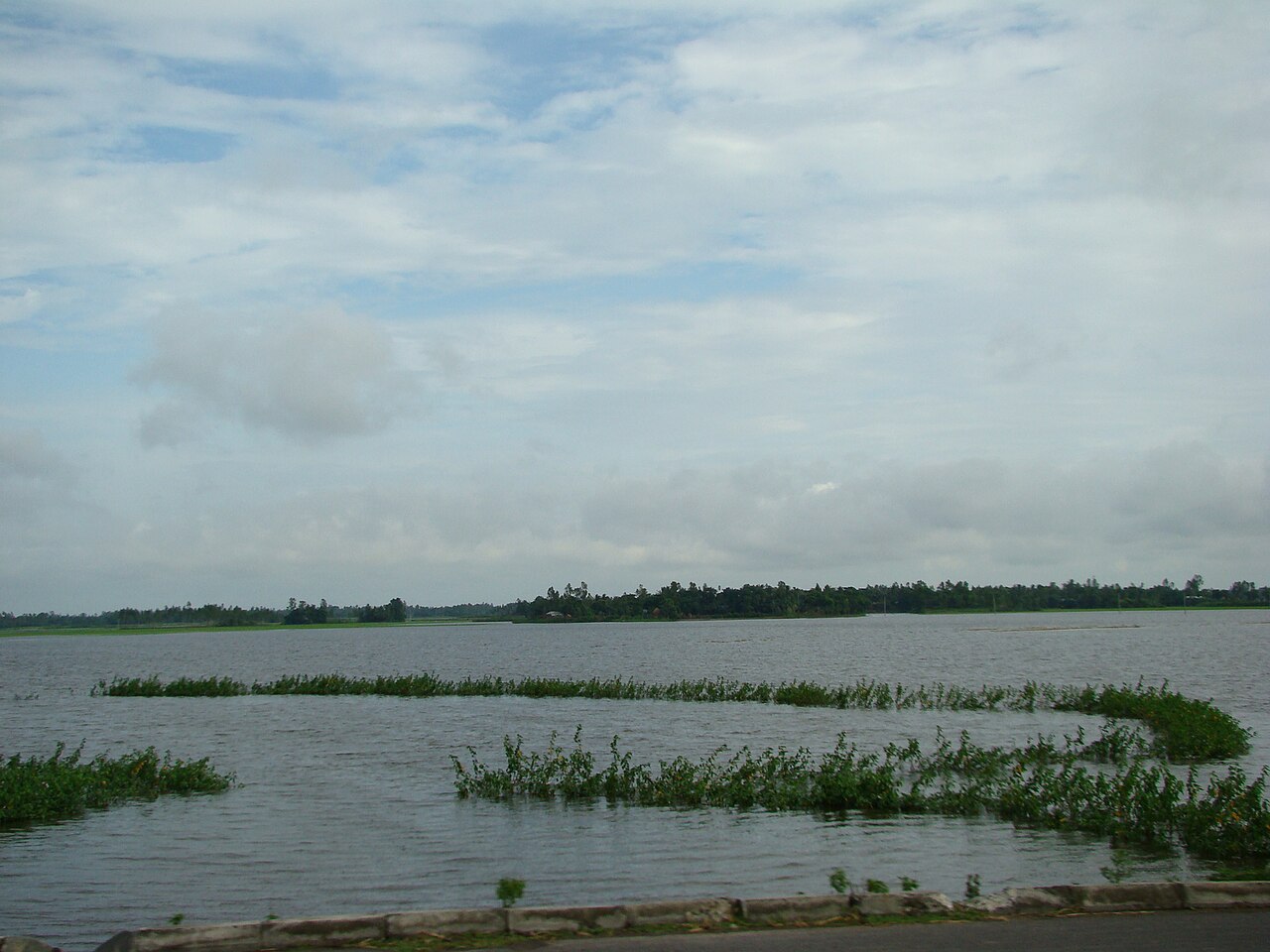
Chalan Beel, a basin of about 47 large and small wetlands spread across Pabna, Natore and Sirajganj, is one of the country's main breeding grounds for native fish. Silt and unplanned construction have shrunk it, but its fish are still sold every day in the markets of Chatmohar in Pabna, from where traders take them to big city markets, Prothom Alo reports.
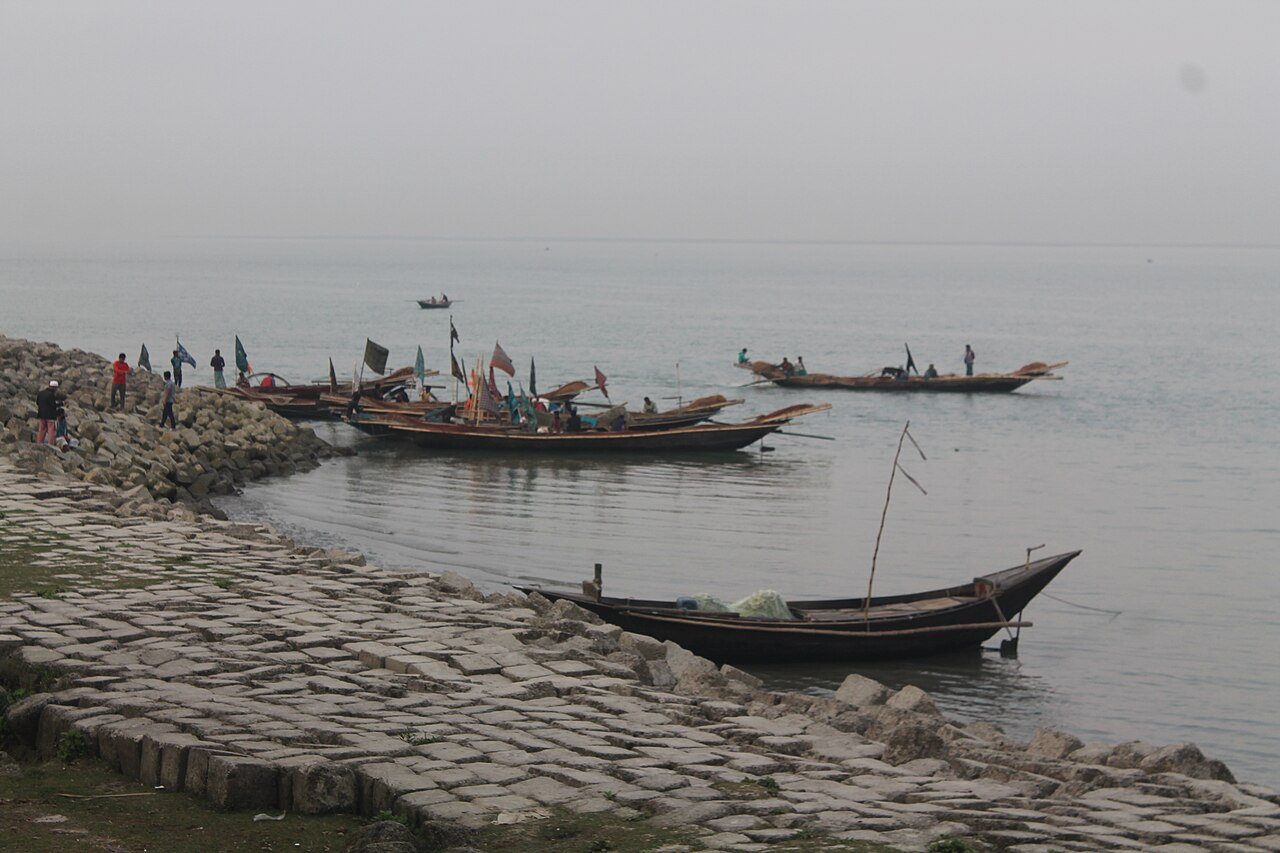
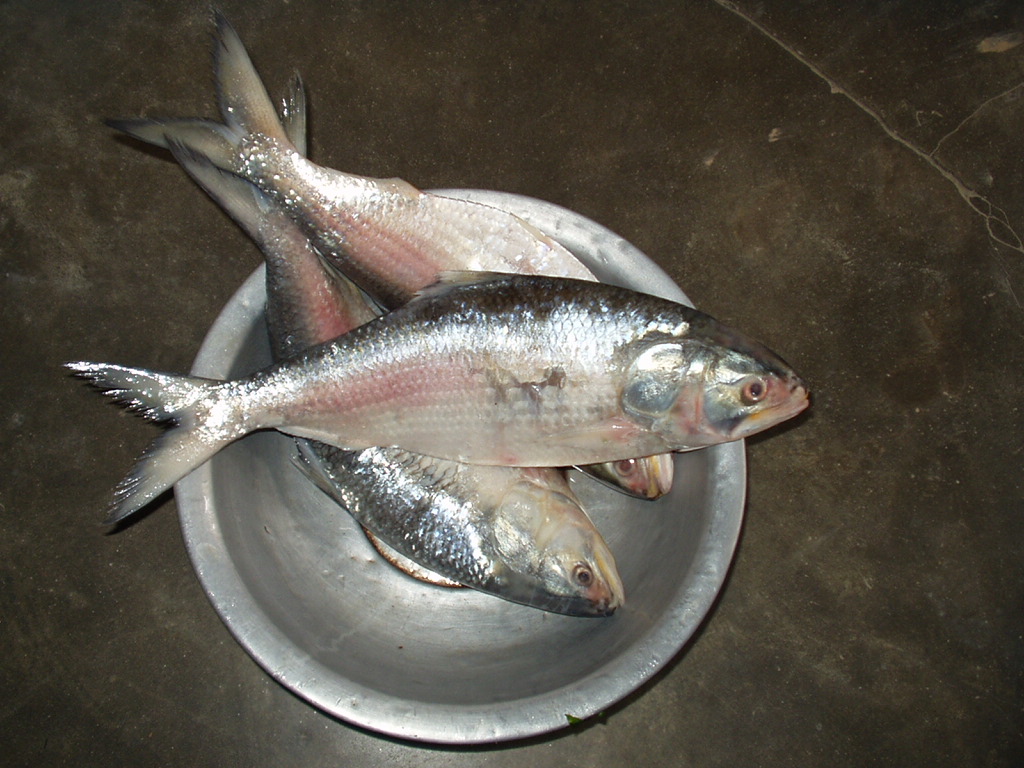
Before dawn, fishers set out their baskets at makeshift markets on Chatmohar's street corners. Live puti caught in khalshina and dodhi nets sit beside shing, magur, taki and baim. Now and then a large shol or chital turns up, but puti is now the most plentiful. Once, fish such as bagar, modhu pabda, gajar and kalibaush were caught routinely.
Fishers such as Md Raju Hossain, Md Ali and Md Abul Kashem set khalshina, china and dodhi nets in Kuruliya beel all night. At first light van driver Md Yunus Ali carries their live catch to the market. That way people get fresh fish and the fishers sell well, he says.
Kuruliya is a government-owned khas beel of 1,460 bighas. Md Raihan Ali, president of the beel's fishers, says 400 to 450 families live in the fishing hamlets of the three surrounding villages, and they depend entirely on the beel's fish.
The fishers are worried about falling catches. The channel that drained water from the beel has been blocked, so the beel has become much shallower, Raihan Ali says. Water hyacinth over the past five or six years and pesticide-laden water from nearby farmland have damaged the beel and reduced fish production.
Photo: Shahnoor Habib Munmun / Wikimedia Commons (CC BY 3.0)
Source: Prothom Alo

Comments
(0)