
Proven farm innovations last only when farmers, businesses and public institutions have the means and incentives to adopt them, and CGIAR's Scaling for Impact (S4I) programme is built around that idea. Across Africa, Asia and Latin America it runs 19 Scaling Solution Tracks, each pairing a proven innovation with a defined place and target group, a delivery mechanism, partners and adoption targets, so that partnerships, finance, policy and markets are designed in from the start.
Climate information is one area. In Kenya, SMS agro-weather advisories reached more than one million farmers, and half of those surveyed said they would pay about US$0.58 a month, a sign of demand though the service still needs sustainable financing. In India, digital advisory programmes raised yields by about 4% on average. Tracks in Kenya, Bangladesh and elsewhere link forecasts to agronomic advice through digital platforms and extension services.
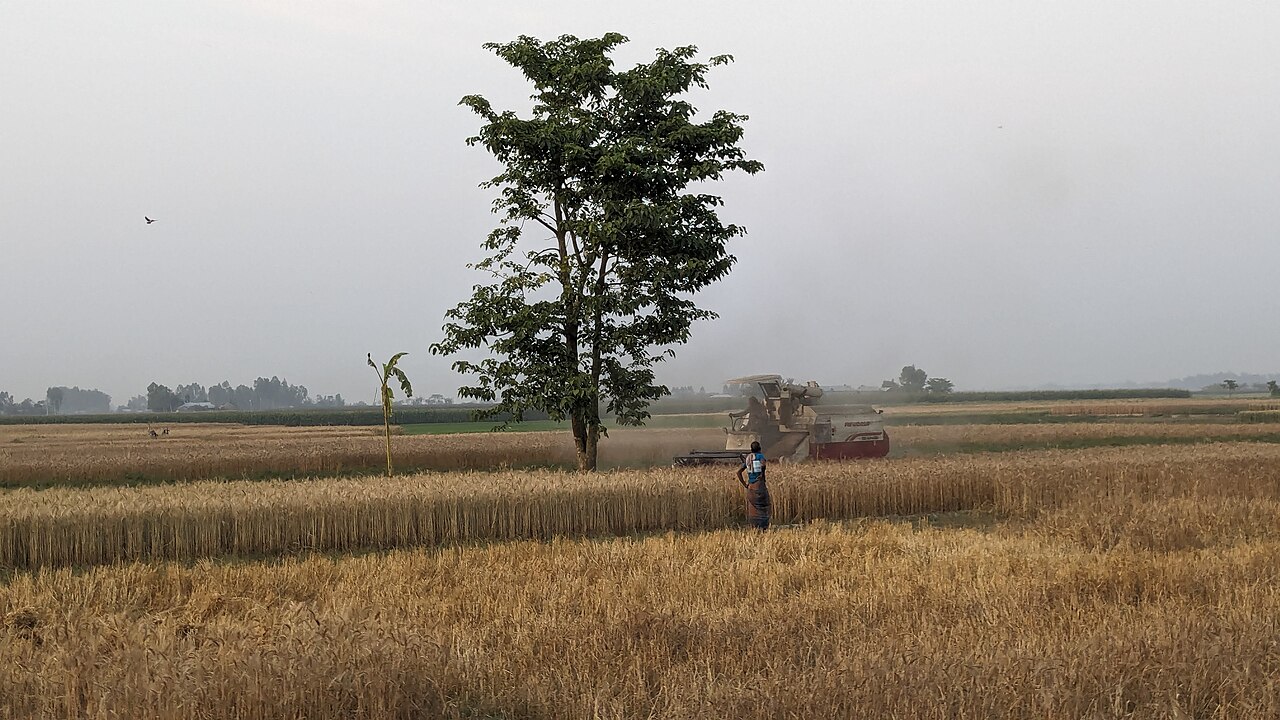
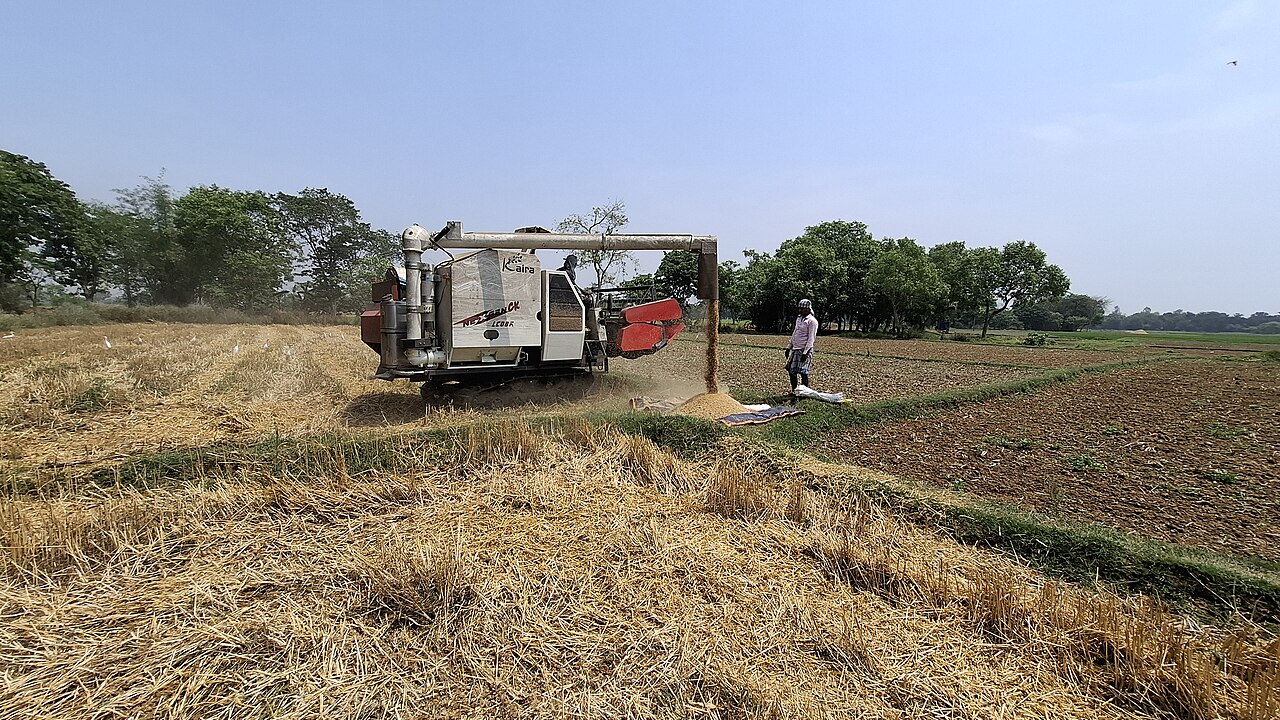
Access to equipment is another. In India and Bangladesh, mechanization service models let smallholders use machinery without buying it, while giving service providers a business. In Vietnam, pilots on about 1,000 hectares in 2024-2025 combining mechanized direct seeding and fertilizer deep placement cut seeding rates by 30-50%, nitrogen fertilizer use by 20-30% and pesticide use by 10-30%.
Nutrition is the third. In Kenya the Pan-Africa Bean Research Alliance is building demand for healthier foods through public procurement and value chains. In Egypt a track aims to bring locally grown barley into subsidized balady bread: after tests involving more than 51,000 loaves, 642 households and over 5,000 consumer evaluations, it targets 10-20% barley-enriched bread in Matrouh and New Valley governorates by 2030, potentially reaching up to 800,000 people.
CGIAR says success should be judged by continued use and benefits, not numbers reached: whether Kenyan farmers act on advice, whether machinery services stay affordable in India and Bangladesh, and whether barley bread becomes part of Egypt's supply system.
Photo: Tanvir Rahat / Wikimedia Commons (CC BY-SA 4.0)
Source: CGIAR


Comments
(0)