
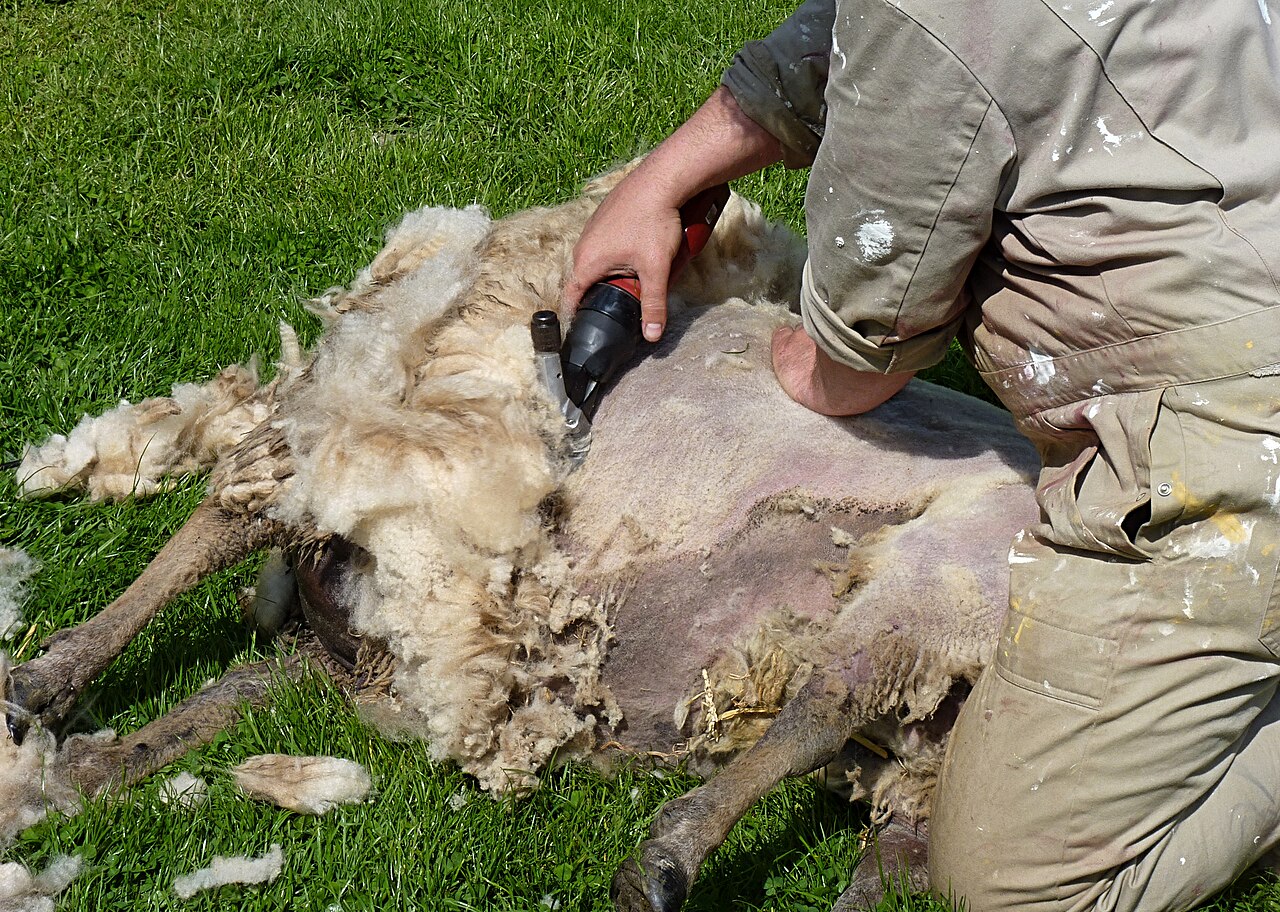
A strong start to the 2026 wool selling season has raised hopes among British sheep farmers that fleeces could soon pay for their own shearing, the National Sheep Association (NSA) says.
British Wool reported an average auction price of £1.70/kg across its first four sales, up 70p/kg on the same point last year. It has already sold 3,000 tonnes of new-season wool, with clearance rates in the last three sales approaching 90 per cent.
Auction prices do not translate directly into farmgate payments, but British Wool says the gain is reaching producers. Average payments rose from 40p/kg for the 2024 clip to 68p/kg for 2025, the highest in a decade, and the organisation expects the 2026 clip to return a further 25–30p/kg, with several core wool types possibly paying more than £1/kg. A tonne of wool sold off the farm was worth about £400 two seasons ago and £680 last season; the 2026 clip could be worth £930–£980 a tonne.
That matters because the contractor guide rate for shearing a ewe is £1.93 a head. A typical 2.5kg fleece at 68p/kg does not cover it, but at £1/kg the same fleece would pay for shearing and leave about 57p.
"This is welcome news," said NSA chief executive Phil Stocker, noting that for many flocks hit by bluetongue and wildfires in extreme heat, shearing had been "an essential welfare job done at a loss". He warned that hill and mountain wools still had ground to make up, and that keeping upland flocks viable helps defend moorland against wildfires.
Stocker said the recovery now had to be sustained, and urged farmers with wool still on the farm to take it to a British Wool or Ulster Wool depot.
The report was written by Kelly Henaughen.
Photo: Jamain / Wikimedia Commons (CC BY-SA 3.0)
Source: The Scottish Farmer
Comments
(0)