
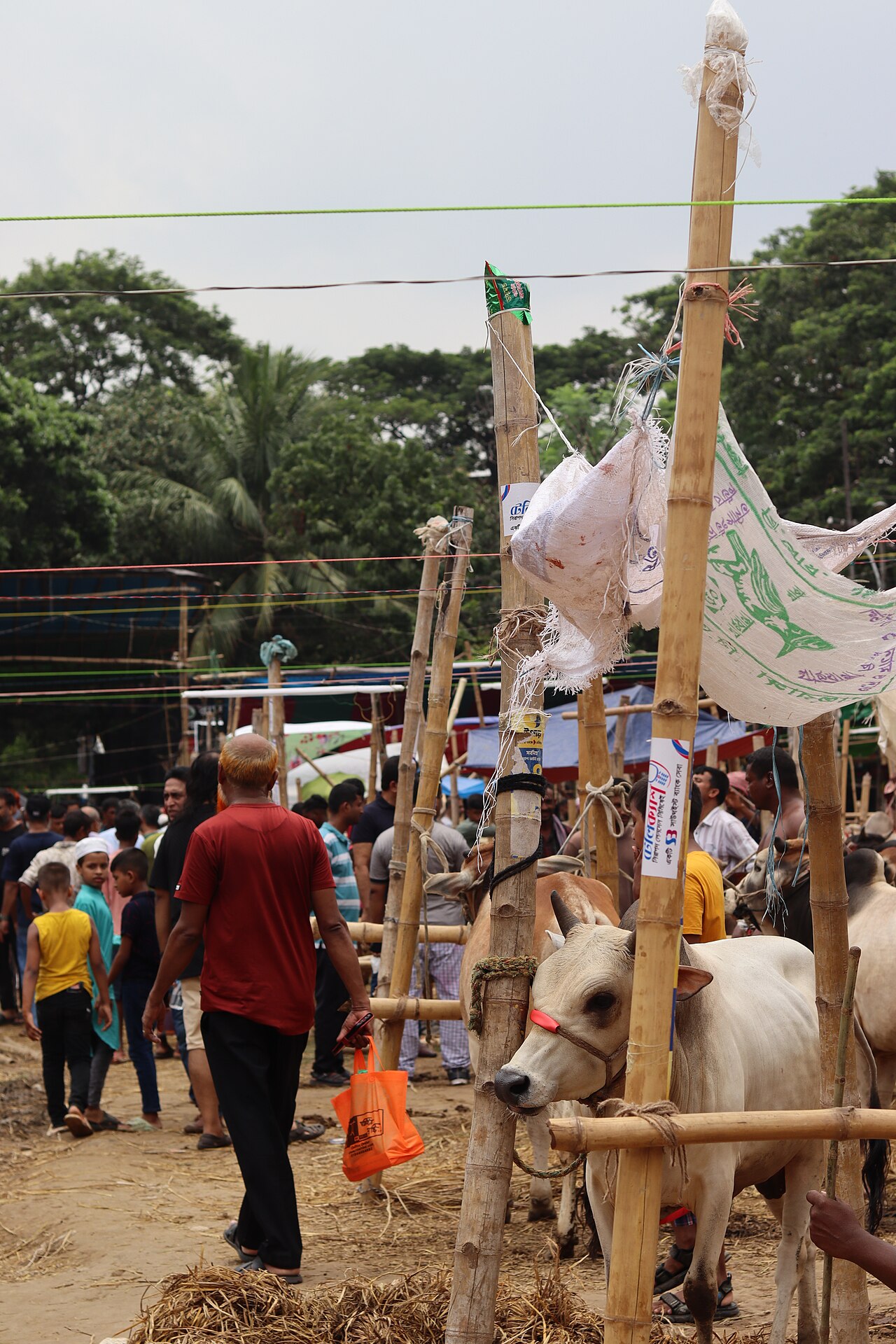
More than 200 people in Brahmanbaria were treated in hospital on Eid-ul-Azha, Thursday 28 May 2026, after being hurt while slaughtering sacrificial animals and cutting up the meat at home. Most of the injured had cuts to their hands, legs and other parts of the body from knives, cleavers and other sharp tools. Several others were kicked or shoved by cattle and buffaloes during slaughter. The figures came from the emergency department of the Brahmanbaria 250-bed General Hospital, and doctors said none of those treated was in a serious condition.
A busy emergency department all day
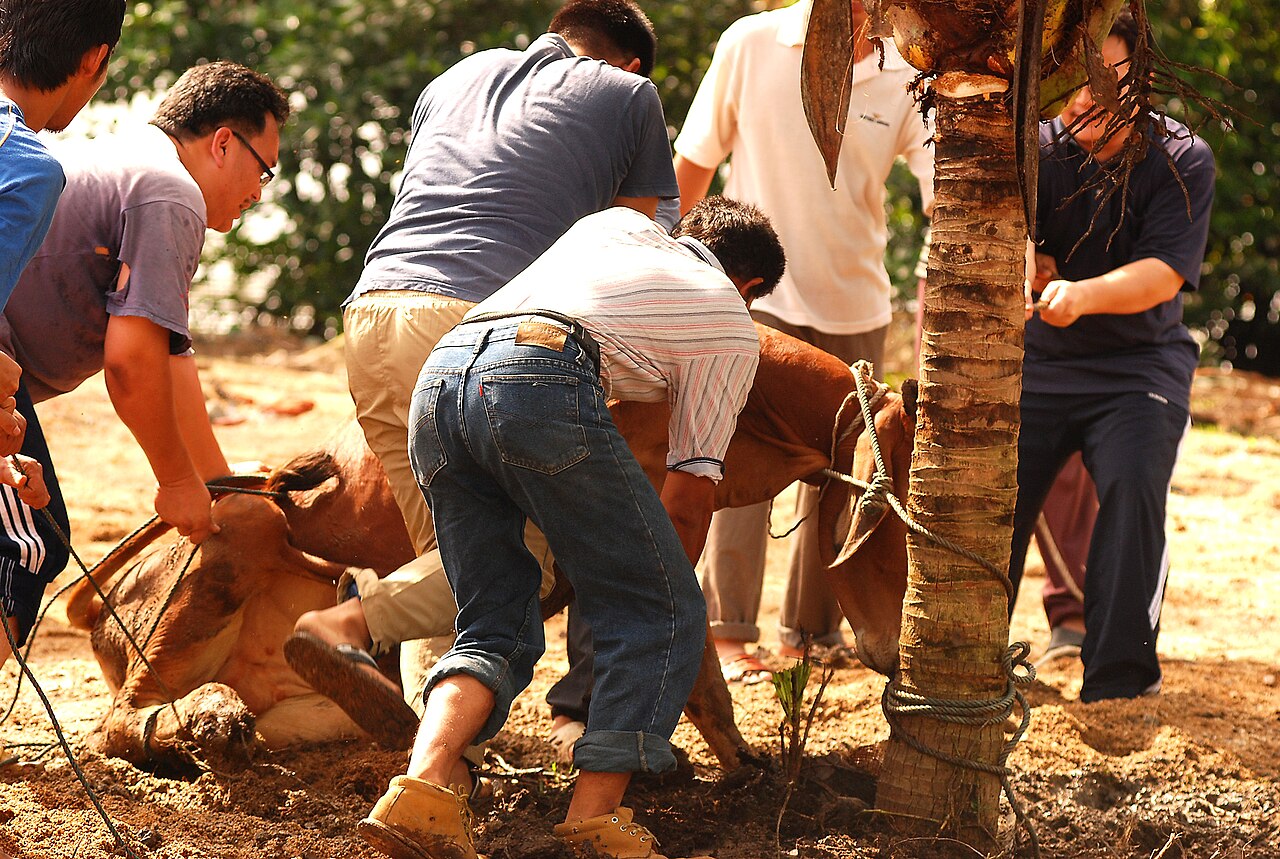
According to the emergency department register of the Brahmanbaria 250-bed General Hospital, more than 200 injured people came for treatment between 8am and 6pm on Thursday 28 May. Hospital sources said most were hurt accidentally by knives, cleavers and other sharp tools while cutting sacrificial meat, and many needed several stitches to their hands and legs. Others suffered injuries that included broken arms and legs after being kicked or pushed by animals during slaughter.
Shubhra Roy and Dipankar Ghosh, the doctors on the morning roster in the emergency department, said the department was under pressure with injured patients from early in the day, and that people had been hurt through carelessness while cutting meat and slaughtering animals. Anik Deb, the doctor on the afternoon roster, said more than 50 patients were treated between midday and evening, most with cuts to different parts of their hands, and that the injured were given first aid. Doctors said none of those treated was in a critical condition.
Inexperience and seasonal butchers
Inquiries found that the accidents happened mostly because of inexperience and carelessness in neighbourhoods across the town, and that seasonal butchers and family members were the most frequently hurt while slaughtering animals and cutting meat. On Eid-ul-Azha almost every household sacrifices its own animal, but the number of trained and experienced butchers falls far short of the demand. As a result, large numbers of ordinary people have to handle sharp knives and heavy cattle on a single morning, and that is where most of the accidents occur.
Sohag Mia, who lives in Kazipara in the town, said he was cutting meat while holding it under his foot when the blade suddenly struck his leg; his family brought him to hospital and he needed three stitches. Hanif Mia of Bhadughar said a knife caught his hand by accident while he was cutting beef after the morning sacrifice, and that he came to hospital after heavy bleeding. Md. Khayer of Baishmouja in Nabinagar said a buffalo broke its tether during slaughter and fell on him, injuring his hands, face and other parts of his body.
A hazard repeated every Eid-ul-Azha
Injuries from sharp tools and animal kicks are not new to Brahmanbaria; every year on Eid-ul-Azha hospitals across Bangladesh see a rush of people hurt the same way. In Brahmanbaria, local media reported that more than 100 people were injured for the same reasons and treated in hospital on Eid-ul-Azha in July 2021. The underlying cause is broadly the same each year: across the country millions of animals are slaughtered on the Eid days, and a large share of that work is done by non-professionals in their own yards. Much of it is concentrated into the few hours straight after the Eid prayer, so emergency departments tend to fill quickly through the morning, as the doctors on the Brahmanbaria roster described. On this day in 2026 the familiar risk returned once more.
Eid-ul-Azha and the qurbani
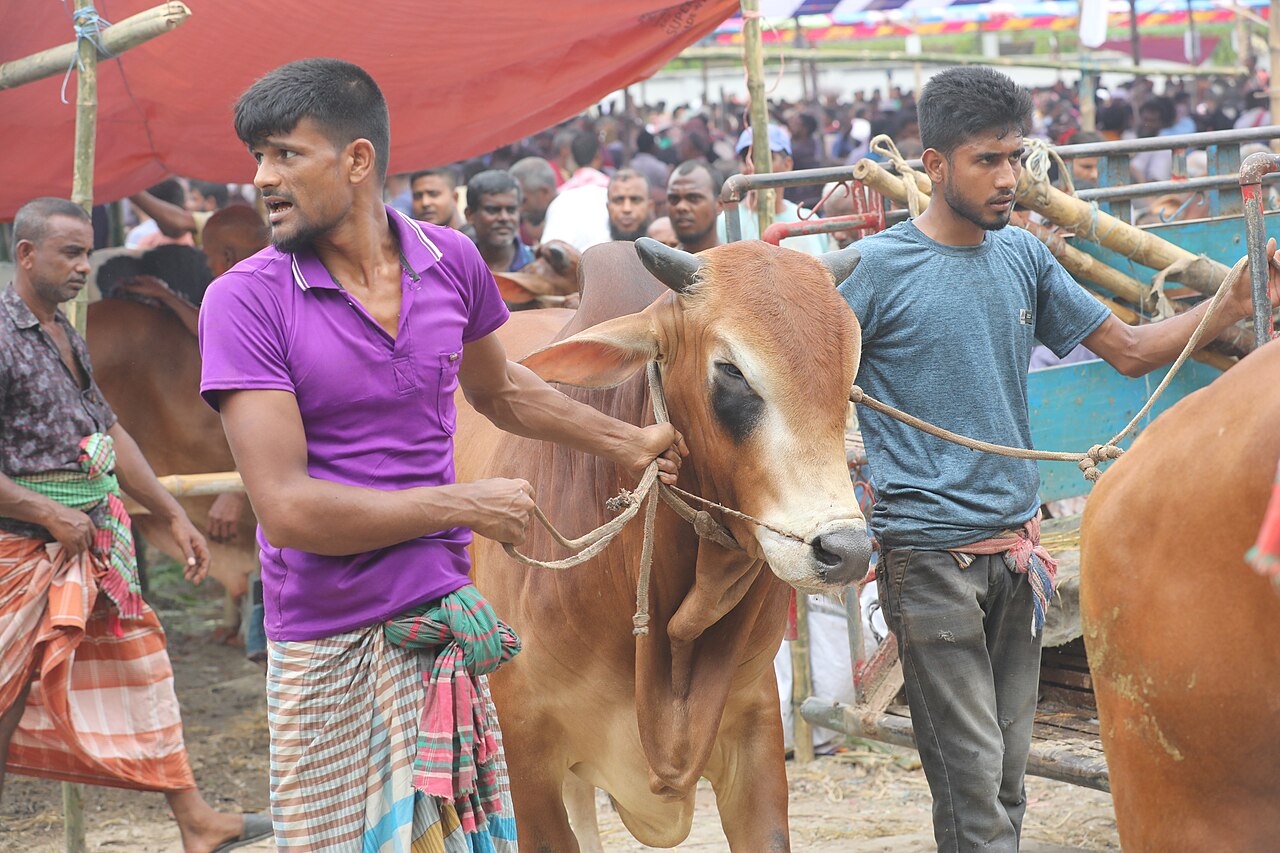
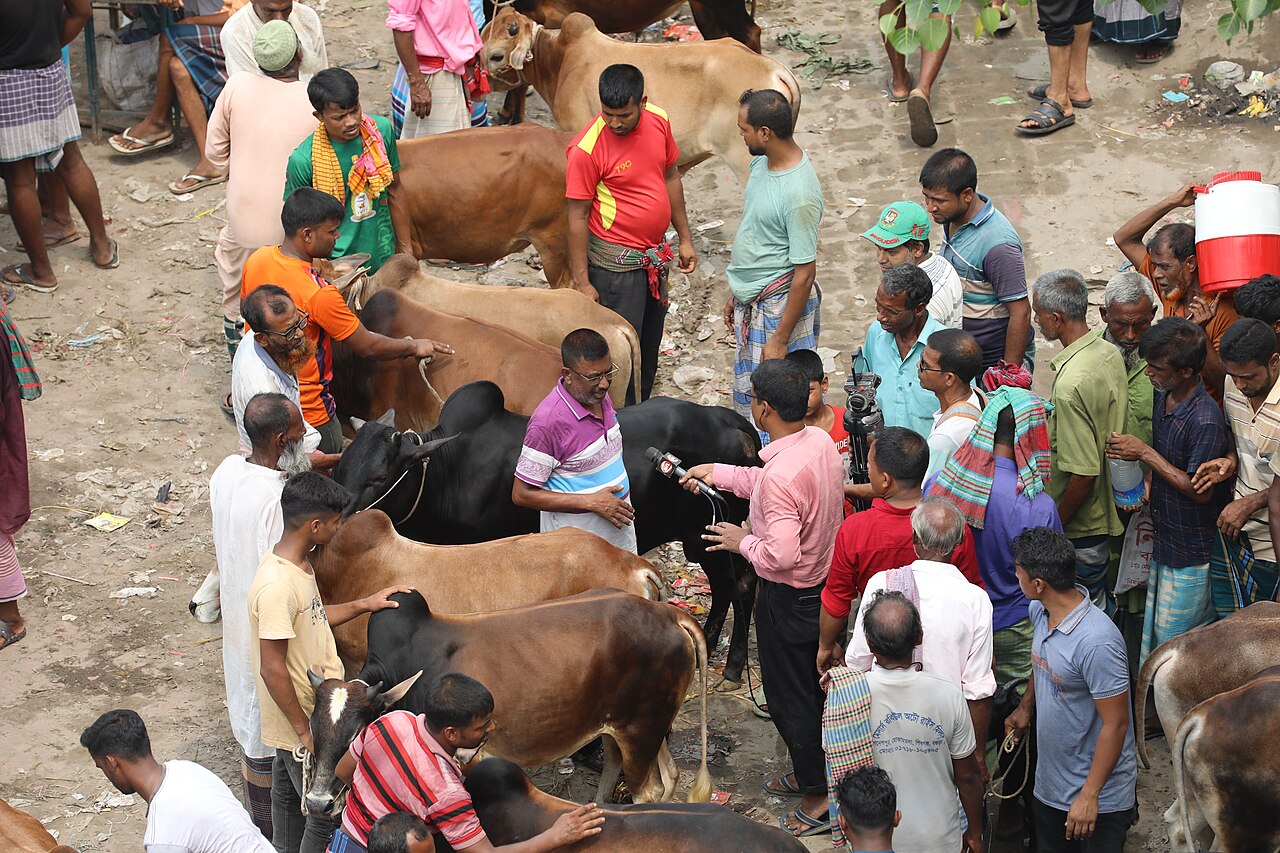
Eid-ul-Azha, the festival of sacrifice, falls on the 10th of Dhu al-Hijjah, the twelfth and last month of the Islamic calendar, and marks the end of the annual Hajj pilgrimage, when pilgrims in Mecca perform the ritual stoning of the Devil and the circling of the Kaaba. It commemorates the Prophet Ibrahim's willingness to sacrifice his son in obedience to God. After the Eid prayer, Muslims who can afford it sacrifice halal livestock that meets set age and quality standards; the animal is usually a camel, goat, sheep or ram, while in Bangladesh cattle and buffalo are the most common. The celebration runs over the 10th and the three following Tashreeq days, four days in all. The meat is traditionally divided into three shares: one for the household, one for relatives and friends, and one for the poor. Scholars differ on whether the sacrifice is obligatory or a strongly recommended custom, and some hold that charity or fasting may serve in its place.
Because the sacrifice is carried out at or near the home, and much of the work from cutting the meat to distributing it is done by family members, a very large number of people handle sharp tools and big animals on a single morning. That is why cuts from knives and cleavers, and injuries from kicks and shoves, occur far more often on Eid-ul-Azha than on any ordinary day.
First aid for cuts and heavy bleeding
Most cuts and grazes can be treated at home and start to heal in a few days. On what to do for a cut or heavy bleeding, the general advice of the UK National Health Service (NHS) and the US health library MedlinePlus is to wash your hands first and put on disposable gloves if you have them. Check the wound for anything embedded in it; if something such as glass is stuck, leave it in place and press firmly on either side of it rather than on top. Otherwise press firmly on the wound with a clean folded cloth or bandage to stop the bleeding, adding another layer on top if blood soaks through the first. Raising an injured hand or arm above the head, or lying down and raising a leg above the level of the heart, helps slow the bleeding. Once the bleeding is under control, secure the dressing, and check the circulation every 10 minutes, loosening the bandage if the colour of the skin does not return within about two seconds.
Once the bleeding has stopped, rinse the wound under clean running water, clean the surrounding skin with soap and water, pat it dry and cover it with a sterile dressing or plaster. MedlinePlus advises against several common mistakes: do not assume a wound is clean just because no dirt is visible, do not breathe on an open wound, do not try to clean a major wound before the bleeding is controlled, and do not pull out a long or deeply embedded object or push protruding tissue back in. A puncture wound, such as one from the tip of a knife, should be rinsed under running water for about five minutes; objects should not be removed by poking around, and urgent care should be sought. A cut longer than about five centimetres, deeper than about a quarter of an inch, on the face or palm, or reaching the bone may need stitches, and any deep or dirty wound is safer treated by a doctor or at the nearest hospital than at home. A dressing should be kept clean and dry and removed after a few days once the wound has closed; a doctor may add antibiotics if a wound could be infected and a tetanus injection if one is needed.
Some injuries need emergency care at once. MedlinePlus says that if severe bleeding cannot be stopped after about 10 minutes of firm pressure, the local emergency number should be called. The NHS advises going to an emergency department or calling for an ambulance if bleeding cannot be stopped or blood is spurting and bright red, if feeling is lost near the wound or it cannot be moved properly, if the cut is on the face or palm, or is very large or deep, or if something such as glass is stuck in it. An urgent appointment or a call to a health line is advised if a wound still contains soil, pus or dirt after cleaning, came from a human or animal bite, is becoming swollen, red and increasingly painful or is leaking pus, is larger than about five centimetres, or comes with a high temperature and feeling generally unwell. The information here is for general awareness; for any injury a doctor's assessment is what counts.
Infection and the risk of tetanus
Eid-day cuts carry one extra danger: tetanus. According to the World Health Organization, tetanus occurs when spores of the bacterium Clostridium tetani get into a cut or wound; these spores are found in soil, ash, and in animal and human feces, as well as on skin and rusty objects such as nails. The spores resist heat and most antiseptics and can survive for years, and tetanus cannot spread from person to person. Wounds from the sacrifice are often in contact with blood, dung and soil, so they carry a tetanus risk. Infection is also more likely, MedlinePlus notes, in puncture wounds, crush injuries, dirty wounds, foot wounds and wounds that are not treated promptly, all of which are common on Eid day.
The symptoms of tetanus usually appear 3 to 21 days after infection, most within 14 days, and include jaw cramping or difficulty opening the mouth, muscle spasms in the back, abdomen and limbs, spasms triggered by sudden noises, trouble swallowing, seizures, headache, fever and sweating, and a fast heart rate. Tetanus is a vaccine-preventable disease, and because recovery does not give natural immunity, a survivor still needs to be vaccinated. Signs of wound infection such as warmth, swelling, redness, increasing or throbbing pain, a red streak spreading from the wound, pus or fever mean a doctor should be seen without delay. Anyone who has not had a tetanus vaccination in the past 10 years should ask a doctor about a booster after a cut. The information here is for general health awareness; for any injury or illness a doctor's advice is what counts.
Brahmanbaria and its general hospital
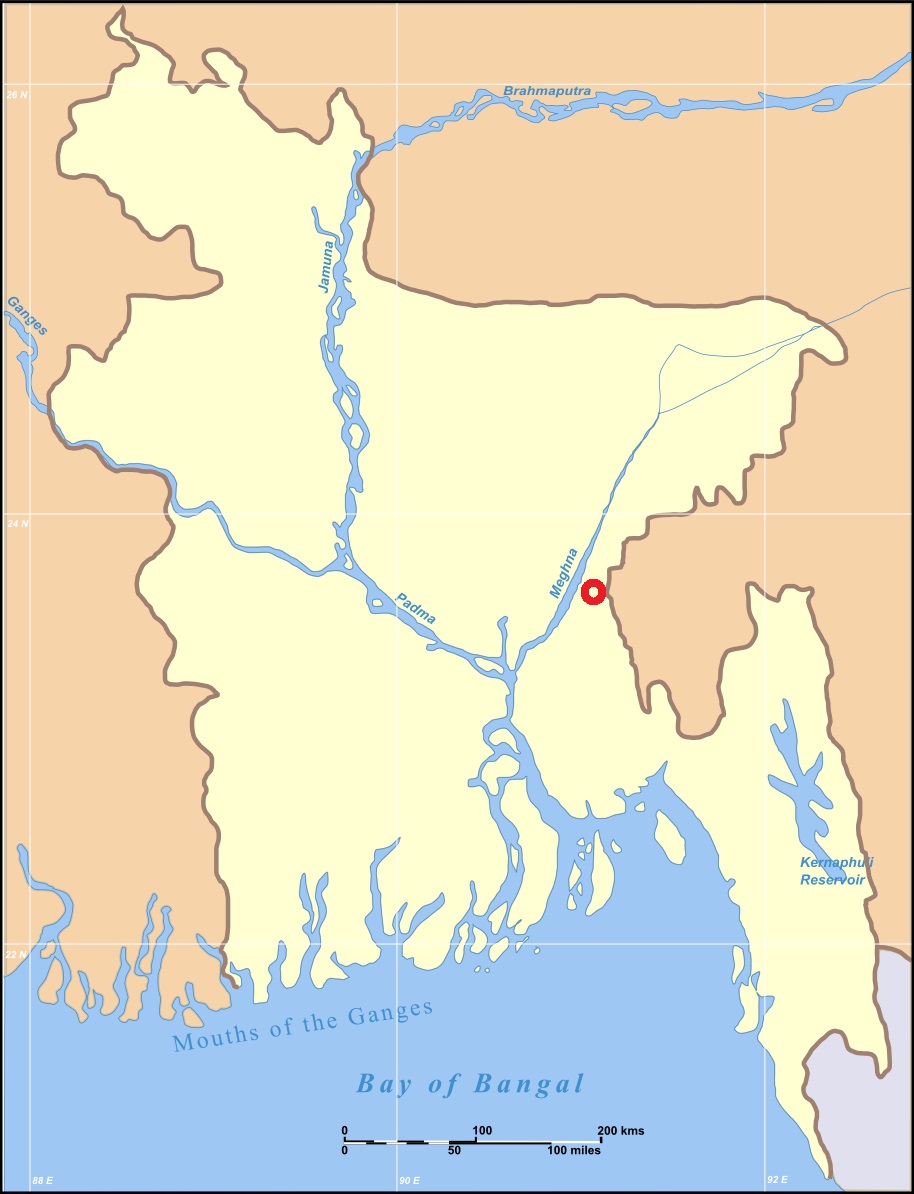
Brahmanbaria is a district in the Chittagong Division. According to Banglapedia, the district was formed in 1984, having earlier been part of Comilla (formerly Tripura) district, while the Sarail area had belonged to Mymensingh district before 1830. It is bordered by Kishoreganj and Habiganj to the north, Comilla to the south, Habiganj and India's Tripura state to the east, and the Meghna River, Kishoreganj, Narsingdi and Narayanganj to the west. It covers about 1,881 square kilometres and, by the 2011 census, had a population of roughly 2.84 million, with a density of about 1,510 people per square kilometre. Muslims form the majority, about 2.63 million, followed by Hindus; the urban population was about 448,000 and the rural population about 2.39 million, and literacy was 45.3 per cent.
The district has eight upazilas: Akhaura, Ashuganj, Kasba, Nabinagar, Nasirnagar, Banchharampur, Brahmanbaria Sadar and Sarail; Brahmanbaria Sadar has the largest population and Nabinagar the largest area. Its main rivers are the Meghna, Titas, Buri and Kulkulia, and agriculture is the biggest single source of income at about 51.62 per cent, ahead of commerce and services. Baishmouja, the home of one of the injured men, lies in Nabinagar upazila.
The 250-bed General Hospital in the district town is the main public medical centre for this large population. On Eid day most of the injured came to this hospital's emergency department, where doctors on two rosters were on duty from morning until evening.
Handling animals and knives more safely
The hospital's own finding was that inexperience and carelessness were the main causes of these accidents. A few simple precautions can cut the risk considerably:
- Arrange for a trained, experienced butcher to slaughter the animal and cut the meat wherever possible.
- Tie and control the animal firmly, and keep children and onlookers at a distance during slaughter, because frightened cattle and buffaloes can kick or break free.
- Cut meat on a firm board or clean surface rather than holding it under a hand or foot.
- Keep knives and cleavers sharp, handle them with dry hands and cut away from the body.
- Keep clean cloth, water and basic first-aid supplies within reach.
A deep cut, an injury from a kick or a fall, or bleeding that will not stop should not be left to wait; it is safer to go to the nearest hospital or contact the upazila health complex at once. With a little care, and by sharing the work with experienced hands, the day of sacrifice can pass without accidents.
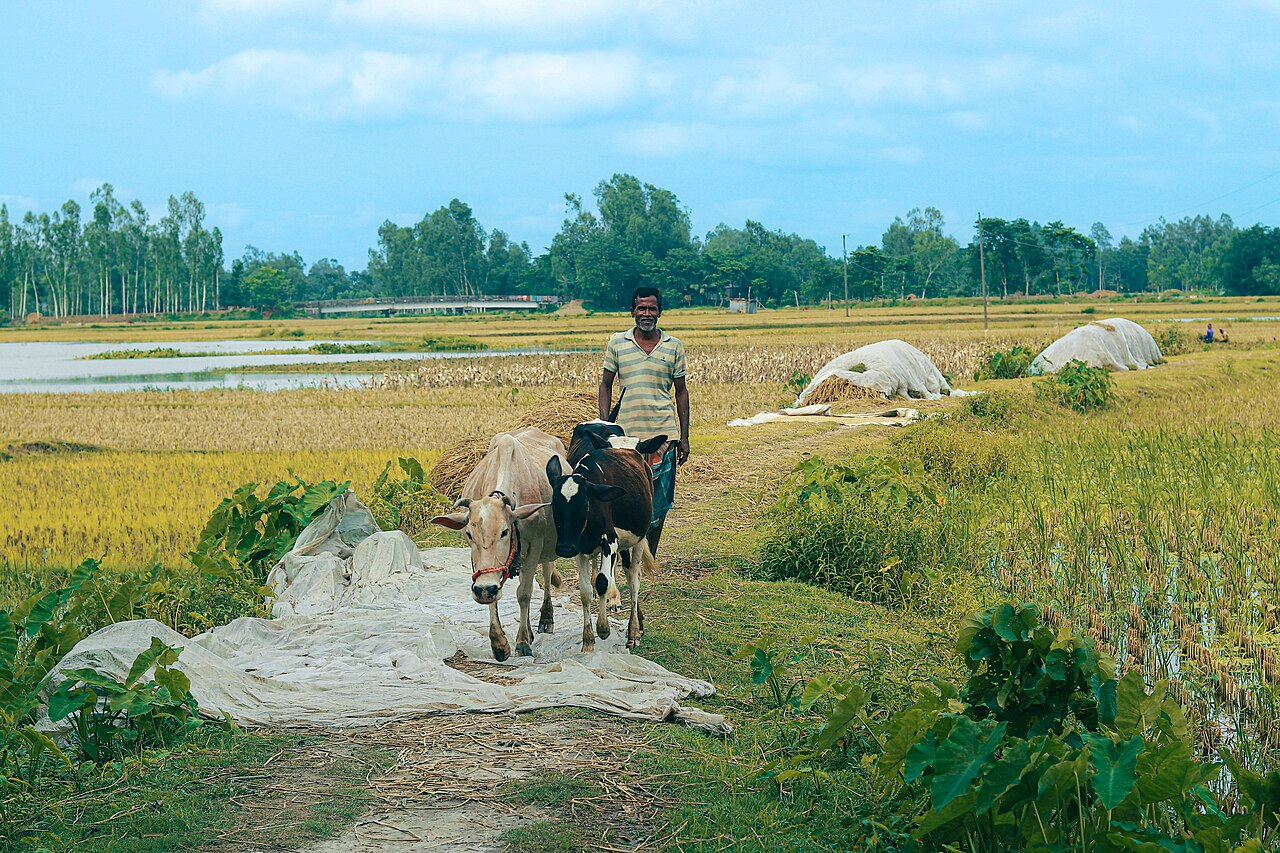
Photo: Wasiul Bahar / Wikimedia Commons (CC BY-SA 4.0)
Sources: Jagonews24, Daily Inqilab, Samakal, the UK National Health Service (NHS), MedlinePlus, the World Health Organization, Banglapedia.
Comments
(0)