

It pays to be more careful about food choices in the monsoon. Because humidity, mud, bacteria and fungal infection all pose greater risks, experts advise cleaning vegetables thoroughly before eating them. Some vegetables, though, can safely stay on the menu this season, and two of the most popular are bottle gourd (lau) and ridge gourd (jhinge).
Both are light, easy to digest and full of water, and both are popular with people trying to lose weight. So which one is more beneficial? Here is a simple comparison.
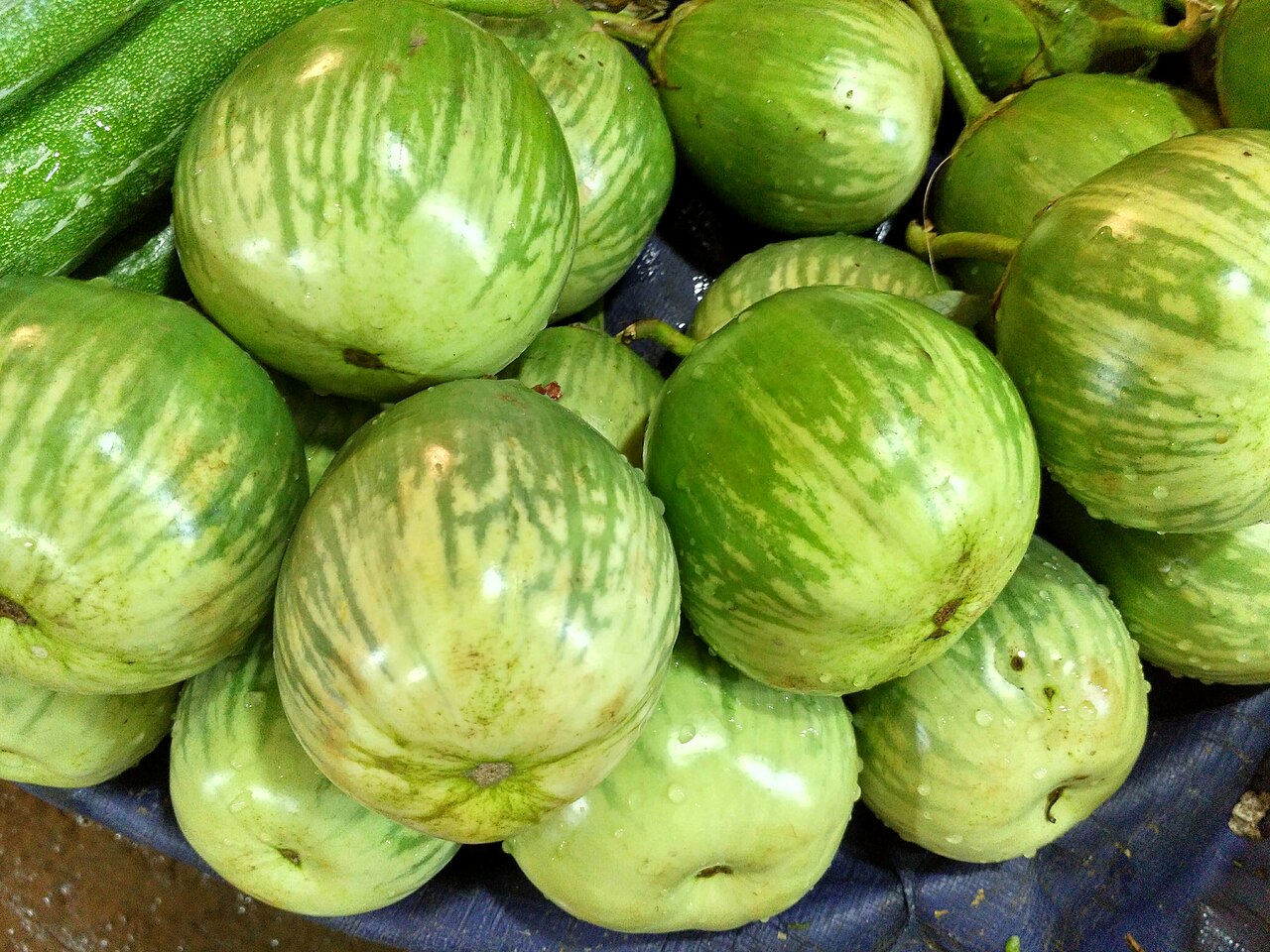
Bottle gourd
Bottle gourd is about 92 to 96 per cent water, and 100 grams contain only 15 calories. It also provides fibre, vitamin C, potassium, calcium and a small amount of carbohydrate.
In the monsoon humidity is high, and many people forget to drink enough water. Bottle gourd's high water content helps keep the body hydrated and refreshed.
It is very easy to digest, making it a good vegetable for people with gas, acidity, heartburn or constipation. Its fibre helps keep the bowels working normally. Its potassium helps control blood pressure, and its minerals also help keep the heart healthy.
Ridge gourd
Ridge gourd is also about 93 to 95 per cent water, with 18 to 20 calories per 100 grams. It has somewhat more fibre than bottle gourd, and also contains vitamin C, iron and beta-carotene.
Fibre is ridge gourd's biggest strength. It helps improve digestion and, eaten regularly, can ease constipation. Its antioxidants work against harmful free radicals in the body and can help maintain the skin's natural glow.
Which is better for weight loss?
In truth there is no big difference between the two for weight loss. Both are low in calories, fat-free and rich in water, so they keep you full for longer and reduce the urge to overeat. Both contain a good amount of fibre, which aids digestion and helps keep metabolism normal. For weight control, bottle gourd and ridge gourd are equally beneficial, and they can be rotated in the daily diet.
In the monsoon, wash vegetables in clean water several times after buying them. If needed, soak them briefly in lightly salted water before cooking, which removes much of the soil, germs and pesticide residue. Cook them quickly rather than leaving them wet for long, because germs can multiply fast in damp conditions.
Which one is more beneficial depends on your needs. If you want to keep the body cool, eat easily digestible food or make up a lack of water, bottle gourd is a good choice. If you want more fibre, better digestion or relief from constipation, ridge gourd may be more useful.
According to nutritionists, both vegetables are very good for the body. Neither has significant fat and both are low in calories. Eating them regularly gives the body water, vitamins, minerals and fibre together, so the best habit is to eat both rather than one instead of the other. Cooked with little oil and spice, they keep their nutrients best and make the weight-loss journey easier.
The article draws on EatingWell and The Times of India.
Source: Jagonews24. First published in Bengali on The Agro News.


Comments
(0)