
Bangladesh's cabinet committee on government purchase approved a proposal to buy 1 crore 60 lakh (16 million) hessian jute sacks to store and bag food grain during the ongoing domestic Boro procurement 2026 season. The approval came at the committee's meeting at the Secretariat in Dhaka on Wednesday, 22 July 2026, chaired by Finance Minister Amir Khasru Mahmud Chowdhury. The sacks were to cost Tk 111 crore 6 lakh 400.
How the tender went
Citing sources at the meeting, Jagonews24 and Bhorer Kagoj reported that the Directorate of Food had invited open tenders for hessian jute sacks that hold 30 kg each. The tender drew 1,153 bids from 38 firms. After scrutiny, 1,109 bids from 34 firms were found responsive.
On the recommendation of the tender evaluation committee (TEC), the 1.6 crore sacks were to be bought from the 21 lowest-bidding firms, and the purchase from them was approved once the required process was complete. According to the Directorate of Food, the average price of each sack would be Tk 69.41. The sacks were to be bought with government money and used to bag grain in the ongoing Boro procurement programme.
This year's Boro procurement drive
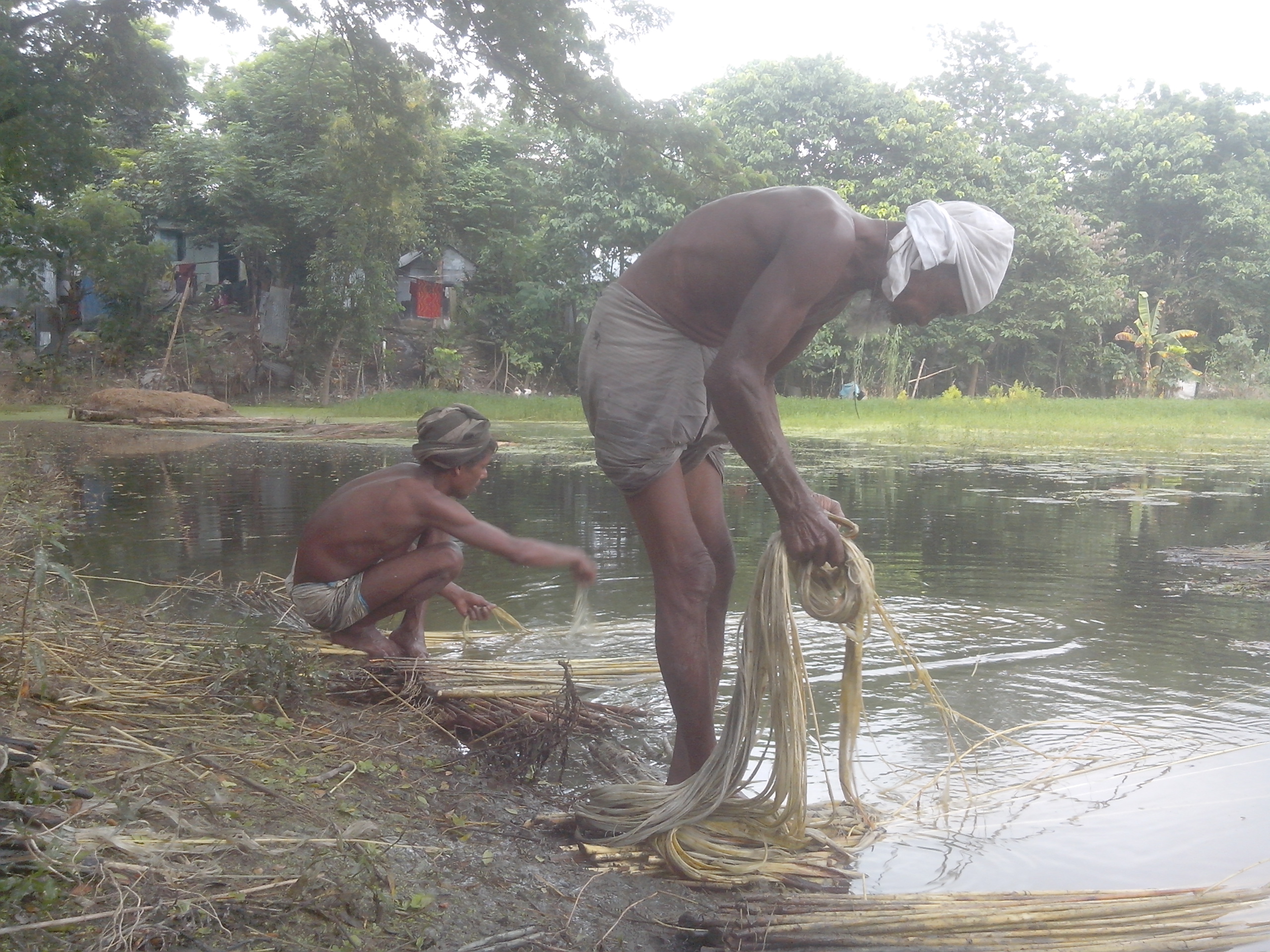
The schedule and targets of the drive the sacks were bought for had been set on 22 April 2026. After a meeting of the Food Planning and Monitoring Committee (FPMC) at the Secretariat that day, its chair, Home Minister Salahuddin Ahmed, said the government would buy paddy and wheat directly from farmers from 3 May and rice from 15 May, with the drive running until 31 August.
- Boro paddy: 5 lakh tonnes at Tk 36 a kg
- Parboiled rice: 12 lakh tonnes at Tk 49 a kg
- Atap (sun-dried) rice: 1 lakh tonnes at Tk 48 a kg
- Wheat: 50,000 tonnes at Tk 36 a kg
The overall target for paddy and rice was set at 18 lakh tonnes. The minister said the procurement prices were unchanged from the previous year, and that government warehouses then held about 17 to 18 lakh tonnes of rice.
Why grain goes into jute
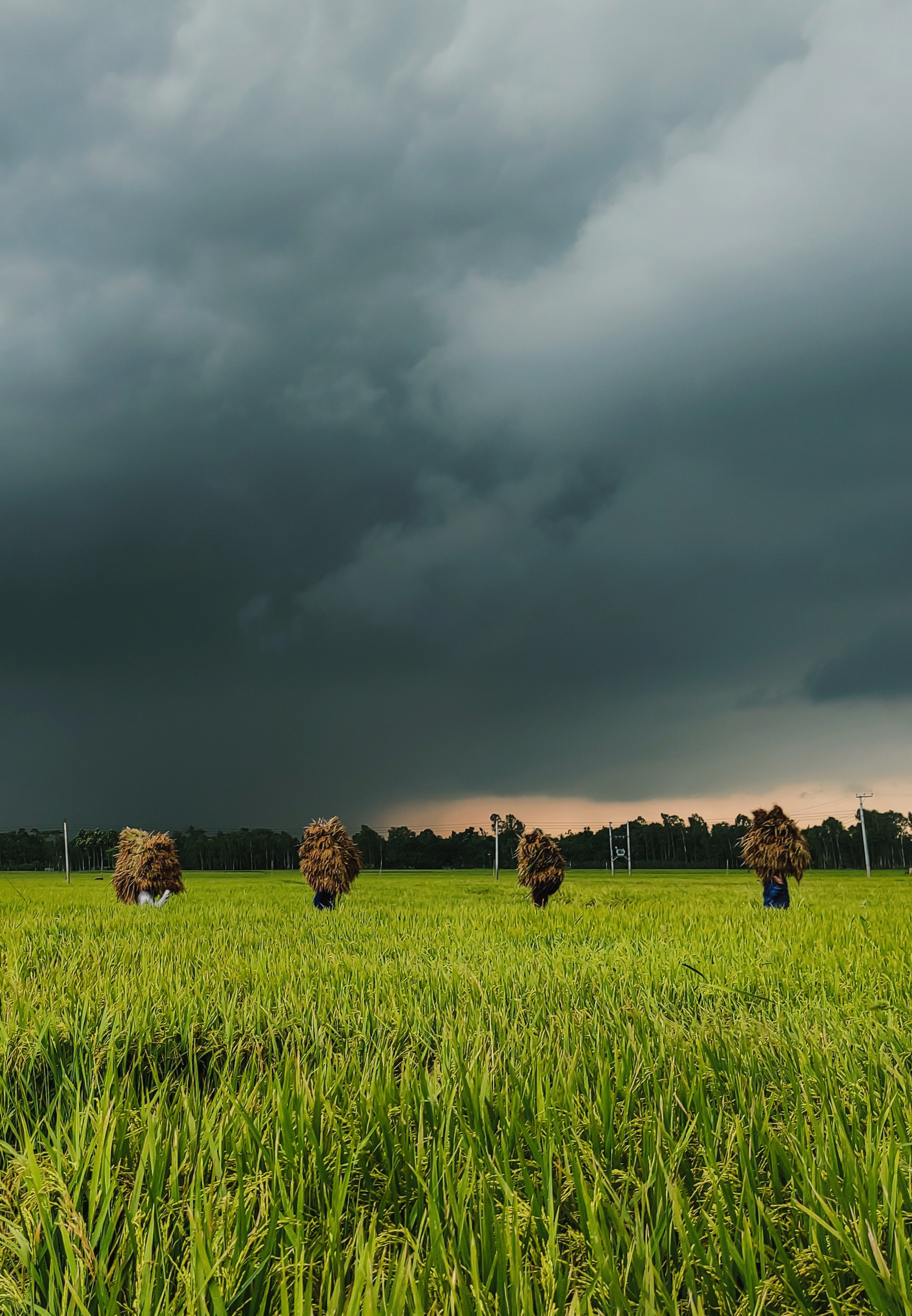
Hessian is a coarse woven fabric made of vegetable fibre, usually from the skin of the jute plant, and is widely used for sacks in which farm produce is shipped. Bangladesh's Mandatory Jute Packaging Act of 2010 requires 19 commodities, among them paddy, rice, wheat, maize and fertiliser, to be packed in jute. The Daily Star has reported that the law at first covered six commodities, including rice, wheat, fertiliser and sugar, and that more items were added to the list later.
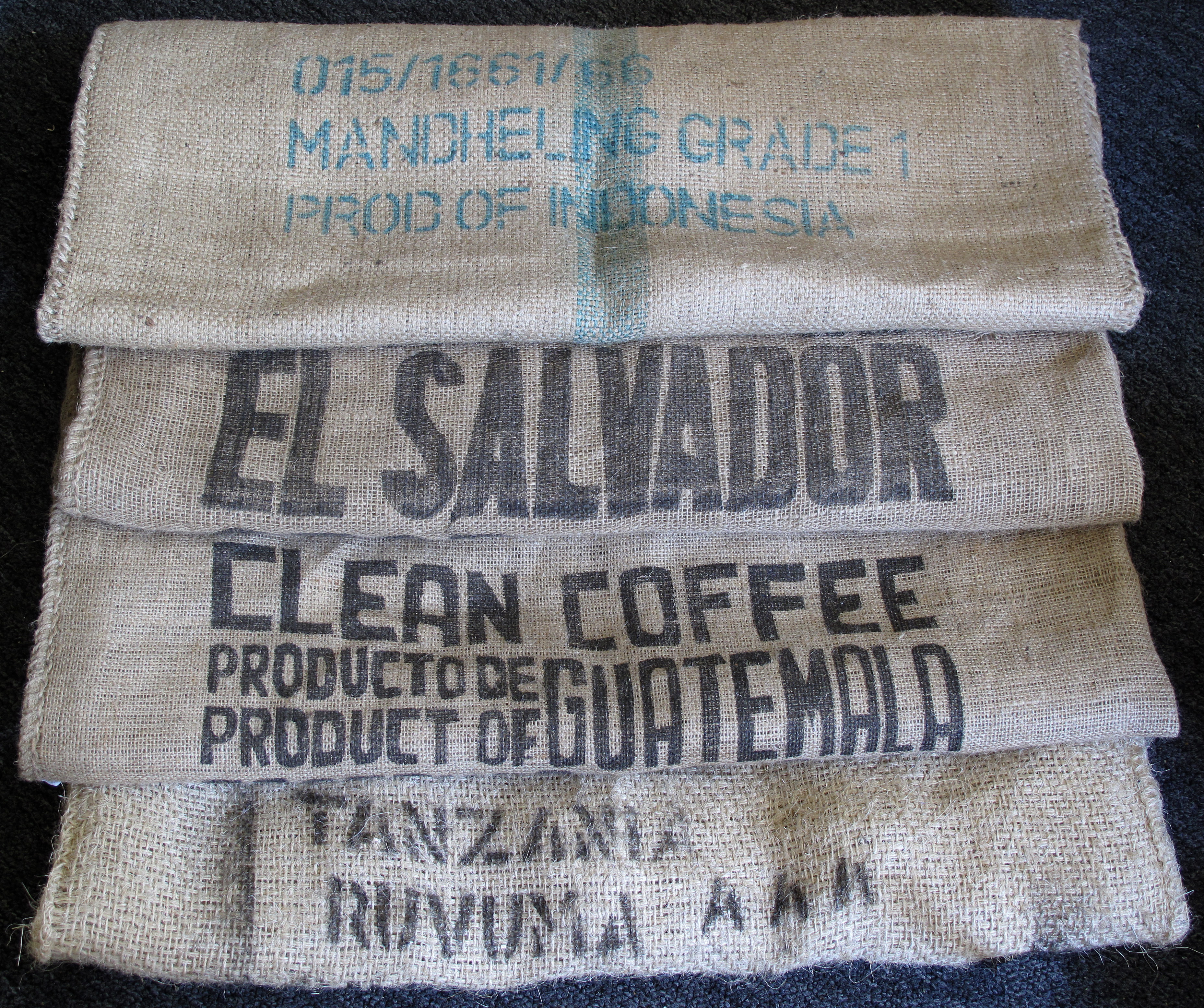
Photo: Downtowngal / Wikimedia Commons (public domain)
Sources: Jagonews24, Dhaka Post, Bhorer Kagoj, Daily Inqilab, The Daily Star, Wikipedia (Hessian fabric)
Comments
(0)