
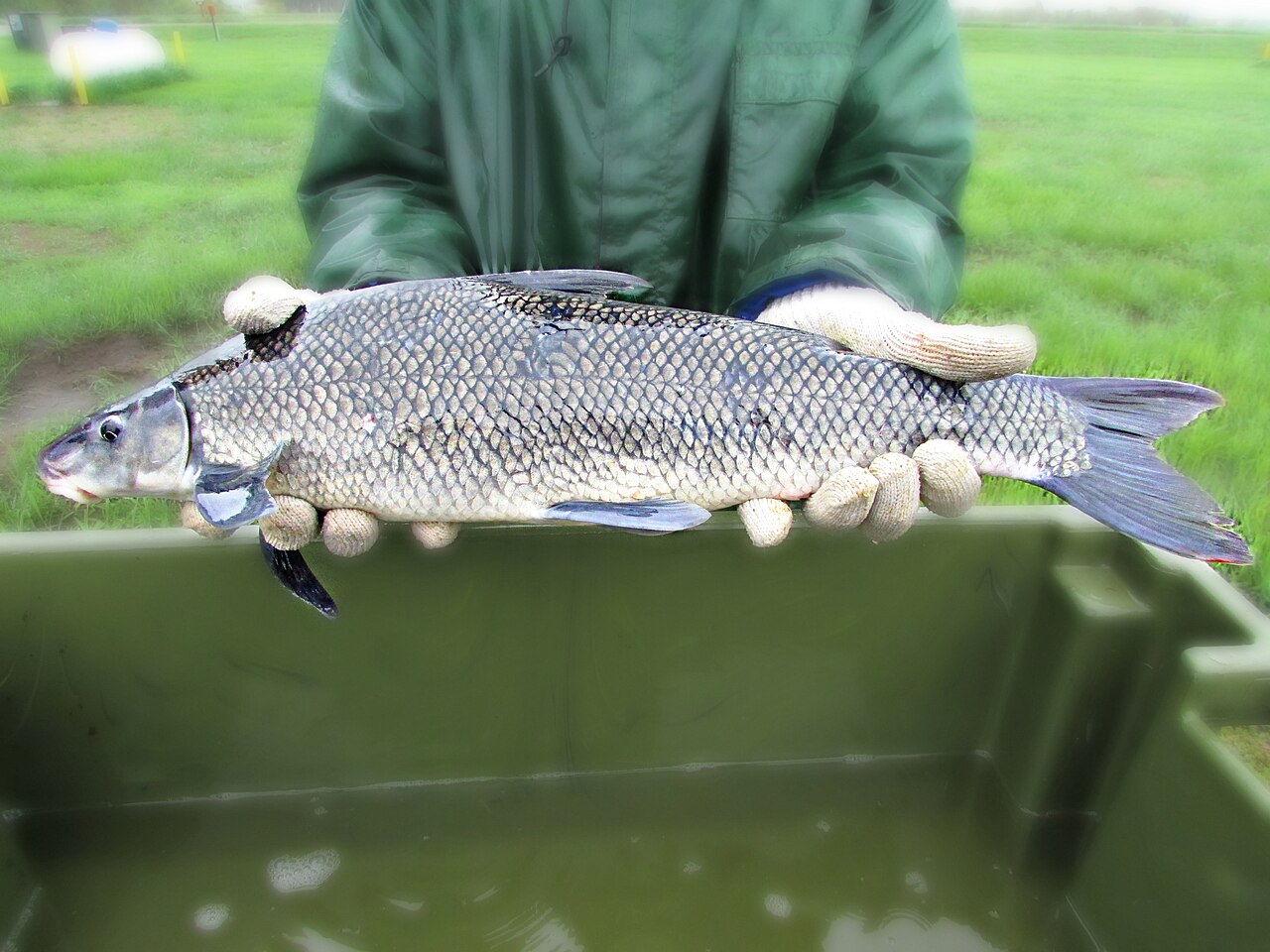
Scientists long believed the bluish blue sucker of the Missouri River in the United States lived 40 years at most. A new study published in the journal Communications Biology has found that some live for more than 130 years.
The researchers collected and examined about 50 blue suckers. More than 60 per cent of them were over 90 years old, and the oldest was 131.
To age the fish, they examined the otoliths, tiny calcium structures inside the ear. Like the rings of a tree trunk, otoliths lay down a new layer every year, and counting the layers under a microscope gives the fish's age.
The researchers checked their counts using a trace left by nuclear weapons tests. Tests in the late 1950s and early 1960s more than doubled the amount of radioactive carbon-14 in the atmosphere, and the signal remains in living tissue. Analysing it in the otoliths allowed the scientists to confirm their age estimates.
The worrying finding is that while the river holds many old fish, it has very few young ones. Since large dams were built on the Missouri in the middle of the last century, the number of new fish has tended to fall, and the researchers think the fragmentation of the fish's habitat by the dams is one likely reason.
A fish that has lived through more than a century of change on the river and of human activity now faces doubts about whether its next generation will survive.
Photo: Spencer Neuharth, USFWS / Wikimedia Commons (public domain)
Source: Prothom Alo




Comments
(0)