
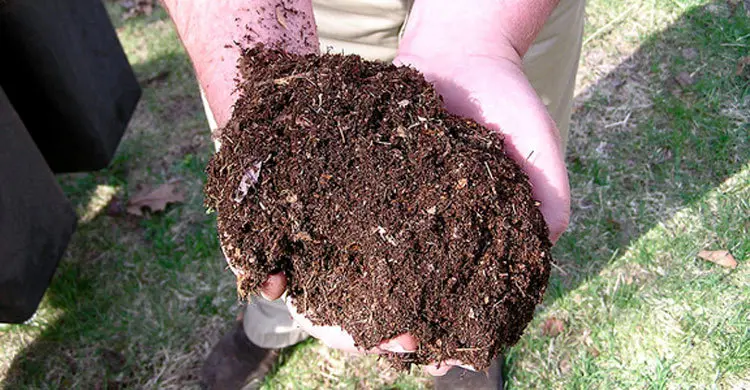
Biofertiliser is a microbial fertiliser. In pulse and oilseed crops such as lentil, chickpea, mung bean, black gram, yardlong bean, soybean and groundnut, it meets the need for nitrogen, and therefore for urea. It was developed as an alternative to urea by the Bangladesh Institute of Nuclear Agriculture (BINA), and is now being produced and supplied to farmers.
Benefits
- It fixes nitrogen from the atmosphere and supplies the crop's most essential nutrient, raising yields and the protein content of the grain.
- It releases a plant-growth-promoting biochemical substance called hormone, which greatly helps plant growth.
- The microbes in the fertiliser release a chemical called phytotoxin that destroys disease-causing organisms, so there is less disease and yields rise.
- It improves the soil. Cultivation usually makes soil acidic; the action of these microbes releases chemicals that raise soil pH, increasing fertility.
How to use it
- Mix 50 grams of molasses with every kg of seed to give the seed a sticky coating.
- Mix biofertiliser at 50 grams per kg of the coated seed, so that each seed gets a black coating of biofertiliser.
- Sow the black-coated seed in cool hours, that is before 9am and after 4pm on hot days, so that the microbes are not killed by heat and a good yield follows. After sowing, harrow the field well so the seed goes under the soil.
- Seed treated with pesticide should be washed and dried a little before the biofertiliser is applied.
Where to get it
The fertiliser is available at BINA's head office in Mymensingh, at BINA sub-stations in Rangpur, Ishwardi, Magura, Satkhira and Cumilla, and at the BINA annex farm in Jamalpur. Farmers anywhere in the country can also get it by contacting the district and upazila offices of the Department of Agricultural Extension.
Source: Jagonews24. First published in Bengali on The Agro News.

Comments
(0)