
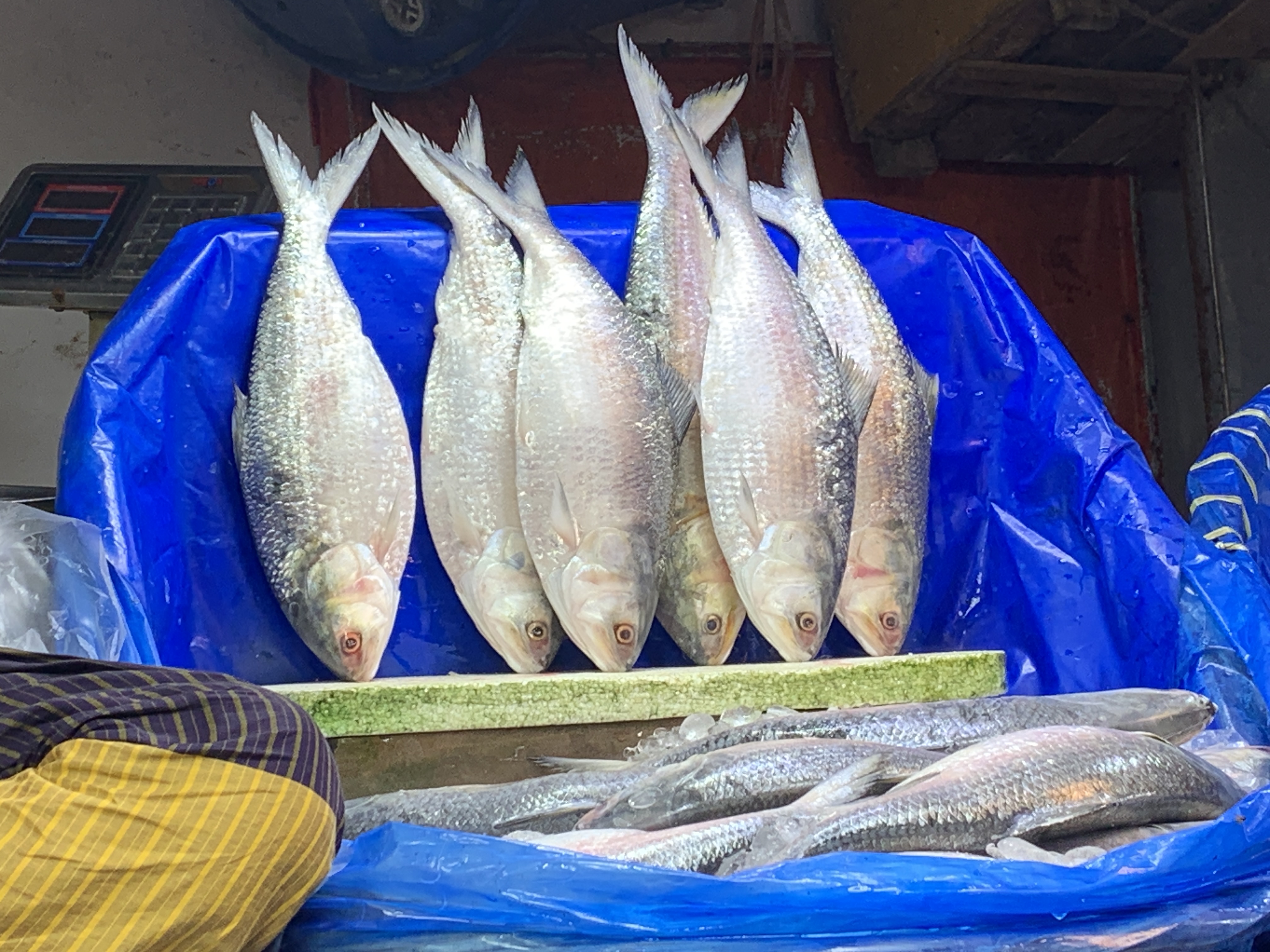
Hilsa supply in Bhola's markets rose somewhat in the last week of August 2025, but prices did not fall. Jagonews24's Bhola correspondent visited the kitchen market in Bhola town around midday on Tuesday, 26 August, and found retailers selling hilsa brought from Tulatuli, Ilisha Junction, Bholar Khal, the Nasir Majhi fish landing and other landings. Fish of every size were on offer, from one kilo down to 200 grams. The market was crowded, but buyers were unhappy with the prices, and many could not afford the size they wanted.
What each size cost
Retailers Md Joynal and Md Juyel Byapari said jatka, or small juvenile hilsa, was selling at Tk 600 to 700 a kg that day. Fish of 600 to 900 grams cost Tk 1,400 to 2,200 a kg, and hilsa of a kilo or more sold for Tk 2,500 to 2,700.
Buyers Md Iqbal Hossain, Khairul Alam and Khushi Akter said they had wanted fish of 900 grams to a kilo but could not afford them, and settled for 600 to 700-gram fish at Tk 1,700 a kg. Aklima Begum, Harun-or-Rashid and Shanta Rahman said sea-caught hilsa was about Tk 500 a kg cheaper, but they did not buy it because it is less tasty.
Farzana Begum, Toyebur Rahman and Md Helal complained that a large part of the country's hilsa, more than 33 per cent by their account, is caught in Bhola, yet prices there were higher than in Dhaka, Chandpur and Barishal. In their view, prices at the height of that season were higher than in earlier years.
High prices at the landings and pressure from advances
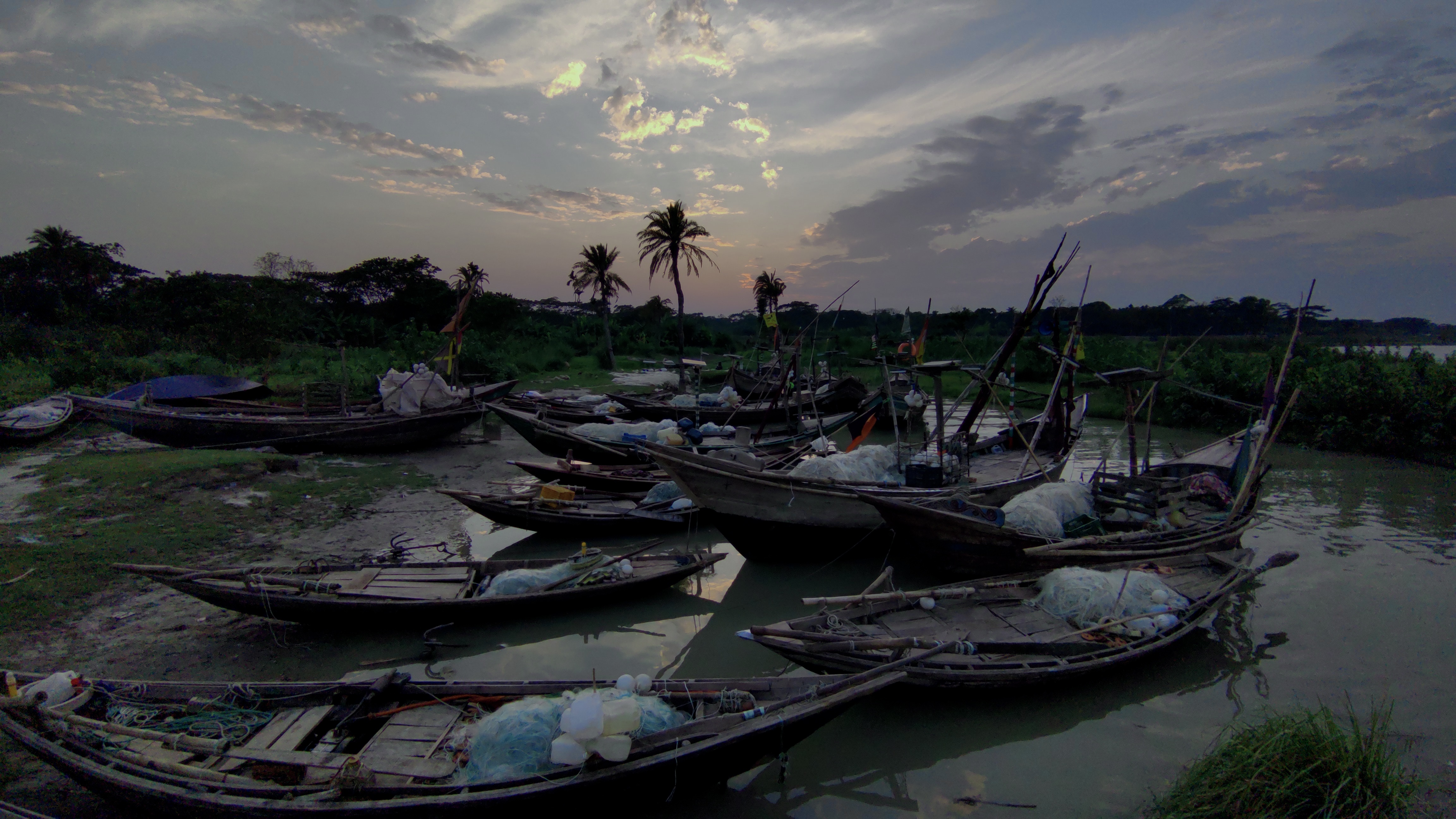
Seller Md Mohiuddin said supply had risen a little, but demand was high, so prices at the landings had not come down. Retailers were buying at high prices at the landings and selling for Tk 100 to 200 a kg more in the market.
Md Kamal Byapari and Manju Islam, traders at the Tulatuli fish landing in Bhola Sadar, said they had taken dadon, cash advances, from wholesale traders in Dhaka, Barishal and Chandpur and lent it to fishers. Those wholesalers were pressing for fish, but supply had not risen much, so prices stayed high. They expected supply to grow the following week and prices to fall by Tk 300 to 500 a kg.
Bhola district fisheries officer Biswajit Kumar Deb said at the time that the peak hilsa season had begun and fishers were catching hilsa well. He expected the catch to grow within a few days, giving fishers the quantities they wanted and bringing prices down.
Why the catch was falling
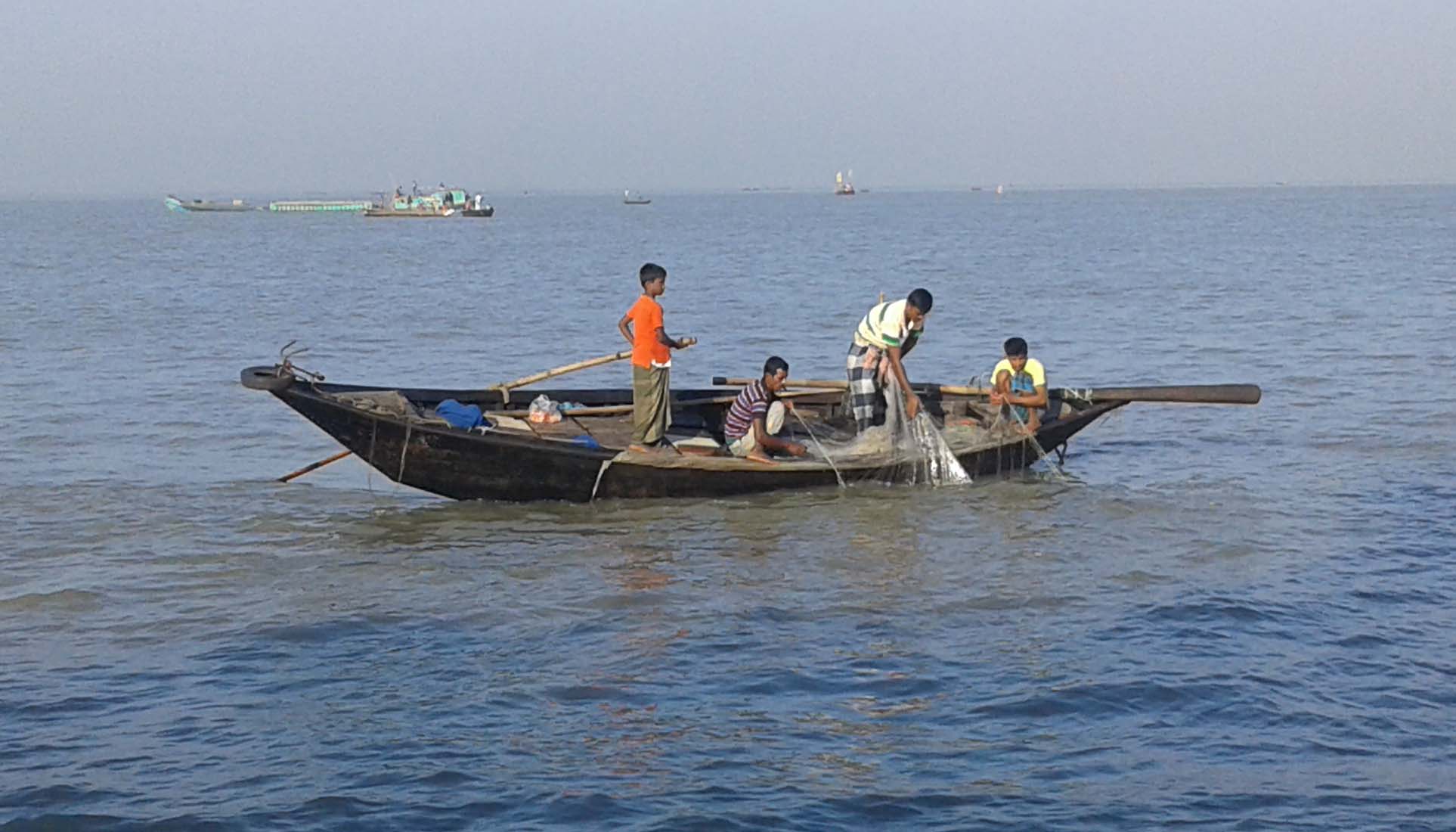
Bhola is Bangladesh's largest island, with the Meghna to its east and the Tentulia river to its west. Hilsa is the national fish and makes up about 12 per cent of the country's total fish production. According to the Department of Fisheries, the hilsa catch was 571,000 tonnes in 2022-23 and 529,000 tonnes in 2023-24. The country's hilsa sanctuaries include the river stretches from Madanpur to Char Piyal in Bhola (90 km) and from Bheduria in Bhola to Char Rustam in Patuakhali (100 km).
Prothom Alo reported on 21 August 2025 that sandbars in the Meghna and Tentulia estuaries were blocking hilsa migration, and that the Department of Fisheries had identified 17 such points in the Meghna, Tentulia and Padma across seven districts including Bhola. The Daily Star reported the same day that Barishal division landed 10,876 tonnes of hilsa in July 2025, against 15,470 tonnes in July 2024, and that fishers from Bhola's Nasir Majhi village were returning from the Meghna with only a few kilos. The Business Standard reported on 25 August that hilsa of over a kilo was then selling for Tk 2,200 to 2,600 a kg in Dhaka.
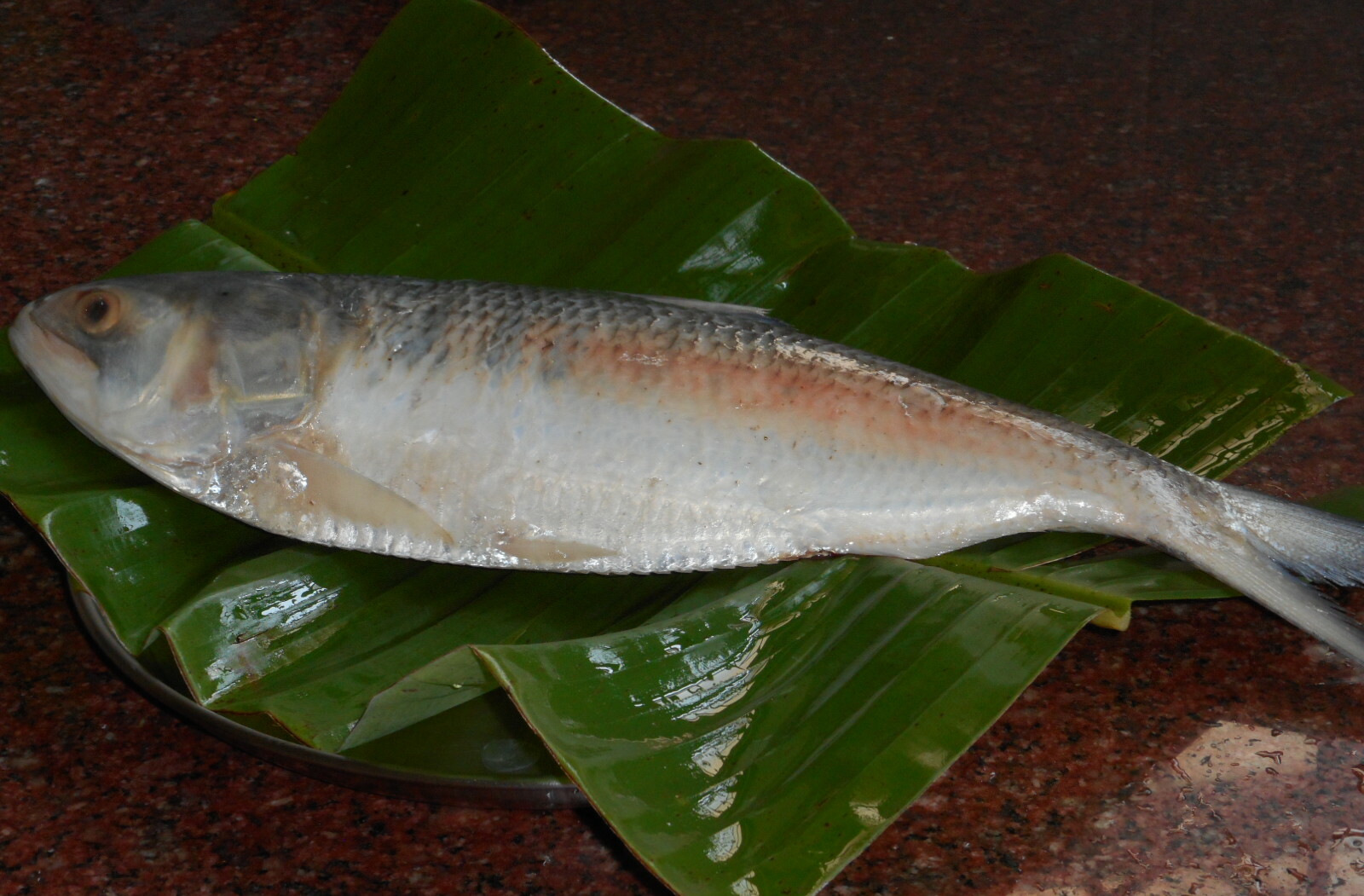
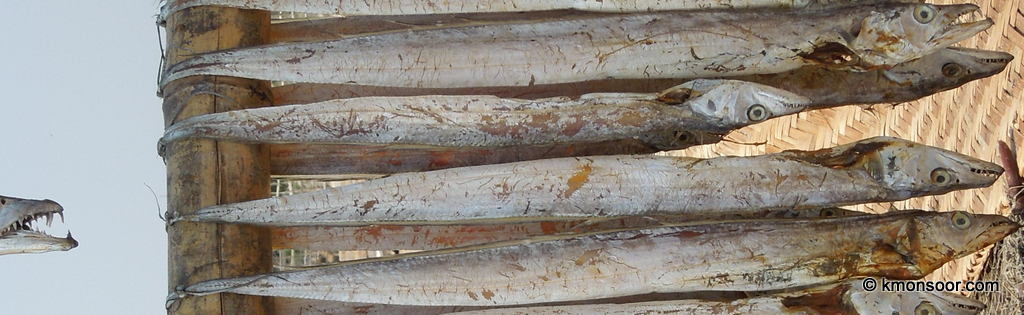
Photo: DelwarHossain / Wikimedia Commons (CC BY 4.0)
Sources: Jagonews24, Prothom Alo, The Daily Star, The Business Standard, Wikipedia
Comments
(0)