
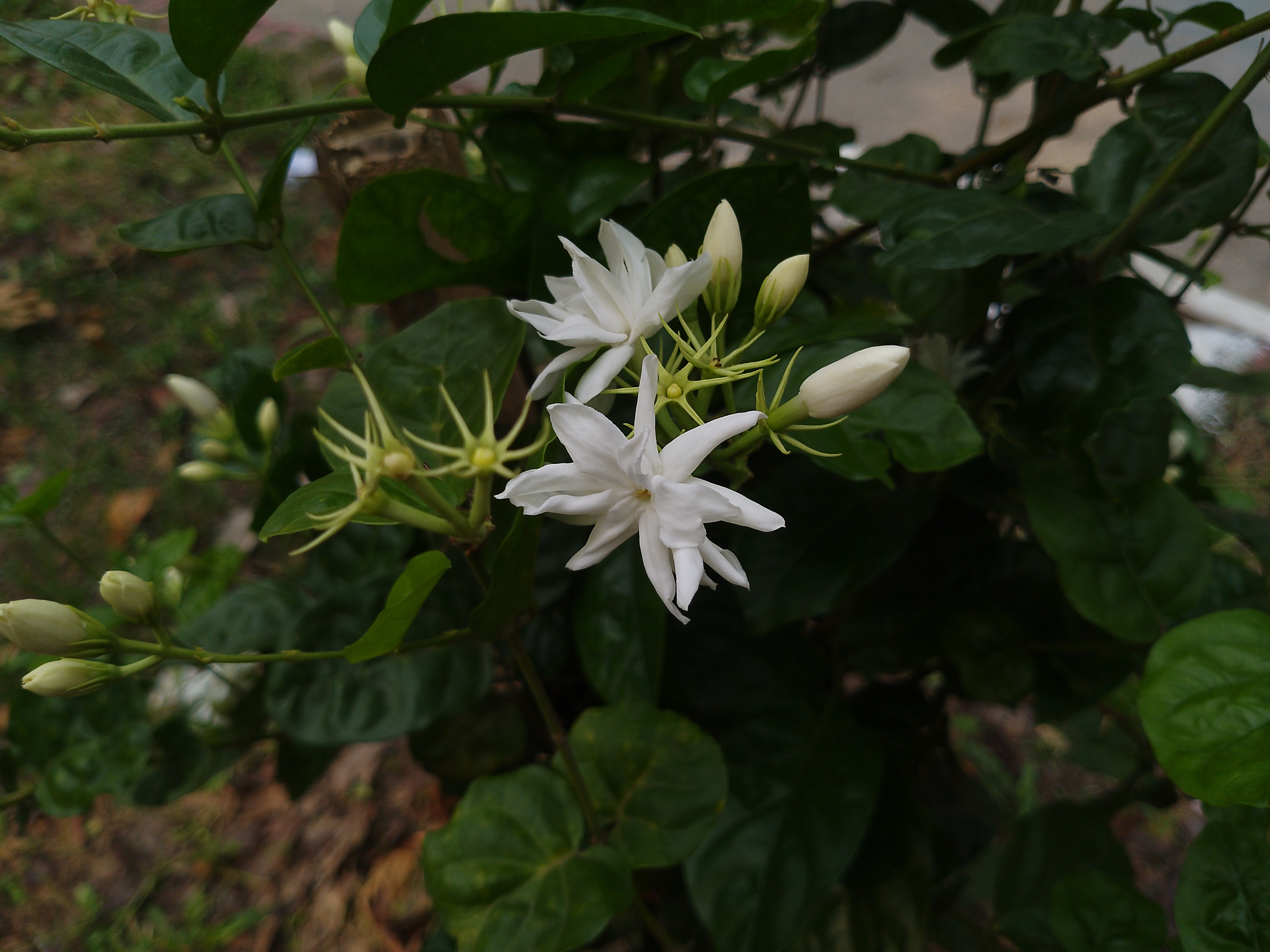
On 1 July 2025 The Agro News published tips on using beli, or Arabian jasmine (Jasminum sambac), in home-made face packs, mixing the flowers with aloe vera, honey, yoghurt or milk cream. No tests on people support the claim that such packs firm the skin or remove wrinkles, and jasmine flower extracts carry a documented risk of skin allergy. Anyone trying a flower pack should patch-test it first and see a doctor if they have a skin condition.
What beli is
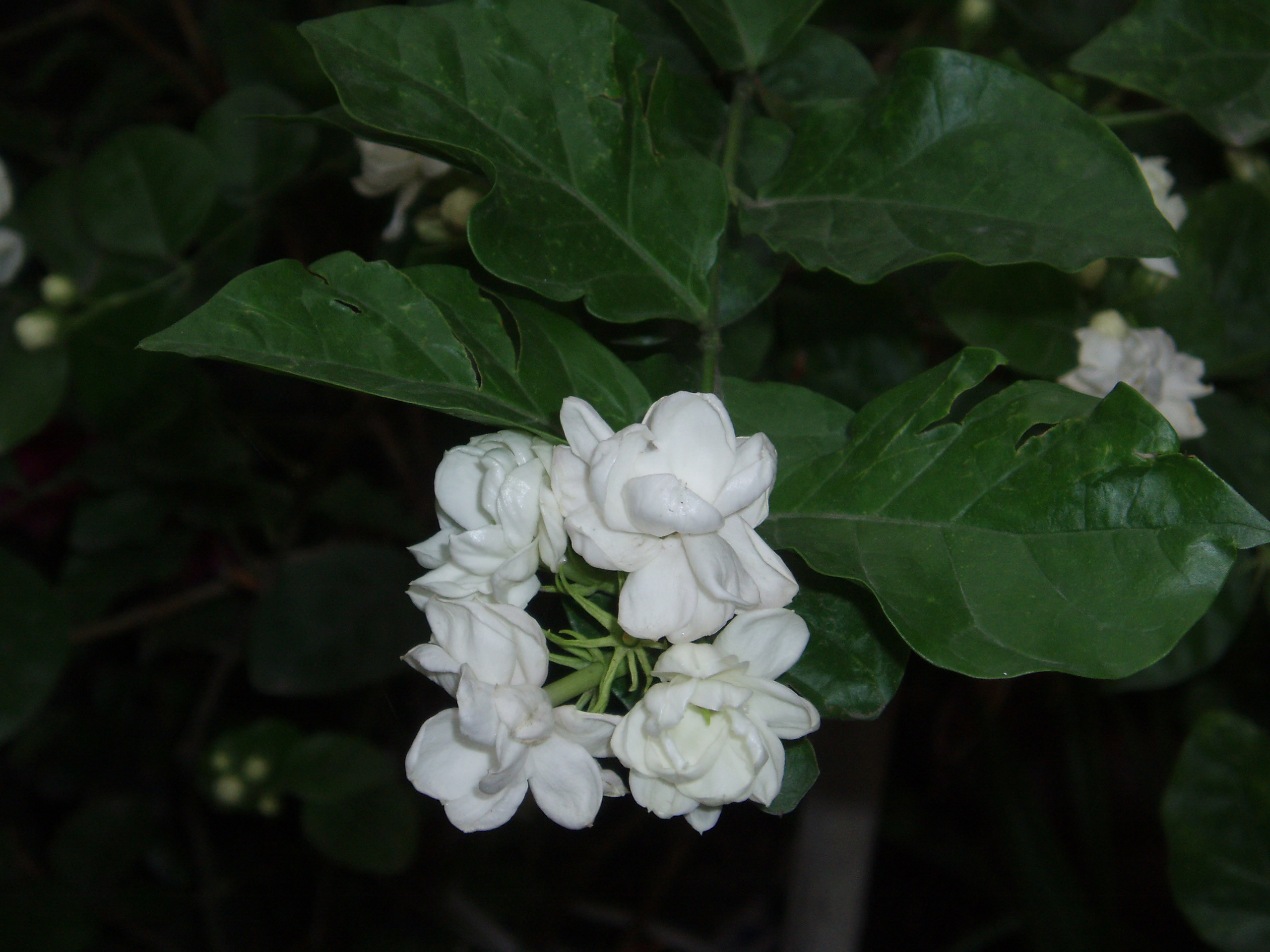
Beli is a shrub or climbing vine of the olive family, Oleaceae, known in English as Arabian jasmine, in India as mogra and in the Philippines as sampaguita. According to Wikipedia, it is native to Bhutan and India and grown across West, South and Southeast Asia. The plant usually reaches 0.5 to 3 metres. Its white flowers, 2 to 3 centimetres across, typically open between 6 and 8 in the evening and close the next morning. It is the national flower of the Philippines, adopted in 1934, and one of Indonesia's three national flowers.
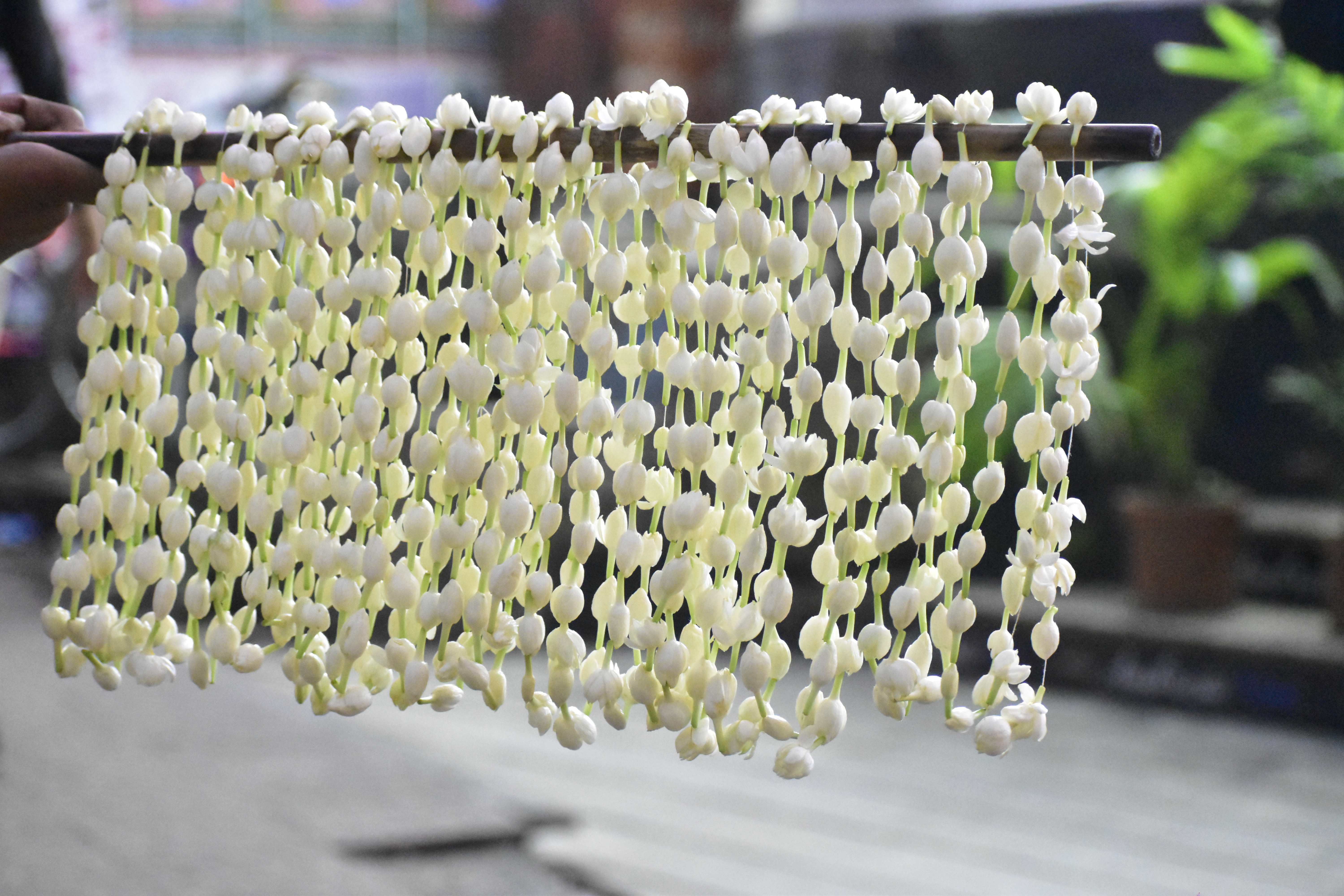
In Bangladesh beli blooms in clusters in summer and the monsoon. It is mainly an ornamental flower, widely strung into garlands and bouquets and also used in perfume and jasmine tea. Cultivated plants generally do not set seed, so new plants are raised from cuttings, layering and other asexual methods.
The packs in the report, and what research shows
The report suggested crushing beli flowers with aloe vera juice and honey, or blending them with yoghurt, and applying the mix to the face. Another method steeped the petals in boiling water for three to five minutes, strained them and made a paste with milk cream. The report claimed these packs make skin firm and smooth, ease dryness and remove wrinkles. It also advised washing the flowers well, never applying them alone, and using a pack fresh, as a kept pack can grow germs.
No health authority guidance or human trial was found for these claims. A 2022 study in the journal Antioxidants (Ceccacci and colleagues) tested a water-and-alcohol extract made from Jasminum sambac cells grown in a laboratory. In skin cells called keratinocytes the extract reduced the production of reactive oxygen species, cut the formation of advanced glycation end products (AGEs) and increased type I collagen production. These were laboratory and isolated-tissue tests, not trials of flower packs on people.
The US National Center for Complementary and Integrative Health (NCCIH) says aloe gel used on the skin is generally well tolerated, but there have been occasional reports of burning, itching, rash and eczema.
Allergy risk and the patch test
In a June 2012 opinion on fragrance allergens in cosmetics, the European Commission's Scientific Committee on Consumer Safety (SCCS) listed extract of two jasmine species, Jasminum grandiflorum and Jasminum officinale, as an established contact allergen in humans. Jasminum sambac flower extract was listed among established contact allergens in animals. In a 2009 study cited in the opinion, 1.1 per cent of 4,447 patients patch-tested with jasmine absolute reacted positively.
The American Academy of Dermatology (AAD) advises testing any new skin product this way:
- Choose a spot about the size of a large coin on the underside of the arm or the bend of the elbow, where the product will not be rubbed or washed away.
- Apply the normal amount twice a day for seven to 10 days, and leave it on as long as you normally would.
- If after seven to 10 days there is no redness, itching or swelling, the product can be used.
- If a reaction appears, gently wash the product off as soon as possible and do not use it again; a cool compress or petroleum jelly can soothe the skin.
The AAD says a severe reaction that cool compresses or petroleum jelly do not relieve may need a dermatologist. Anyone with a skin disease or sensitive skin should ask a doctor before using a flower pack. No health authority supports the folk belief that eating beli roots, leaves or flower juice cures colds, worms, nausea or poor sleep; ask a doctor before taking any plant as medicine.
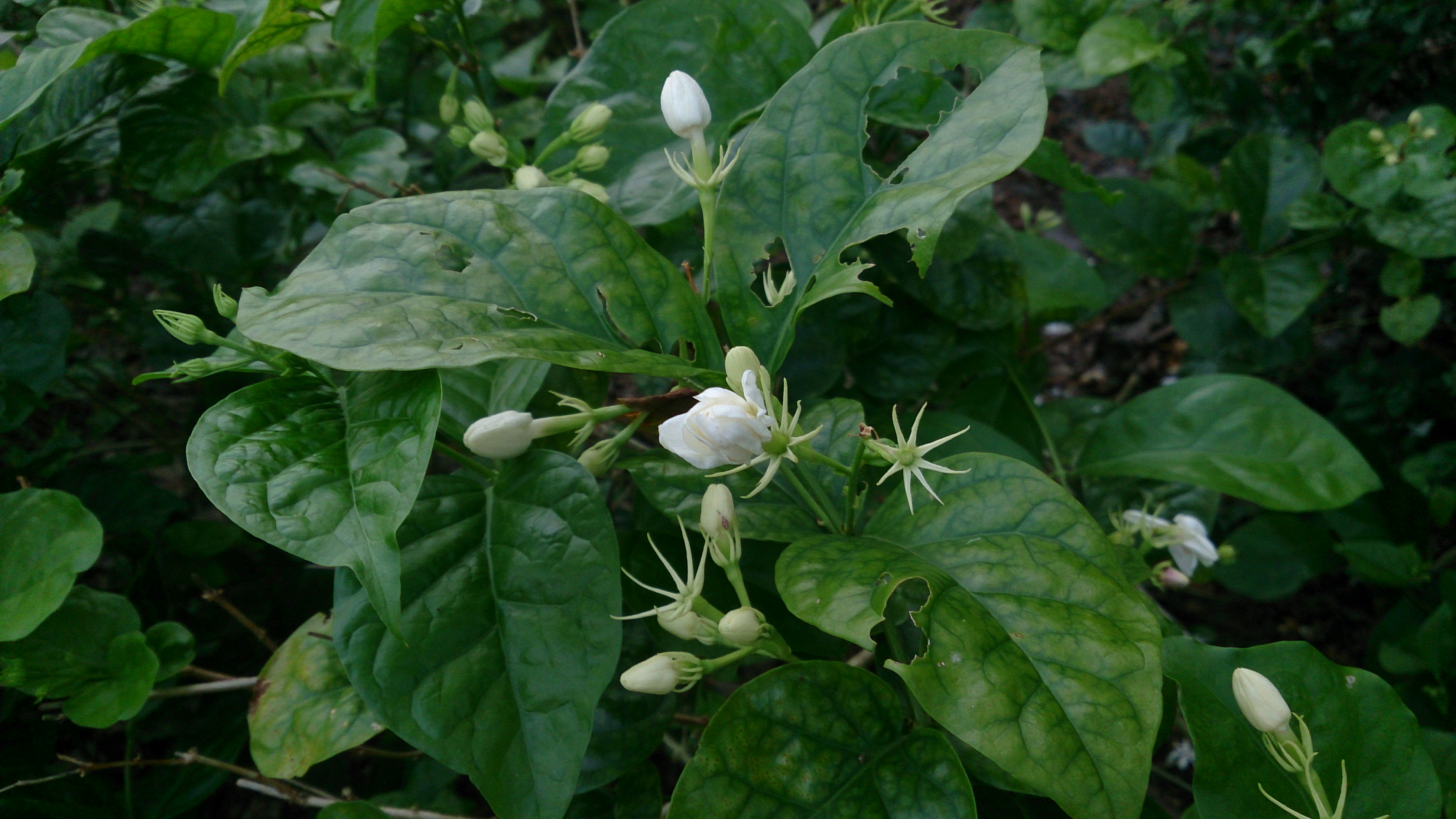
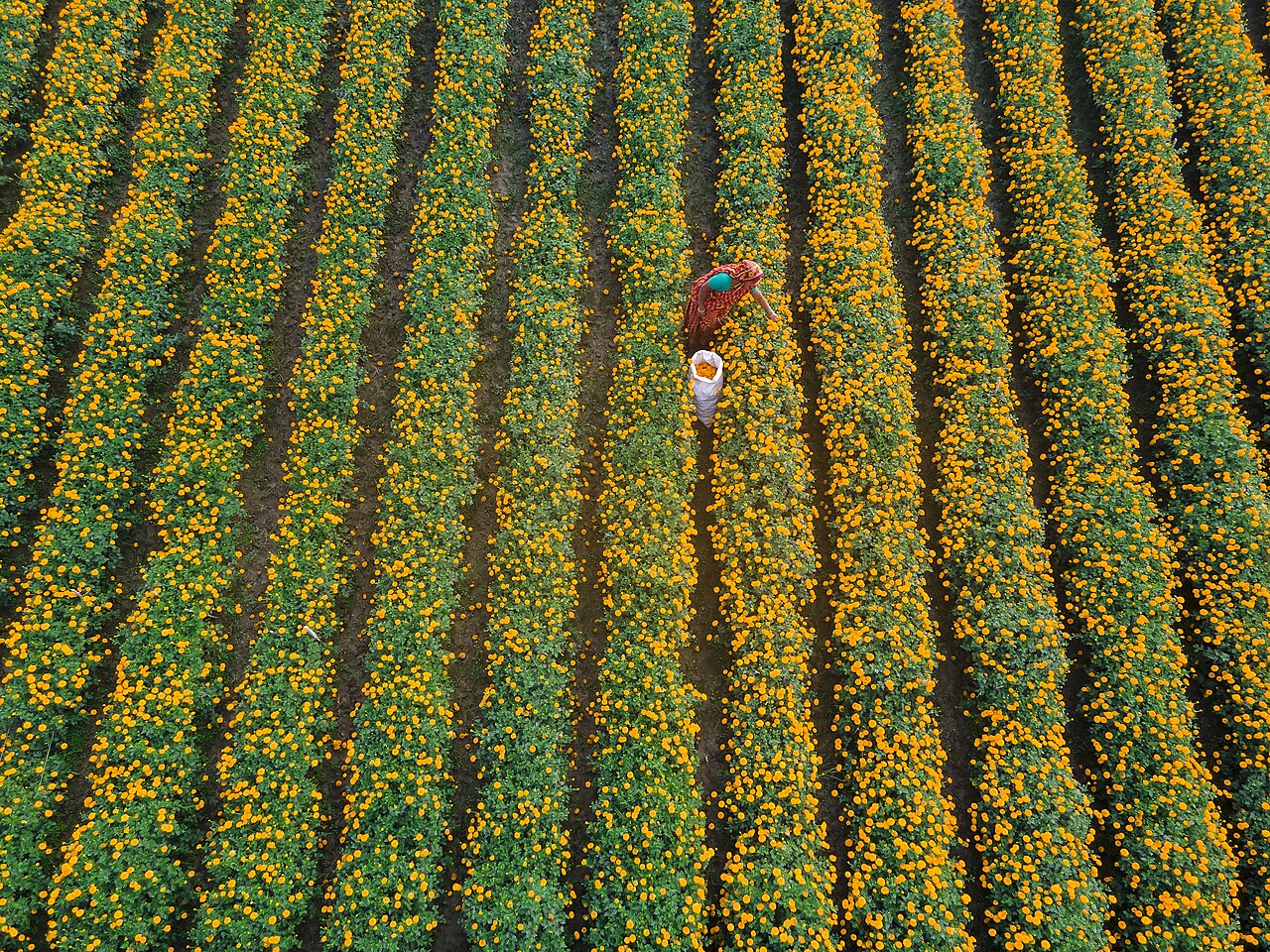
Photo: Tanvir Anjum Adib / Wikimedia Commons (CC BY-SA 4.0)
Sources: The Agro News, European Commission Scientific Committee on Consumer Safety (SCCS), American Academy of Dermatology, US National Center for Complementary and Integrative Health, Antioxidants journal, Wikipedia

Comments
(0)