

Flower farming began in this country long ago and has had considerable success as a cash crop. The beli flower is valued for its fragrance in the bouquets and garlands used at most events, which makes it a cash flower. So you too can grow the beli flower that is worn tucked in the hair.
Beli is propagated by air layering, ground layering and cuttings.
Soil and planting
Beli can be grown in all soils except sandy and heavy clay soil. The land should have irrigation and drainage. Plough it 4-5 times and harrow it until the soil is fine and level. Apply organic manure, urea, phosphate and MP when preparing the land. Plant seedlings about 1 metre apart. After planting, apply urea and irrigate.
Beli layers or seedlings can be prepared from late summer to the end of the rainy season. The distance between plants and between rows should be 50 cm. Dig holes, let the soil sun-dry, mix organic manure and wood ash into it and refill the holes, then set a beli layer in each hole. Planting during or towards the end of the rainy season is best, though with good irrigation layers can also be made in spring.
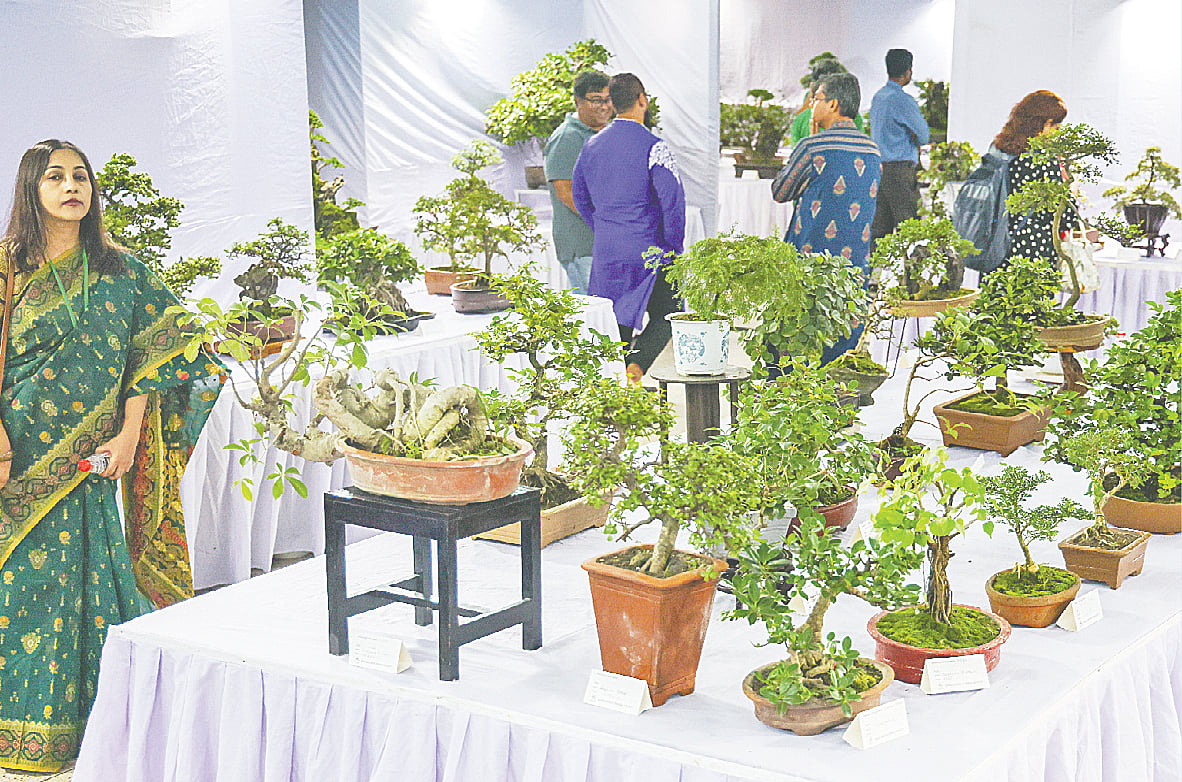
Beli can be grown in pots of loamy soil rich in organic matter, mixed with appropriate amounts of urea, TSP and MP fertiliser. Pots can be kept on a veranda or rooftop.
Irrigation, weeding and pruning
Beli fields always need moisture. Irrigate every 10-12 days in summer and every 15-20 days in winter, and in the rainy season give one or two irrigations as the land requires if the rains do not come on time.
Weeds must be cleared regularly from the field or pot. Spreading chopped straw on the ground reduces the need for irrigation and keeps weeds from growing much.
Beli plants need pruning every year, in mid-winter. Cut the plants back to 30 cm above the soil surface. Apply fertiliser to the field or pot a few days after pruning.
Pests and disease
Harmful insects are not often seen on beli, but pests can attack. Their attack leaves a white coating on the leaves, and affected leaves curl and roll up. Mites can be controlled by spraying the leaves with sulphur dust or sulphur-based miticides such as Sultaf and Kelthane. A fungal disease that leaves yellowish speckled spots on beli leaves can be controlled with Agrosan or Tracel-2.
Plants flower from February to July, and the yield increases every year. Climbing beli yields even more. Plants are usually cut down after 5-6 years and new seedlings planted.
Source: Staff Correspondent. First published in Bengali on The Agro News.
Comments
(0)