
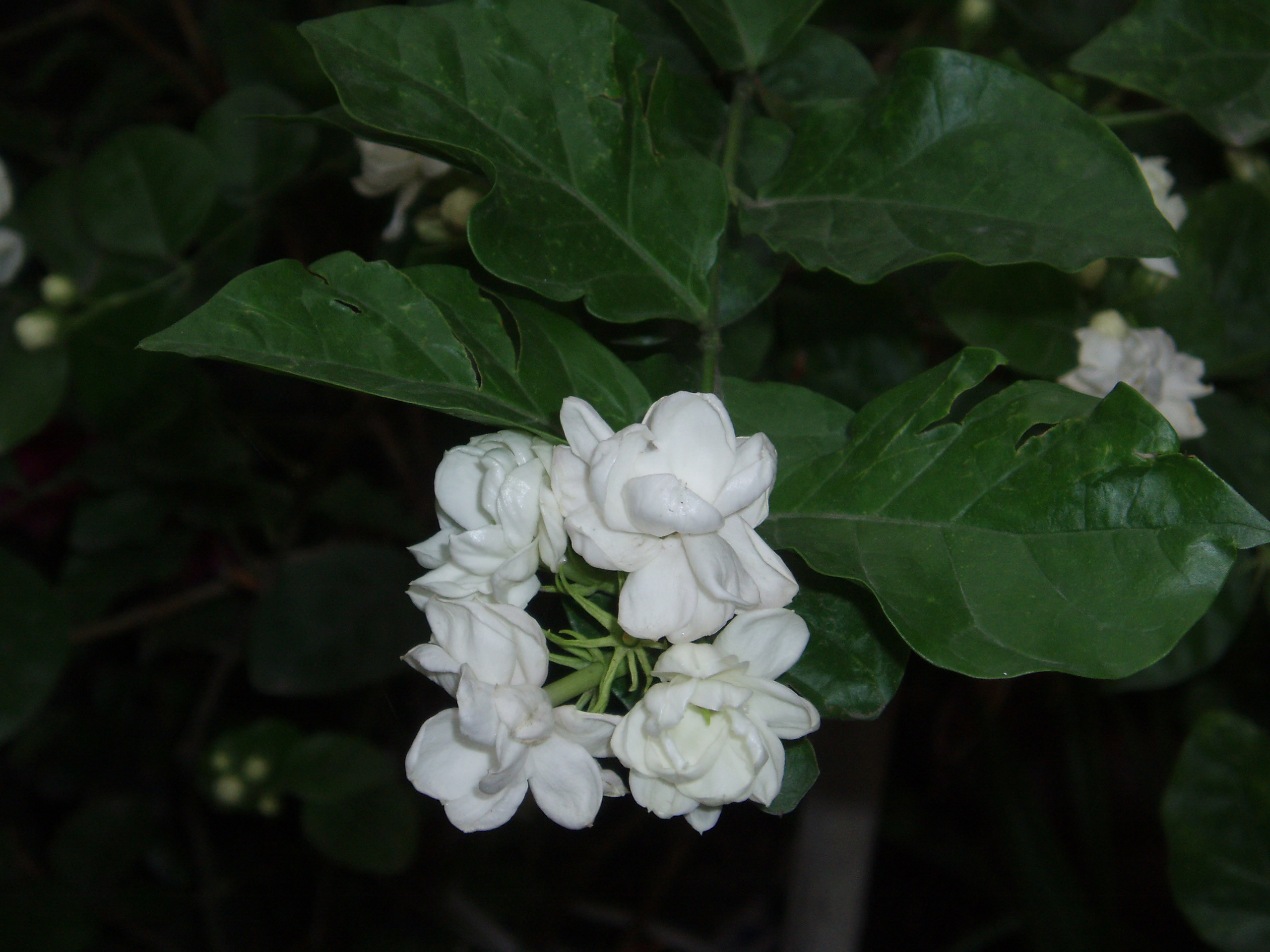
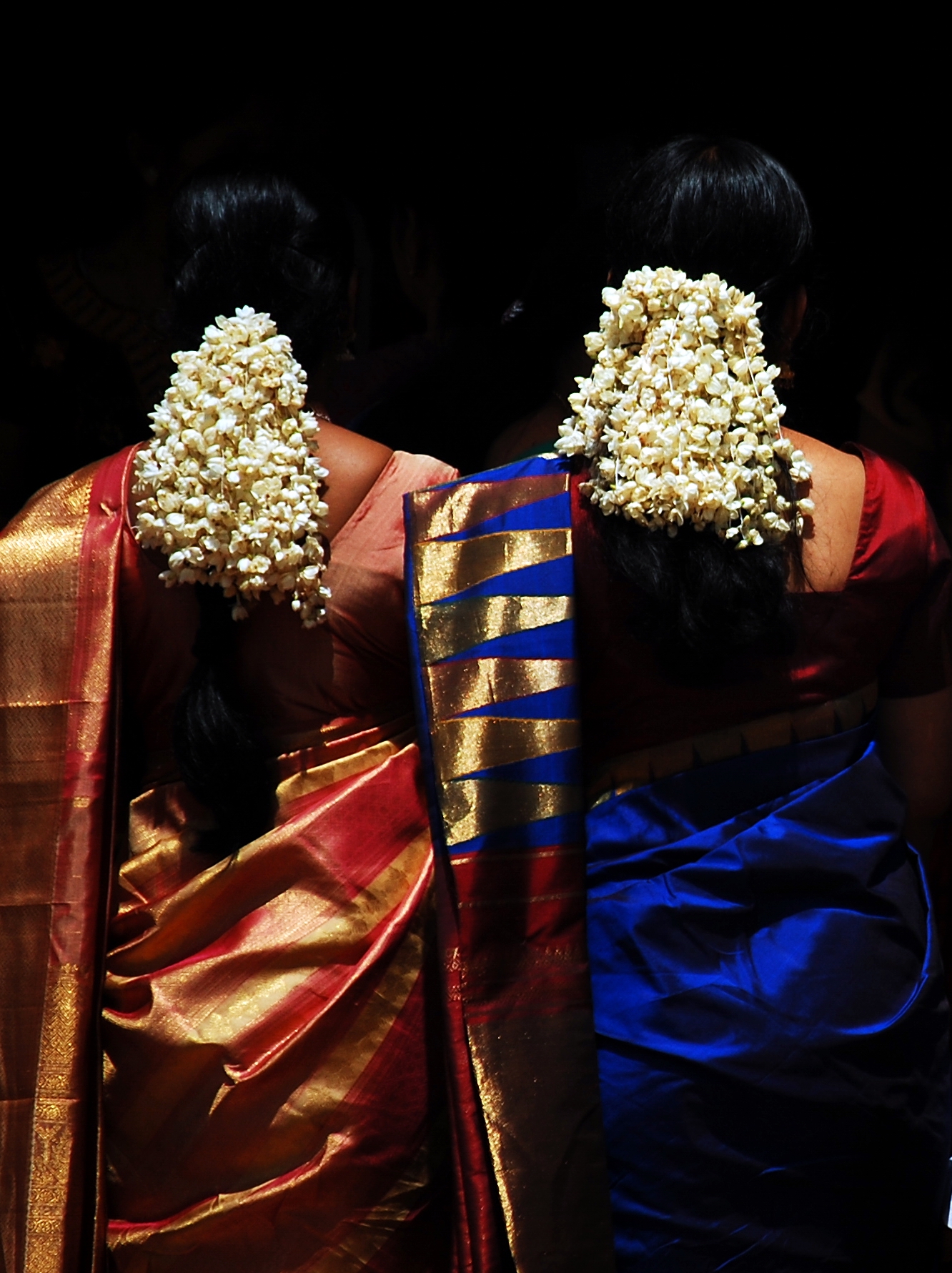
On rainy evenings in Asharh, flower sellers at Dhaka's street corners hold up strings of small white beli flowers. Prothom Alo's lifestyle pages described the scene in July 2019: women wear beli in braids, buns and headbands. The paper also noted the flower's weakness, which is part of its value: a beli string does not stay fresh for long.
Beli is prized for its fragrance in the bouquets and garlands used at most festivals and ceremonies in Bangladesh. The Agro News's original guide described it as more than a decorative plant: it had become a cash flower, grown commercially in nurseries in different parts of the country.
This guide explains what beli is, the three types found in Bangladesh, the soil and season it needs, how new plants are raised from layers and cuttings, how to plant it in the field and in pots, and how to weed, prune and protect it. The original guide's steps are checked against Banglapedia and the jasmine cultivation notes of India's National Horticulture Board (NHB), which draw on research at Tamil Nadu Agricultural University (TNAU) in Coimbatore. Where the sources give different figures, both are shown, and growers are pointed to their upazila agriculture office for advice that fits their own soil.
What beli is: Arabian jasmine
Banglapedia's list of garden flowers in Bangladesh places beli among the shrubs, under the scientific name Jasminum sambac and the English name Arabian jasmine. The same list separates it from its relatives in Bangladeshi gardens: kunda (Jasminum pubescens), another shrub; jui (Jasminum auriculatum) and chameli or Spanish jasmine (Jasminum grandiflorum), which are climbers. It also lists two plants that share the English word jasmine but are not true jasmines: shephali, or coral jasmine, and tagor, or cape jasmine.
Beli belongs to the olive family, Oleaceae. India's National Horticulture Board describes jasmines as climbing, trailing or erect shrubs, some evergreen and some deciduous, with fragrant flowers that contain "the oil of commerce".
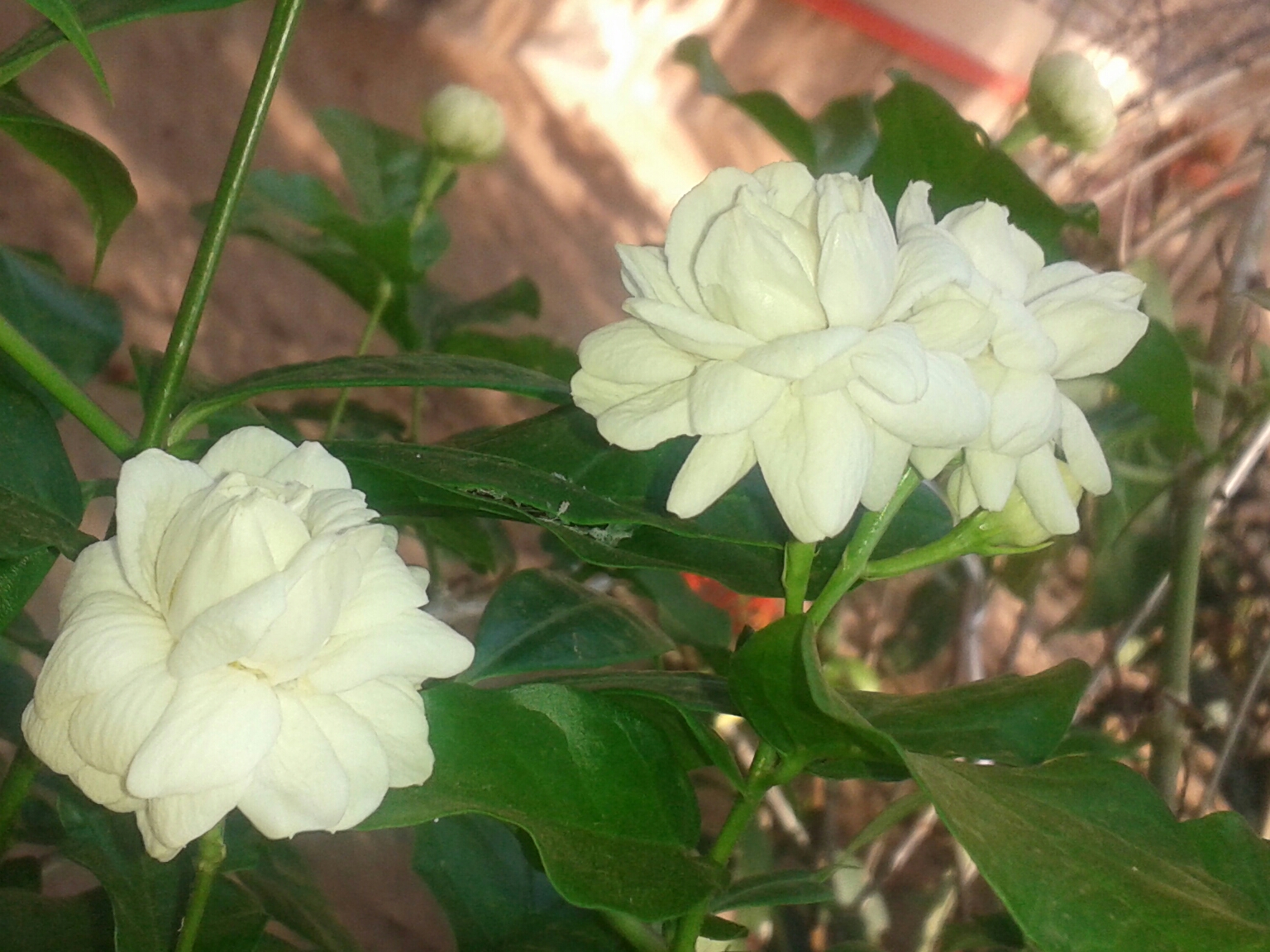
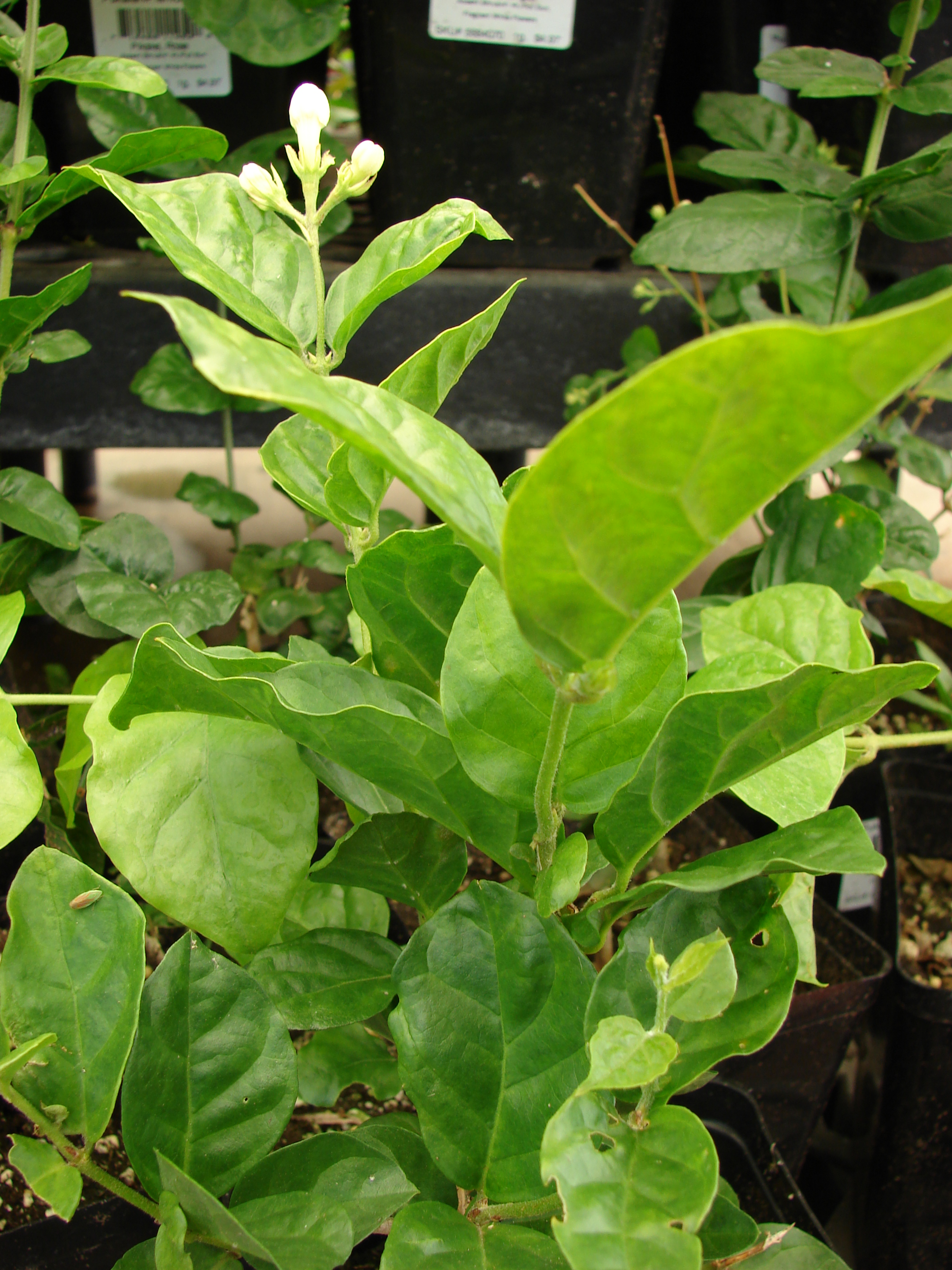
The English Wikipedia describes Jasminum sambac as an evergreen vine or shrub 0.5 to 3 metres tall. Its oval leaves are 4 to 12.5 centimetres long and grow opposite each other or in whorls of three. The flowers are white, 2 to 3 centimetres across with 5 to 9 lobes, and open at night, usually around 6 to 8 in the evening, closing again in the morning. The Bengali Wikipedia gives the plant's height in Bangladesh as about one metre, with hairy young branches and smooth, dark green leaves 4 to 8 centimetres long, and says it flowers in summer and the monsoon, with several flowers in each cluster.
The species is native to Bhutan and India and is now cultivated across West, South and Southeast Asia. In South Asia it is known as beli, mogra or mallige, and it is used in weddings and as a daily hair ornament. Under the name sampaguita it became the national flower of the Philippines through Proclamation No. 652, issued on 1 February 1934, and Indonesia recognised it as a national flower by presidential decree in 1993. Its flowers are used for jasmine tea, perfume and garlands, and the Bengali Wikipedia notes that jasmine oil from the flowers is commercially important.
Beli in Bangladesh's flower trade
Commercial flower growing in Bangladesh is young. The Daily Star (August 2016) and Prothom Alo (February 2020) both traced it to 1983, when a farmer named Sher Ali grew tuberose on 30 decimals of land at Godkhali in Jhikargacha upazila of Jashore.
By February 2020, Prothom Alo reported, 8,000 to 10,000 growers were farming flowers on around 3,500 hectares in that area, and the wholesale market at Godkhali was the source of 70 per cent of the country's flower supply. Gladiolus made up 45 per cent of the cultivation there, tuberose 25 per cent and rose 20 per cent. The same report put the number of people involved in the sector across the country at around four million, of whom around 30,000 were farmers.
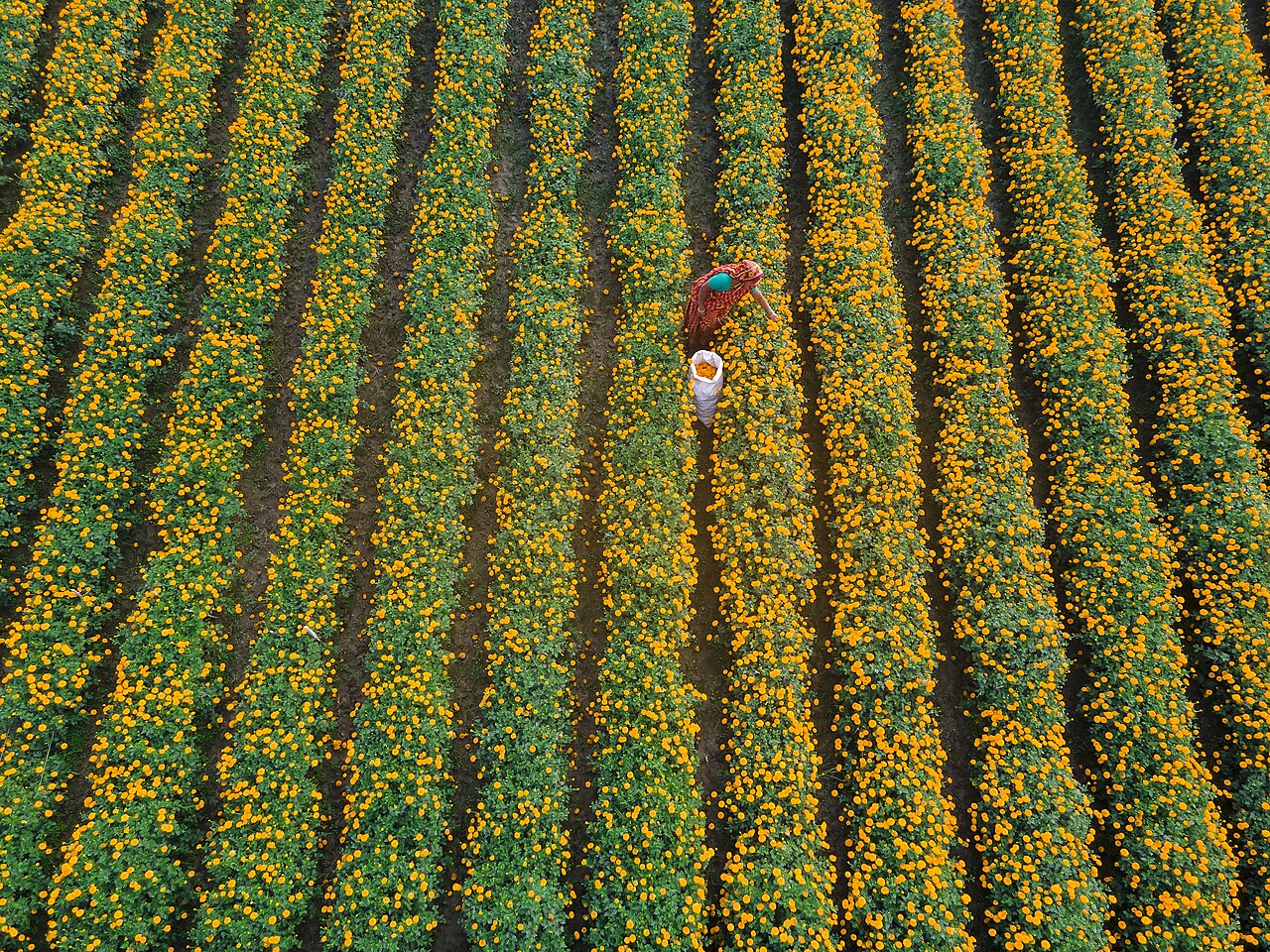
The Daily Star's 2016 report counted 20,000 flower farmers on about 10,000 hectares in 23 districts. The commercial flowers it named were marigold, tuberose, rose, gladiolus, gerbera, calendula and chrysanthemum. Banglapedia's article on floriculture gives a similar list of commercial cut flowers (rose, gladiolus, marigold, chrysanthemum and tuberose) and says jasmine is available only occasionally.
Beli therefore sells mainly as loose flowers, strings and garlands rather than as long-stemmed cut flowers. Banglapedia describes the country's floriculture as still in its early stage, with little scientific research or training behind it, and notes that the Bangladesh Agricultural Research Institute (BARI) has set up a Floriculture Research Centre.
Three types of beli
According to the original guide, three types of beli are found in Bangladesh, told apart by the form of the flower:
- Single: one layer of petals and the strongest scent.
- Medium double: a medium-sized flower with more than one layer of petals.
- Large double: a large flower with many layers of petals.
The Bengali Wikipedia lists the same three types. These are flower forms, not varieties released by a research institute in Bangladesh, and growers usually buy layers or cuttings of the type they want from a nursery.
In India, where jasmine has been bred commercially for longer, the NHB's variety notes list several Jasminum sambac varieties. Gundumalli has round flowers with good fragrance and an average yield of 7 to 8 tonnes of flowers per hectare. Ramban and Madanban are high-yielding varieties with long flower buds. Double Mogra has flowers with 8 to 10 whorls of petals and an excellent fragrance that the board compares to a white rose.
Soil, climate and planting season
The original guide says beli can be grown in all soils except sandy soil and heavy clay, and that the land should have arrangements for both irrigation and drainage. The NHB notes agree that jasmine grows on a wide range of soils, and name well-drained, rich loam with a pH of 6.5 to 7.5 as ideal.
For climate, the NHB lists mild winters, warm summers, moderate rainfall and sunny days as the ideal conditions. It says jasmines grow well up to 1,200 metres above sea level and that a well-distributed annual rainfall of 800 to 1,000 millimetres is best for growth.
On timing, the original guide says layers or seedlings can be prepared from the end of summer to the end of the monsoon. Planting is best done during the monsoon or towards its end, though where irrigation is good, layers can also be made in spring. The NHB's planting calendar is similar: in North India the ideal planting time is July to August, and again from the end of January to February; in South India planting can be done at any time between July and December.
Raising new plants: layering and cuttings
The original guide names three ways to raise new beli plants: air layering (gooti kolom), ground layering (daba kolom) and stem cuttings (dal kolom).
For ground layering, the NHB notes say layers are made in June and July in North India and from June to December in South India. Well-matured shoots about one year old are chosen, a shallow slanting cut is made in the part to be buried, and that part is buried 10 to 15 centimetres deep in the soil. Roots form in 90 to 120 days, after which the new plant can be cut from its parent.
Cuttings are the easiest method, the NHB says, and Jasminum sambac is best propagated from apical cuttings, taken from the tips of shoots. Cuttings 22 to 25 centimetres long with three or four nodes are planted in a rooting medium, buried more than 5 centimetres deep and spaced 7 centimetres apart. Cuttings taken between April and September root best, with the most rooting in cuttings planted in June. The board lists rooting hormones for softwood cuttings (IBA at 400 ppm and IAA at 1,000 ppm, applied to the base before planting). The rooted cuttings are ready to move to the field 4 to 5 months after planting.
Preparing the land and planting
The original guide's steps for field planting, with the NHB's pit method added, are:
- Plough and ladder the land four or five times until the soil is fine and level.
- Apply organic manure, urea, phosphate (TSP) and MP fertiliser while preparing the land. The original guide gives no amounts; the NHB notes that the dose depends on the soil's fertility and the organic manure applied, so ask the upazila agriculture office for a dose based on a soil test.
- Dig the planting holes and leave the dug soil in the sun. The NHB recommends pits of 45 centimetres prepared one month before planting and exposed to sunlight.
- Mix organic manure and wood ash with the pit soil and refill the pit, as the original guide advises. The NHB's mix, filled in a few days before planting, is farmyard manure, fresh soil and coarse sand in the ratio 2:1:1, watered so that it settles.
- Set one rooted layer or cutting in each pit, with its ball of soil in the centre, press the soil firmly around it and water immediately.
- After planting, the original guide advises a top dressing of urea followed by irrigation.
The sources differ on spacing. The original guide gives about 1 metre between plants in one passage and 50 centimetres between plants and between rows in another. TNAU, as quoted by the NHB, recommends 1.5 by 1.5 metres for Jasminum sambac in a commercial field. In the first years, the NHB says, the space between plants can be used for vegetables or ornamental plants as an intercrop.
On water, the NHB says adequate soil moisture is needed for growth and flowering. Plants are flood-irrigated once a week in the summer months, and after flowering no irrigation is normally needed until the next pruning and manuring.
Growing beli in pots
The original guide says beli can also be grown in pots, using loam rich in organic matter mixed with suitable amounts of urea, TSP and MP fertiliser. The pot can be kept on a veranda or a rooftop.
The other advice in this guide applies to pots too. The plant needs sun, since the NHB lists sunny days among jasmine's ideal conditions. Weeds should be pulled from the pot regularly, the plant should be pruned once a year in winter, and fertiliser should be added a few days after pruning, as the original guide advises for both field and pot.
Weeding, mulching and pruning
Weeds need attention in a beli garden. The original guide says they should be cleared regularly from the land or pot, and that spreading chopped straw on the soil reduces the need for irrigation and keeps weeds down. The NHB notes give the reason: weeds compete with the crop for nutrients. They add that mulching reduces weeds considerably, that weeding by hand works but is expensive, and that after pruning the soil 15 to 30 centimetres around the main stem should be stirred to a depth of 15 centimetres, repeated every two to three months.
Pruning matters most for flowering. The NHB says it influences the plant's growth, the formation of flower buds and, in the end, the number of flowers. The original guide advises pruning every year in mid-winter, cutting the plants back to 30 centimetres above the soil, and applying fertiliser a few days later.
The NHB's method is slightly different. Irrigation is usually stopped before pruning, the plants are pruned to half their length at 45 centimetres from the ground, all the leaves are stripped off, and the cut ends are smeared with Bordeaux paste to keep disease out. It says pruning between mid-December and mid-January gives the most branches and the highest flower yield.
Pests and diseases
The original guide says harmful insects are rarely seen on beli, but mites can attack. Their attack leaves a white coating on the leaves, and the affected leaves curl and roll up. The NHB notes describe mites attacking the underside of jasmine leaves, which turn yellow and drop. The original guide advises sulphur dust or a sulphur-based miticide; the NHB lists a spray of wettable sulphur at 0.3 per cent.
The NHB notes name other jasmine pests that growers should recognise:
- Bud worm: a greenish larva with a black head that bores into immature buds and feeds on the flower parts.
- Gallery worm: a pest that webs together the leaves and shoots at the tips of branches.
- Root-knot nematode: causes severe stunting; branches dry and yellow leaves drop early. The NHB lists neem cake at 1 tonne per hectare among the controls.
The original guide also describes a fungal disease that leaves yellowish spots on beli leaves. The NHB lists three jasmine diseases in more detail. Leaf blight, caused by Cercospora and Alternaria fungi, makes reddish-brown round spots that spread quickly in the rainy season; the leaves curl and dry from the edges. Rust forms yellowish-orange pustules on the underside of the leaves, young twigs and flower buds. Wilt appears in patches and turns the roots black. Among the controls the NHB lists are Bordeaux mixture at 0.1 per cent for leaf blight, pruning of infected branches or copper oxychloride (0.3 per cent) or mancozeb (0.2 per cent) for rust, and drenching the soil around the plant with 1 per cent Bordeaux mixture for wilt.
This rewrite leaves out the brand names the original gave for chemical control. One of them, Kelthane, is a trade name of dicofol, an organochlorine miticide related to DDT. In May 2019 the parties to the Stockholm Convention listed dicofol in Annex A for elimination, with no exemptions for production or use. Growers should ask the upazila agriculture office which miticides and fungicides are registered for use, and follow the label.
Harvest, yield and where to get help
According to the NHB, jasmine starts flowering six months after planting, but commercial yields come from the third year. For fresh flowers, fully developed but unopened buds are picked by hand early in the morning and handled carefully during harvest and transport.
Yields vary with the variety and the care the crop gets. TNAU figures quoted by the NHB put the flower yield of Jasminum sambac at between 739 and 8,129 kilograms per hectare. A jasmine plantation lasts 10 to 15 years, and the NHB advises replanting the whole plantation after 15 years.
Before sale, buds are graded by shape, size and freshness. The NHB says bamboo baskets covered with wet gunny bags are used for local markets, and corrugated cardboard boxes for distant markets.
Most of the published research on jasmine cultivation comes from India, so local advice is worth having before starting a commercial plot. Growers can contact the upazila agriculture office of the Department of Agricultural Extension (DAE) for soil testing, fertiliser doses and approved pesticides, and the Floriculture Research Centre of BARI for questions on flower crops.
Photo: Fanghong / Wikimedia Commons (CC BY-SA 3.0)
Sources: The Agro News (Staff Correspondent), National Horticulture Board of India (jasmine cultivation notes, citing Tamil Nadu Agricultural University), Banglapedia, Prothom Alo, The Daily Star, Stockholm Convention Secretariat, Wikipedia
Comments
(0)