
The number of days each year on which temperatures reach 50 degrees Celsius has doubled compared with the 1980s, according to an analysis by the BBC.
This is happening in more regions of the world than before, with an unprecedented impact on people's health and way of life.
What the analysis found
The analysis says the number of days reaching 50C (122F) has increased in every decade since 1980. On average, between 1980 and 2009 the temperature exceeded 50C on 14 days a year. From 2010 to 2019 the figure was 26 days a year.
Over the same period, the number of days on which temperatures reached 45C or more rose by an average of at least two weeks a year.
Dr Friederike Otto, associate director of the Environmental Change Institute at the University of Oxford, commented: "The increasing trend (in temperature) can be 100% attributed to the increasing burning of fossil fuels."
Heat spreading beyond the Middle East
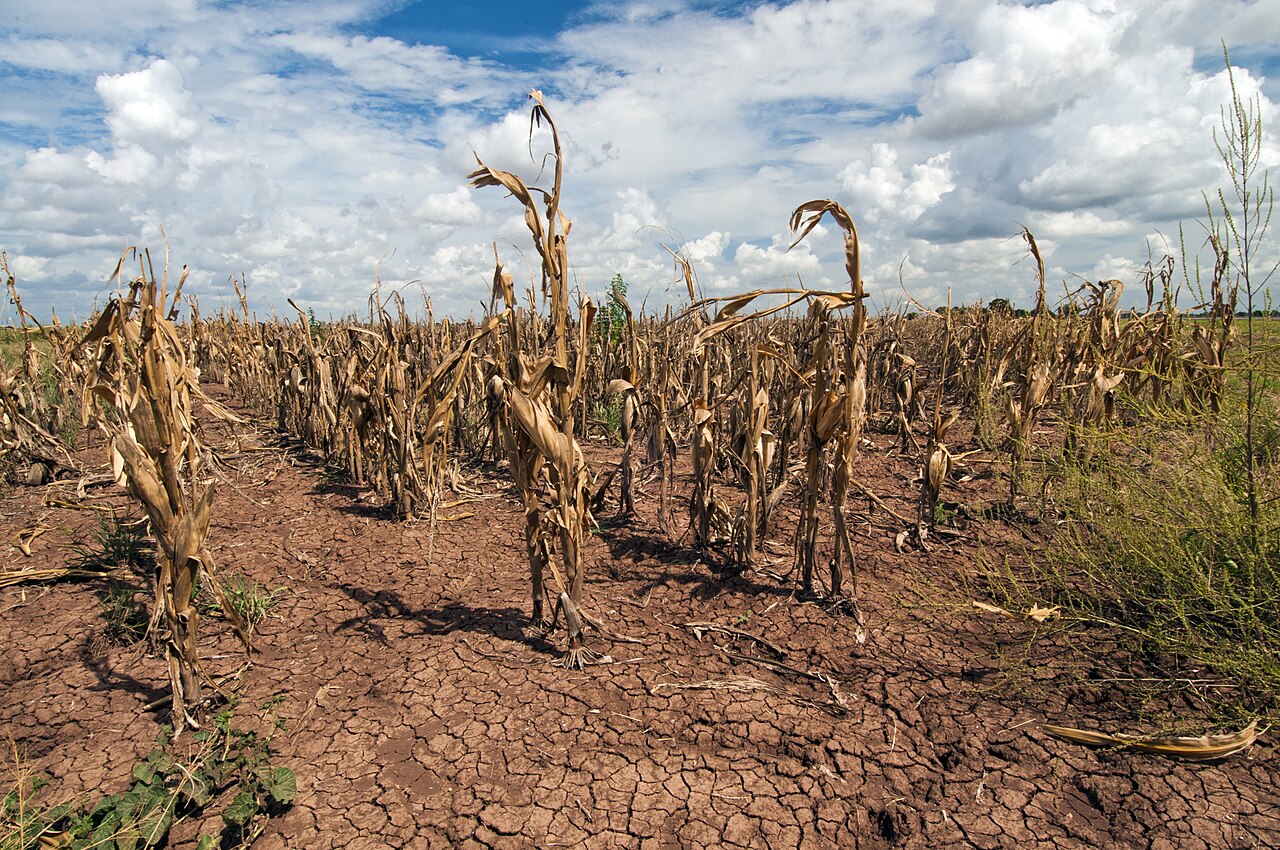
As the whole world warms, the likelihood of extremely high temperatures is steadily increasing. High temperatures are harmful to both people and the environment, and can also damage buildings, roads and power systems.
Temperatures of 50C are usually seen in the Middle East and the Gulf region. But after record temperatures were observed this summer in Italy (48.8C) and Canada (49.6C), scientists warned that unless fossil fuel use is reduced, temperatures above 50C could be felt in other parts of the world too.
Source: BBC Bangla. First published in Bengali on The Agro News.

Comments
(0)