
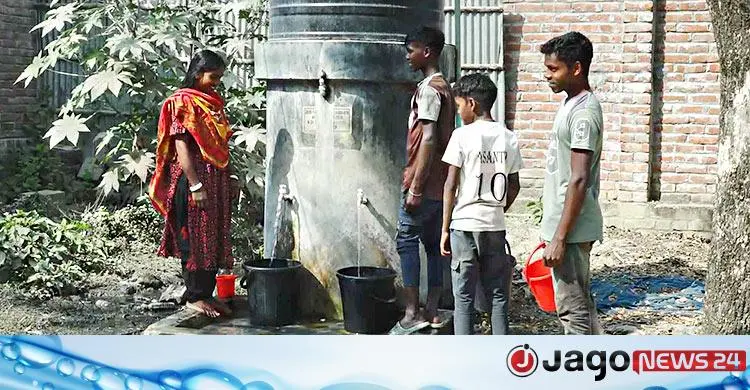
The groundwater table in the Barind area of Chapainawabganj is falling fast. Farmers face an irrigation crisis, while residents are suffering from a severe shortage of safe drinking water. The yearly fall in the water table has become alarming especially in Sadar, Nachole and Gomastapur upazilas, and people involved say it has raised new fears for future food production.
Farming in the Barind region depends mainly on groundwater. Long-term use of deep tubewells for excessive irrigation, irregular rainfall and the loss of reservoirs and canals are hampering natural recharge, so the water table is gradually falling. This directly affects crop production and people's daily lives.
Costs rise for farmers and households
Local farmers say that a few years ago water could be found at shallow depth. Now even tubewells sunk very deep do not give enough water, so irrigation costs far more than before. On top of the extra fuel needed to run irrigation pumps, the cost of sinking new deep tubewells is also rising, and production costs have multiplied.
The shortage of safe water has also become acute. Tubewells no longer draw water, so people must fetch water every day from distant deep tubewells, and some are forced to buy water from other sources. This puts pressure on their time, labour and money.
Abdul Jabbar, a resident of Hosendanga in Sadar upazila, said: "We used to get water easily from the tubewell next to the house. Now we often go round several tubewells and still find no water, so we have to fetch it from the deep tubewell. Women and children suffer the most."
A teacher named Iman Hossain said the soil of the Barind region is relatively hard and the natural flow of water is limited, so heavy extraction of groundwater makes the water table fall quickly. If effective steps are not taken now, crop production in the region could be badly damaged in future, he said.
Farmers turn away from rice
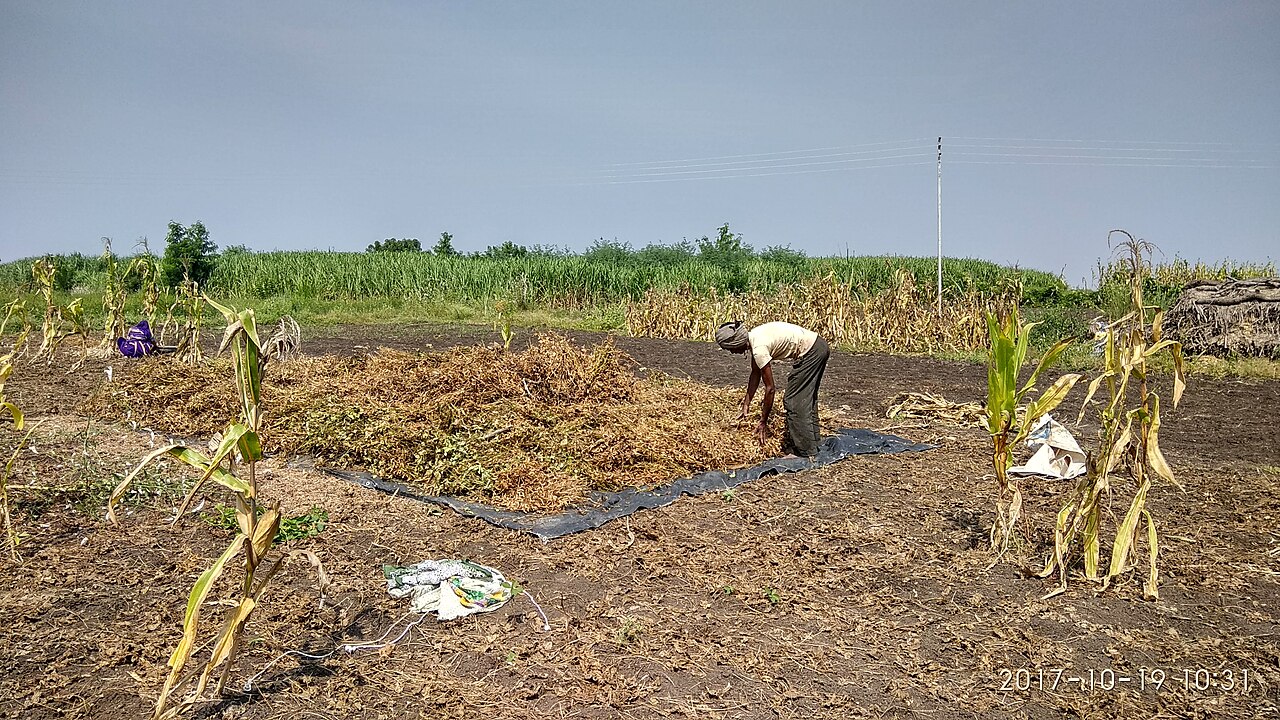
Shafikul Islam, a rice farmer in Nachole upazila, said: "We grew up growing rice from childhood. Rice was our main crop. But now it has become very hard to grow rice for lack of water. Irrigation costs a lot more. So, following the agriculture department's advice, we have had to cut back on rice."
He added that if the water crisis keeps growing, many farmers will be forced to give up rice in future, which could cut farmers' incomes and affect food production.
To tackle the crisis, the agriculture department is encouraging farmers to limit rice and grow rabi crops that need less water.
Dr Md Yasin Ali, deputy director of the DAE in Chapainawabganj, said farmers are being encouraged to grow alternative crops to ease the pressure on water in the Barind region, and are being given advice on expanding wheat, maize, pulses, sesame and other rabi crops.
BMDA's response
The Barind Multipurpose Development Authority (BMDA) says it is meeting water demand in many areas through deep tubewells, and has also started river and canal excavation, re-excavation of reservoirs and water conservation projects.
Md Al Mamunur Rashid, executive engineer of BMDA in Chapainawabganj, said various steps are being taken to reduce dependence on groundwater, alongside work to raise awareness of the proper use of water.
According to those involved, about 900mm of water is recharged underground through rain in the Barind area each year, while crop production needs about 1,300mm. This large gap between demand and supply is making the crisis worse day by day.
Sustainable water management will require rainwater harvesting, restoring rivers and canals, reducing waste and focusing on crops that need less water. Otherwise, the water crisis could grow into a larger crisis for farming and life in the Barind region.
Source: Jagonews24. First published in Bengali on The Agro News.
Comments
(0)