
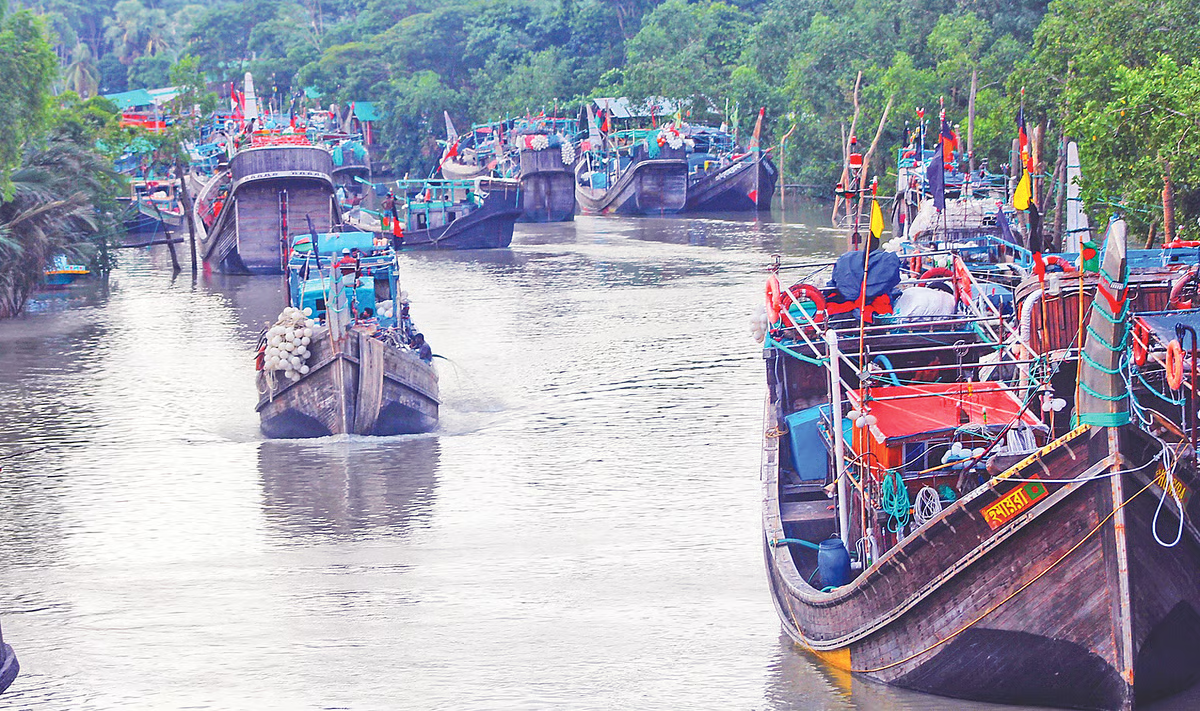
A trawler that spent a week at sea with 14 fishermen and crew cost about Tk 5 lakh to run and sold its catch for just Tk 70,000. Abdur Rahman, its owner in Patharghata, Barguna, told Prothom Alo at the BFDC fish landing centre on 23 September: 'We are nearly finished counting our losses. Now the government has raised the oil price by Tk 20 a litre.'
Prothom Alo spoke to five more trawler owners. It is the peak hilsa season, they said, but the catch is thin. A medium trawler (14 crew) needs eight barrels of diesel for a seven-day trip; at the local 200 litres a barrel, each barrel now costs Tk 4,000 more, or Tk 32,000 extra in fuel alone. A large trawler (20 crew) needs 16 barrels, adding Tk 64,000.
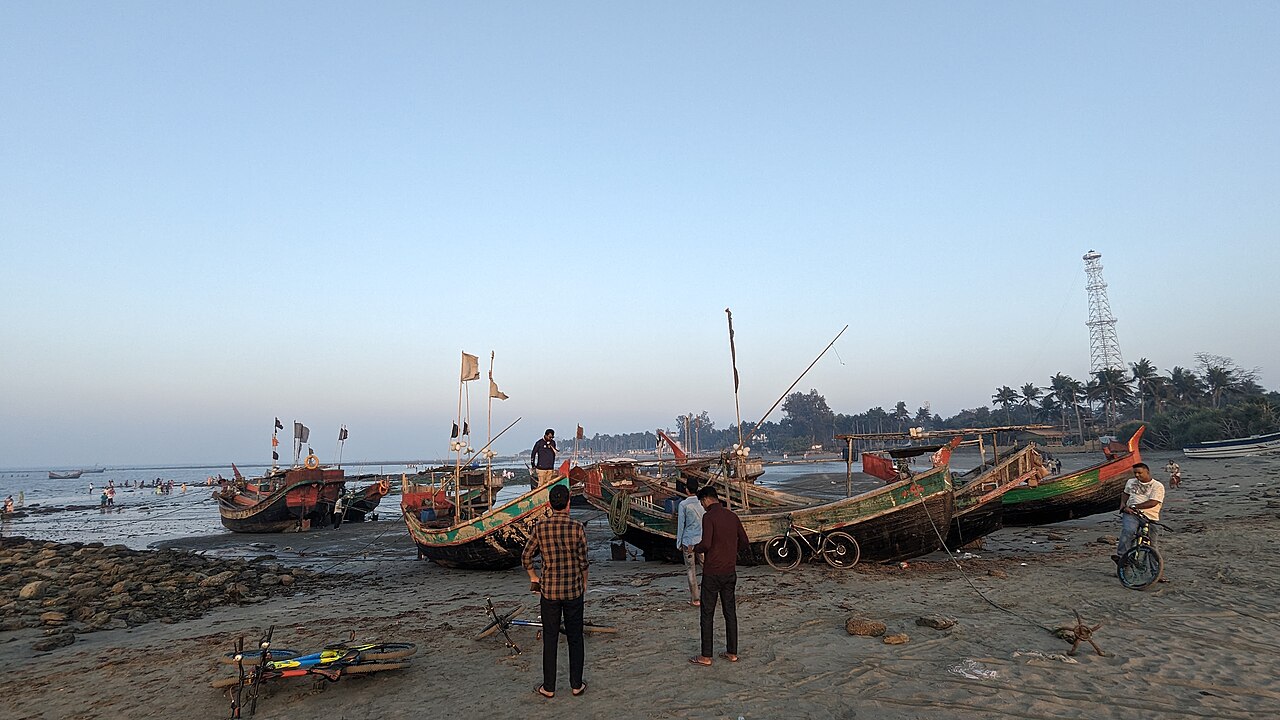
Abul Faraji, who owns four trawlers, said each trip costs about Tk 5 lakh in fuel and other expenses, but last week's catch sold for Tk 3 lakh. At the landing centre many trawlers lay at anchor and crews sat idle; with diesel dearer, owners are unsure whether to send their boats out at all.
The Barishal divisional Department of Fisheries counts 422,275 registered fishermen in the division and 11,436 small artisanal trawlers. Hilsa production in the division was 334,783 tonnes in FY2024-25 and fell to 266,597 tonnes in FY2025-26.
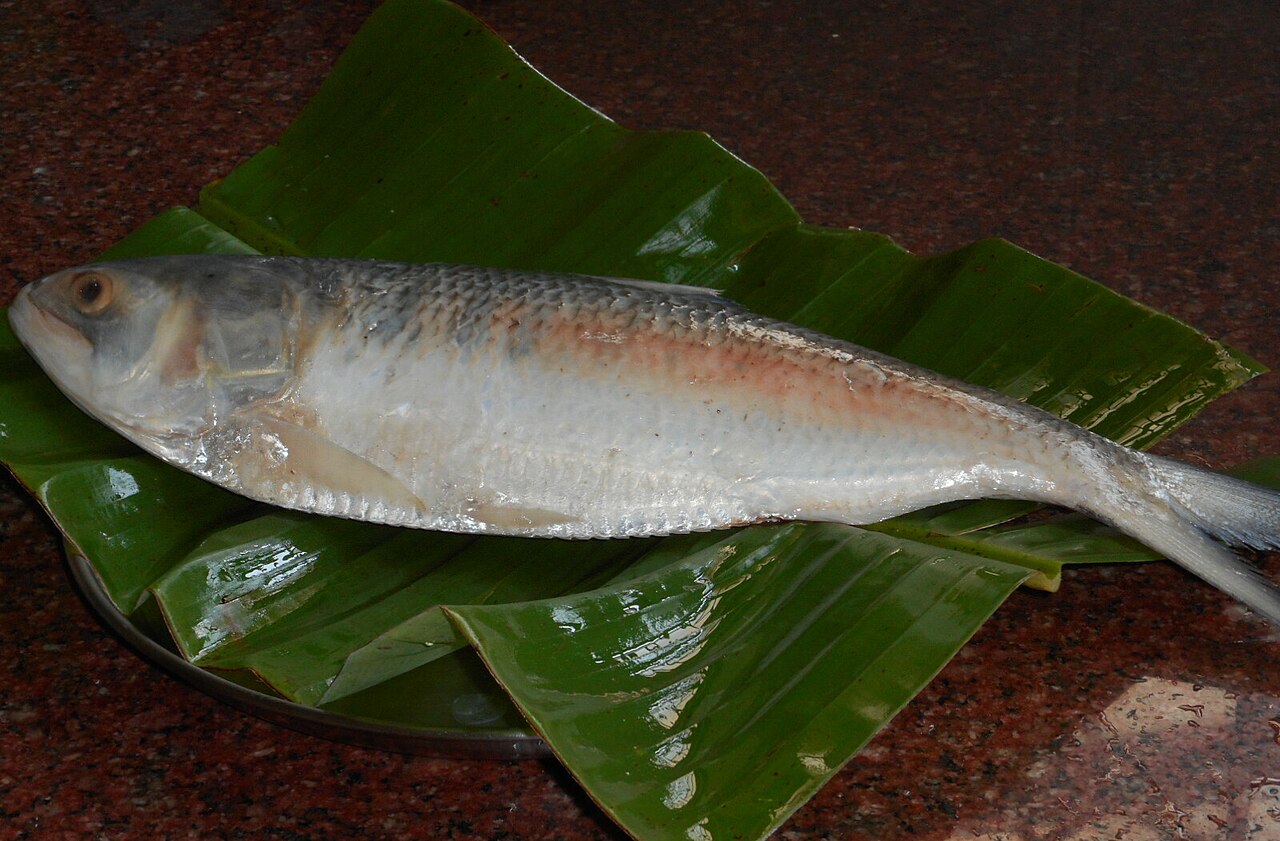
Hilsa makes up about 12 per cent of the country's fish production, and some seven lakh fishermen depend on it directly, according to the fisheries department. The national catch rose to 571,342 tonnes in FY2022-23 but fell to 500,000 tonnes in FY2024-25. The report points to pollution in estuaries and breeding grounds, harmful nets, silted shoals and unplanned sand extraction.
Anisuzzaman, senior assistant director of the Barishal divisional fisheries office, said the diesel rise would sharply increase fishing costs. 'We fear hilsa production in Barishal division will be lower than last year. Our priority now is protecting brood hilsa and jatka during the ban,' he said. The report is by Prothom Alo's M Jasim Uddin.
Source: Prothom Alo

Comments
(0)