
A strong El Nino in the Pacific may give Bangladesh a relatively warm, short and foggy winter this year, meteorologists say. The Bangladesh Meteorological Department recorded 8 per cent and 18 per cent less rain than normal in August and September, with higher temperatures, and October is forecast to stay warmer than normal. Prothom Alo reporter Partha Shankar Saha spoke to meteorologists for this analysis.
Meteorologist Md Bazlur Rashid said a strong El Nino has been in place since June and affects the whole Indian region. Forecasts for October and for October to December point to above-normal temperatures and below-normal rain. The World Meteorological Organization's update of 3 September said El Nino is firmly established, with a near 100 per cent chance of it persisting through September-November and December-February.
That does not mean there will be no winter. 'Winter temperatures will be higher than normal, but if rainfall is low, fog may increase,' Rashid said. Thick fog may make days feel cold while nights stay warmer than usual.
Muhammad Abul Kalam Mallick, a meteorologist at the department, said that besides a warm sea surface and lower atmosphere, a broad high-pressure belt is forming about 3 to 4 km up, stretching from Afghanistan to Myanmar, which will trap daytime heat and slow the usual cooling at night. Winter temperatures normally range from 12 to 24 degrees Celsius; this year they may sit between about 14 and 26 degrees. He expects short, scattered cold waves rather than long ones, though some nights in the north may still turn bitterly cold.
Farming may feel it. Many winter crops need a certain amount of cold, and long fog keeps leaves damp and raises disease risk, though how much each crop is affected will depend on the region, soil moisture and how long the fog lasts. Less winter rain would deepen dependence on groundwater in the north-west, and irrigation, water and electricity demand could rise in the boro season.
Less rain would also mean more dust and pollution in the air, worse air quality in Dhaka, and fog trouble on roads and waterways in the north. Rashid warned that if El Nino stays strong from December to February, the risk of longer heatwaves next summer rises too.
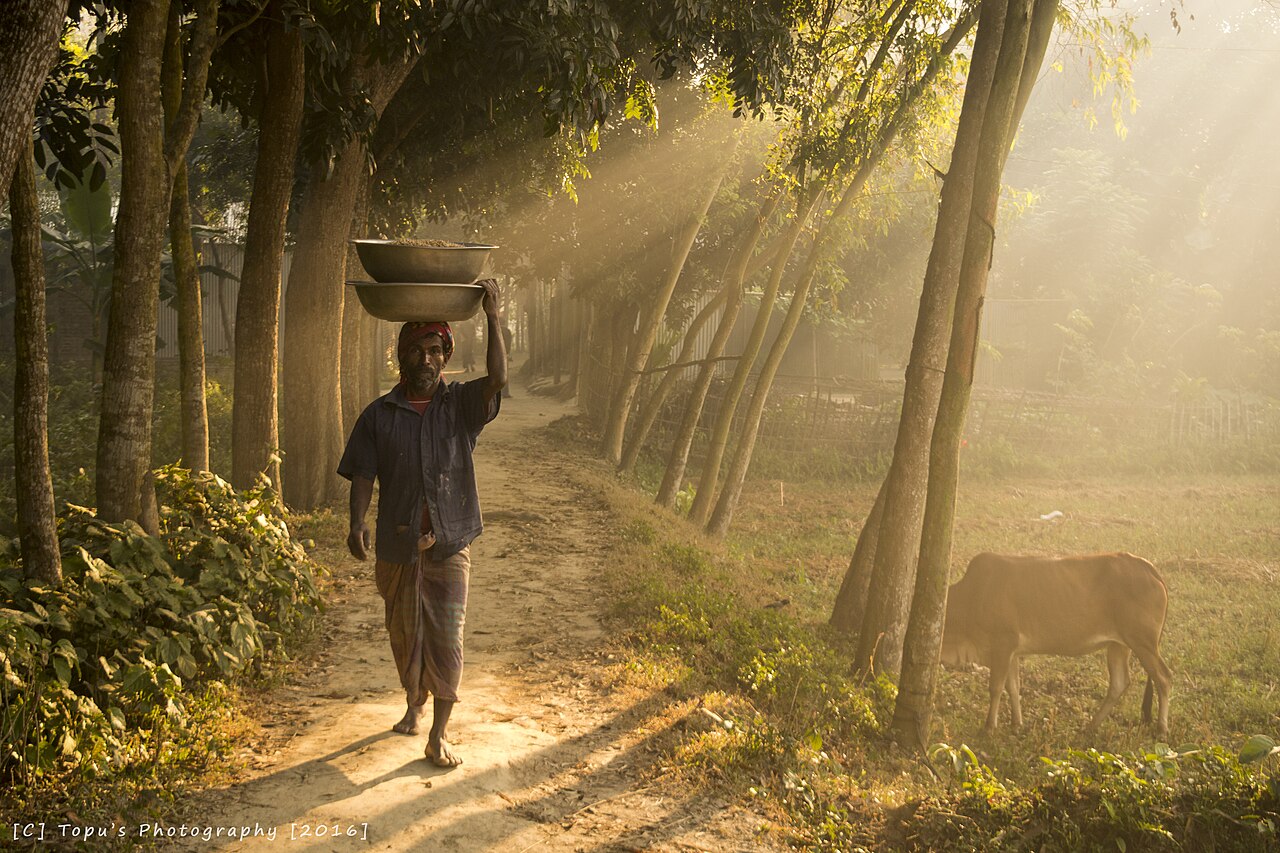
Photo: Topu Saha / Wikimedia Commons (CC BY-SA 2.0)
Source: Prothom Alo


Comments
(0)