
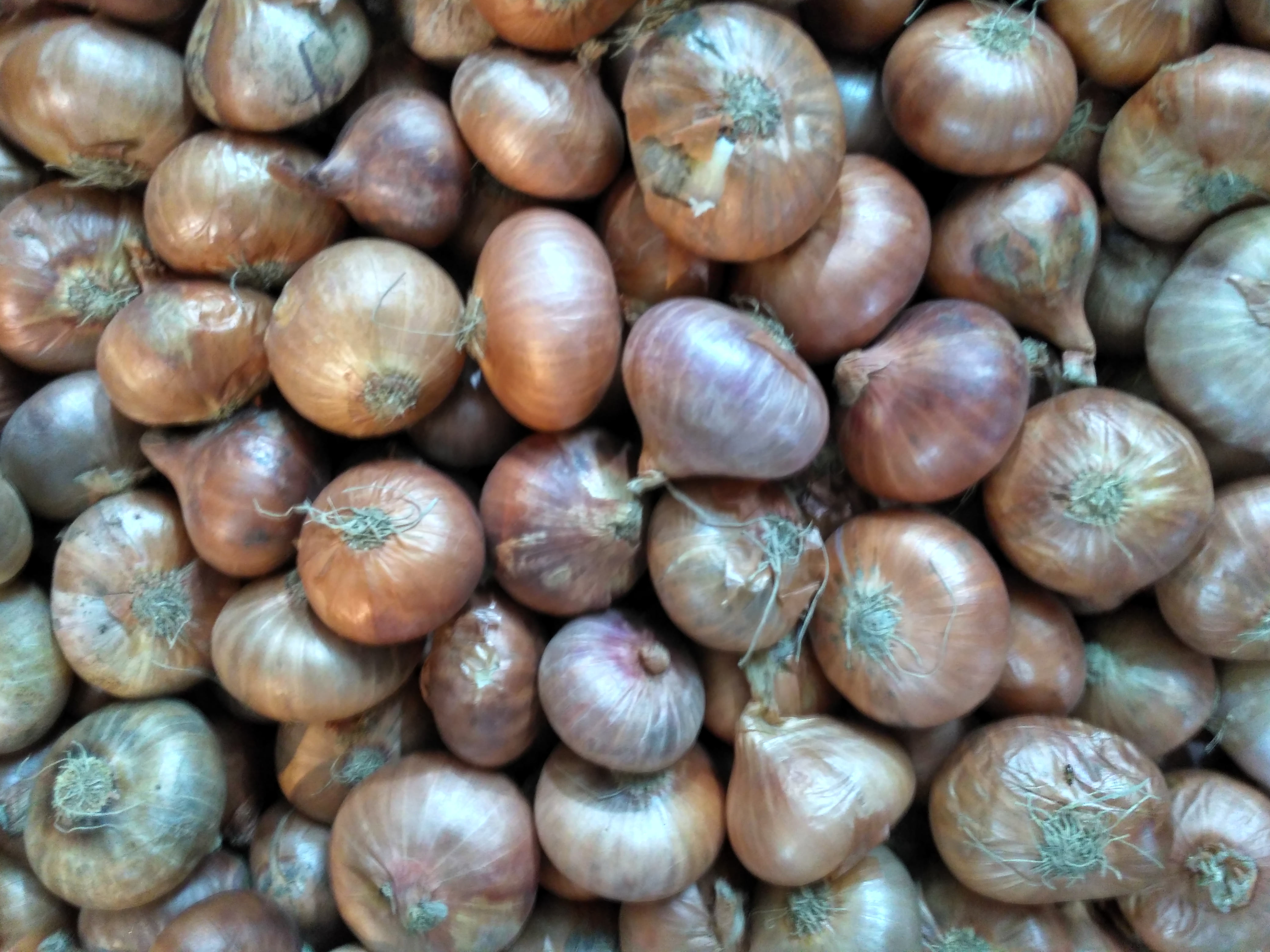
When India stopped exporting onions on 29 September 2019, prices in Bangladesh shot up. Onions are among the consumer goods for which Bangladeshi shoppers depend most on India, and on 29 November 2019 BBC Bangla asked whether the country could break that dependence.
Al Jazeera reported on 2 October 2019 that India imposed the ban because extended monsoon rains delayed the arrival of its new crop. India had exported 2.2 million tonnes of fresh onions in the 2018/19 fiscal year, more than half of all imports by Asian countries. In Bangladesh the price rose to Tk 120 a kilogram, the highest since December 2013, and the government began selling subsidised onions through the state-run Trading Corporation of Bangladesh (TCB). On 16 November, BBC Bangla found onions selling at Tk 240 to 250 a kilogram in Dhaka markets, against Tk 70 to 80 in August.
The lesson of cattle
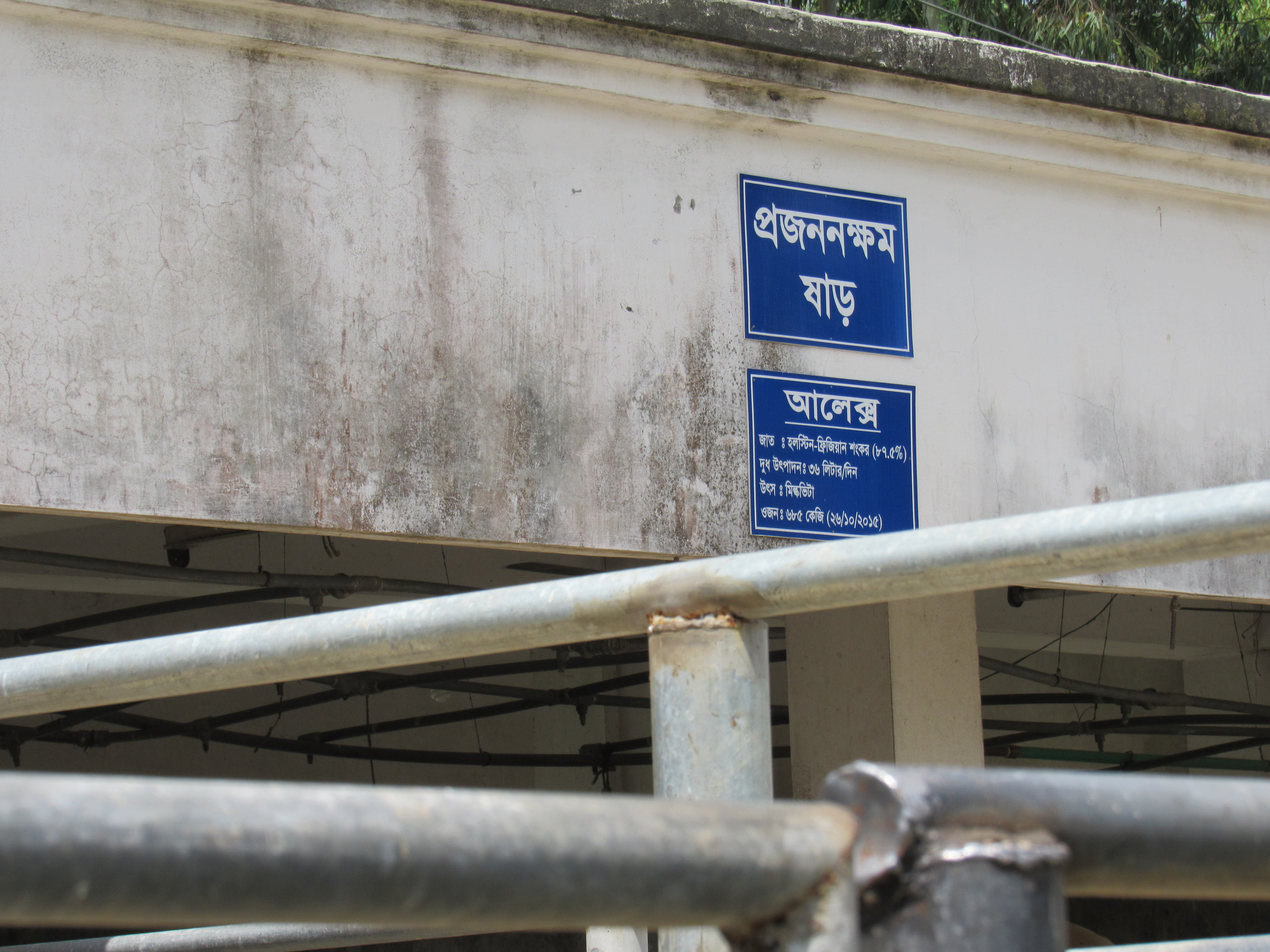
The comparison many drew was with cattle. After Narendra Modi's government came to power in India, cattle coming into Bangladesh from India nearly stopped. BenarNews reported on 21 April 2015 that 2.5 million head of Indian cattle had been smuggled into Bangladesh the previous year, and that India's then home minister, Rajnath Singh, had told the Border Security Force to stop cattle smuggling completely. In mid-April 2015 beef sold at Tk 370 a kilogram at Dhaka's Hatirpool market, up from Tk 280 four months earlier.
According to BBC Bangla, beef later reached Tk 550 to 600 a kilogram, and in the first two years many people struggled even to find a cow for the Eid sacrifice. The shortage led to many cattle farms being set up within a few years, and for the two years before 2019 Bangladesh's market for sacrificial animals had not depended on India.
Why Bangladesh relies on India
Sayema Haque Bidisha, professor of economics at Dhaka University, told BBC Bangla: "We should never depend on a single market." She said Bangladesh should look for other import markets rather than rely on India alone, and that there was no alternative to growing more onions at home. She gave two reasons for the dependence: onions have historically come from India, and given their quality and price, importing them from India is profitable for Bangladesh.
Citing TCB figures, BBC Bangla reported on 16 November that Bangladesh produced 1.7 to 1.9 million tonnes of onions a year, about 60 percent of demand, and imported the remaining 0.7 to 1.1 million tonnes. Some 95 percent of imports came from India and the rest from Myanmar, Egypt and Turkey. Because onions are perishable they have to be brought in quickly from a nearby country, which also keeps transport costs low.
The agriculture secretary's case: fair prices will raise output
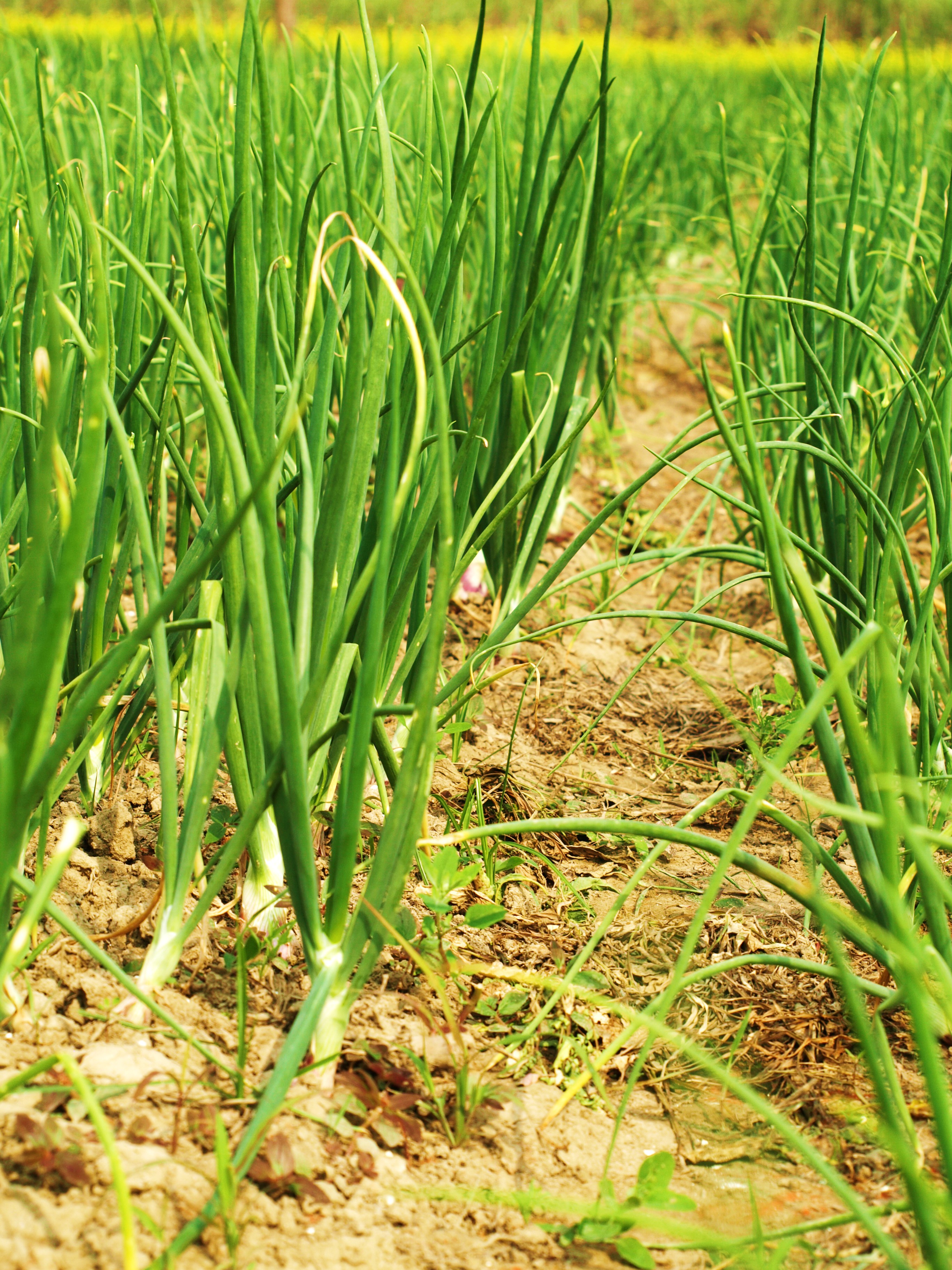
Agriculture Secretary Md Nasiruzzaman said the success cattle farmers showed after Indian cattle stopped coming could be repeated with onions. By the government figures he gave, Bangladesh grew 2.3 million tonnes of onions, about 0.5 million tonnes were lost at harvest and 1.9 million tonnes reached the market; 1.1 million tonnes were imported, while the country needed 3 million tonnes a year.
He said farmers were getting Tk 10 to 12 a kilogram for their onions and would get Tk 30 to 32 if Indian onions did not come in. Imports at harvest time drive prices down, he said, so the Commerce Ministry had been asked to halt imports from India for the time being when farmers bring their crop to market. Without imports, he expected local onions might cost Tk 40 to 45 a kilogram, but would never climb to Tk 250.
There are obstacles. Professor Mohammad Zahiruddin of Bangladesh Agricultural University told BBC Bangla that onion land competes with other crops, that yields are good on the medium-high and medium-low land of the northwestern districts, and that the country lacks cold stores suited to onions, which need 60 percent humidity and 8 to 12 degrees Celsius, unlike potato stores.
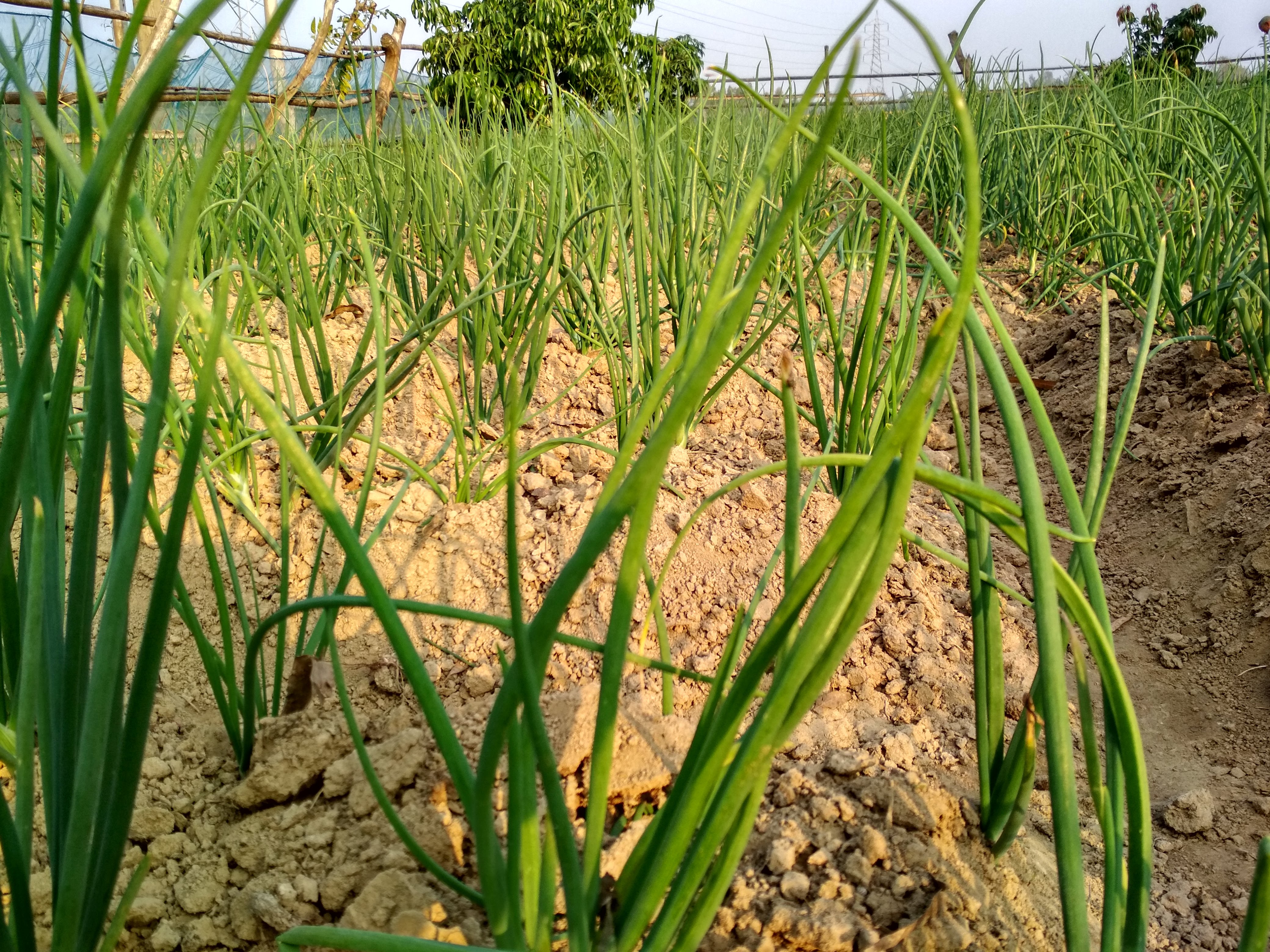
Photo: Salim Khandoker / Wikimedia Commons (CC BY-SA 3.0)
Sources: BBC Bangla (29 November and 16 November 2019), Al Jazeera (2 October 2019), BenarNews (21 April 2015)

Comments
(0)