
Floods caused by days of continuous heavy rain and runoff from the hills in July 2026 destroyed crops worth about Tk 478 crore across Bangladesh, and about half of that loss was in vegetables. The figures come from the agriculture ministry's final report on losses from excessive rain and flooding, which Jagonews24 analysed in a report published on 27 July 2026. Summer vegetables, Aus rice and Aman seedbeds were hit hardest, more than 2,43,000 farmers lost crops, and seven districts in the east and south-east of the country suffered most.
What the final report counted
According to the ministry's report, the floods reached 43 districts. In those districts 8,17,000 hectares were under crops at the time, and crops on 24,138 hectares of that land were destroyed. The lost output came to 1,33,972 tonnes, worth Tk 477 crore 97 lakh. The report counted more than 2,43,000 affected farmers across the country.
The seven worst-hit districts named in the report were Brahmanbaria, Habiganj, Chattogram, Cox's Bazar, Rangamati, Bandarban and Khagrachhari. Five of them lie in the hilly south-east of Chattogram Division; Brahmanbaria lies further north in the same division, and Habiganj lies in Sylhet Division.
The final report followed two weeks of preliminary counts. Those early figures measured how much land had been affected or was under water while the floods were at their height; the final report counted the crops actually lost and their value. That is why the final area of destroyed crops is much smaller than the areas reported as affected in mid-July, which are described further below.
Summer vegetables took the heaviest loss
Summer vegetables suffered the most, accounting for about half of the total loss, the report showed. Of 2,14,000 hectares under vegetables in the affected districts, vegetables on 8,836 hectares were destroyed. The lost output was 87,967 tonnes, worth Tk 231 crore 96 lakh.
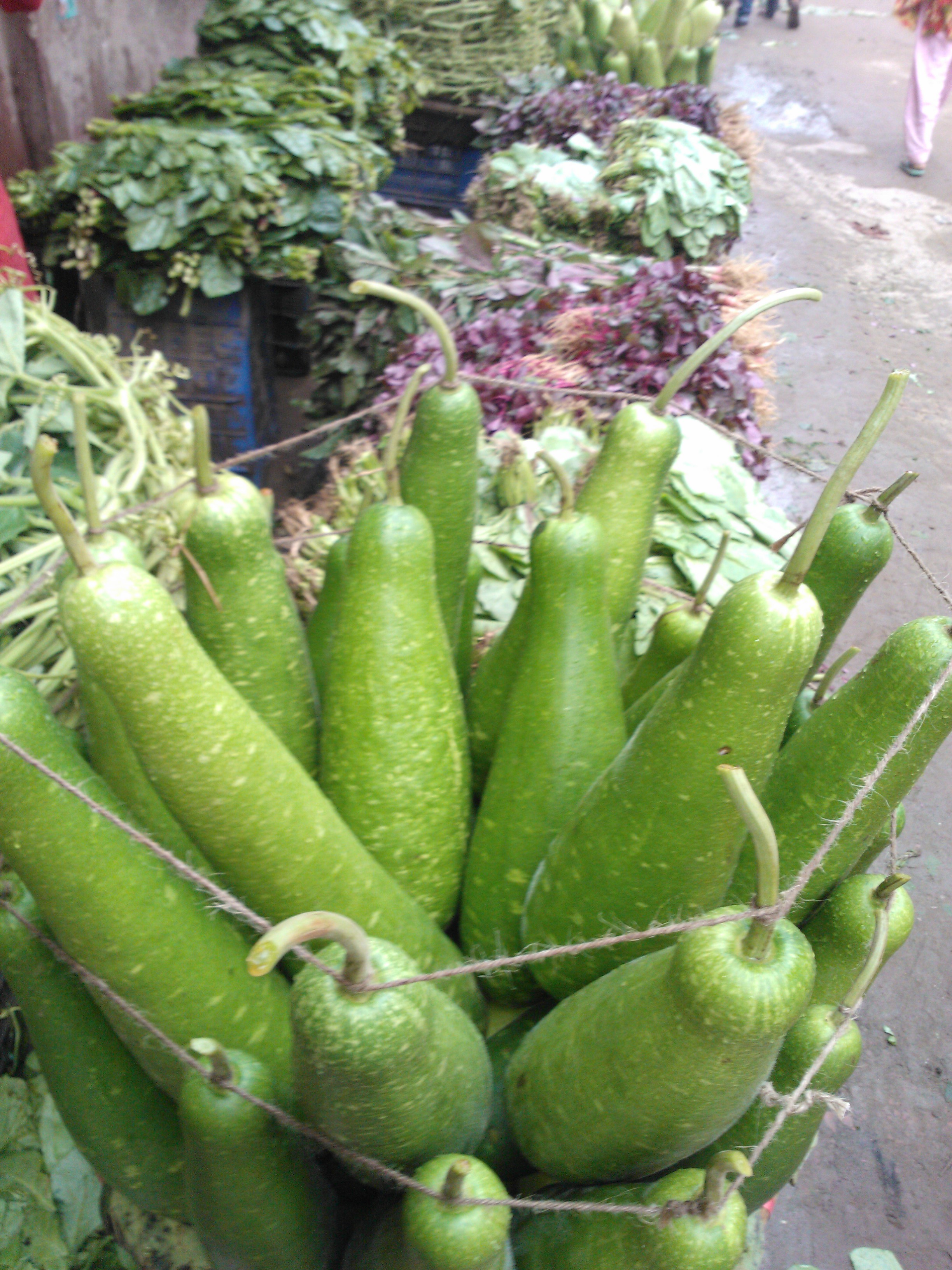
Summer vegetables in Bangladesh are the crops grown through the hot, wet months. Banglapedia, the national encyclopaedia, lists pumpkin, bitter gourd, teasle gourd (kakrol), ribbed gourd, ash gourd, okra, yard-long bean and Indian spinach among the main summer vegetables, with brinjal, pumpkin, okra and red amaranth grown in both seasons. It notes that summer vegetable growing is held back by adverse weather and pest attacks, and that the availability of vegetables in the country is only about a fifth of the recommended 200 grams per person per day. Nearly 100 kinds of vegetables, local and exotic, are grown in Bangladesh.
Vegetables are also among the quickest crops to be lost under water. In mid-July farmers told reporters that many vegetable plants had rotted or wilted in waterlogged fields and that newly transplanted seedlings had died, The Daily Star reported on 14 July 2026.
The district figures released earlier show how heavily the south-east was hit. The Chattogram regional office of the Department of Agricultural Extension (DAE) put its final damage count for Chattogram and Cox's Bazar districts at Tk 309 crore 16 lakh 76 thousand 600, with 18,816.66 hectares of cropland damaged and 1,69,721 farm families affected, Bonik Barta reported on 17 July 2026. In Chattogram district summer vegetables were the worst-hit crop: 5,907 hectares were damaged and 43,050 tonnes of output lost, worth Tk 86 crore 10 lakh. In the two districts together, vegetables were damaged on 9,208 hectares, with 56,730 tonnes of output lost, worth Tk 140 crore 82 lakh, and 73,875 farm families affected.
Aus rice, Aman seedbeds, spices and fruit
The list of damaged crops in the ministry's report also includes Aus rice, Aman seedbeds, ginger, chilli, turmeric, papaya, watermelon, groundnut, jute, banana, sugarcane, muskmelon, maize and betel leaf. Of the destroyed area, 12,783 hectares had been planted with Aus rice and 1,746 hectares were Aman seedbeds. The loss on these two rice crops together came to Tk 188 crore 55 lakh.
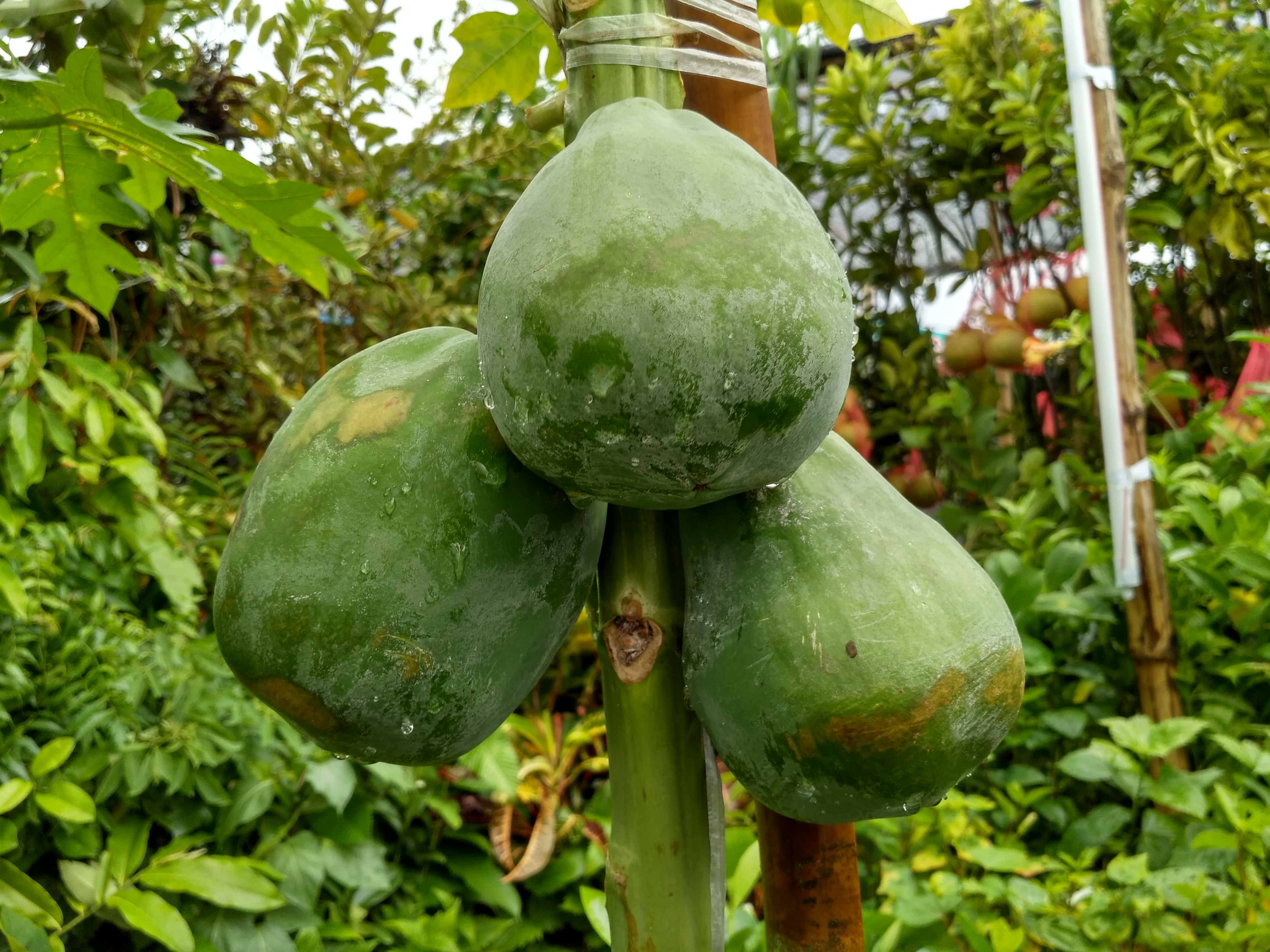
Among the spices, ginger worth Tk 23 crore and turmeric worth about Tk 9.5 crore were destroyed, along with green chilli. Among fruit, papaya suffered a large loss: papaya worth about Tk 2 crore 7 lakh was damaged, and fruit of all kinds together worth Tk 73 crore 9 lakh.
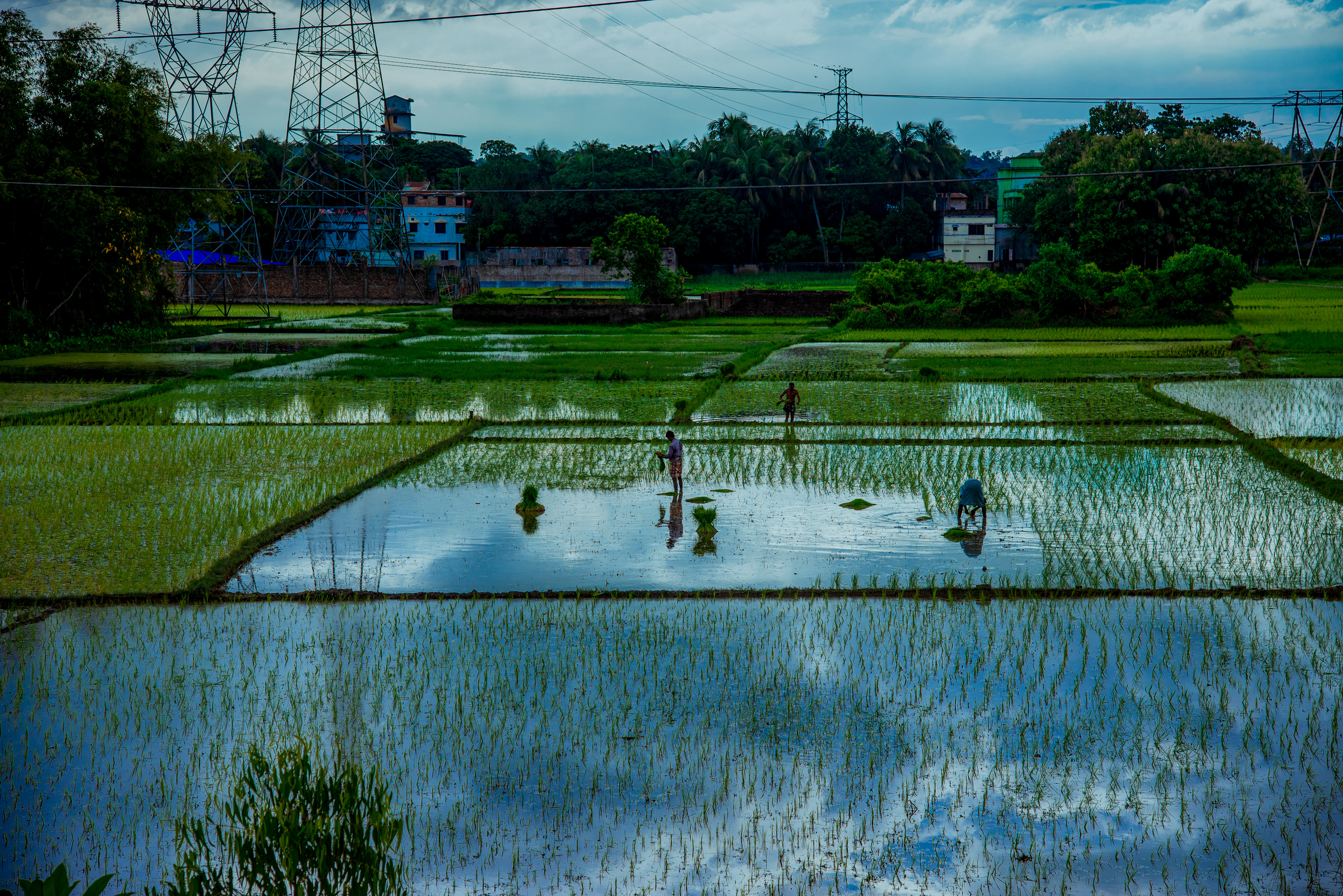
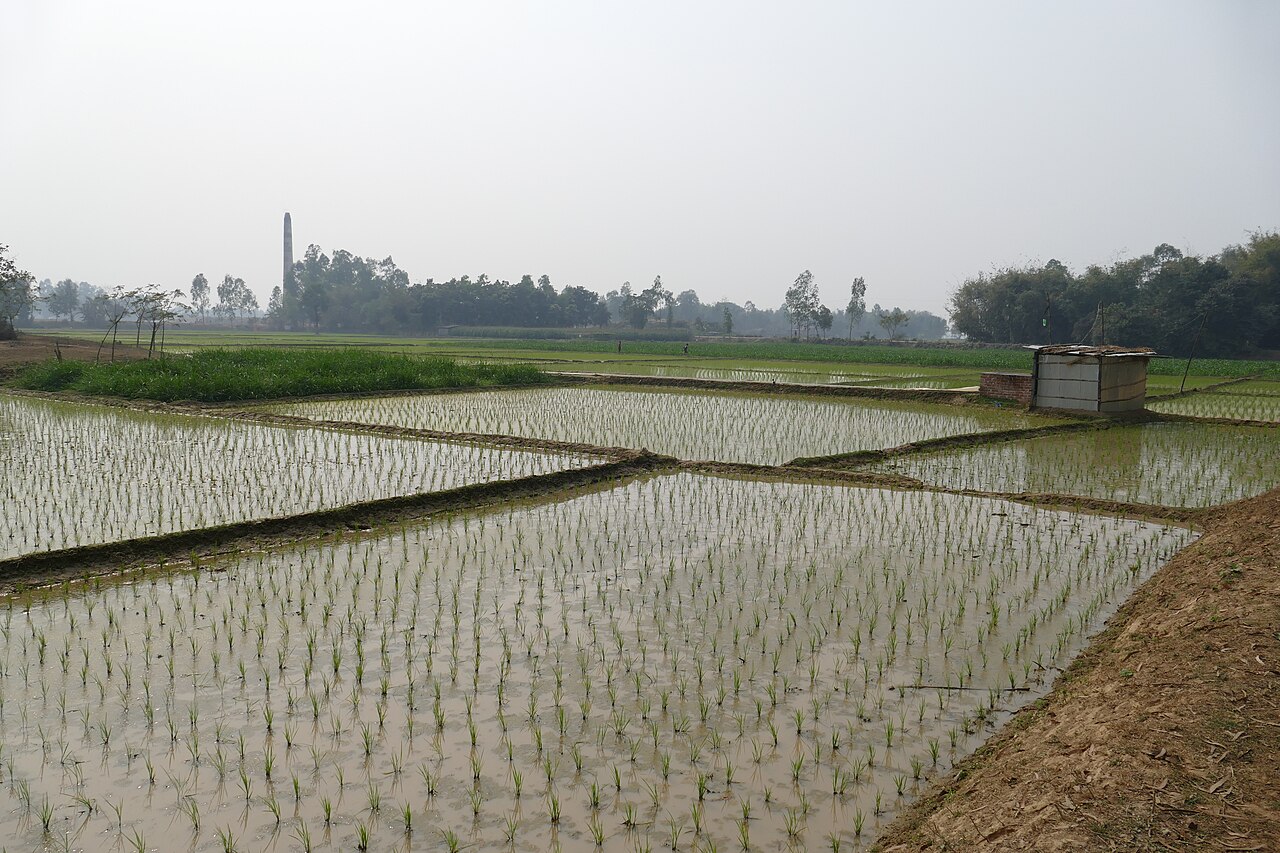
Rice in Bangladesh is grown in three seasons, Aus, Aman and Boro. Banglapedia gives the harvest time of Aus as July to August, of transplanted Aman as November to January, and of high-yielding Boro as May to June. Aus is grown in scattered fields in most districts, while transplanted Aman, the most important season by area, is grown throughout the country. In 2009-10 transplanted Aman took about 46 per cent of the land under rice, Boro 41 per cent and Aus 9 per cent, according to Banglapedia. That calendar is why the floods of early July were so costly: the Aus crop was standing in the fields close to harvest, and farmers had just sown the seedbeds from which Aman seedlings are raised for transplanting.
Earlier in July the extent of damage to these crops was much wider. DAE figures reported by bdnews24.com on 15 July 2026 showed that between 6 and 13 July the floods affected 79,550 hectares of Aus, 10,504 hectares of Aman seedbeds and 17,834 hectares of summer vegetables nationally, and that more than 1,72,000 Aus growers, 1,70,000 Aman seedbed farmers and 1,54,000 vegetable growers had suffered losses. Jute, chilli, ginger, turmeric, betel leaf and fruit orchards were also damaged in several districts.
How the estimates built up over July
The rain and floods began in the first week of July. On 12 July 2026 the Dhaka Tribune reported preliminary DAE figures for five districts of Chattogram Division, Chattogram, Cox's Bazar, Rangamati, Khagrachhari and Bandarban: Aus on 12,743.1 of 54,489.5 hectares, Aman seedbeds on 1,812.16 of 5,066.67 hectares and summer vegetables on 2,594.17 of 31,664.65 hectares had been affected. Chattogram district was worst hit, with 9,043.5 of its 30,022.5 hectares of Aus affected. In Cox's Bazar 156 of 3,065 hectares of betel leaf gardens had been damaged, and in the hill districts 651.1 of 3,971 hectares of turmeric.
By 14 July the DAE count covered 43 districts. The rains had affected more than 5 lakh farmers and damaged over 1.14 lakh hectares of farmland, around 9 per cent of the more than 13 lakh hectares under cultivation, The Daily Star reported. The figures published by bdnews24.com the next day gave 1,14,723 hectares of cropland affected and 5,26,874 farmers directly hit between 6 and 13 July.
On 18 July Prothom Alo reported that about 1 lakh hectares of cropland had been under water on the previous Sunday and about 82,000 hectares were still submerged, including about 53,000 hectares of Aus. Of the 43 districts hit by the rains, 16 had suffered most, the paper reported: Chattogram, Cox's Bazar, Rangamati, Khagrachhari, Noakhali, Cumilla, Barishal, Patuakhali, Bhola, Jhalakathi, Habiganj, Naogaon, Jashore, Meherpur, Bagerhat and Barguna. Officials told the paper the count would be finalised the following week.
The final report described by Jagonews24 on 27 July is that count. It measures the crop actually destroyed, 24,138 hectares, rather than the much larger area that was flooded or waterlogged for some days.
The worst-hit districts
The flooding in the south-east came from heavy rain over the hills. Banglapedia divides floods in Bangladesh into three kinds: monsoon floods, which rise and fall slowly over large areas; flash floods, in which water rises and falls suddenly, generally in the valleys of hilly areas; and tidal floods along the coast. It notes that the hill catchments draining into the north-east and south-east are characterised by flash floods that are mostly short but unpredictable in frequency and intensity. In an average year about 26,000 square kilometres, 18 per cent of the country, is flooded, and in severe years the flooded area can exceed 55 per cent. Among the region's past floods, Banglapedia records that heavy rainfall flooded Chittagong district in 1969 and damaged crops and property.
District reports from mid-July described the damage on the ground. In Chattogram district, the DAE's deputy director told Ajker Patrika on 16 July that 1,22,685 farm-dependent families had suffered losses and 16,094 hectares of cropland were damaged, most of it in the south of the district; Banshkhali, Chandanaish, Satkania, Lohagara and Sitakunda upazilas were worst hit. In Cox's Bazar, crops on about 4,000 hectares in 10 upazilas went under water and at least 43,210 farmers were affected, the district's DAE office said. In Bandarban the district administration counted 2,104 hectares of farmland and orchards damaged in seven upazilas, 368 hectares of it completely, affecting about 5,323 farmers. In Rangamati, where landslides struck as well, the district administration's preliminary estimate was 3,675 hectares of cropland flooded and damaged.
In Habiganj, heavy rain and hill runoff from upstream in India broke the protective embankment of the Khowai river and flooded at least 35 villages, Ajker Patrika reported; the district agriculture office's preliminary figures showed about 697 hectares of Aus, 131 hectares of vegetables and 20 hectares of orchards damaged.
The human toll was also heavy. According to Ministry of Disaster Management and Relief figures reported by bdnews24.com on 15 July, 56 people had died in flood-related incidents in Khagrachhari, Rangamati, Bandarban, Cox's Bazar, Chattogram, Moulvibazar and Habiganj, and the floods had inundated 59 upazilas. By 25 July the situation had improved in several districts, BSS reported: rivers in Cox's Bazar, Bandarban and Khagrachhari were flowing below danger level and displaced people in Bandarban were returning home, while Chattogram remained the worst-hit district.
Prices in the markets
According to agricultural experts quoted by Jagonews24, the widespread crop losses raised fears of a supply crisis that could fuel food inflation further. Since the floods, prices of vegetables and several other fresh market items had risen. With supply down, green chillies had crossed Tk 300 a kilogram, vegetables were selling at around Tk 100 a kilogram, and brinjal, cucumber and other vegetables had risen by Tk 20 to Tk 50 a kilogram compared with before the floods. Low- and middle-income buyers were under the most pressure, the report said.
Other reports from the same days show the same rise. On 21 July 2026 Prothom Alo found green chillies selling for Tk 200 to Tk 220 a kilogram at Mohammadpur Krishi Market and Tk 250 to Tk 280 at Town Hall Market in Dhaka, against Tk 100 to Tk 120 a month earlier; the Bangladesh Meteorological Department had forecast five more days of rain. The Dhaka Tribune reported the same day that most vegetable prices in Dhaka had climbed by Tk 20 to Tk 40 a kilogram in a few days. At Dhaka markets on 24 July New Age found most vegetables at Tk 80 to Tk 100 a kilogram or more, ordinary green chillies at Tk 200 to Tk 250 and better ones at Tk 250 to Tk 280, cucumber at Tk 160 to Tk 180 and aubergine at Tk 100 to Tk 120; traders blamed submerged fields and slow transport.
The rise was not limited to the flooded districts. In Lalmonirhat in the north, wholesale green chillies sold for Tk 800 for a five-kilogram dhara on 23 July and Tk 240 a kilogram at retail, BSS reported; the district's DAE deputy director said supply and prices would return to normal once the water drained from the fields.
Seed and fertiliser for affected farmers
The Department of Agricultural Extension said seed and fertiliser were being provided with government support in the seven worst-hit districts. Md Obaidur Rahman Mondal, director of the DAE's field service wing, told Jagonews24 that work was under way to overcome the flood losses through seed and fertiliser support. About 63,000 farmers in the worst-hit districts had already been given seed of late (nabi) Aman varieties, which can be planted later in the season, to raise seedbeds for Aus and transplanted Aman.
He said the remaining affected farmers would be helped before the winter crop planting season. Immediate help had been ensured for those genuinely affected, and those less affected would also get support.
In mid-July Mondal had told The Daily Star that the priority was to determine the actual extent of crop damage and prepare a list of affected farmers, and that the measures under consideration included Aman and early winter vegetable seed, as well as fertiliser where appropriate. The DAE's director general told Prothom Alo on 18 July that the department was starting a special incentive programme for the seven hardest-hit districts and was compiling a list of affected farmers.
Agricultural economist Jahangir Alam Khan told Jagonews24 that all farmers had to be helped quickly so that they were not discouraged from producing. Prices of many items linked to the floods had already risen, he said, and if farmers did not get enough support they would cut back cultivation, with long-term effects on supply. Since there was still time to transplant Aman, affected farmers should be helped to prepare new seedbeds, he said; otherwise the loss would later threaten food security, because a large share of the country's food comes from the Aman crop.
Speaking to Prothom Alo on 18 July, Khan had estimated that about 10 per cent of the Aus crop was damaged, which could cut rice output by about 3 lakh tonnes, and said that Aman seedbeds could be raised again but supply could come under some pressure.
The Department of Agricultural Extension, which ran the field count, is the government department responsible for agricultural extension in Bangladesh. It was formed in 1982 by merging the Agriculture Directorate (Extension and Management), the Jute Directorate, the Plant Protection Directorate, the Horticulture Board, the Tobacco Development Board and the Central Extension Resource and Development Institute, and it works under the Ministry of Agriculture.
Livestock and fisheries losses
The week before, the Department of Livestock Services and the Department of Fisheries had confirmed the losses in their sectors. Their two reports put the total loss at Tk 399 crore 12 lakh, Jagonews24 reported.
According to those reports, Chattogram, Cox's Bazar, Bandarban, Rangamati and Khagrachhari were worst hit in these sectors. In 156 unions of these districts, 1,57,300 cattle, 4,148 buffaloes, 1,12,655 goats, 24,795 sheep, 11,91,020 chickens and 24,028 ducks were caught in the floods. In these areas 45 cattle, 123 goats, 40 sheep, 1,01,198 chickens and 1,521 ducks died. The floods also damaged 65 livestock farms and 63 poultry farms, and 118 tonnes of animal feed were destroyed.
According to the Department of Fisheries, 12,043 tonnes of white fish, 14,000 tonnes of shrimp, 18 lakh fingerlings and 259 lakh hatchlings were washed away in 602 unions. Losses to boats came to Tk 1 crore 67 lakh, to fishing nets Tk 1 crore 23 lakh, and to infrastructure, sluice gates, ponds, ghers and other items Tk 4,382 lakh.
The fisheries department's initial assessment, reported by bdnews24.com on 15 July, had counted 30,036 ponds, reservoirs, shrimp enclosures and fish farms damaged across 602 unions in 42 upazilas. Local counts gave the same picture: in Habiganj the district fisheries officer told Ajker Patrika that 1,453 ponds and enclosures in four upazilas had been damaged and 613 tonnes of fish washed away, and in Moulvibazar about 500 fish enclosures were washed out, with fish worth about Tk 17 crore 81 lakh lost, the district fisheries officer said.
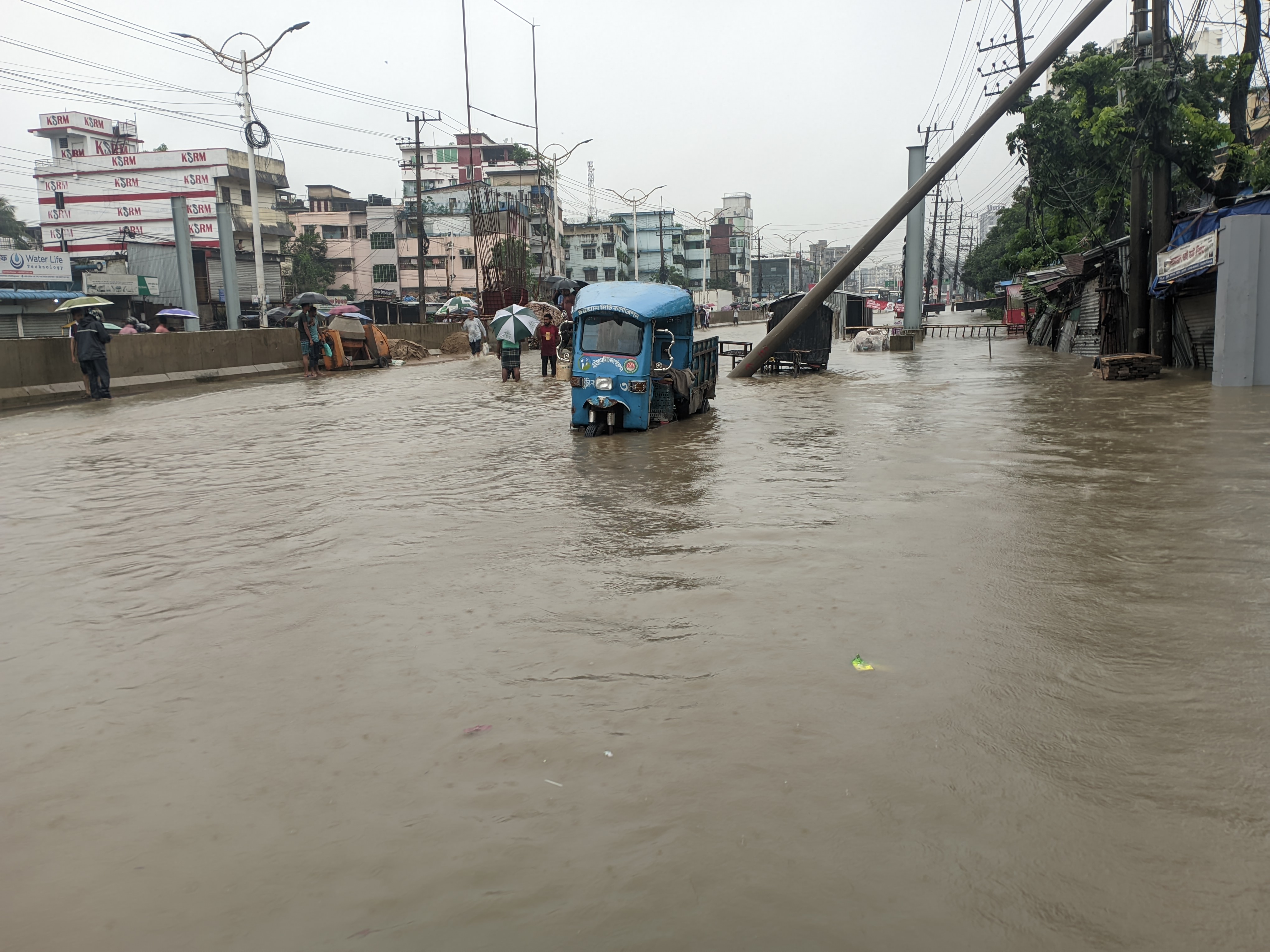
Photo: Owais Al Qarni / Wikimedia Commons (CC BY-SA 4.0). The top picture shows a flooded street in Bahaddarhat, Chattogram, during the floods of 2024, as background.
Sources: Jagonews24 (27 July 2026), Dhaka Tribune (12 July and 21 July 2026), The Daily Star (14 July 2026), bdnews24.com (15 July 2026), Ajker Patrika (16 July 2026), Bonik Barta (17 July 2026), Prothom Alo (18 July and 21 July 2026), Bangladesh Sangbad Sangstha (23 July and 25 July 2026), New Age (25 July 2026), Banglapedia (Flood, Rice, Vegetable), Wikipedia (Department of Agricultural Extension)
Comments
(0)