
A 27-year-old covered-van driver who died after a snakebite in Babuganj upazila of Barishal was not buried straight away. On Friday 17 April 2026 his relatives kept his body in the courtyard of the family home in the Chandpasha area and called in ojhas (traditional healers) and snake charmers in the hope of a miracle. The rituals went on until about 3pm and drew crowds of onlookers, and he was buried at home after the Asr prayer, Jagonews24 reported.
Doctors at Sher-e-Bangla Medical College Hospital in Barishal had already declared the man, HM Sayem, dead that morning, after giving him antivenom twice during the night. The death came in a division that a national survey had found to have the highest rate of snakebite in Bangladesh, where most rural victims have long gone to an ojha first. Health authorities are clear on the point the case raises: antivenom given in a hospital is the treatment for snakebite envenoming, and ritual is no substitute for it.
Bitten on the walk home near the Bhanga Bunia canal
According to his family and local people, the bite happened on the night of Thursday 16 April. As on other working days, Sayem had parked the covered van and was walking home when a snake bit him near the Bhanga Bunia canal, at the point where Chandpasha and Rahmatpur unions meet. He lived in the Rajmatha area of Chandpasha union.
He managed to reach home, but the venom gradually spread through his body and at one point he lost consciousness. The reports of the day do not say at what hour he was bitten or what kind of snake bit him.
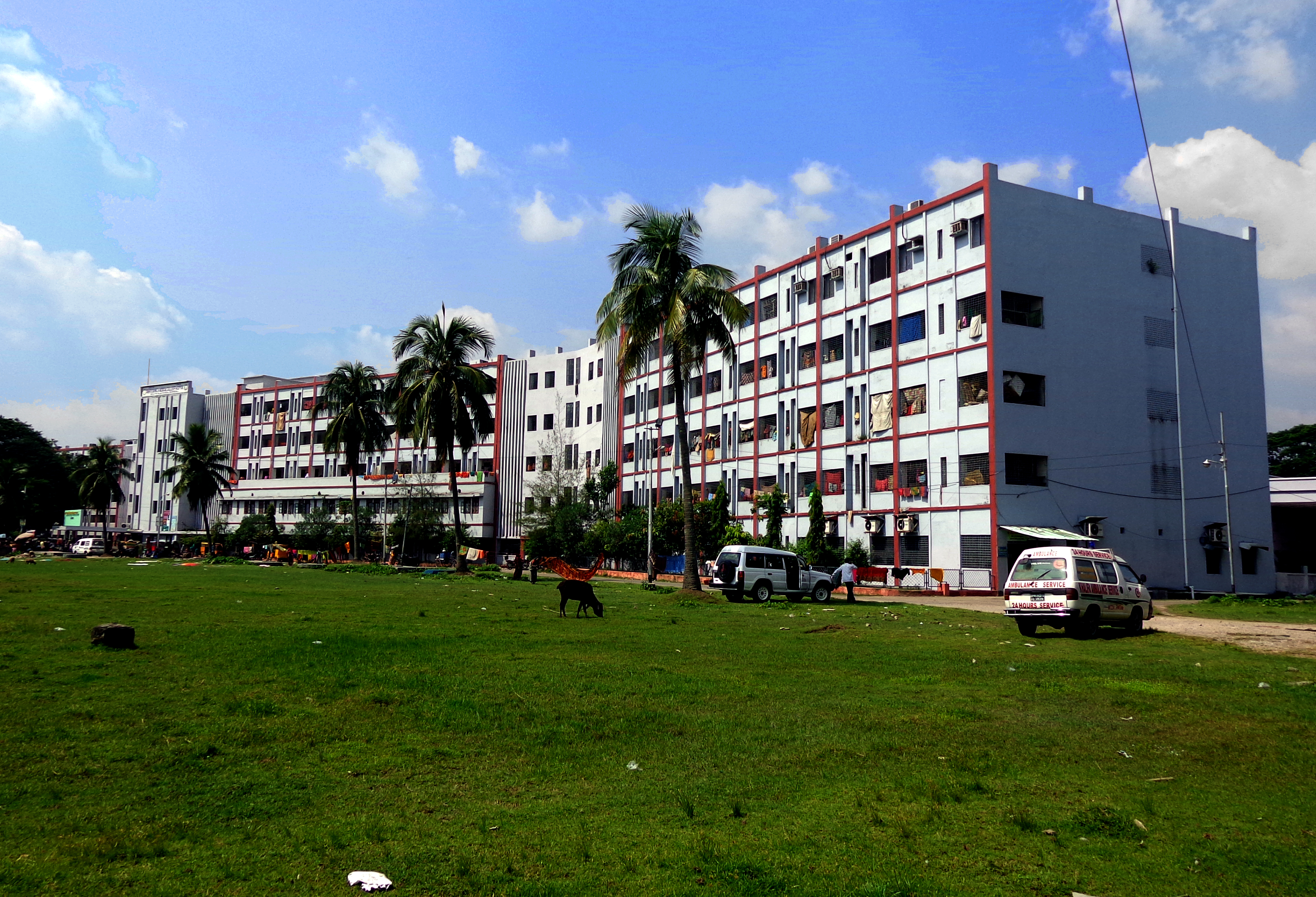
At around midnight he was taken in a critical condition to Sher-e-Bangla Medical College Hospital in Barishal. Doctors there quickly gave antivenom, and gave it twice in a row, but he did not regain consciousness. On Friday morning they declared him dead and handed his body to the family.
A day of rituals in the courtyard
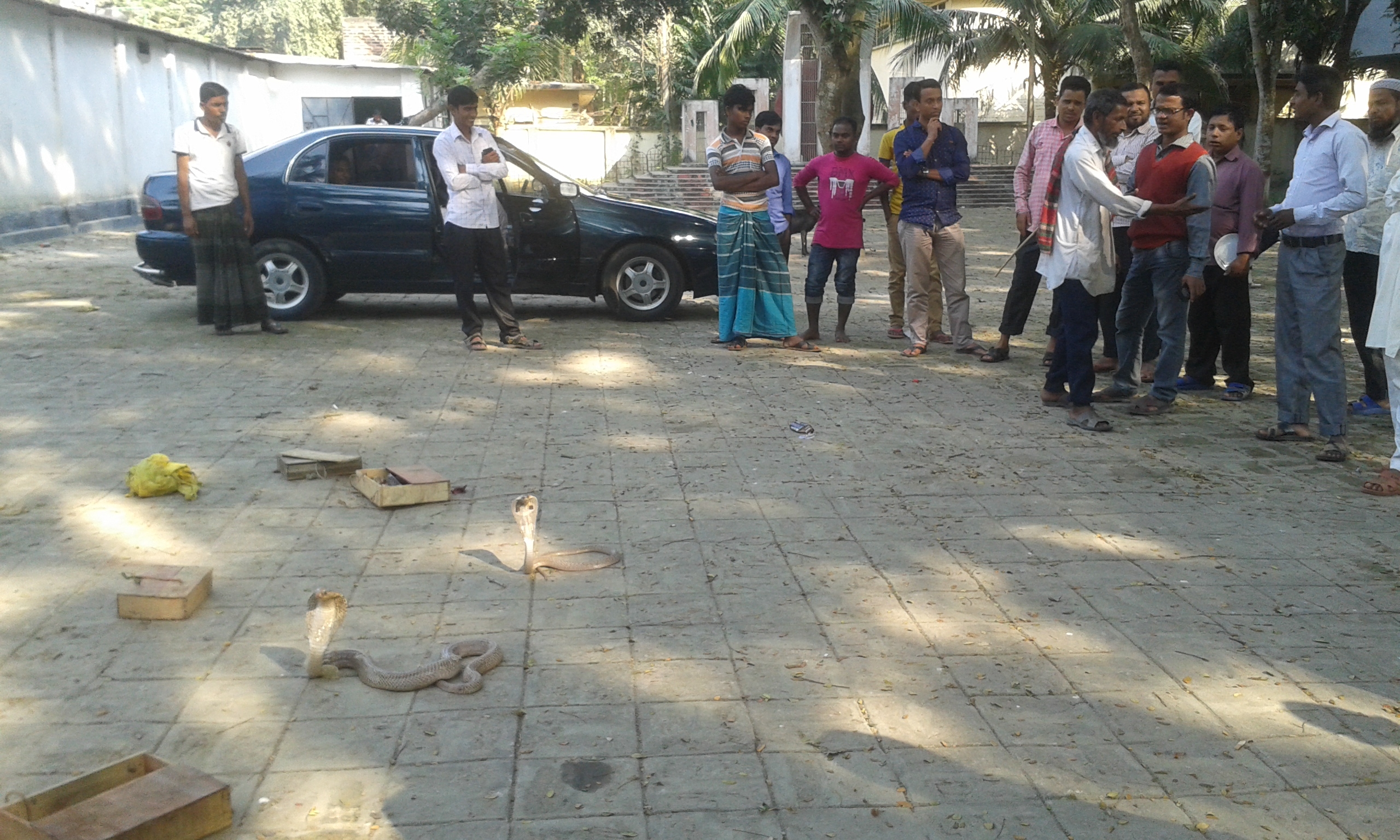
Instead of arranging the burial, relatives laid him in the courtyard and brought in snake charmers and ojhas from various places, believing he might come back to life by a miracle. Curiosity and concern spread through the area, and onlookers crowded around the house. Different ojhas and snake charmers carried on until about 3pm. When there was no response, they too said he was dead. He was buried at his home after the Asr prayer.
His relative Md Jewel Hossain explained the family's decision. "The doctors declared Sayem dead, but we did not give up hope," he said. "We tried out of the belief that something miraculous might happen by the Creator's will."
The Daily Ittefaq, reporting from Barishal on the Friday evening, said the local chairman had visited the home and asked the family to bury him, as the doctors had advised.
Local union parishad member Halim Howlader said Sayem's father was no longer alive and that he left a wife, his mother and a two-year-old daughter. With its earning member gone, he said, the family had been left helpless.
Babuganj and the waterways of Barishal
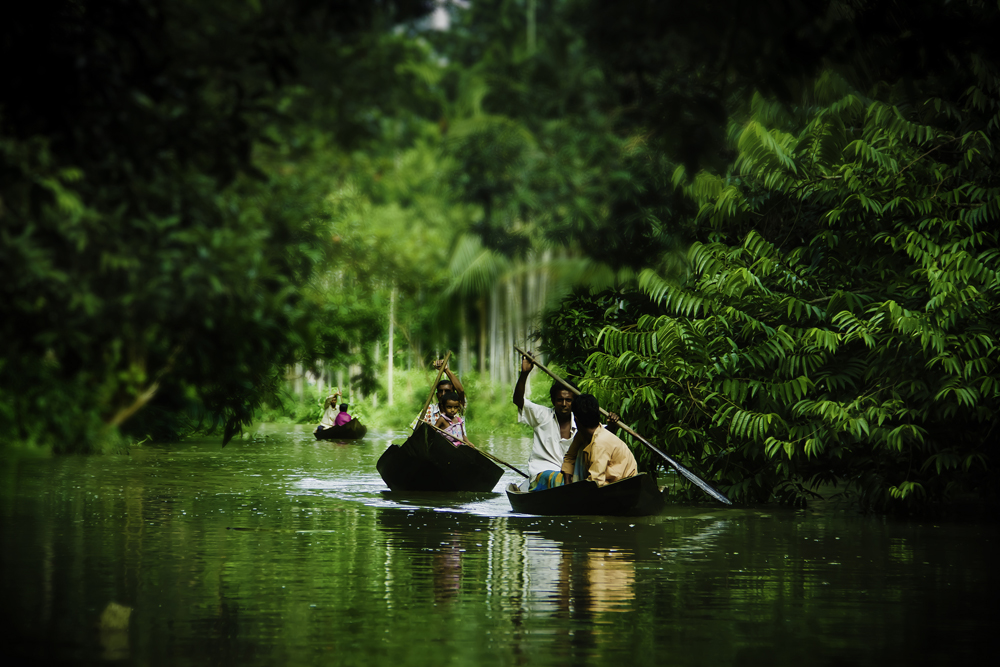
Babuganj is one of the 10 upazilas of Barishal district. Banglapedia, the national encyclopedia, gives its area as about 164.87 square kilometres, and the 2011 census counted 140,361 people there. It has six unions, Jahangir Nagar, Kedarpur, Chandpasha, Dehergati, Madhab Pasha and Rahmatpur, with 81 mouzas and 90 villages. It became a thana in 1906 and an upazila in 1983.
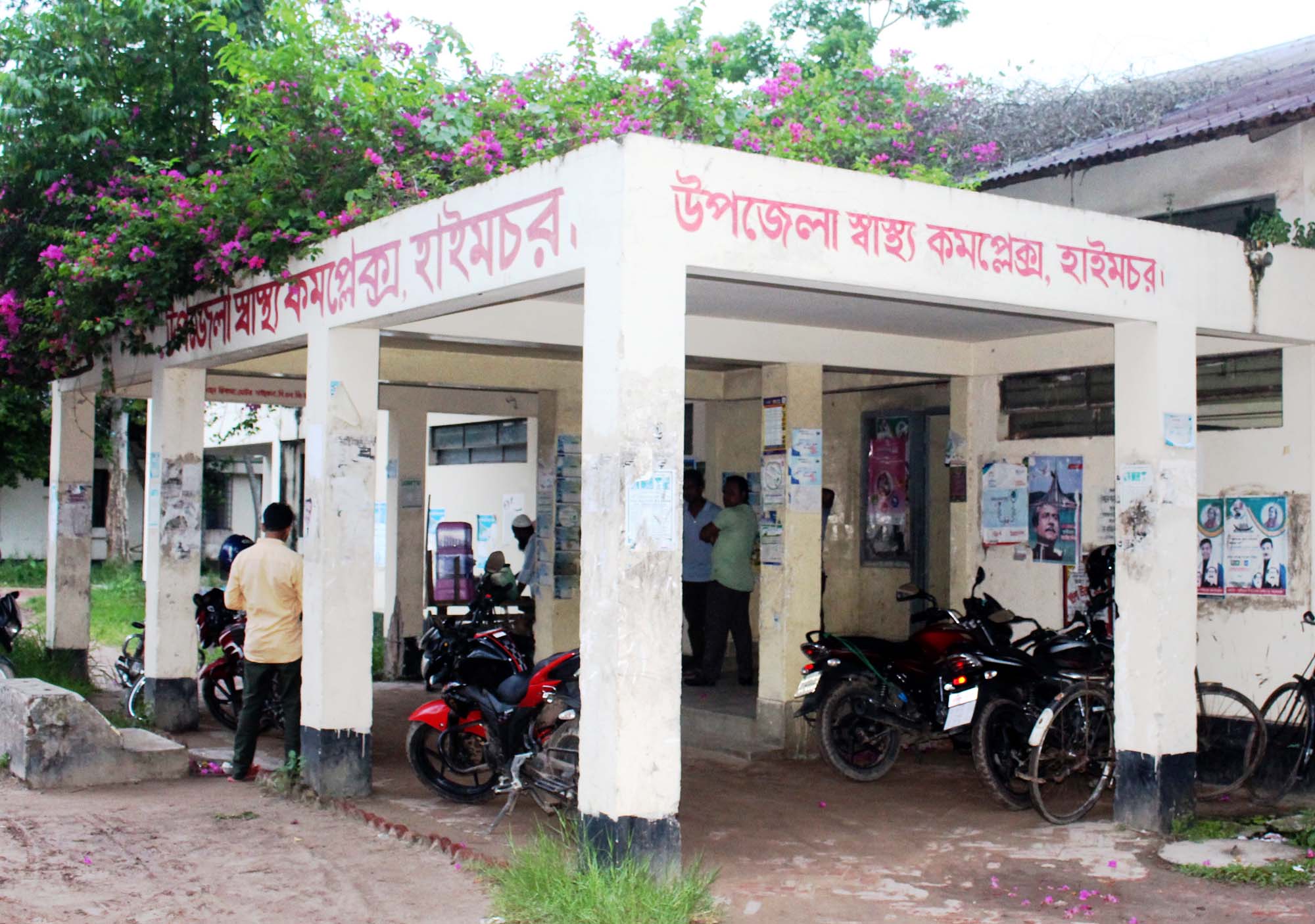
Water is close to everyday life in the upazila. Banglapedia counts about 172 kilometres of waterways, including the Arial Khan and Kalijira rivers, the Dehergati beel and the Rajarbar canal. Agriculture is the largest source of income, at about 50.6 per cent, and the main crops are paddy, sugarcane, pulses, betel leaf and vegetables. Transport and communication, the line of work Sayem was in, stands at about 2.8 per cent. The encyclopedia lists one upazila health complex, four family planning centres and four satellite clinics.
The wider district covers 2,784.52 square kilometres and had 2,324,310 people in the 2011 census. Its rivers include the Meghna, Arial Khan, Kirtankhola and Tentulia, and agriculture is its largest source of income, at 48.25 per cent.
The hospital where Sayem was treated is the teaching hospital of Sher-e-Bangla Medical College, on the bank of the Kirtankhola in the south-east of Barishal town. The college began work in 1968 as Barisal Medical College and was later renamed after A.K. Fazlul Huq. Banglapedia lists the hospital with 500 beds.
Barishal in the national snakebite figures
The best-known community count of snakebite in rural Bangladesh was carried out between February and June 2009 and published in PLOS Neglected Tropical Diseases in 2010. Its authors, led by Ridwanur Rahman, surveyed 18,857 people in 3,993 households across all six divisions of the time and recorded 98 bites. The overall rate was 623.4 bites per 100,000 person-years. Barisal division stood out at 2,667.7, far above Khulna at 936.2 and Sylhet, the lowest, at 321.6. The Barisal figure rested on 22 bites among 1,277 people surveyed there, and a World Health Organization (WHO) regional guideline later repeated it.
From those results the authors estimated 589,919 people bitten and 6,041 deaths a year in rural Bangladesh, while noting that the death estimate rested on a single recorded death and might not be statistically stable. It was a sharp correction to older counts. A 1988-89 study had found records of only 764 bites, and a postal survey had suggested 4.3 bites per 100,000 people a year.
Later figures have differed, and they are not directly comparable. In 2018 WHO's Bangladesh office put the toll at about 700,000 people affected and roughly 6,000 deaths a year. A National Centre for Disease Control survey of 2021-22, published by the Directorate General of Health Services (DGHS) in June 2023, found about 403,000 bites and 7,511 deaths a year, The Business Standard reported. Dhaka Tribune reported that the survey found 95 per cent of victims came from villages, and that a DGHS report of July 2023 gave about 244 bites per 100,000 people a year.
The 2009 survey also showed how ordinary the circumstances can be. Of the victims, 29 per cent were bitten while walking, and 23 per cent of bites happened at the roadside. Night accounted for 36 per cent of bites, and 71 per cent were on the legs or feet. Bites peaked in the wetter months, with the highest shares in October and July. The WHO guideline and Banglapedia both place the main season from May to October, so Sayem's bite in mid-April came shortly before it.
Why families turn to the ojha
The ojha, also written ozha or ohza and known in some places as a bede, has long been the first call after a bite in rural Bangladesh. In the 2009 survey, snake charmers were the first contact for 86 per cent of victims. Village doctors were the first contact for 6 per cent, and only 3 per cent went first to a registered physician or a hospital, with 10 per cent reaching a doctor or hospital later.
The most common treatment was the recitation of mantras, recorded for 60 per cent of victims. Multiple cuts around the bite were made on 43 per cent, tourniquets were tied on many, 18 per cent were made to vomit, and 11 per cent had blood sucked from the wound by mouth. The authors called several of these practices potentially harmful and urged that snake charmers be trained to stop them and refer patients at once to the nearest health facility.
They suggested possible reasons why rural people did not go to a doctor: not knowing that antivenom works, antivenom missing from public hospitals, no transport, or being unable to pay for the journey. Banglapedia's entry on snakebite says of the healers' rituals that some are useless and some are potentially harmful and life-threatening.
Part of the difficulty is that many bites would not have harmed the person anyway. A 2010 review of snakebite in South Asia in the same journal noted that bites by non-venomous snakes are common and that venomous snakes do not always inject venom, the so-called dry bite. In hospital studies in Bangladesh, between 60 and 80 per cent of bites were non-envenomed. The WHO guideline puts the risk of envenoming after a bite by a venomous snake at only about 50 per cent on average.
Time lost is the danger. The WHO guideline lists prolonged visits to traditional healers among the factors behind fatal outcomes in a study in Thailand, and an initial visit to a healer among the risk factors in Nepal. In a study of 70 monocled cobra bites at Chittagong Medical College Hospital, published in 2017, 37 patients had consulted traditional healers, and the authors recorded that 27 people bitten during the study period died on the way to that hospital. Sayem was taken to hospital before the rituals began, and the reports do not suggest that any healer was involved before his death.
Antivenom is the treatment, and timing matters
The WHO guideline for South-East Asia calls antivenom the only effective antidote for snake venom. It also says antivenom is essential but may not be enough on its own to save a patient's life. Where neurotoxic venom has paralysed the muscles of swallowing and breathing, antivenom alone cannot be relied on to prevent early death from asphyxiation, and artificial ventilation is essential.
Bangladesh has had its own National Guideline for Management of Snakebite since 2019. A position statement in the Bangladesh Journal of Medicine in 2022, by a group including the DGHS line director for non-communicable diseases, said antivenom should be used early once a patient shows neurological signs, a clotting abnormality, steadily increasing local swelling or acute kidney injury. Early use at the first hospital a patient reaches, such as an upazila health complex, can save lives and prevent disability, it said.
Doctors have warned that the medicine has limits when it comes late. In July 2024 Dhaka Tribune quoted a former health services director general, Prof MA Faiz, as saying that patients often reach hospital at the last moment and that antivenom must be given at the right time. Citing his book, the paper gave the time to death as about 8 hours after a cobra bite, 18 hours after a monocled cobra bite and 72 hours after a Russell's viper bite. Dr Mohammad Robed Amin told the paper that antivenom cannot restore breathing, which may need artificial respiration. The reports on Sayem's death give no doctor's account of why the antivenom did not save him.
What health authorities advise after a bite
The WHO guideline and the 2010 South Asia review give the same basic advice: reach medical care as fast as possible. The steps below come from the WHO guideline. They are first aid only, and the treatment itself must come from a doctor.
- Reassure the person, who may be very anxious.
- Lay the person down in a comfortable, safe position and keep the whole body still, above all the bitten limb, with a splint or sling. Any movement or muscle contraction increases absorption of the venom.
- Leave the wound alone: no cutting, rubbing, vigorous cleaning or massage, and no herbs or chemicals on it. These can cause infection, increase absorption of the venom and increase bleeding.
- Do not tie a tight band or tourniquet, try to suck out the venom, use a snake stone or apply ice. Tourniquets have caused many gangrenous limbs. If a band is already on, the guideline says it should ideally stay until the patient is under hospital care and antivenom has been started.
- Do not try to kill the snake, as this may be dangerous. If it has already been killed, take it along for identification, without touching it with bare hands.
- Move the person to a hospital or dispensary as quickly and as safely as possible, by vehicle, boat, motorbike or stretcher, ideally lying on the left side with the airway protected.
- Do not let a traditional treatment delay the journey. Most traditional first-aid methods do more harm than good, the guideline says.
Getting antivenom to the upazilas
Sayem reached a medical college hospital where antivenom was given, but that is not always the case at lower levels. Antivenom is not produced in Bangladesh, and supplies are imported from India, The Business Standard and UNB reported. The Business Standard said in 2023 that a patient typically needs ten vials, at Tk14,000 to Tk16,000 from pharmacies. The same report said there was no scientific study on how well the product works against local snakes, according to Dr Robed Amin.
WHO said that 5,000 antivenom doses were distributed nationwide in 2018, and that in October and November that year it trained 352 doctors from divisional medical college hospitals with the DGHS. At the launch of the 2019 national guideline, the health minister said antivenom should reach the upazila level, where bites are more frequent. By early 2022, Dhaka Tribune reported in 2023, 41,470 doses had gone to 80 medical college hospitals, civil surgeon offices, district hospitals and upazila health complexes, though many had expired, and many upazila hospitals still lacked it. The paper quoted a Dhaka Medical College doctor as saying some doctors avoid giving it at lower-level facilities because severe breathing problems may need intensive care those hospitals lack.
Shortages reached the courts. In August 2025 a report from Thakurgaon said no hospital in that district had antivenom in stock that year, and the civil surgeon confirmed the shortage. On 18 August 2025 the High Court asked the health secretary and other authorities to supply adequate antivenom to all upazila health complexes as soon as possible and to report progress within two months, UNB reported.
Stock alone has not been enough. In November 2025 UNB reported from Chandpur that four people had died of snakebite in the district over nine months, with 555 injured, and that all four had first gone to traditional healers. The civil surgeon said antivenom was stocked at all eight upazila health complexes there, but that low awareness kept people relying on healers. WHO's strategy of 2019 aims to cut deaths and disability from snakebite by half before 2030, and its first aim is to empower and engage communities.
The snakes of Bangladesh and how to avoid a bite
Counts of the country's snakes vary by source. WHO's Bangladesh office gave 82 species in 2018, of which 27 are venomous and six of human concern, while The Business Standard reported about 100 species and 37 venomous ones in 2023. Banglapedia says most are harmless and that fewer than six land species are highly venomous, and it names the cobra, the krait and the king cobra among the elapids. Gokhra (cobra) and keutey (krait) live near people. Their venom is neurotoxic, while the venom of vipers can cause fatal bleeding.
Kraits are night hunters that enter houses in search of prey, and bites by them may be almost painless, according to the WHO guideline. The Russell's viper, which that guideline described in 2010 as restricted to a few western areas, had spread from Rajshahi and Barind to 27 districts by 2024, according to the Venom Research Centre in Chattogram, as Dhaka Tribune reported.
Snakes also have their place in the rural environment. Banglapedia notes that they eat large numbers of rodents and other animals that damage crops. At the 2019 guideline launch the health minister linked the clearing of bushes and forests to snakes moving into rural homes, and warned that killing them could push species towards extinction. Experts quoted by The Business Standard in 2023 pointed to the filling of farmland, ponds and wetlands.
Simple precautions lower the risk, especially for people walking home after dark. The WHO guideline advises using a torch at night, wearing proper shoes or boots and long trousers rather than sandals, watching where you walk, and taking special care after rain, during floods, at harvest time and at night. Around the home it advises clearing rubbish heaps and low bushes and keeping grass short, so that snakes have fewer places to hide.
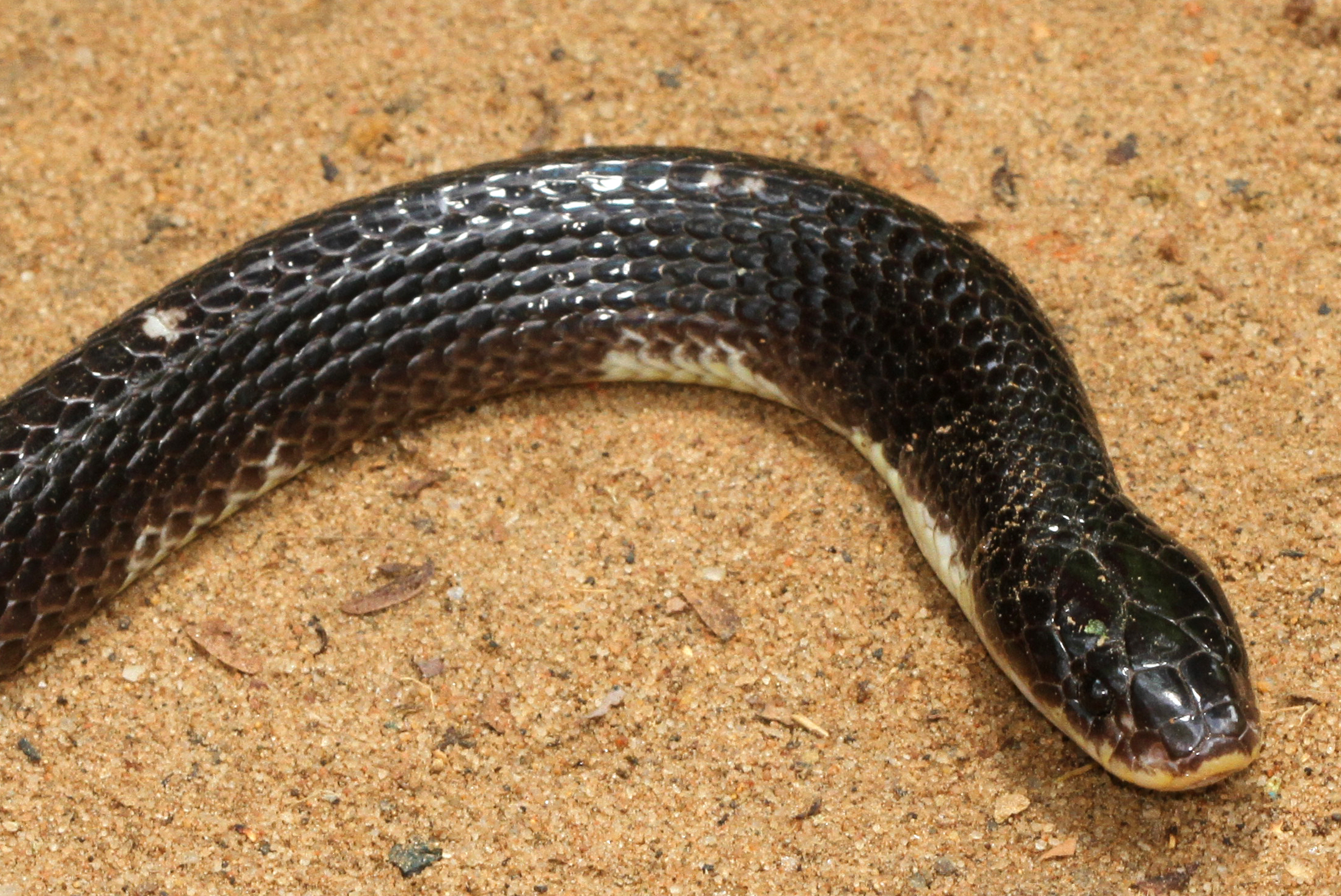
Photo: Lonely Explorer / Wikimedia Commons (CC BY 4.0)
Sources: Jagonews24, The Daily Ittefaq, World Health Organization, PLOS Neglected Tropical Diseases, The American Journal of Tropical Medicine and Hygiene, Bangladesh Journal of Medicine, The Business Standard, Dhaka Tribune, The Daily Star, UNB, Banglapedia
Comments
(0)