
Sharat, or autumn, is the third of Bangladesh's six seasons, made up of the months of Bhadra and Ashwin. In English it is called autumn, while in North America it is known as fall. In this country sharat brings freshness, colour, beauty and gentleness to life, and heralds a string of festivals.
Sharat follows the rainy season. When the heavy rain and endless clouds of the monsoon come to a halt, a calm and serene mood settles over nature, and the season's gentle touch falls on the durba grass. That is why the variety of sharat's beauty is said to be without compare.
Sky, clouds and moonlight
In sharat, the queen of seasons, nature turns soft, calm and generous. Once the incessant rain ends with the month of Shraban, the landscape dresses itself anew. White clouds like tufts of carded cotton drift across the sky, sunlight and shade play hide-and-seek on the ground and on the tips of green paddy plants, and the young rice seedlings dance in the fields. Dew settles on the grass, sunlight turns bright and the air becomes clean.
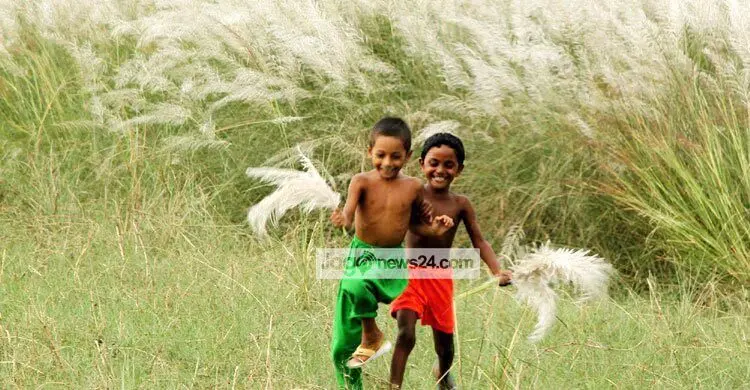
The early morning sun of Bhadra announces the arrival of sharat, and the countryside of Bengal stays clear and pure. Sharat means white clouds moving across a deep, sparkling blue sky; no other season shows such a deep blue. Gardens in bloom and green crops light up the season, along with golden sunshine and white kash flowers swaying in the breeze on riverbanks, while flocks of birds fly across the sky. The countryside rings with the calls of the doel, koel, myna and tia.
On sharat nights the moonlight brings a special beauty. The sky fills with moonlight, as if flowers of light were falling from a cloudless sky, and it seems fairy-tale fairies spread their wings and descend. Childhood dreams drift with the torn white clouds, small paper kites fly on their reels, and the heart sways with joy.
Flowers and fruits of the season
In the early morning, fragrant shiuli flowers lie like a sheet on the dew-damp durba grass beneath the shiuli tree, so sharat means days when the scent of shiuli floats in the air. Other sharat flowers include himjhuri, gaganshirish, chhatim, pakhiphul, panthapadap, bakphul, minjiri, shefali, calliandra, shapla, shaluk, padma, jui, keya, jaba, kamini, malati, mallika, madhabi, boroi flowers, dolonchampa, beli, jarul, nayantara, dhutura, jhinge, joyonti, shwetkanchan, radhachura, sthalpadma, bougainvillea and kash. Sharat fruits include amloki, jolpai, tal, joggodumur, karamcha and chalta.
Another side of sharat is the sea of green paddy across the fields. Morning light sparkles like pearls on the dew gathered on young rice leaves, and the country's farmers count the days in hope of Nabanna, the new harvest. Everyone also knows of the Hindu community's Sharadiya Durga Puja, a festival shared by all Bengalis. Sharat fills followers of the Sanatan faith with festive worship, and also saddens them with the grief of Bijoya. It comes to Bengal's nature as a token of goodwill, carrying many kinds of joy.
Sharat is a symbol of whiteness and a sign of purity. The steady rain of the monsoon washes nature clean, so sharat is a little purer than the other seasons, looking bright and spotless. The air becomes free of pollution, the mind hears a different scent, rhythm and colour, and the heart grows restless.
Source: Jagonews24. First published in Bengali on The Agro News.


Comments
(0)