

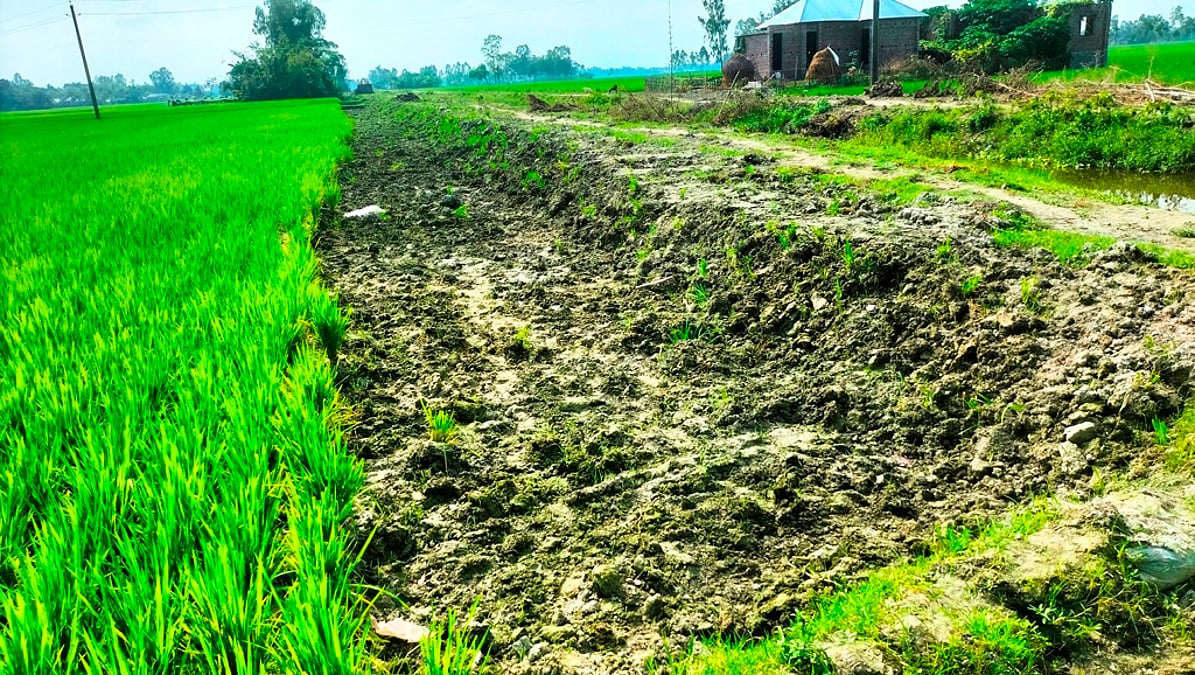
The monsoon arrives in the month of Asharh to ease the scorching heat. Steady rain brings rivers, canals and beels back to life, trees turn green and crop fields look their best. Farm work gets busy, so it is important to know what to do for aus rice this month.
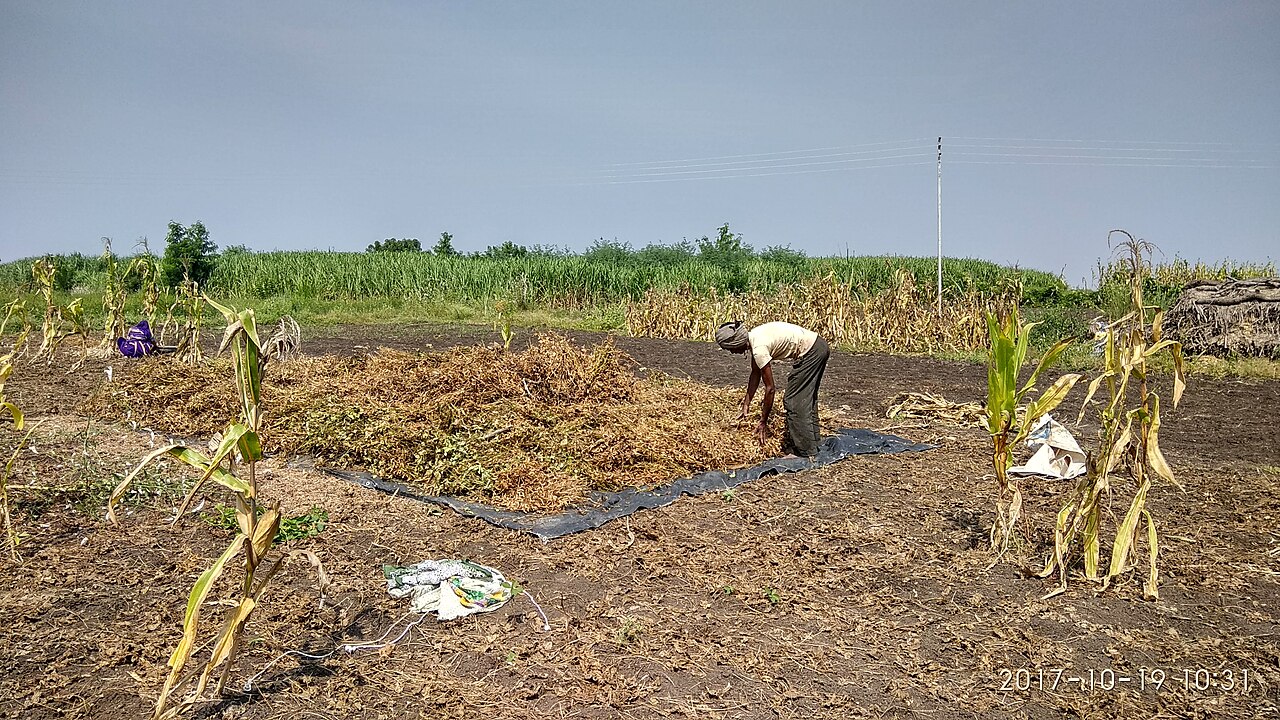
Weeds must be cleared from aus rice fields and other necessary care given. Diseases and pests should be controlled through integrated pest management. If a flood is feared, early-planted aus rice should be harvested, with a combine harvester if needed, as soon as it is 80 per cent ripe. It can then be threshed, cleaned, dried and stored properly.
Storing seed
Seed should be kept in airtight containers. Drums and biscuit or kerosene tins are good for storing seed. The container must be cleaned well and dried. If metal or plastic drums cannot be used, earthen jars, pitchers or thick polythene bags can be used.
If the container is earthen, its outer surface should be given two coats of coal tar and allowed to dry. Sun-dried seed should be cooled before being put in the container, and the container filled completely. If there is not enough seed, lay paper over the seed and fill the rest of the container with dry sand.
The mouth of the container must be sealed well so that no air can get in. It is best to keep seed containers on a raised platform so that the bottom does not touch the ground. If paddy is stored in a granary, mixing in about 120 grams of powdered neem, nishinda or bishkatali leaves per maund of paddy helps prevent insect attack.
Source: Jagonews24. First published in Bengali on The Agro News.

Comments
(0)