
The Agriculture Information Service (AIS) has given advice on how to care for different crops in the Bengali month of Ashar. Its advice is set out below.
Boro rice
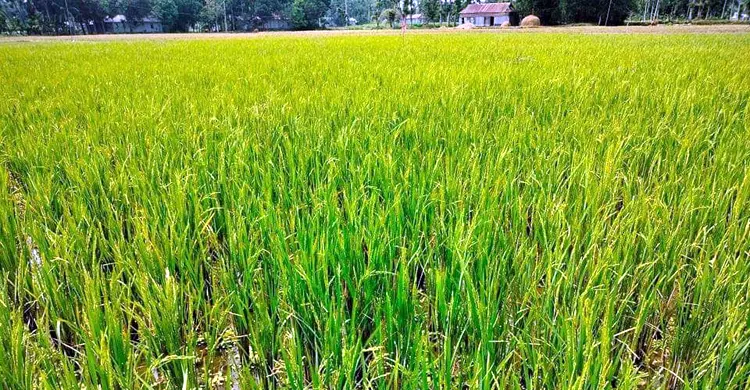
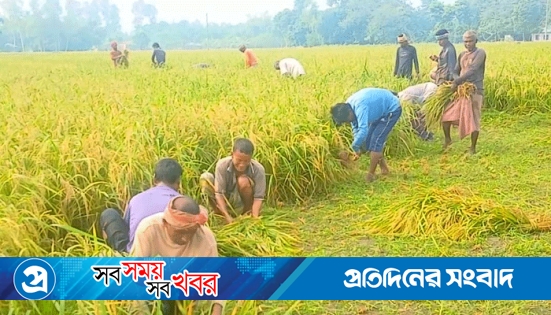
When 80 per cent of the paddy in a field is ripe, harvest it cheaply and quickly with a reaper or combine harvester. A combine harvester can cut and thresh the paddy on about 4 bighas an hour. Thresh paddy gathered with a reaper using a power thresher; this saves time and money.
Aus rice
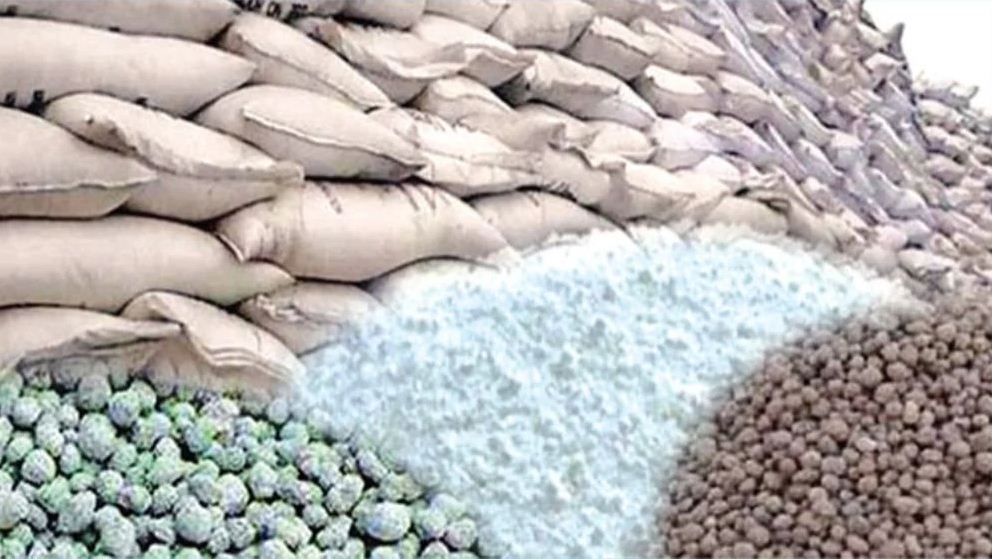
When the seedlings are 12–15 days old, top-dress 18 kg of urea per acre as the first instalment. Apply a second instalment at the same rate 15 days later. To make the urea more effective, keep a thin layer of water in the field when applying it and keep the field free of weeds.
Aman rice
Prepare seedbeds for transplanted aman within this month, and raise extra seedlings because seedlings are lost in floods. Grow BRRI dhan51, BRRI dhan52 and BRRI dhan79 in submerged areas; BRRI dhan56 and BRRI dhan71 in drought-prone areas; BRRI dhan57, BRRI dhan71, BRRI dhan75, BRRI dhan87, BRRI dhan95, BRRI dhan103, BINA dhan17 and BINA dhan22 as short-duration varieties; BRRI dhan62 and BRRI dhan72 for zinc-enriched rice; and BRRI hybrid dhan4 and BRRI hybrid dhan6 for higher yields.
In drought-prone areas, dig mini-ponds in transplanted aman fields to store rainwater. Rice hispa (pamri poka) attacks aus and broadcast aman fields in the month of Jyoishtho. In the early stage of an attack, catch and kill the hispa with hand nets, gamchhas, lungis or mosquito nets. Also cut the affected plants back, leaving 5 cm (2 inches) from the base. If the attack is severe, apply an approved insecticide at the right dose.
Jute
Weed jute fields, thin out crowded and weak seedlings and irrigate properly. Top-dress 40 kg of urea per acre for the Falguni Tossa variety. If the soil lacks moisture or there has been no rain for a long time, give light irrigation, and drain water that has stood after rain. Hairy caterpillars (bichha poka) and semiloopers (ghora poka) attack jute this month. To stop them, collect egg masses and insects from the undersides of leaves and kill or burn them. If the attack is severe, apply an approved insecticide correctly, at the right time and at the right dose.
Vegetables
The more vegetative growth creeping vegetables put on, the less they flower and fruit. So cut back 15–20 per cent of vigorous vines to bring on flowers and fruit sooner. Hand or artificial pollination greatly helps yields in all gourd-family vegetables; ensuring hand pollination every day once plants start to flower will raise yields a lot. Fruit flies do great damage to gourd crops this month. Setting up poles in the field with poison bait traps on top works well, and sex pheromones can also be used to stop the pest.
Trees
Choose sites, dig and prepare pits, apply the first dose of fertiliser and select seedlings this month for planting next month. You can now collect good seed from suitable mother trees of coconut and betel nut and plant it in seedbeds.
Other crops
Grow ginger and turmeric on high or even partly shaded land near the house. Lift sweet potato and groundnut from the fields before the rains start. Summer pulse (jugdal in the text) can also be grown this month. Grow latiraj, pani kachu or other suitable aroids easily on fallow or partly shaded land. For green manure, plough dhaincha or other plants into the soil with a ladder when they are 35–45 days old. You can transplant rice or other seedlings 7–10 days after incorporating the green manure.
Source: Jagonews24. First published in Bengali on The Agro News.

Comments
(0)