
ArkeaBio, a Boston-based start-up developing a vaccine to reduce the methane that cattle belch, has raised $15 million in a Series A2 round led by AgriZeroNZ with support from Breakthrough Energy. At the same time the company has cut its headcount by about a third as it concentrates on reaching the market.
Chief executive Frank Wooten told AgFunderNews that the firm had pared back some initiatives to focus on its first market, New Zealand, its first product and its first revenues, and that it had let go of scientists and commercial staff to secure enough runway. He said the new round is likely to carry the company through to its first commercial product.
The vaccine works on the microbes in the rumen, the stomach compartment where cattle break down complex carbohydrates. Some of those microbes, called methanogens, turn hydrogen and carbon dioxide into methane, which the animal belches out. ArkeaBio's vaccine prompts the cow's immune system to produce antibodies that interfere with the methanogens, so that the hydrogen is used by other microbes to make compounds such as volatile fatty acids instead.
The first product is aimed at a methane cut of about 10 to 15 percent. Wooten said the company has started by targeting a single methanogen species that makes up nearly half of the methanogens in the rumen, and is also working on the second largest. He said no measurable gain in milk or meat output is expected until methane falls by more than 30 percent, and the first product will make no productivity claim. By comparison, the feed additive Bovaer promises a 30 percent cut in lactating dairy cattle.
Wooten, who co-founded the virtual fencing company Vence and joined ArkeaBio in September 2025, argued that a vaccine is the cheapest way to act at scale because vaccines are already used in every livestock market, while most animals outside the United States are never put on the kind of feed that carries an additive.
How often a farmer has to vaccinate matters to the business case. The first product is planned to last three months, which Wooten described as the minimum viable interval for dairy; the company expects six months for its second product and believes beef cattle need about 12. It is also looking at combining its vaccine with common dairy vaccines used on nearly all dairy cattle in New Zealand, which would lower the extra cost to farmers.
ArkeaBio has worked with New Zealand regulators for two years on the approval pathway and expects to submit an application next year, with sales and revenue hoped for in 2028. The report is by Elaine Watson.
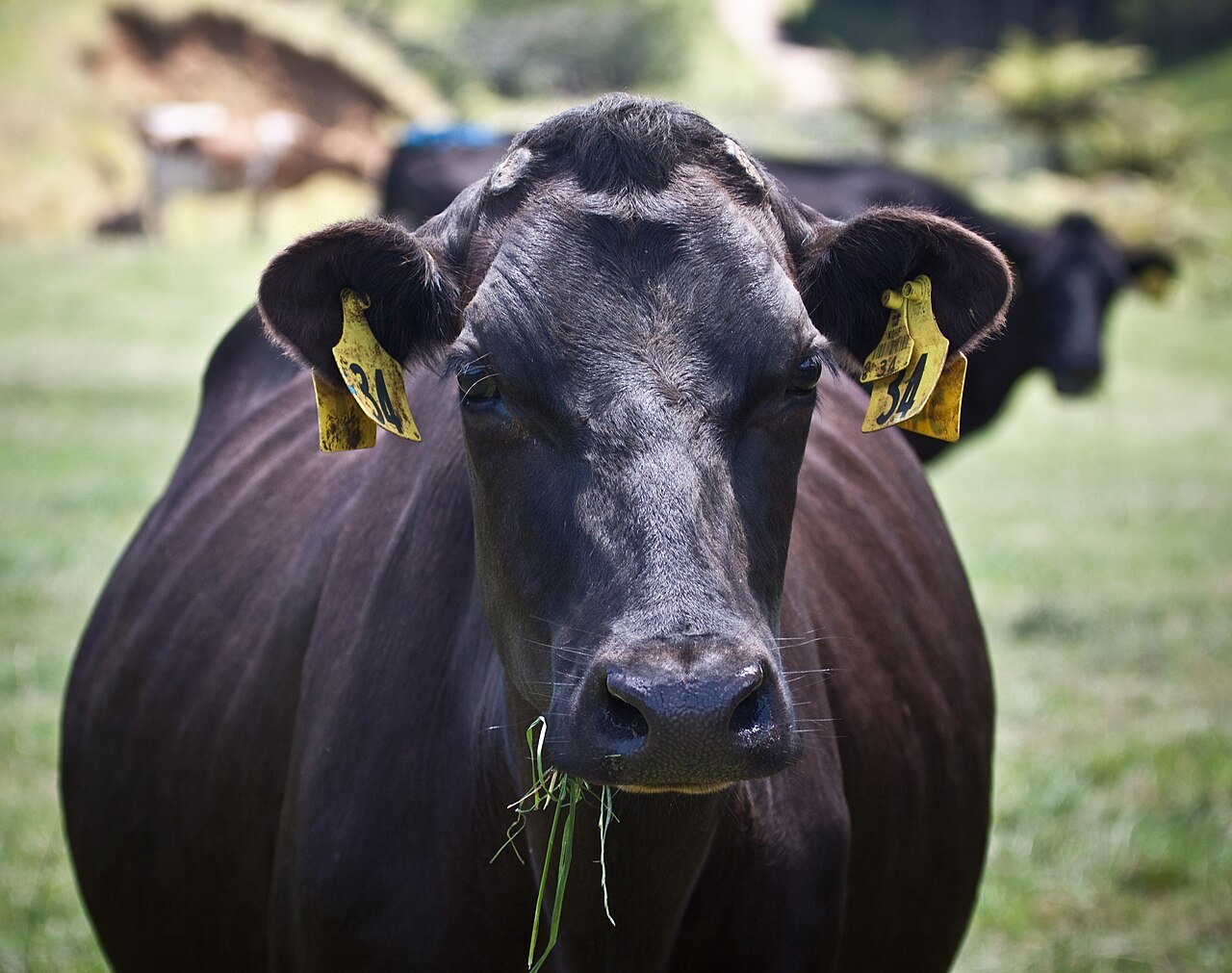
Photo: Dave Young / Wikimedia Commons (CC BY 2.0)
Source: AgFunderNews
Comments
(0)