
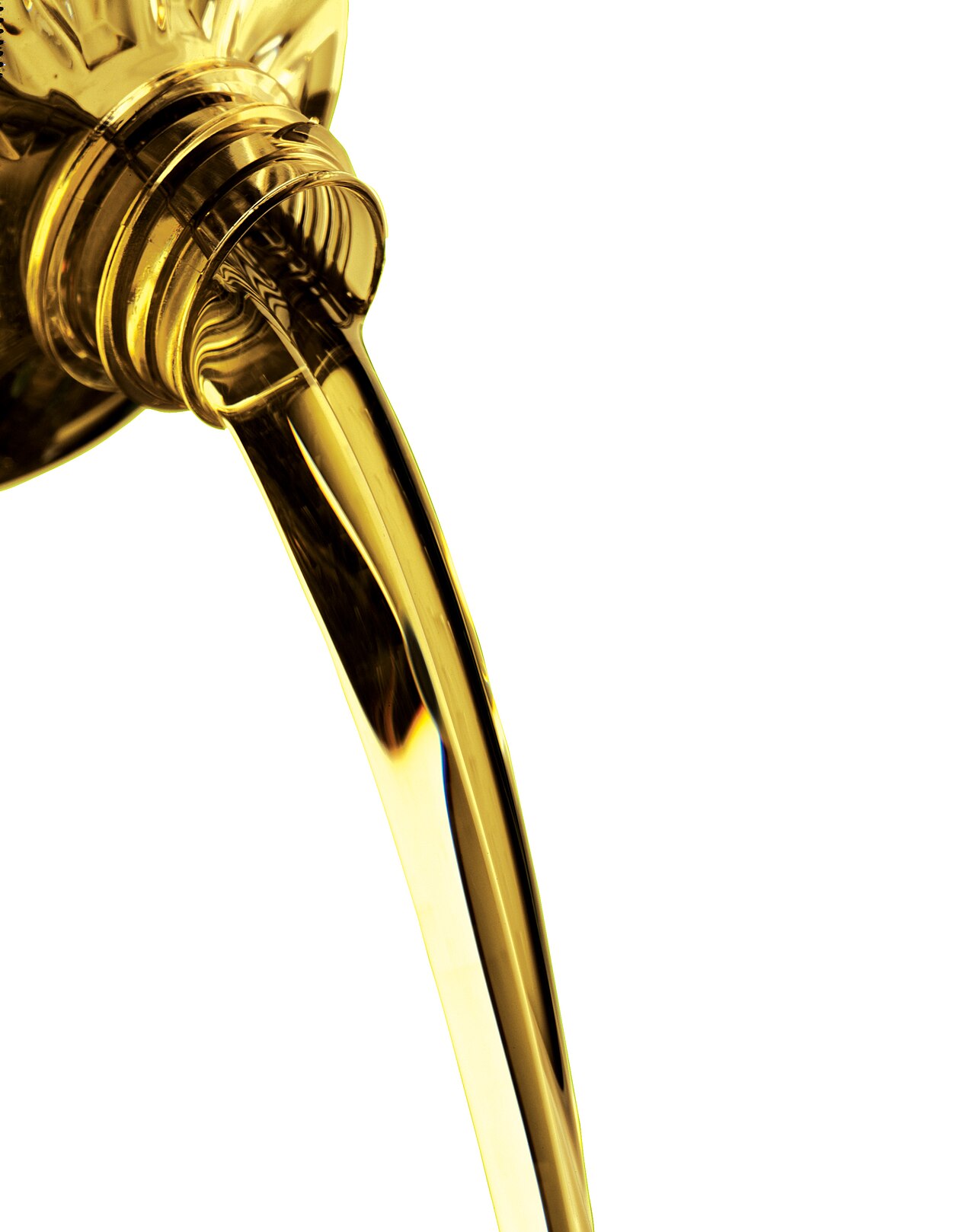
Argentina has overtaken Indonesia as the largest supplier of vegetable oil to India, the world's biggest importer, with Malaysia second and Indonesia, long dominant, slipping to third in the 2025-26 marketing year (October-September), Rural Voice reported, citing the US Department of Agriculture's November Oilseeds: World Markets and Trade report.
Figures from the Solvent Extractors' Association of India show the scale of the shift. From November 2025 to September 2026 India imported 3.44 million tonnes of edible oils from Argentina, about 22.7% of the total, against 2.98 million tonnes (19.7%) from Malaysia and 2.91 million tonnes (19.2%) from Indonesia.
Argentina's gain rests on soybean oil made more competitive by price and cuts in export taxes. Since July 2026 it has also been India's top sunflower oil supplier, making up for smaller shipments from Ukraine and Russia; India doubled its sunflower oil purchases from Argentina compared with the year before.
Indonesia's slide is driven by its own biofuel policy. As it raises biodiesel blending, more of its palm oil stays at home: USDA forecasts domestic consumption of 23.38 million tonnes in 2026-27, up from 22.83 million in 2025-26 and 19.13 million in 2022-23, while exports are projected to fall to 21.6 million tonnes from an estimated 25.03 million. Malaysia, with a better crop and competitive prices, has filled part of the gap, and Thailand has also shipped more palm oil to India.
Palm oil remains India's largest imported vegetable oil. USDA forecasts total Indian vegetable oil imports at a possible record 17.39 million tonnes in 2026-27, up from 16.85 million: palm oil rising to 8.4 million tonnes from 8.1 million, sunflower oil to 3.85 million from 3 million, and soybean oil falling to 5 million from 5.6 million because of tighter world supplies.
The report notes that this growing reliance on imports leaves India exposed to swings in world prices, export restrictions, other countries' biofuel policies and currency movements.
Reporting by Ajeet Singh for Rural Voice.
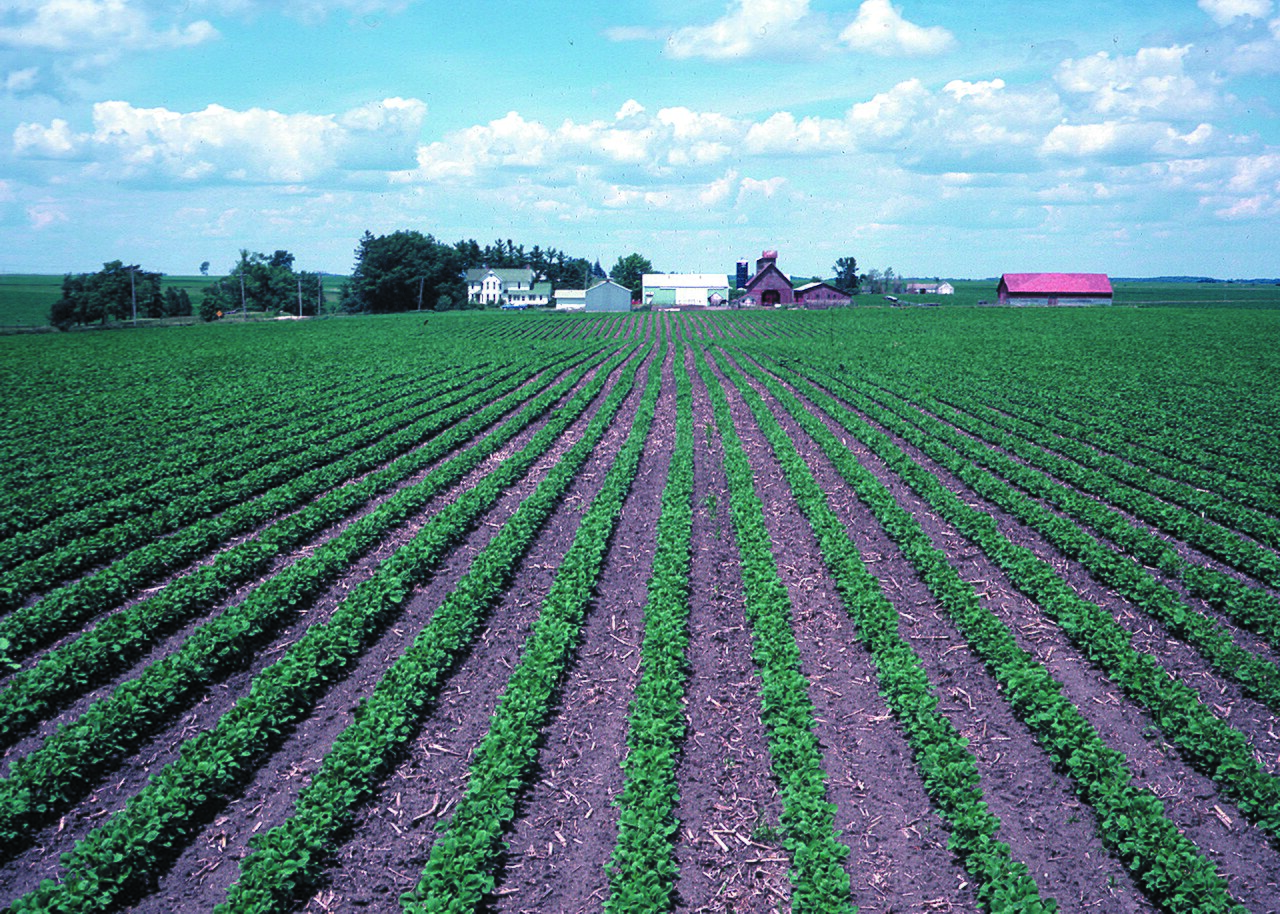
Photo: United Soybean Board / Wikimedia Commons (CC BY 2.0)
Source: Rural Voice
Comments
(0)