
Caryl and Glenn Elzinga arrived in Salmon, Idaho, in 1987 for seasonal jobs — she a plant ecologist, he a forester — and bought a nearby ranch from a retiring couple with an offer that gave the sellers a place for life. What began as a garden and a few beef animals became Alderspring Ranch, a family business selling USDA-certified organic, Real Organic Project-certified, 100% grass-fed and finished beef, Farm Progress reports.
By 2004 they were selling 160 yearlings a year direct to consumers and natural food stores, and the business outgrew the first place. Buying a remote ranch near May, Idaho, involved Idaho Fish and Game, the National Marine Fisheries Service, The Nature Conservancy, the US Fish and Wildlife Service and Idaho Power, because the land was part of a project to move from ditches to sprinklers and reconnect salmon streams. "Some people think this ranch was given to us," Caryl said, "but we are still paying on the mortgage two decades later."
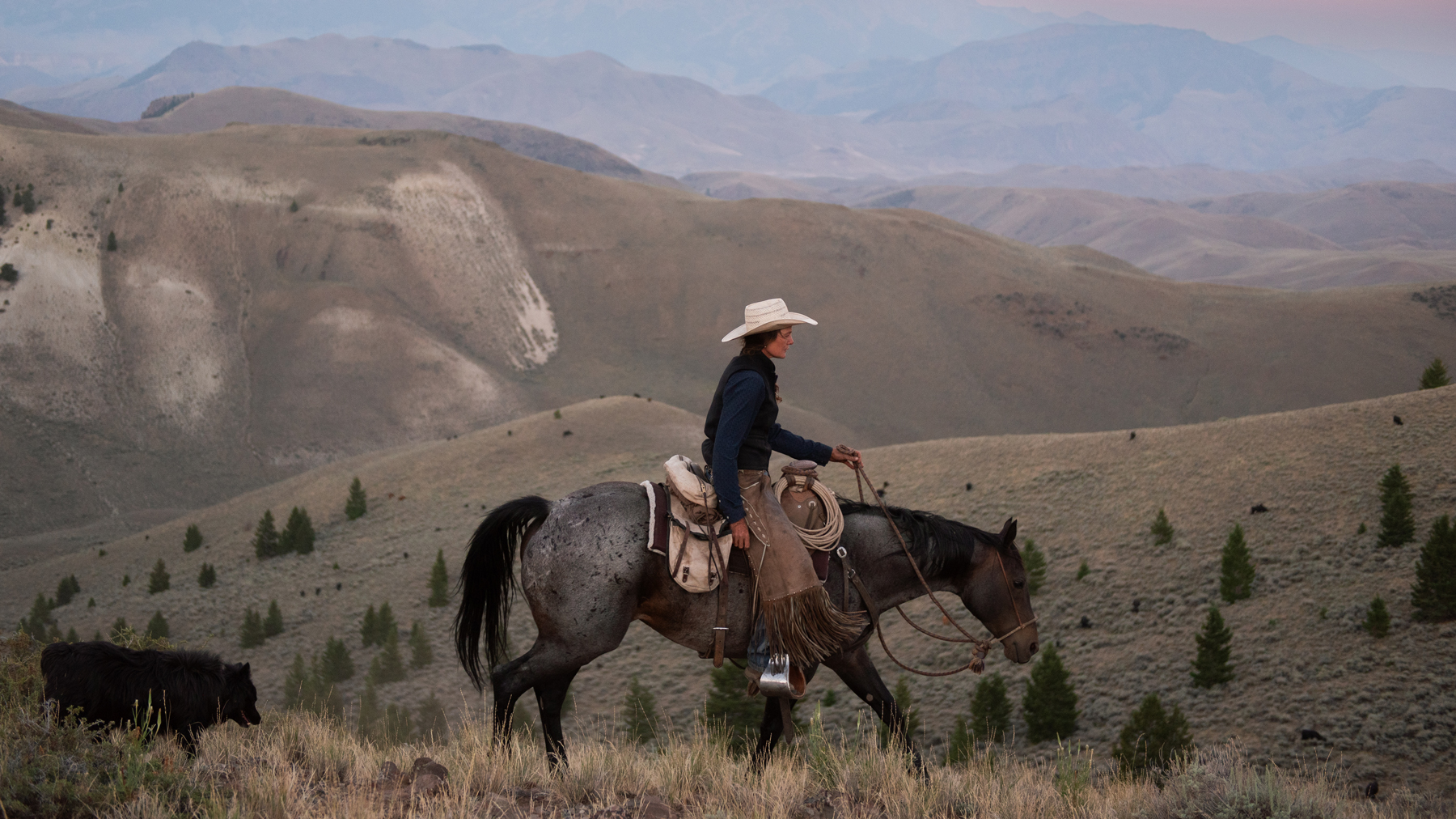
On their Bureau of Land Management range the family controls where cattle graze and when. After losing 6% of their yearlings to wolves in an early year, they put people with the cattle: riders, mostly their daughters, took the herd from camp to the best grass and water each day and yarded them behind two-strand electric fence at night, living in tipi tents staked against the wind. With 600 head arriving to drink together, the 1.25-inch BLM pipelines could not keep up, so the Elzingas added portable and 1,500-gallon storage tanks fed by 15 miles of buried line.
Herded yearlings gain less than on irrigated meadows — 1.7 to 2 pounds a day in good years — but the range from 4,800 to nearly 9,000 feet gives a diet of desert scrub, Indian ricegrass, bluebunch wheatgrass, Idaho fescue and forbs that Caryl says makes healthier meat: a Utah State University researcher found their beef the first he had tested with an omega-6 to omega-3 ratio of 1 to 1, against 2 or 3 to 1 for good grass-fed beef and 6 to 12 to 1 for feedlot beef.
The ranch now uses virtual fencing from Halter. The first 200-plus yearlings were collared in June at the old Hat Ranch homestead and trained for five days inside a paddock of about five miles of electric wire, carried in by pack horse. "After five days, we created a virtual paddock of about 120 acres, and none of them went through the invisible boundary," Glenn said. This year the cows calved on the range, and the pairs learned the collars in a 140-acre paddock. "If you are a poor manager, it won't work as well," he added; the collars keep cattle out of creek bottoms where riders once did.
The branded beef supports five full-time employees, the couple's daughters and their spouses, summer help and an internship programme; finished cattle still go through the family's facility at Tendoy for shipping.
Source: Farm Progress

Comments
(0)