
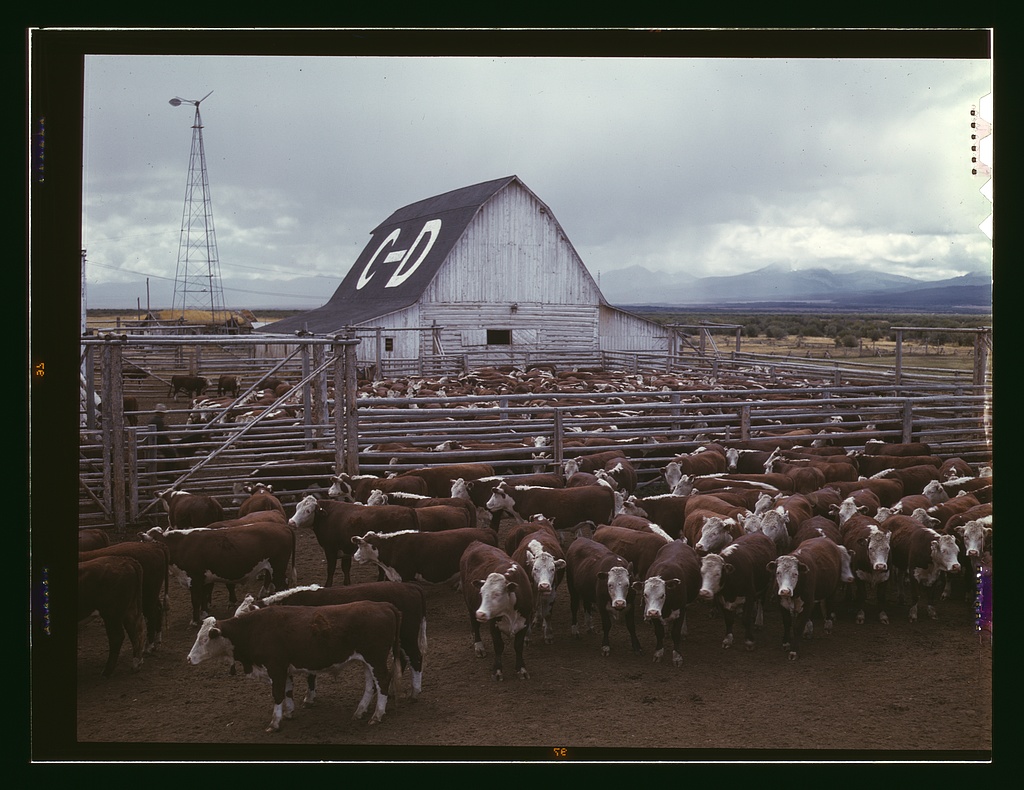
Weaning day is the cattle rancher's harvest, a chance to see how well the cows raised their calves, DTN senior livestock editor Jennifer Carrico writes in the latest instalment of the View From the Range series, which follows Tristan and Shaylyn Stark of S Bar K Cattle and Hay near Baker, Montana, through a year.
"We always wean calves the first part of November," Shaylyn said. "The past several years it has been on Nov. 4." Because the Starks sell calves in summer on a video auction, buyers are given an exact delivery date. This year they sold only steers that way and kept every heifer calf so they could choose replacements.
The work starts days before, with supplies, trucks and extra help lined up. The night before, Tristan and his brother pen cow-calf pairs at the south ranch; at dawn the pairs are split and calves hauled nearly an hour to headquarters, while family members sort the first-calf heifers and his parents' cows at the main ranch.
A Northern Video Auction representative then sorts the steers into groups of similar size, and every calf is weighed in batches of about 15 on a large scale, the total divided by head to give an average. "We sold three loads of steer calves on the video auction, two at 640 pounds and one lighter load at 550 pounds," Shaylyn said. "Our calves outperformed those weights." Buyers this year were in Montana and Colorado. The Starks credit their herd's genetics, even after the drought of recent years in eastern Montana.
Calves staying on the ranch get a respiratory vaccine and a seven-way clostridial vaccine, the same products used at branding, and are left to rest. Smaller outliers may go to the sale barn later; larger steers are kept for the family's beef. Remaining heifers winter in the ranch feedlot on hay, silage, water and minerals, and those chosen as replacements are bred and turned out in late April or May.
"We have been working on making a few changes in our herd, especially getting our cow size more moderate," Shaylyn said. They also select for fleshing ability, sound feet and legs and good udders, and avoid keeping daughters of cows culled for udder problems. Replacements are grown slowly on grass, alfalfa and grain hay and silage, with the aim of cattle that need few extra inputs.
Photo: Russell Lee / Wikimedia Commons (Public domain). The picture shows cattle in ranch corrals in Beaverhead County, Montana.
Source: DTN / Progressive Farmer
Comments
(0)