
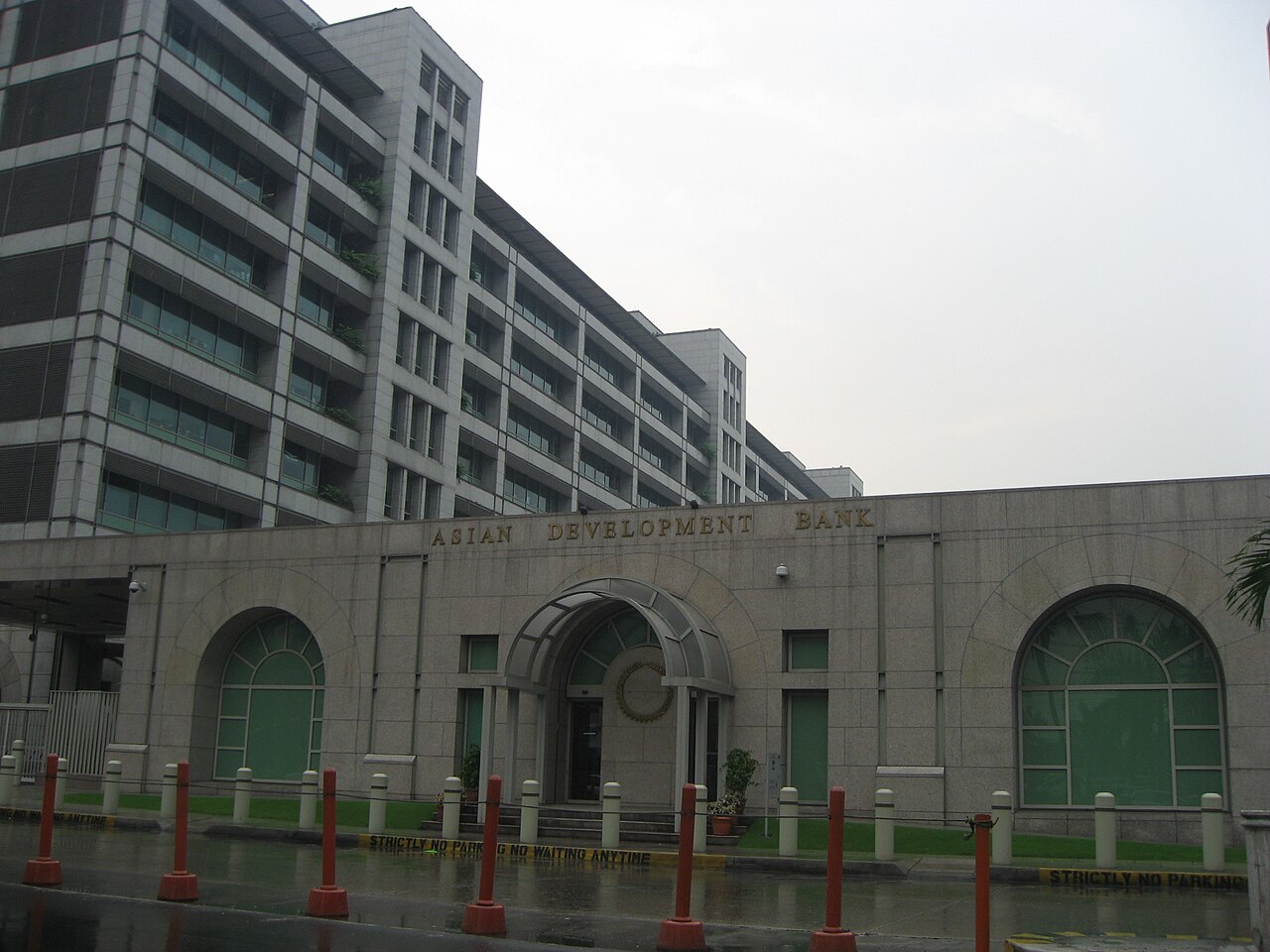
No single party can carry the cost of preparing Asia Pacific's food systems for future shocks, Isabel Chatterton, Director General for Private Sector Operations at the Asian Development Bank (ADB), told AgNavigator. "The cost of resilience is a shared responsibility, but upfront investment should be made by those best placed to manage it," she said.
Governments, she said, should pay for infrastructure such as irrigation, ports, rural roads, storage and contingency logistics, and for public goods including food safety regulation, market information and targeted social protection, which reduce system-wide risk, attract private capital and protect low-income consumers.
Private companies should invest in supplier diversification, traceability, climate-smart procurement, logistics and processing capacity to protect business continuity. Consumers may bear some cost through prices or taxes, she said, but good resilience investments should reduce volatility and long-term losses.
Multilateral lenders help align public and private interests by sharing risk and keeping finance available when markets are under stress. Chatterton pointed to trade finance, "less visible than ports, warehouses, or roads", which keeps viable transactions going when liquidity tightens: ADB's Trade and Supply Chain Finance Programme supported US$5.7 billion of trade in 2025, including US$1.7 billion linked to food security.
The question has grown more urgent after the COVID-19 pandemic, Russia's war in Ukraine and tensions in the Middle East exposed weaknesses in the region's food security. Chatterton is due to speak at the APAC Agri-Food Innovation Summit in Singapore from 27 to 29 October. The report is by Amanda Lim.
Photo: Eugene Alvin Villar (seav) / Wikimedia Commons (CC BY-SA 4.0)
Source: AgNavigator


Comments
(0)