
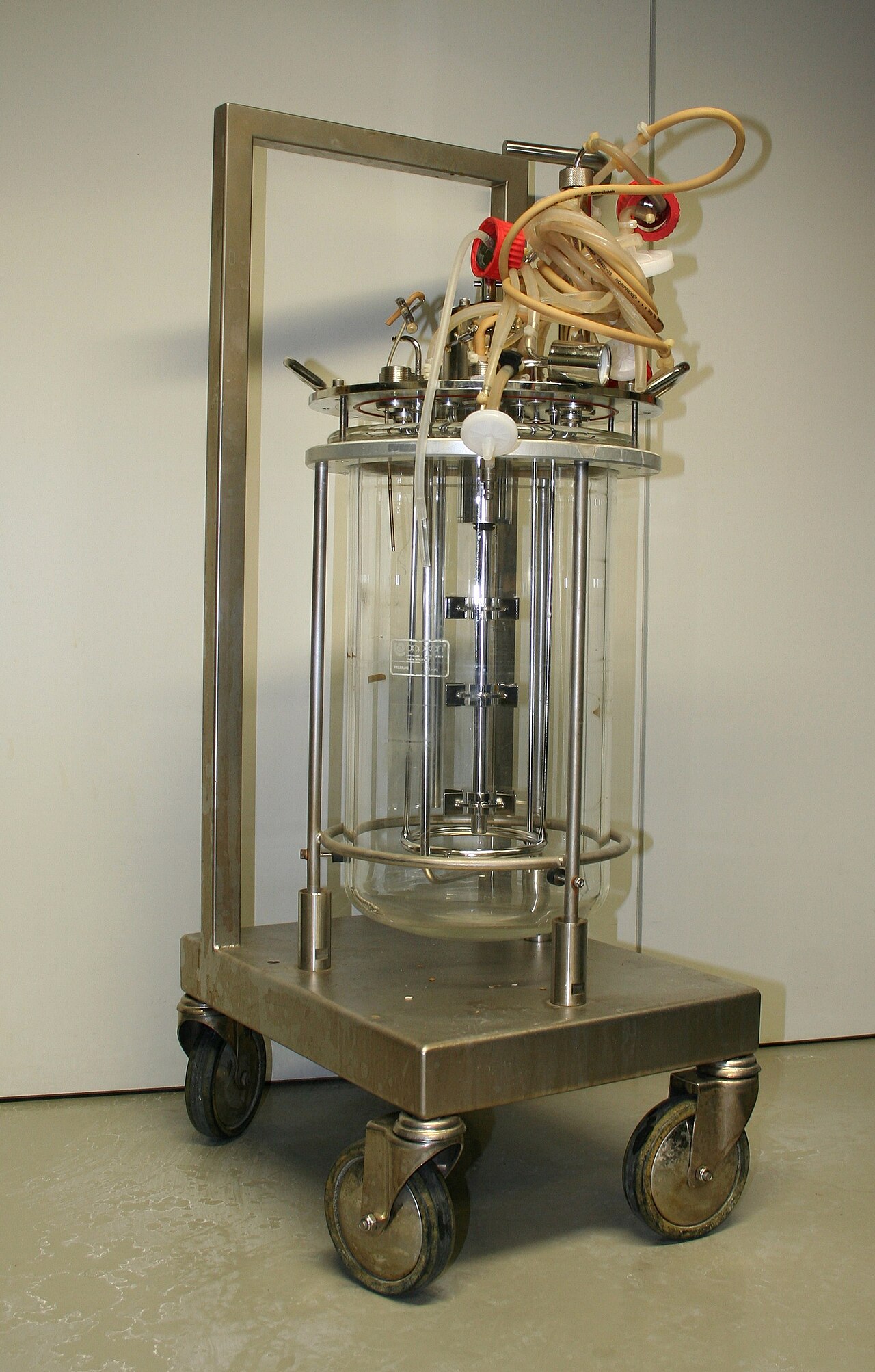
Zymofix, a biotechnology company based in Ghent, has raised 6 million euros in a Series A round to build its first industrial plant for the living microorganisms used in biological crop inputs. The plant, in Deinze, Belgium, is due to start operating in the fourth quarter of 2027. The company announced the round on 30 September.
The round was led by First Imagine!, with VP Capital, HTGF and The Nest Family Office investing again. It follows a seed round of 2 million euros closed in November 2024, according to trade coverage of the announcement.
Most biological crop inputs are made by liquid fermentation, in which many useful strains grow poorly. Zymofix's technology, called Zyft, is a solid-state fermentation platform designed for those difficult strains, and the company says it has tested more than 170 bacterial, fungal and yeast strains on it.
The Deinze plant will start with an output of 300 tonnes a year, which Zymofix estimates is enough to treat roughly one million hectares of farmland. A second phase, budgeted at 25 million euros and planned for 2028, would raise capacity to 2,000 tonnes a year. The company already works as a contract manufacturer for more than 15 customers, most of them multinational farm-input companies, and plans to grow from about 35 staff to 60 by the end of 2027.
Chief executive and co-founder Emile Redant said that making microorganisms consistently and at commercial volumes remains harder than developing the biology itself. Boris Dorin, a partner at First Imagine!, said manufacturing is where Europe's biologicals sector is thinnest.
Biostimulants, biofertilisers and biocontrol products are becoming a regular part of crop protection programmes as rules on synthetic chemicals tighten and growers look for tools that help with resistance management and residues. Many European developers have had to rely on contract manufacturers in North America or Asia, which adds cost, lead time and supply risk; a large plant in Europe built for hard-to-grow strains is aimed at that bottleneck.
Photo: Pleple2000 / Wikimedia Commons (CC BY-SA 3.0)
Source: Global Agriculture

Comments
(0)