
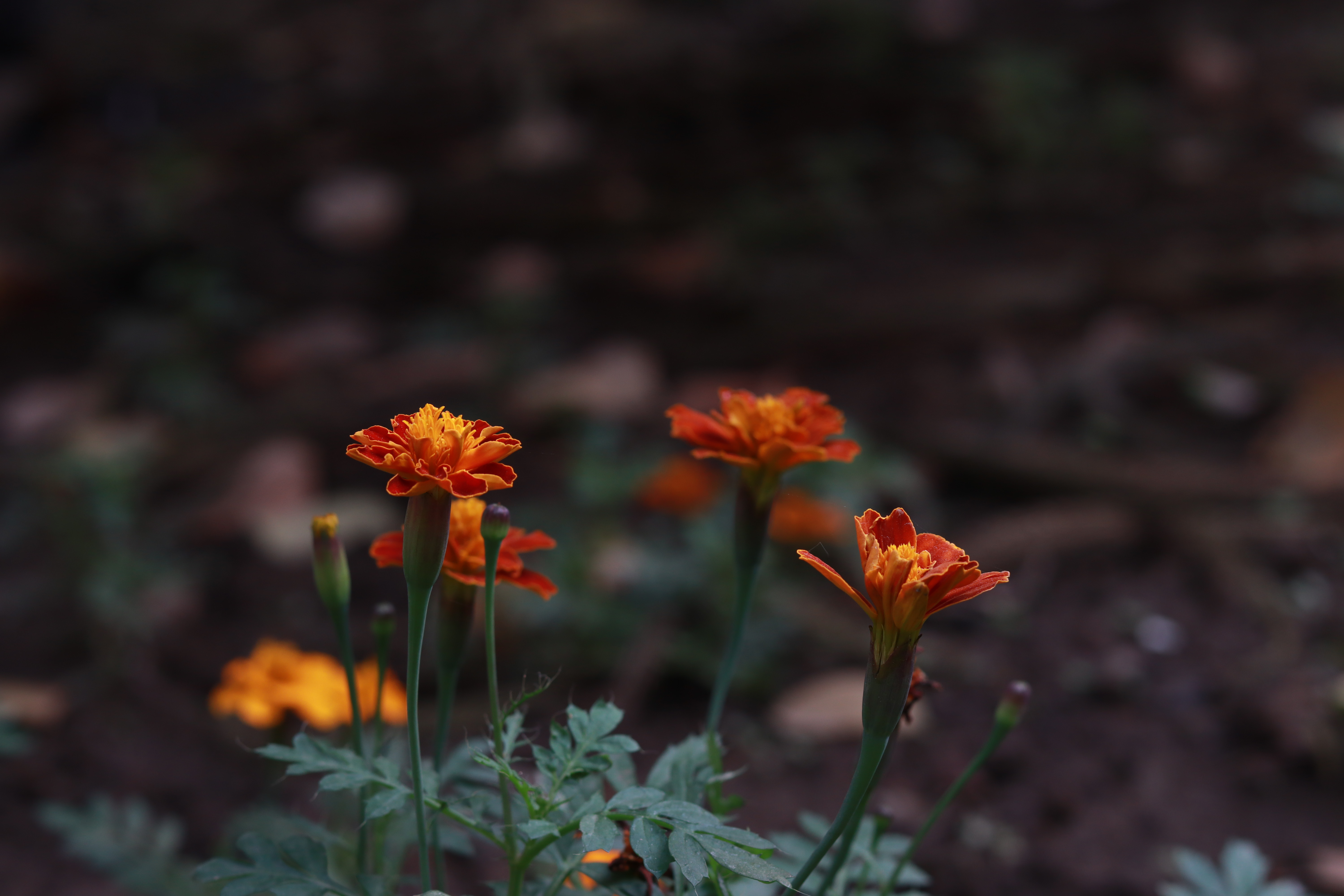
In March 2025 Jagonews24 published a profile of the zinnia, one of the most colourful seasonal flowers grown in Bangladesh. It is attractive and easy to grow, though it has no scent. Native to Mexico, the zinnia is now grown in gardens, pots and rooftop beds around the world, and although it is known in Bangladesh as a winter flower, the report noted that it can be grown all year round.
A flower from Mexico
The zinnia belongs to the Asteraceae family. According to Wikipedia, the genus is named after the German scientist Johann Gottfried Zinn (1727-1759), who collected seeds of Zinnia elegans in Mexico. Its species grow wild in scrub and dry grassland from the south-western United States to South America, with Mexico as the centre of diversity. Jagonews24 said at least 20 species had been identified; the most widely grown is Zinnia elegans, the common zinnia.
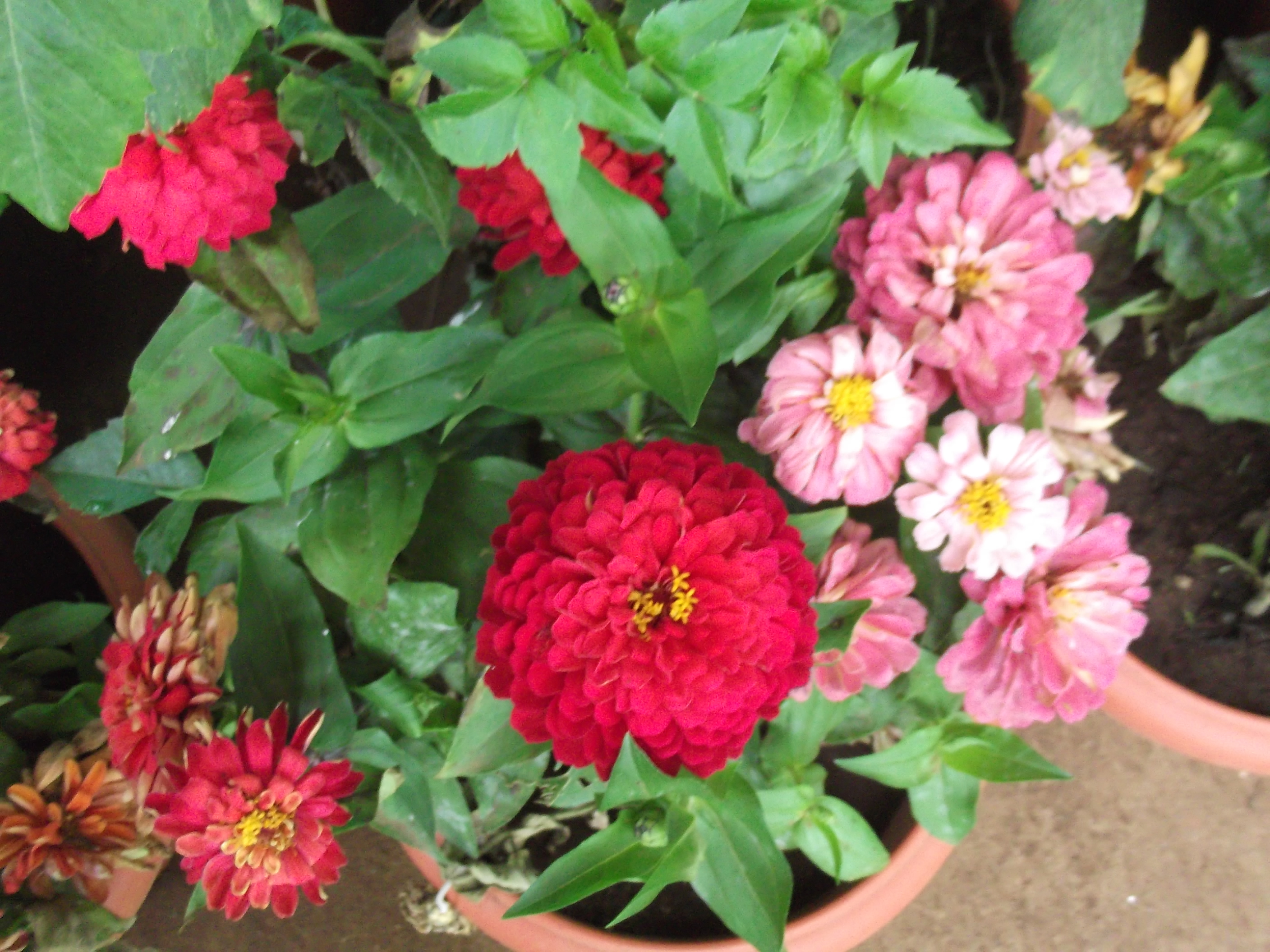
Zinnia flowers come in white, yellow, orange, red, pink, purple, brown and even greenish shades. North Carolina State University Extension notes that the flower heads of Zinnia elegans can be 4 to 8 inches across and are usually semi-double to double. The popular double forms, Jagonews24 wrote, look much like chrysanthemums, and in their range of shape and colour zinnias bear comparison with dahlias and chrysanthemums.
The plant and its flowers
According to the report, zinnia plants usually grow 60 to 70 cm tall with few branches. The leaves are small, greyish green and rough; Wikipedia describes them as lance-shaped with a sandpapery texture. NC State Extension puts the height at anywhere from 6 inches to 3 feet, depending on the cultivar. Upward-facing flowers form at the tip of almost every branch, with the pollen at the centre of many soft petals, and open blooms stay fresh on the plant for a long time. Butterflies, bees and hummingbirds are drawn to them.
From sowing to care
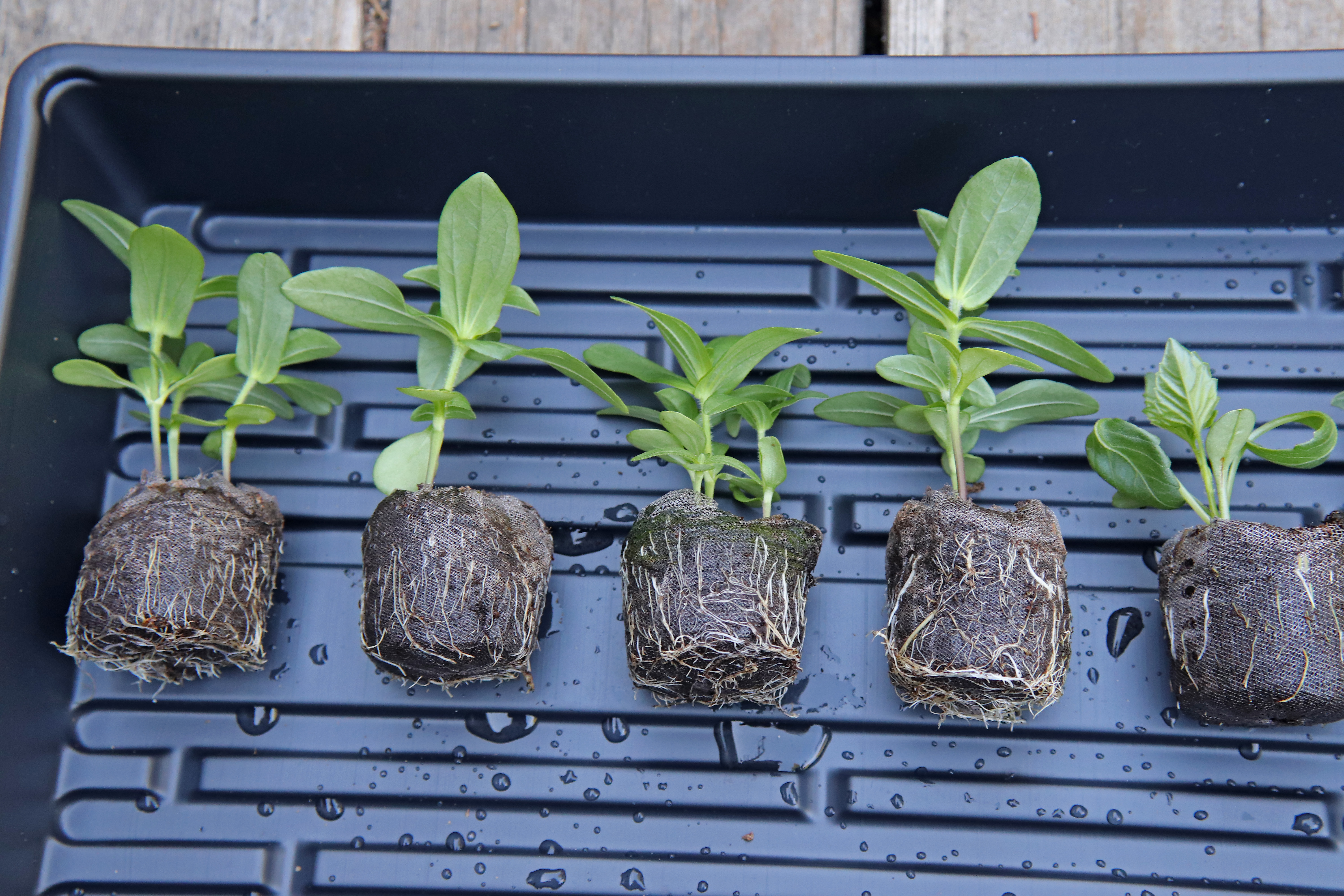
Zinnias are raised from seed. Jagonews24 gave mid-June to October as the right time in Bangladesh for sowing and raising seedlings. In colder countries NC State Extension advises sowing directly in the ground after the last frost. Wikipedia notes that zinnias dislike being transplanted because their roots are fragile, although seedlings can be started indoors four to six weeks before planting out. The sources agree on the basics:
- Light: full sun all day, or at least six hours of direct sunlight according to NC State.
- Soil: fertile, well-drained loam rich in organic matter; zinnias do poorly in damp ground.
- Water: water at the base to keep the leaves dry; if watering from above, do it early in the morning so the foliage dries quickly.
- Spacing: leave enough room between plants for air to move, which reduces disease.
Clemson University's Home and Garden Information Center lists powdery mildew, a greyish-white powdery coating on the leaves, as a common zinnia disease, along with Alternaria, bacterial and Cercospora leaf spots; plants in partial shade are more prone to leaf spot. Aphids, spider mites and whiteflies can cause damage in hot, dry weather, and the centre recommends insecticidal soap rather than broad-spectrum insecticides to protect beneficial insects.
From vase and rooftop to orbit
The report called the zinnia unrivalled as a cut flower for vases and bouquets. Seedlings are sold at local nurseries, and the plant grows readily on rooftops and in balcony pots. NC State Extension also recommends it for containers, borders, mass plantings and pollinator gardens.
Zinnias have even bloomed in space. NASA reports that on 16 November 2015 astronaut Kjell Lindgren activated rooting pillows of zinnia seeds in the Veggie plant growth system on the International Space Station, and on 16 January 2016 Expedition 46 commander Scott Kelly photographed the open flower. NASA said the experiment helped scientists understand plant growth in microgravity and let crews practise the self-reliant gardening needed for deep space missions.
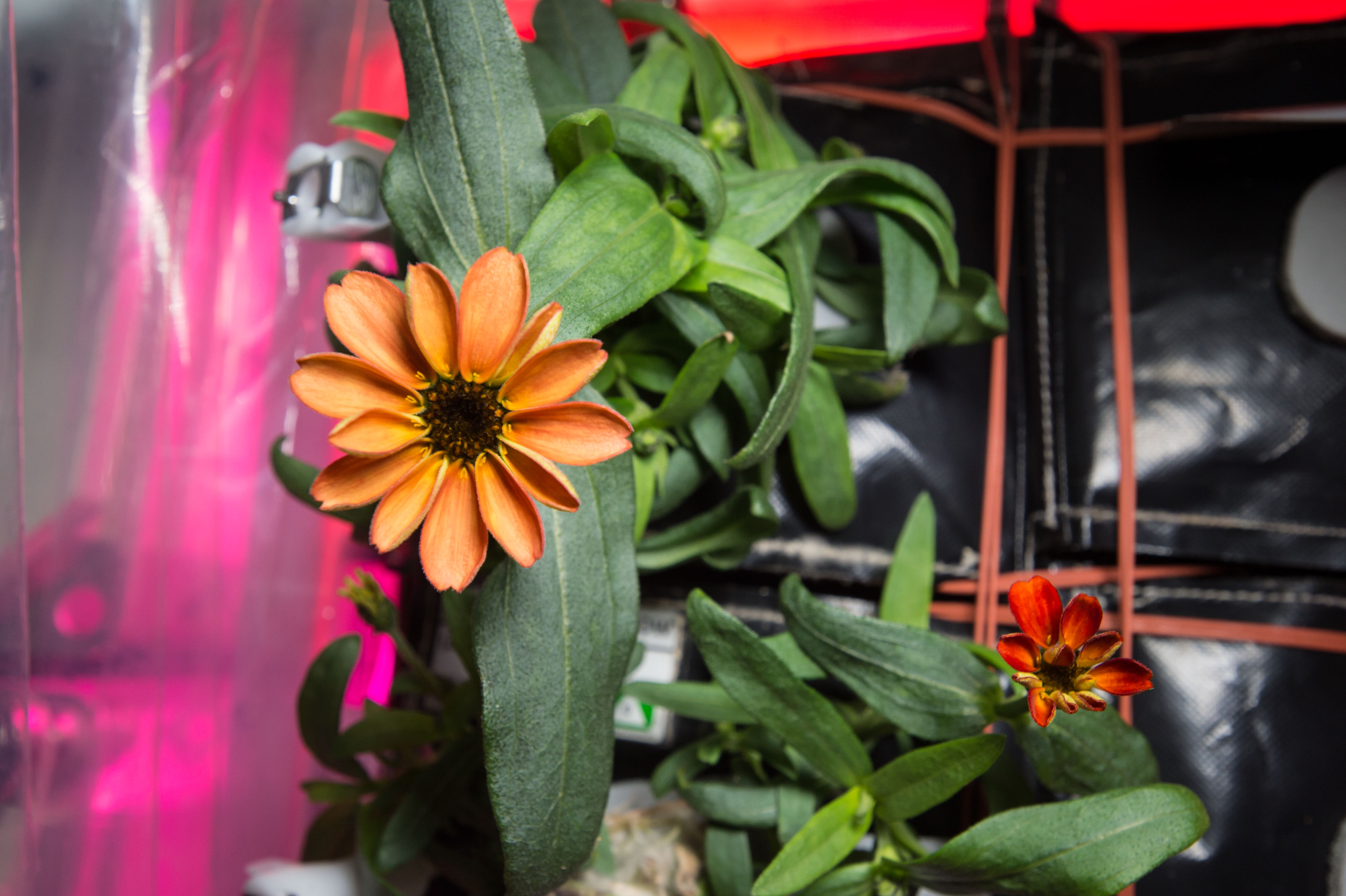
Photo: Wasiul Bahar / Wikimedia Commons (CC BY-SA 4.0)
Sources: Jagonews24, Wikipedia, North Carolina State University Extension, Clemson University Home and Garden Information Center, NASA
Comments
(0)