
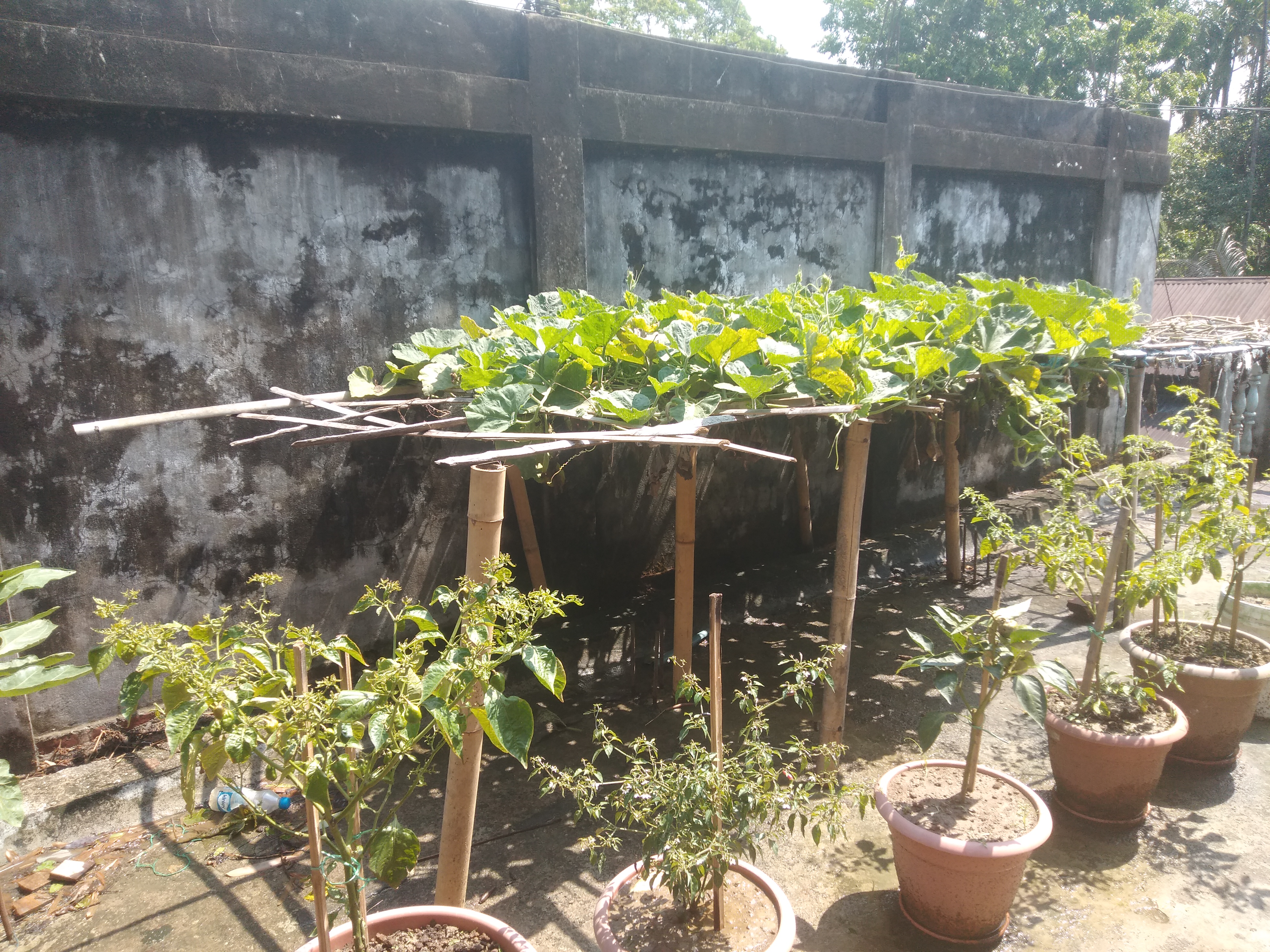
City dwellers without land can still grow winter vegetables in pots of different sizes on a roof, balcony or window ledge. A Jagonews24 report set out the steps, from choosing crops and mixing soil to sowing, watering and picking. The advice is expanded here with guidance from Bangladesh's Agriculture Information Service (AIS) and the extension services of two US universities.
Which vegetables suit pots
Crops the report named:
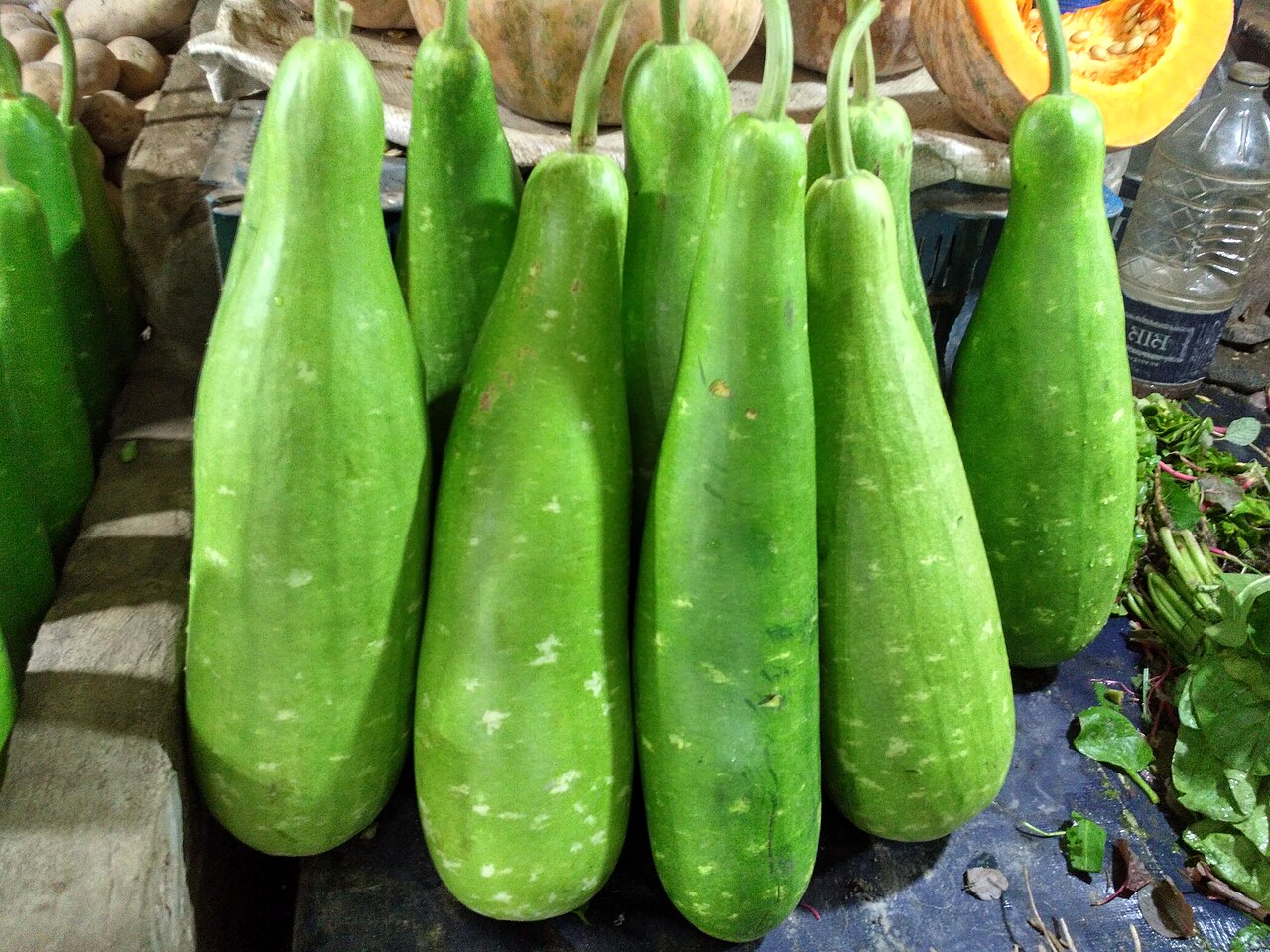
- Fruiting vegetables: tomato, aubergine, chilli, cucumber, ridge gourd, sweet pumpkin, bottle gourd, papaya
- Pods: peas, water spinach pods (kolmi shuti)
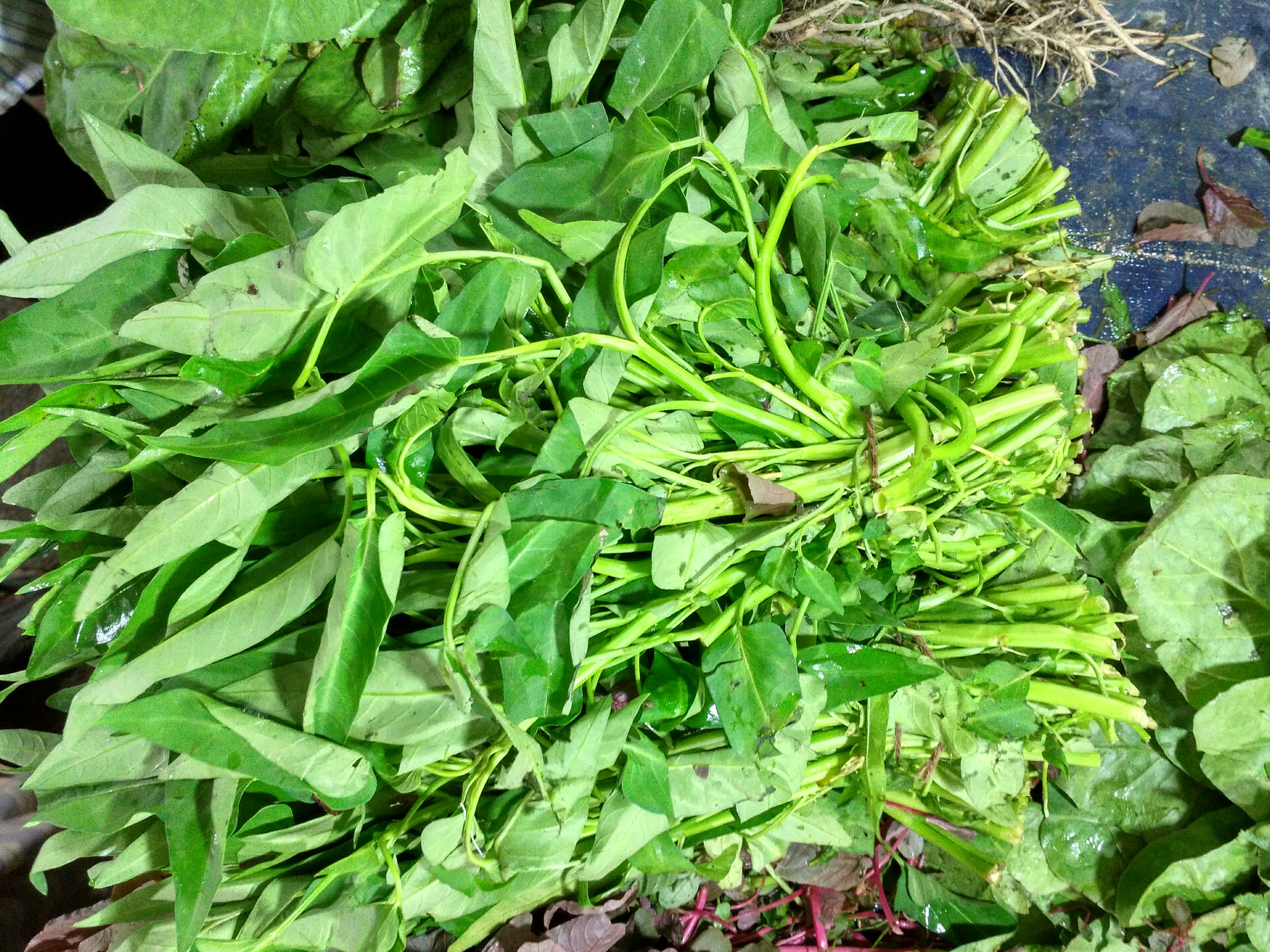
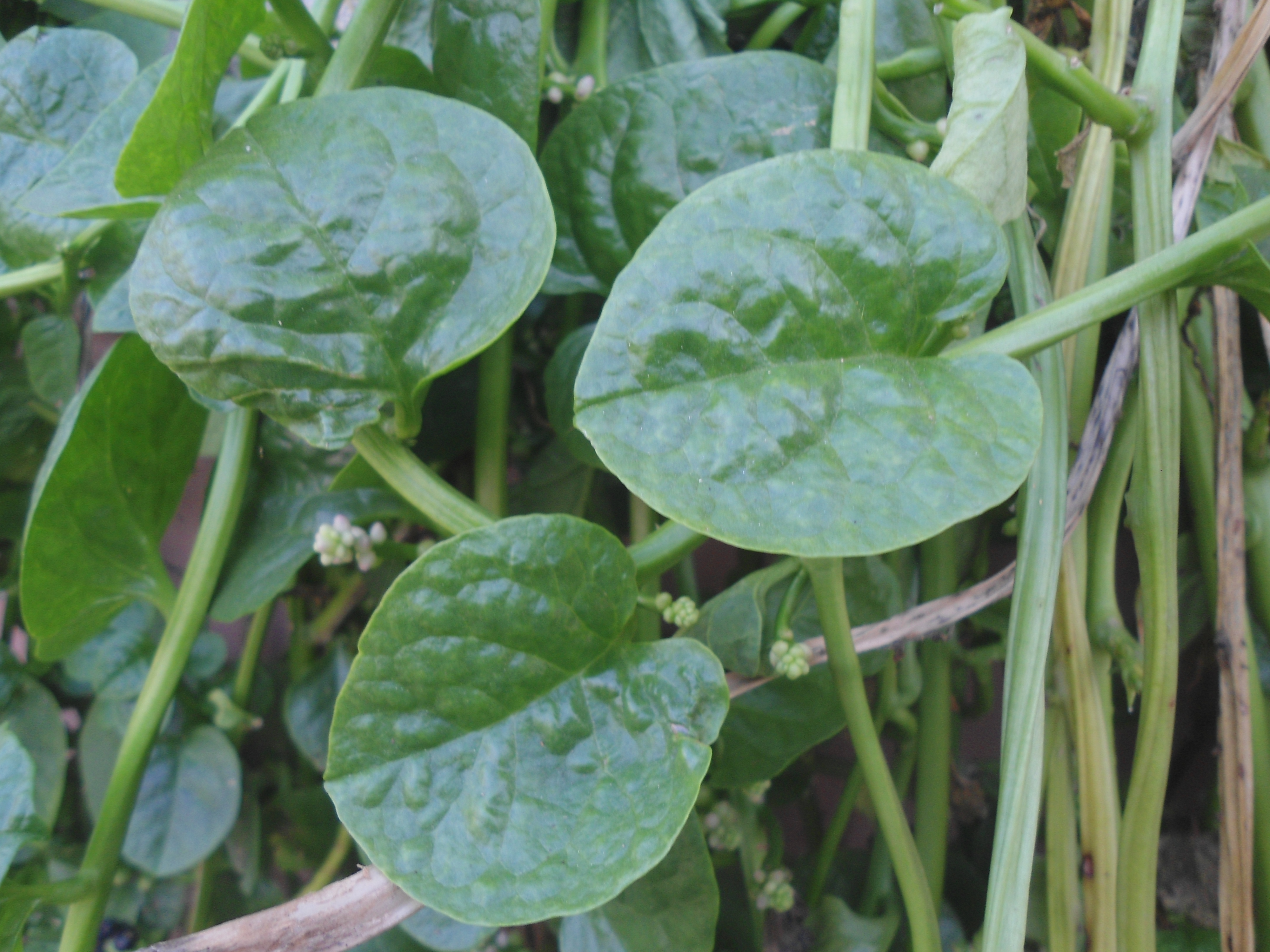
- Leafy greens: water spinach (kolmi shak), Malabar spinach (pui shak), lettuce, broccoli
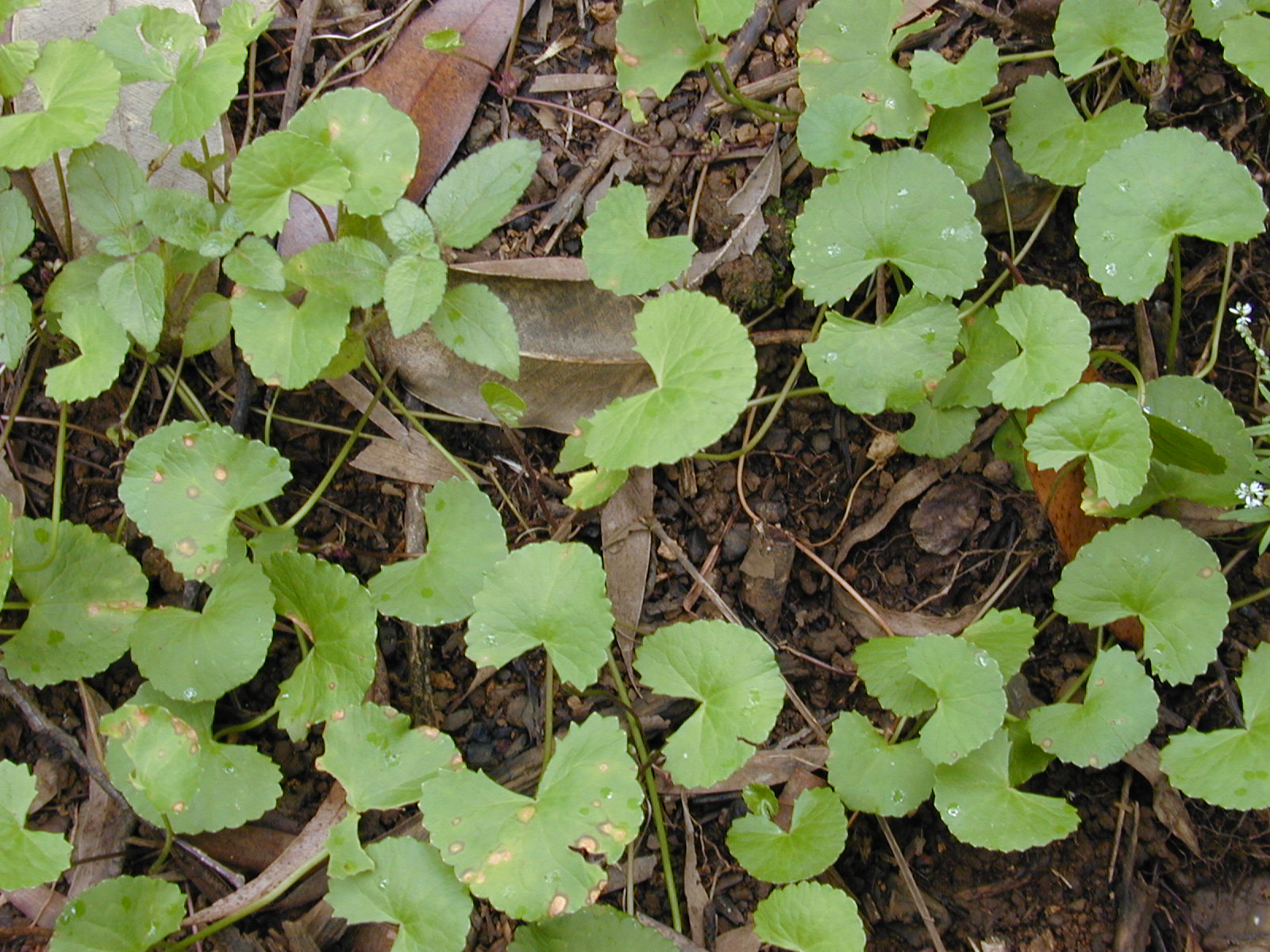
- Herbs: mint, coriander, Asian pennywort (thankuni)
A rooftop gardening guide published by AIS, written by agriculturist Md. Shamim Sheikh, project director of the Urban Agriculture Production Support (Pilot) Project, names BARI Lau-4 and Hazari for bottle gourd and BARI Shim-7 for beans, and notes that dwarf bean varieties suit a roof. Virginia Cooperative Extension says fruiting crops such as tomatoes and peppers need at least six hours of direct sun a day and do better with eight to ten. University of Maryland Extension says cool-season greens such as lettuce and spinach manage with three to five hours of direct sun.
Preparing the soil and drainage
According to Jagonews24, pot soil should be loose and light yet able to hold water. Sieve it first. A seedbed mix can be made from two parts sandy loam and two parts organic manure; if the soil is clayey, add one part sand to lighten it. The AIS guide suggests filling each pot with half soil and half organic manure, mixed with 100 grams each of urea, TSP and MOP and 200 grams of bone meal.
The report also described sterilising soil with 40 percent formaldehyde solution. The International Agency for Research on Cancer (IARC), however, classifies formaldehyde as a known human carcinogen (Group 1), so it needs real caution at home. Maryland Extension recommends a clean mix that is free of disease organisms, insect pests and weed seeds. Every pot needs drainage holes so roots do not sit in water and rot, and a layer of gravel at the bottom makes drainage worse, not better.
Sowing and watering
- Loosen the soil and level the top of the pot.
- Scatter the seed lightly.
- Cover the seed with a thin layer of organic manure.
- Water regularly with a fine-rose watering can so the spray does not wash the covering off the seed.
- For small seeds, water from below rather than from the top, so the seeds are not pushed together and germination is not disturbed.
The AIS guide recommends measured watering twice a day, morning and afternoon. Virginia Extension says established plants may need water daily, or twice a day in hot or windy weather, applied until it runs out of the drainage holes. Maryland Extension advises feeling the mix below the surface before watering and watering at the base of the plant rather than on the leaves.
Care, pest control and harvesting
Cover pots with wire or nylon netting to keep birds off the crop. Pull out weeds with a hand weeder, taking care not to damage the base of the seedlings. Keep pots in light and air, and shelter them from storms, heavy rain or fierce sun.
The original report suggested Heptachlor 40 against ants and spiders. Heptachlor is an organochlorine insecticide listed as a persistent organic pollutant under the Stockholm Convention that can persist for decades; IARC and the US Environmental Protection Agency classify it as a possible human carcinogen. Instead, AIS advises spraying organic pesticides such as neem oil, soapy water or water in which tobacco leaves have been soaked every 7 to 10 days and using pheromone traps against flies.
Pick vegetables while they are still tender rather than leaving them long on the plant. Cut them off gently instead of tearing them, so the plant is not harmed. The AIS guide also advises replacing the top three to four inches of soil in each pot every year and adding fresh manure.
Photo: AbuSayeed / Wikimedia Commons (CC BY-SA 4.0)
Sources: Jagonews24, Agriculture Information Service (AIS), Virginia Cooperative Extension, University of Maryland Extension, Wikipedia (Heptachlor and Formaldehyde)
Comments
(0)