
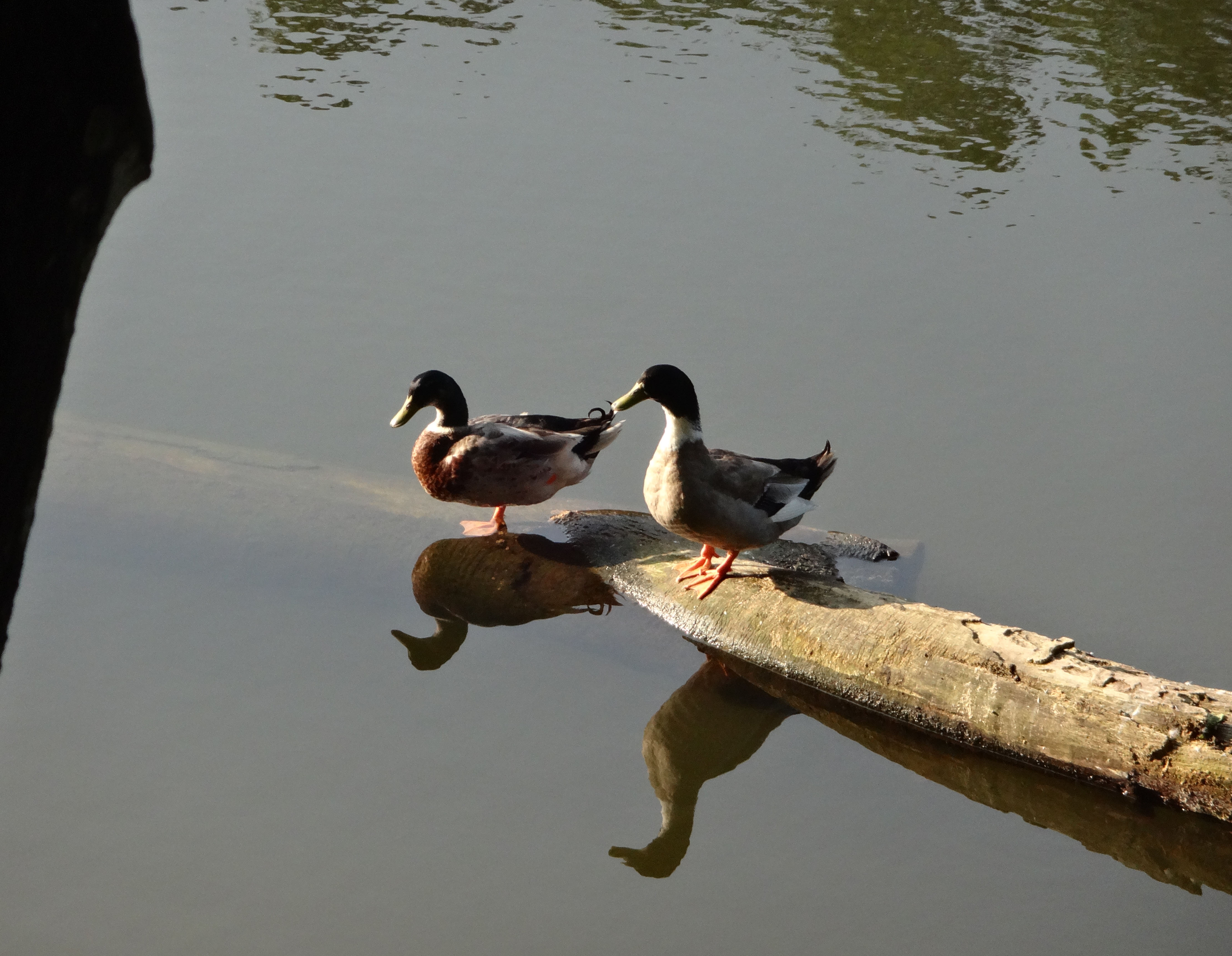
Severe cold had begun to grip Bangladesh by the first week of January 2022, and farmers who keep chickens, ducks and fish faced the hardest weeks of the year. On 4 January 2022 Jagonews24 reported that the Department of Agricultural Extension (DAE), drawing on information from the Bangladesh Meteorological Department, had issued a set of recommendations to help farmers protect their birds and ponds through the cold. The report noted that just as people find the chill wind hard to bear, ducks and chickens are weakened by it, while fish farms run into problems of their own in winter.
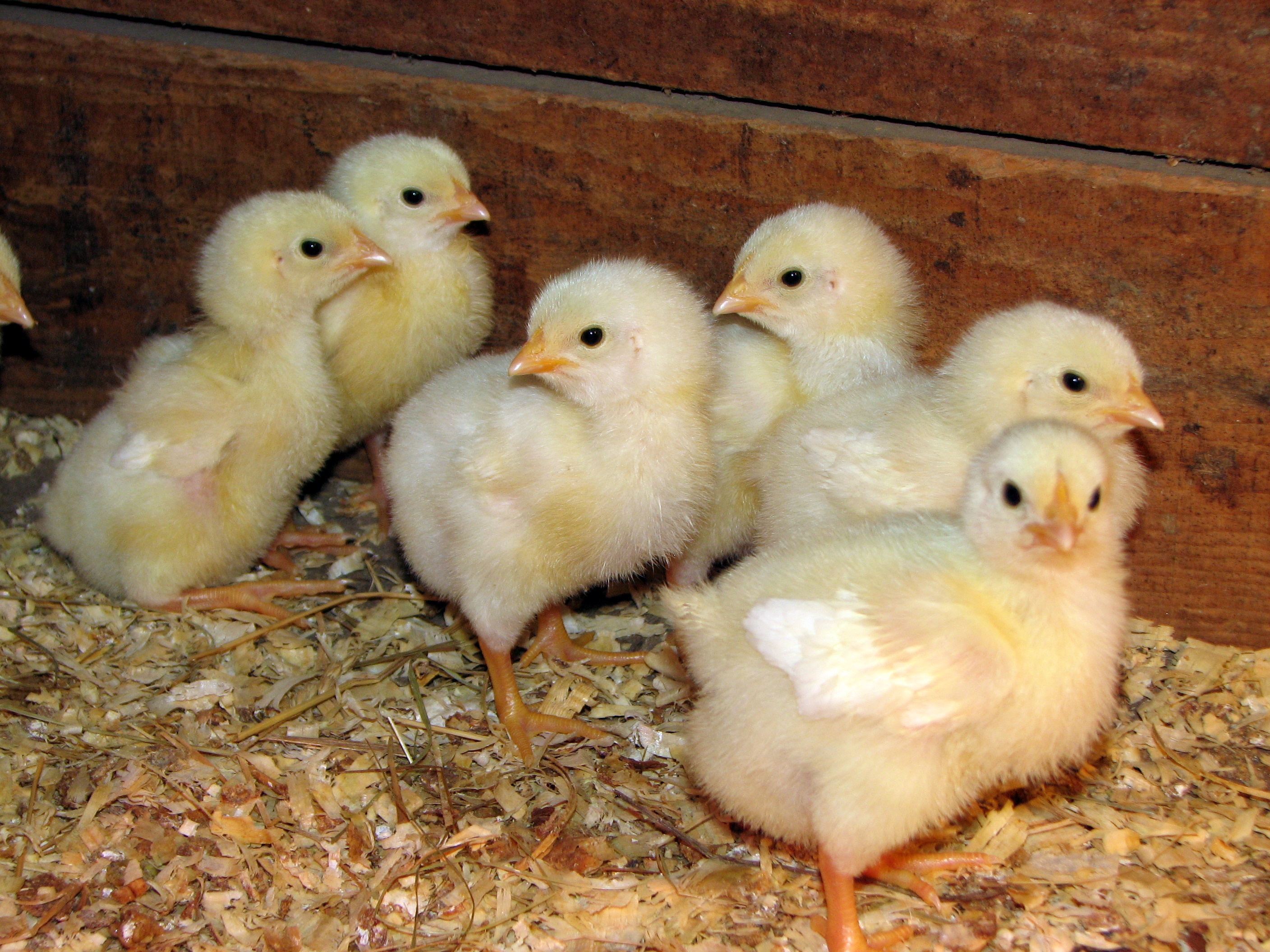
For poultry, the DAE warned that ducks and chickens could fall ill with various diseases during the cold spell. It advised that, on a veterinarian's advice, chicks be vaccinated against Ranikhet disease at one week of age and against Gumboro disease at two weeks, and that the places where the birds are kept be cleaned twice a week. Coops and pens were to be wrapped with jute sacking or plastic curtains so that cold air could not get in, and the department said that keeping a bulb lit in the chicken house for one to two hours after dusk would raise egg production and reduce disease.
For fish, the department said the oxygen in pond water could fall in winter. Farmers were advised to check the pH of the water and apply lime as needed, to remove weeds from the pond bottom, to clear bushes around the bank, to stir the water, and to feed the fish on sunny days. It also advised cutting back the branches of trees around fish ponds before winter, because leaves falling into the water would otherwise spoil it.
Why January is the hardest month
Bangladesh has three distinct seasons, and the cool, dry season runs from November through February, according to Banglapedia, the national encyclopaedia published by the Asiatic Society of Bangladesh. January is the coldest month. In winter a centre of high pressure lies over north-western India, and a stream of cold air flows from it into Bangladesh through the north-eastern corner of the country. Average January temperatures range from about 17 degrees Celsius in the north-west and north-east to 20 to 21 degrees in the coastal areas, and in late December and early January the minimum temperature in the extreme north-west and north-east falls to between 4 and 7 degrees Celsius.
The cold can be sharper still. On 8 January 2018 The Daily Star reported that the Bangladesh Meteorological Department had recorded 2.6 degrees Celsius at Tetulia in Panchagarh, the lowest temperature in the country's history, during a severe cold wave in the northern districts; the reading was taken at 8:38 in the morning, and Nilphamari fell to 3 degrees the same day. The Met office also forecast moderate to thick fog in parts of the country that day. Cold nights and foggy, sunless days of this kind are the conditions the DAE's advice was written for.
Chickens and ducks in Bangladeshi homes and farms
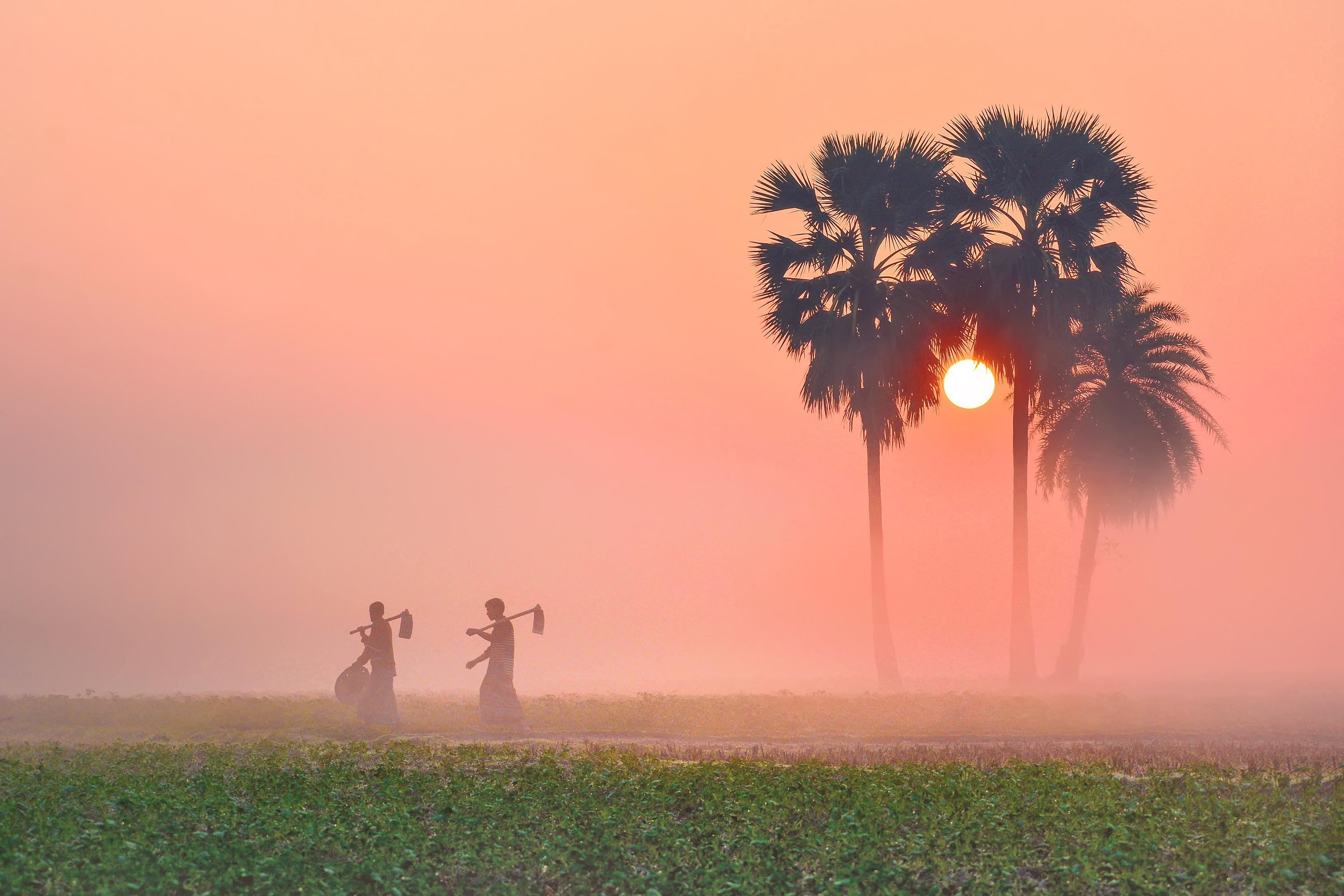
Poultry is kept in most rural homes. Banglapedia, citing household survey data, says 83.9 percent of households in Bangladesh own livestock or poultry and 76.3 percent keep poultry, with each household owning on average 6.8 chickens and ducks. The birds range from non-descript indigenous chickens, the Aseel, the Chittagong fowl and the naked neck to exotic breeds such as the White Leghorn, Rhode Island Red, Fayoumi and Australorp, along with commercial broiler and layer strains. Among ducks the encyclopaedia lists indigenous birds, the Sylhet Mete and Nageswari, the Muscovy and geese, alongside exotic Khaki Campbell, Indian Runner, Jinding and Cherry Valley ducks. Crossbred chickens developed for village conditions include the Sonali, from a Rhode Island Red cock and a Fayoumi hen. Domestic ducks descend from the wild mallard.
The commercial side of the sector had been through a difficult period when the winter of 2021-22 began. The Business Standard reported on 28 August 2021 that the Department of Livestock Services (DLS), in its livestock economy report for 2020-21, had recorded growth in egg and meat output, with egg production up by 321 crore pieces and per-head egg availability rising to 121 a year from 104. The DLS had about 90,000 registered poultry farms, and the unofficial count was above one lakh. Industry bodies disputed the growth figures: the Bangladesh Poultry Industry Central Council estimated that 30 to 35 percent of egg farms and 40 to 45 percent of meat poultry units had shut during the previous year and a half of the pandemic, while DLS officials said the department's data were accurate. For farmers who had stayed in business, losing birds to cold and disease in winter was a cost they could ill afford.
The diseases behind the vaccination advice
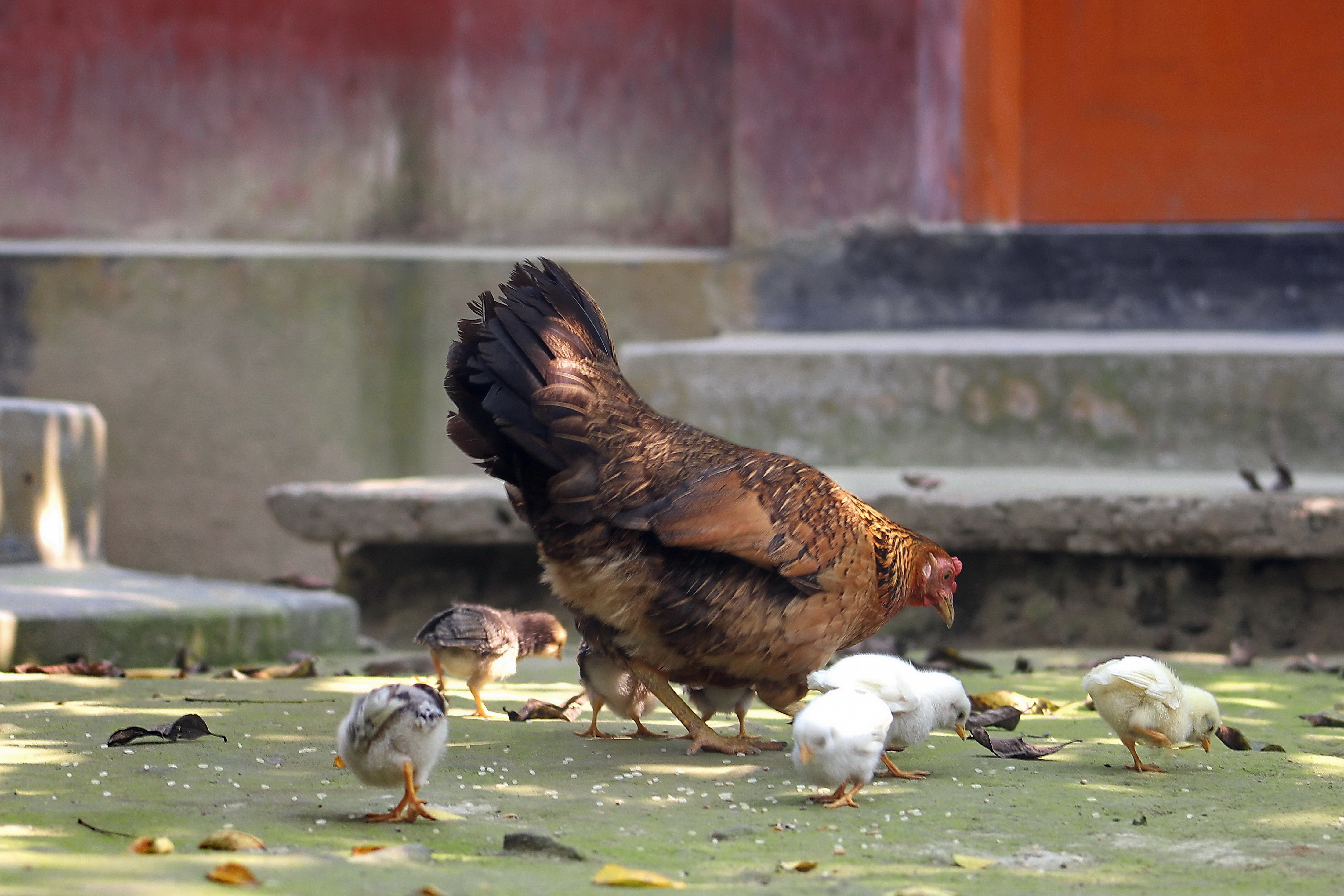
Ranikhet is the name by which Newcastle disease is widely known in Bangladesh. It is a contagious viral disease of birds, first identified in 1926 in Java, Indonesia, and in 1927 in Newcastle upon Tyne in England. The virus spreads mainly through contact with the droppings and the nose, mouth and eye secretions of infected birds, and also through contaminated feed, water, equipment and clothing. Signs include difficulty breathing, twisted necks and paralysis, swelling of the face, watery green diarrhoea and a fall in egg production, and acute cases can end in sudden death. There is no treatment; vaccines and sanitary measures are the means of control.
Banglapedia describes Newcastle disease as quite prevalent in rural Bangladesh and the principal cause of death among village fowl, with mortality that may range from 80 to 100 percent and a sharp fall in the quantity and quality of eggs from affected layers. A 2004 technology review by the Food and Agriculture Organization of the United Nations (FAO) says the disease can typically kill up to 80 percent of unprotected poultry in rural areas and that it spreads by contact between birds, made worse when birds are mixed in rural markets. A study of village poultry in the Anowara and Rangunia upazilas of Chattogram, carried out in June and July 2017 and published in Preventive Veterinary Medicine in 2018, found that 83.4 percent of the birds sampled had not been vaccinated against the disease, and that 21.2 percent of the birds carried antibodies to the virus.
Gumboro, or infectious bursal disease, is caused by a virus of the family Birnaviridae and was first identified in Gumboro, Delaware, in the United States in 1962. It strikes young chickens, generally at three to six weeks of age, and destroys the bursa of Fabricius, the organ that produces the bird's antibody-making cells. Birds that survive are left with weakened immunity and fall prey more easily to other infections. Signs include watery diarrhoea, ruffled feathers, listlessness and loss of appetite, and the virus can survive for long periods in housing and water, which is why cleaning after an outbreak is often not enough on its own. Banglapedia records heavy mortality of young chickens on farms in and around Dhaka attributed to Gumboro, with deaths that may exceed 50 percent.
Other diseases also follow the seasons. Banglapedia notes that fowl pox, a viral disease that raises wart-like nodules on the comb, the eyelids and around the nostrils, is usually prevalent in Bangladesh in winter. Ducks have their own threat in duck plague, or duck viral enteritis, caused by a herpesvirus. It spreads through contaminated water and direct contact, migratory waterfowl can carry it without showing signs, and mortality can reach 90 percent. The disease does not spread to people. Keeping domestic ducks away from wild waterfowl and from contaminated water, and screening new birds, are among the preventive steps.
The DAE's advice tied each vaccination to a veterinarian's guidance, and the age, vaccine and method suitable for a flock are matters for the upazila livestock office. The FAO's 2004 manual on small-scale poultry production adds two general points: for viral diseases, vaccination is the only form of prevention, and most conventional vaccines need a cold chain up to the moment they are given, because a vaccine that has been kept warm can be inactivated and give no protection.
Keeping coops warm without shutting out the air
Wrapping a coop in jute sacking or plastic, as the DAE advised, keeps the night wind off the birds. The FAO manual on small-scale poultry production makes the balancing point: chickens need more ventilation than people do, but should be sheltered from wind, dust and rain, and in colder regions the walls of a poultry house should be thicker or insulated. Curtains that can be lowered at night and raised on sunny days serve both needs. Baby chicks should be kept warm and dry, and the manual advises that where night temperatures fall below 20 degrees Celsius, the nest site be lined with straw to keep it warm.
Light matters as much as warmth. The FAO manual says a well-lit house is essential, because a dark house leads to lethargic, inactive and unproductive birds, and that egg production falls at very low light intensity. Commercial egg producers use lighting schedules that mimic summer day length so that hens keep laying through the year, since day length is one of the signals that governs laying. That is the reasoning behind the DAE's suggestion of a bulb for one to two hours after dusk in the short days of January. The FAO manual also cautions that more than 17 hours of light a day can worsen egg production, so extra light is meant to lengthen a short winter day, not to keep the house lit all night.
Cleanliness was the third part of the advice. The FAO manual recommends sweeping the floor daily when birds are housed indoors and cleaning an outside chicken house every week, cleaning feeders and drinkers frequently, isolating sick birds and burying dead ones promptly, and keeping newly bought birds apart from the flock for at least 15 days before they join it.
Fish ponds in winter: sunlight, oxygen and feeding
Fish are central to the Bangladeshi diet. The Financial Express reported on 7 November 2021, citing the Department of Fisheries and its Yearbook of Fisheries Statistics, that Bangladesh produced 45.03 lakh tonnes of fish in the 2019-20 fiscal year, of which aquaculture made up 57.38 percent. Culture fisheries yielded 25.84 lakh tonnes, inland capture 12.48 lakh tonnes and marine fisheries 6.71 lakh tonnes. Per-capita fish intake stood at 62.58 grams a day against a target of 60 grams, and fish supplied about 60 percent of the population's animal protein. Bangladesh ranked third in the world in inland open-water capture and fifth in aquaculture, and fourth in tilapia production. Fisheries contributed 3.52 percent of national GDP and 26.37 percent of agricultural GDP, according to the department, and the production target for 2020-21 was 45.52 lakh tonnes.
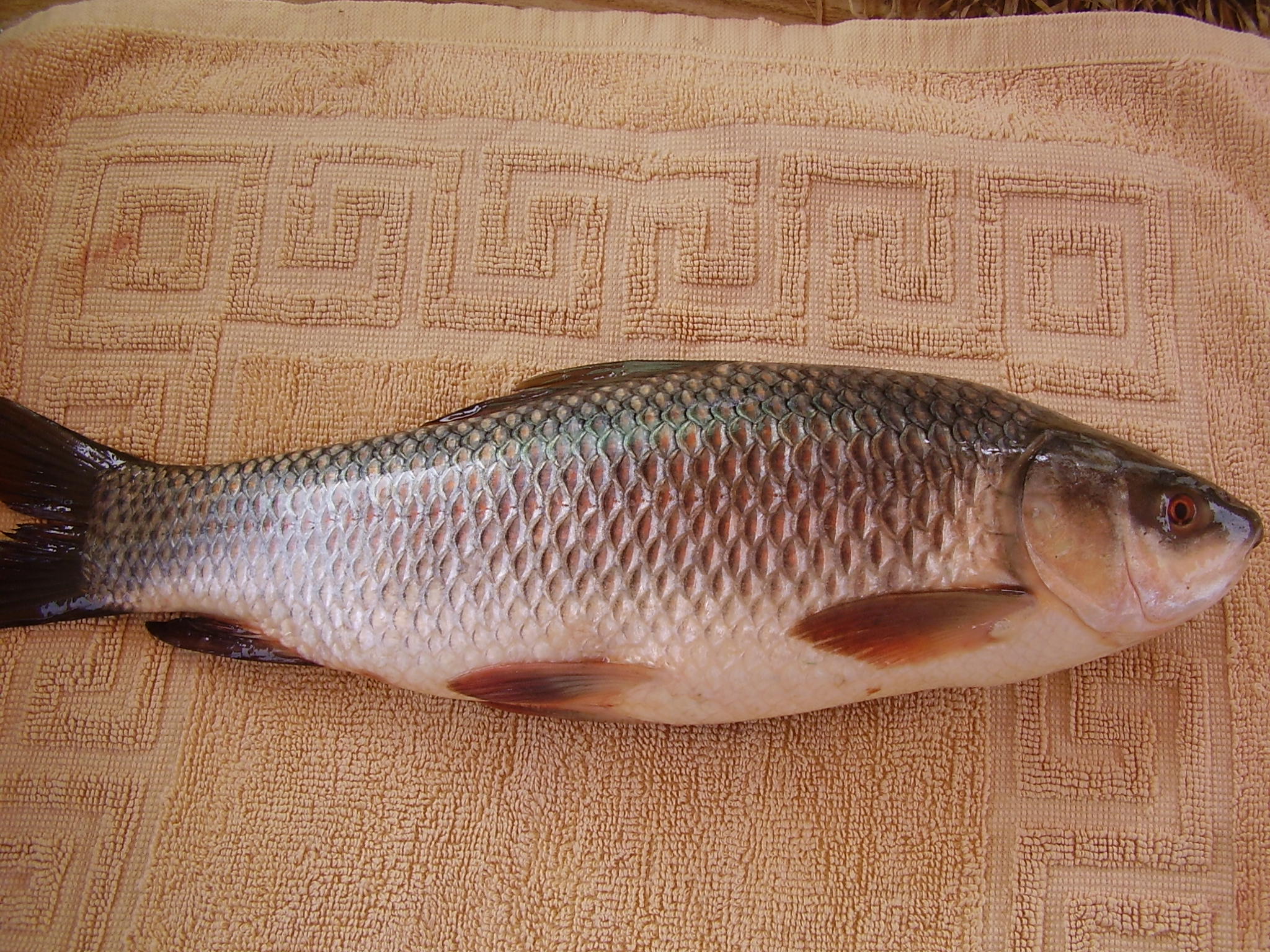
Carps such as rohu, catla and mrigal are found throughout the fresh waters of Bangladesh and are widely raised in ponds. Banglapedia lists the rohu as growing to about 90 centimetres and notes that the common carp was introduced to Bangladesh from China in 1960 and the mirror carp from Nepal in 1979. Fish are cold-blooded animals: as Banglapedia puts it, a fish easily falls ill when its environment is degraded, and the principal causes of fish disease are poor water quality, overstocking, overfeeding, pollution and poor pond management.
The DAE's warning about oxygen is explained by how a pond breathes. An FAO training manual on inland aquaculture engineering, published in 1984, describes how the oxygen in pond water rises during the day, as algae and plants carry out photosynthesis using sunlight, and falls at night, when only respiration continues. On overcast days less oxygen is produced, so the reserve for the night is smaller and can run out; the manual notes ponds where oxygen fell to a dangerous level around sunrise. The decomposition of organic matter at the pond bottom also uses up oxygen. Foggy winter days, and leaves rotting in the water, both work against the fish.
This is why the department's practical steps fit together. Cutting back overhanging branches lets more sunlight reach the water and keeps leaves out of it; clearing weeds and bushes removes material that would rot; stirring the water mixes oxygen from the surface into the deeper layers, a method the FAO manual describes for spreading daytime oxygen through the pond. Feeding on sunny days follows the same logic. Banglapedia's account of pond management likewise describes a daily feeding schedule that continues except on cloudy and rainy days, because feed that the fish do not eat in cold, dull weather sinks and decays.
Lime was the other tool the DAE named, to be applied according to the pond's pH rather than by habit. Banglapedia lists periodic liming among the control measures for several fish diseases and notes that liming a pond may improve bacterial gill rot in young carps. The amount depends on the pond's soil, water and pH, and the DAE's advice did not give a dose; farmers who are unsure how much lime their pond needs can have the water tested and ask the upazila fisheries officer.
Ulcer disease: the winter threat to pond fish
The disease farmers fear most in cold months is epizootic ulcerative syndrome (EUS), known in Bangladesh as kshoto rog or ulcer disease. It is caused by the water mould Aphanomyces invadans and attacks many freshwater and brackish-water fish in the Asia-Pacific region. Affected fish first show red spots on the skin, which grow into deep ulcers; the infection then spreads to the internal organs, and the fish die. Mildly affected fish may recover if they are moved to good-quality water.
According to Banglapedia, the disease was first reported in Bangladesh in February 1988 at Faridganj in Chandpur district and in September 1988 in Faridpur. Outbreaks usually follow heavy rain or floods, which lower the alkalinity and salt content of the water, at the start of the seasonal fall in temperature. Bottom-dwelling carnivorous fish are generally affected first; the highest incidence, about 30 percent, has been recorded in snakeheads (Channa species), followed by the highly susceptible punti (Puntius species). No human health hazard associated with the disease is known, but wherever it struck it cut fish populations sharply.
A survey of 257 fish ponds in Bangladesh by A. Ahmed and M.A. Rab, published in the Journal of Fish Diseases in 1995, found 46 percent of them affected by the syndrome. Ponds stocked with Thai silver barb were worst hit, at 64 percent, while ponds farming only Nile tilapia were unaffected. Stocking silver barb, using piscicides to remove unwanted fish before stocking, and farming in previously derelict ponds all raised the chance of an outbreak, while choosing species other than silver barb and using lime after stocking made it more likely that a pond's fish would suffer less. The findings are consistent with the advice to keep pond water in good condition and to use lime with care as winter sets in.
Where farmers can get help
Advice of this kind is carried to farmers by several government bodies. The Department of Livestock Services traces its work back to 1893, when a Civil Veterinary Department was set up under British rule; its head office is at Krishi Khamar Sarak in Farmgate, Dhaka, and it is responsible for veterinary coverage, development and extension services for livestock and poultry. The Department of Fisheries publishes the Yearbook of Fisheries Statistics, the national record of fish output. The Bangladesh Fisheries Research Institute (BFRI), established in 1984 and headquartered in Mymensingh, carries out fisheries research through its freshwater station in Mymensingh, riverine station in Chandpur, brackish-water station at Paikgachha in Khulna and marine station in Cox's Bazar, with sub-stations at Rangamati and Santahar.
For a farmer facing sick birds or dying fish in the cold, the practical route in January 2022 was the upazila livestock officer for poultry and ducks and the upazila fisheries officer for ponds. The steps the DAE set out could be summed up for both:
- Vaccinate chicks against Ranikhet at one week and against Gumboro at two weeks, on a veterinarian's advice.
- Clean the poultry house at least twice a week and keep the litter dry.
- Hang jute sacking or plastic curtains around coops and pens to keep out cold wind, while leaving room for fresh air.
- Keep a bulb lit in the chicken house for one to two hours after dusk.
- Check the pond's pH and apply lime only as needed.
- Remove weeds from the pond bottom, clear bushes from the banks and stir the water.
- Feed fish on sunny days, and cut back overhanging branches so that leaves do not fall into the water.
Photo: Masum Ibn Musa / Wikimedia Commons (CC BY-SA 4.0)
Sources: Jagonews24, Banglapedia (Asiatic Society of Bangladesh), The Daily Star, The Business Standard, The Financial Express, Department of Fisheries (Yearbook of Fisheries Statistics 2019-20), Food and Agriculture Organization of the United Nations (FAO), Preventive Veterinary Medicine (Belgrad and others, 2018), Journal of Fish Diseases (Ahmed and Rab, 1995), Wikipedia
Comments
(0)