
Modern life has taught people that money, power and luxury are where satisfaction lies. Yet the harder people chase material gain, the more their loneliness and gloom seem to grow. Islam sees happiness differently: not as a passing thrill but as a deep calm and steadiness of the heart.
A piece by Prothom Alo's religion desk notes that although income per head and material comfort have more than doubled, people's overall happiness has not risen, while frustration and depression have. The Prophet (peace be upon him) put it in one sentence: riches do not come from plenty of wealth; the truly rich person is the one whose heart is rich (Sahih Bukhari, hadith 6446).
The Quran says that hearts find peace in the remembrance of Allah (Surah Ar-Ra'd, verse 28). The Prophet added contentment with little: successful is the one who has accepted Islam, has been given enough provision and is content with what Allah has given him (Sahih Muslim, hadith 1054). To a believer, this world is not the final home but a place of trial.
The piece sets out three ways to happiness where research and Islamic teaching say the same thing. The first is to stop comparing yourself with others. The psychologist Sonja Lyubomirsky found that people lose their happiness when they look more at what others have achieved than at what they have themselves. The Quran likewise tells believers not to stretch their eyes towards the worldly splendour given to others (Surah Ta-Ha, verse 131).
The second is a smile and warm relationships. Research by Ed Diener and Robert Biswas-Diener finds that close relationships and a gentle smile help lift low mood. The Prophet made this part of worship, saying that smiling at your brother is an act of charity (Sunan at-Tirmidhi, hadith 1956).
The third is gratitude and helping others. In the view of the scientist Robert Emmons, regular gratitude greatly improves physical and mental wellbeing. In the Quran, Allah says that if people are grateful He will give them more (Surah Ibrahim, verse 7). Islam also holds selfless help to others as one of the finest human qualities.
Why a believer does not fall apart in hardship is answered in a hadith too. The Prophet said that every matter of the believer is good for him: in good times he gives thanks, and in hard times he is patient, and both are good for him (Sahih Muslim, hadith 2999). The piece is by Prothom Alo's religion desk.
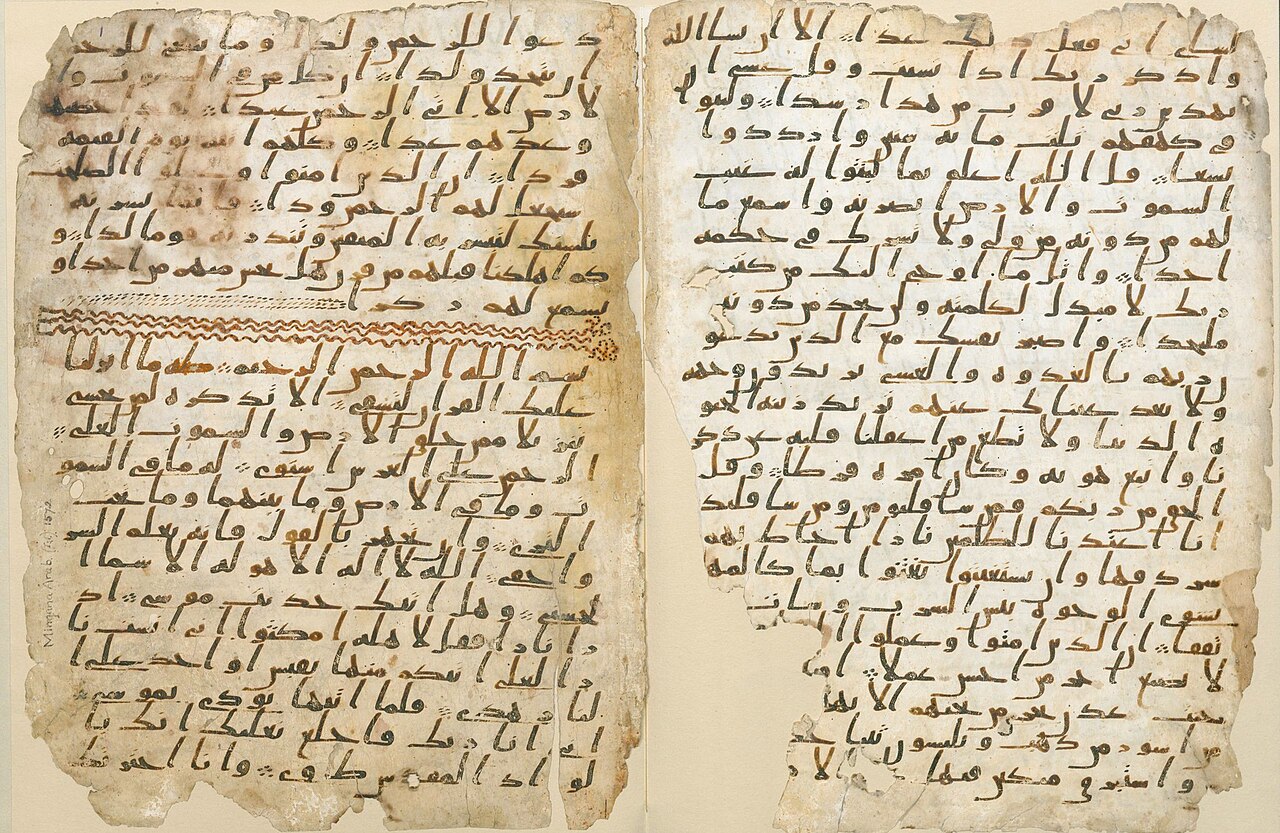
Photo: Unknown scribe / Wikimedia Commons (public domain)
Source: Prothom Alo


Comments
(0)