
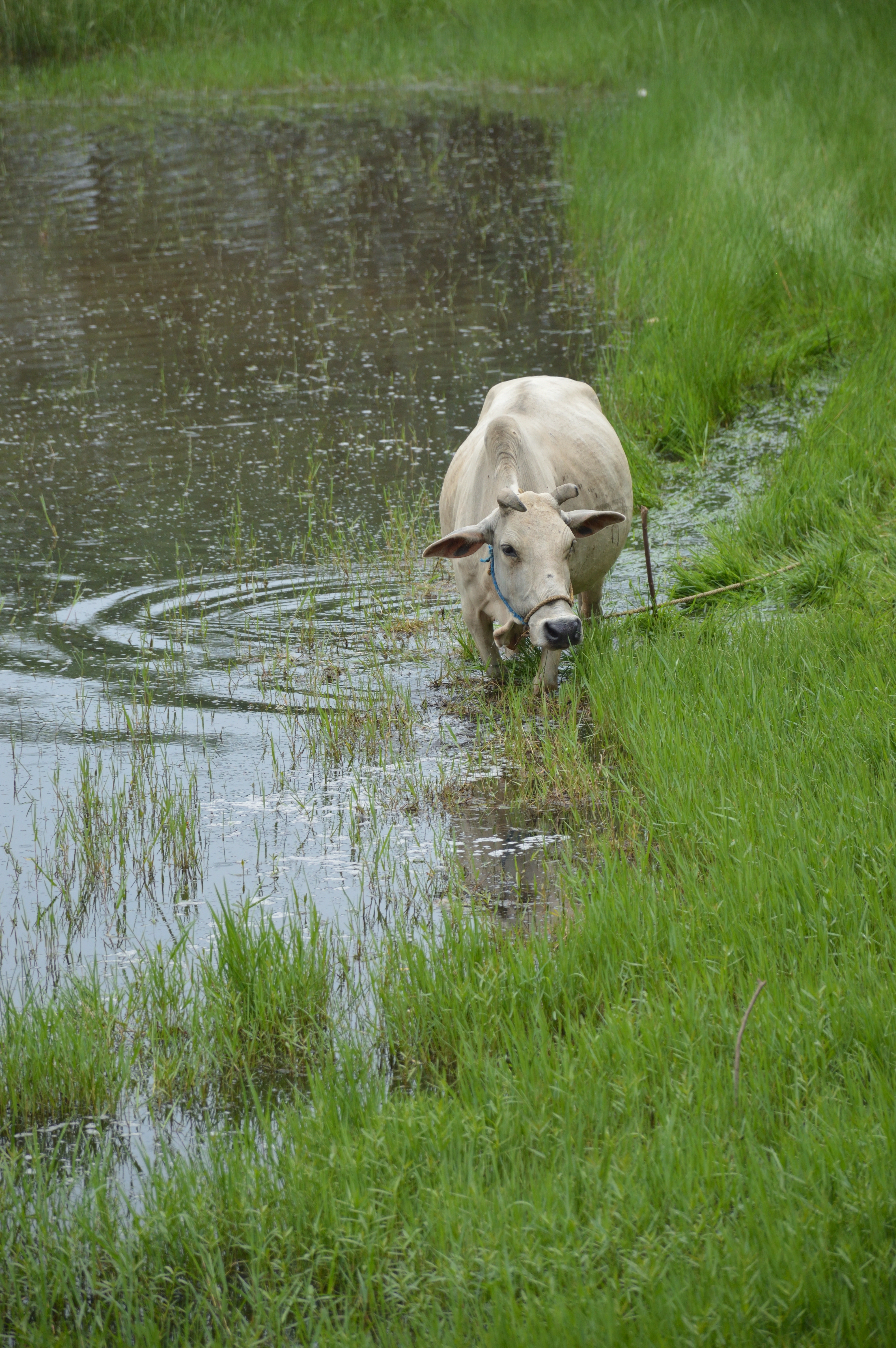
In May 2026, just before Eid-ul-Azha, the cattle trade in India's West Bengal state came almost to a halt, leaving many of the state's Hindu farmers and livestock traders in difficulty. After the state government ordered strict enforcement of the West Bengal Animal Slaughter Control Act, 1950, buyers stayed away from the cattle markets. Farmers who had raised animals all year for sale in the Eid season said they feared falling deep into debt if they could not sell them. On 26 May, Jagonews24 reported these complaints and demands from farmers in Ghatakpukur, South 24 Parganas district.
The farmers said many of them wait all year for the Eid season, hoping to make some profit by selling cattle. On 4 May 2026 the Bharatiya Janata Party (BJP) formed a government in the state for the first time. Within days, the conditions of the old law on slaughtering cattle and buffaloes were ordered to be strictly followed. The farmers alleged that this had stopped the sale of cattle for the sacrifice and left them facing losses.
Ghatakpukur farmers ask for a few days' relief before Eid
Hindu cattle farmers in Ghatakpukur urged the state government to relax the law somewhat for the next two or three days. They asked to be allowed to sell the cattle they had at home during this Eid, and said they had no objection to the law being enforced permanently after Eid.
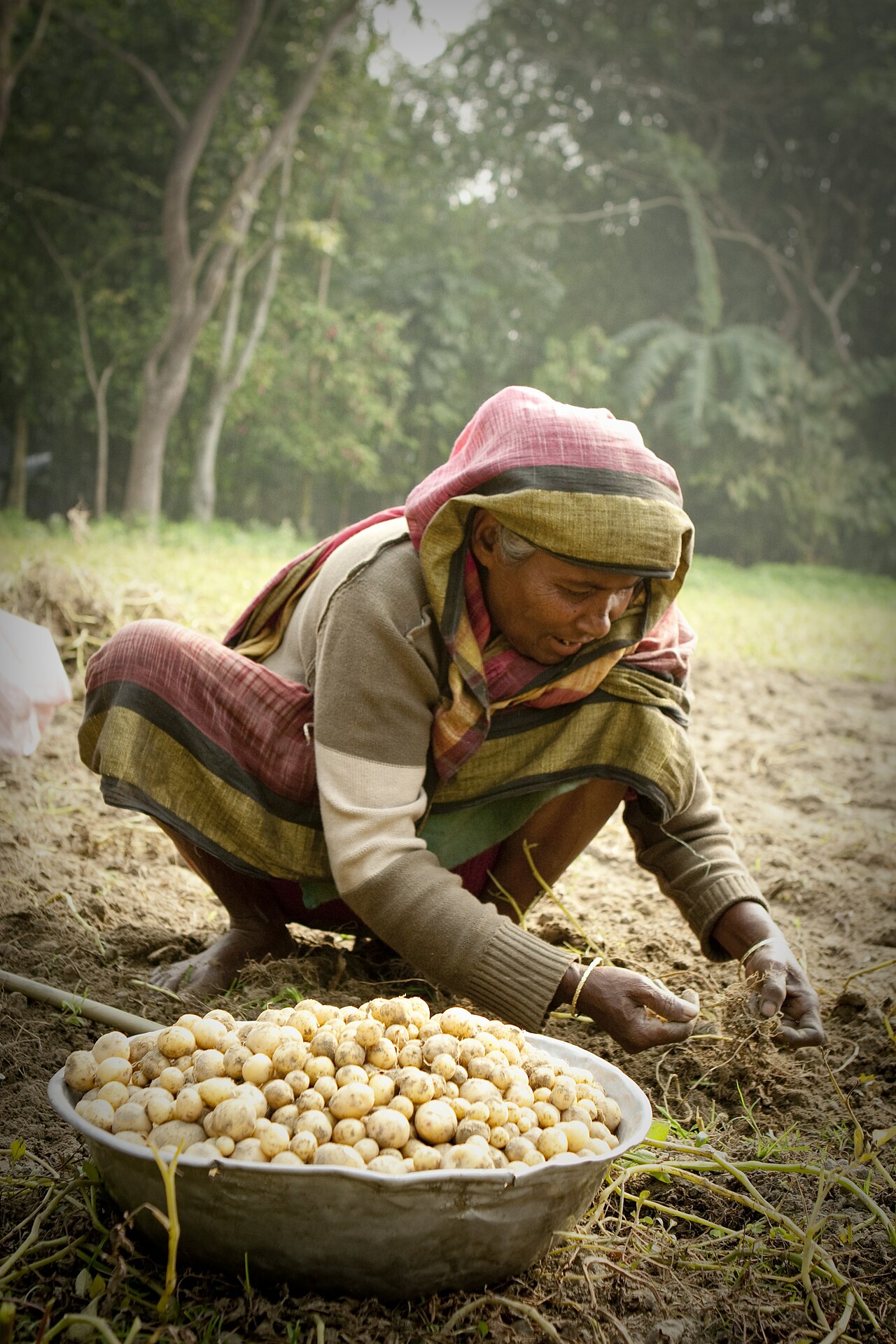
An elderly woman farmer said it was wrong for the new government to cause so much hardship so suddenly. "We have been in this business for 35 years. We had to borrow money from different places for it. The new government should have given a set period of time. We have taken bank loans, and the banks won't let us off. Besides, there are family members too; what will happen to them?" she said.
Another cattle farmer, Arup Das, said many people of the Muslim community live in the area. "We have no problem between Hindus and Muslims. It is political parties that are breaking these relationships. Things were fine all this time; problems have come with this government. Do they understand people's suffering?" he said.
Buyers faced the same uncertainty. Karim Molla, a Muslim buyer, said his family would not sacrifice a cow this year because all the cattle markets nearby had been shut. "Everyone is saying not to get into arguments over this. We sacrifice a cow every year; this time we will sacrifice a goat," he said.
Ghatakpukur and Bhangar: farming country on Kolkata's edge
Ghatakpukur is a large village in the Bhangar I community development block of Baruipur subdivision, South 24 Parganas district. The 2011 Census of India counted 5,048 people in the village. Bhangar I covers 153.62 square kilometres and had 249,170 residents in 2011, of whom 67.38 per cent were Muslim and 32.38 per cent Hindu. The two communities live side by side, as Arup Das pointed out.
In Bhangar I, rice is the main food crop and jute the main cash crop; Aman, Aus and Boro rice are grown along with wheat, potatoes, pulses and oilseeds. The neighbouring Bhangar II block, also in Baruipur subdivision, covers 162.04 square kilometres and had 246,708 people in 2011, all living in rural areas; 70.49 per cent were Muslim and 29.26 per cent Hindu. Its Bamunia village and the Polerhat and Bamanghata panchayat areas appeared again and again in the May 2026 reports on the cattle crisis.
South 24 Parganas, the district that contains Bhangar, has its headquarters at Alipore. It covers 9,960 square kilometres and had 8,161,961 people in the 2011 census, a density of 819 per square kilometre; 63.2 per cent were Hindu and 35.6 per cent Muslim. It is divided into five subdivisions and 29 blocks and stretches from Kolkata's urban fringe to remote riverine villages in the Sundarbans. Agriculture, industry and fish farming are the mainstays of its economy.
What the 13 May notice required
As one of its first steps after taking office, the government led by Chief Minister Suvendu Adhikari issued a public notice on 13 May 2026 saying the provisions of the West Bengal Animal Slaughter Control Act, 1950 would be strictly enforced. According to Outlook and Scroll, the notice made it mandatory to obtain a "fit for slaughter" certificate before slaughtering bulls, bullocks, cows, calves and buffaloes. The certificate is issued jointly by the chairman of a municipality or the sabhapati of a panchayat samiti and a government veterinary surgeon.
A certificate can be given for only two kinds of animal: one that is over 14 years old and unfit for work or breeding, or one that has become permanently incapacitated from work or breeding by age, injury, deformity or incurable disease. Slaughter is allowed only in municipal slaughterhouses or designated places, and slaughter in open public places is prohibited. The notice also said officials carrying out inspections must not be obstructed.
Newsgram reported that butchers and meat traders must hold proper licences and that meat sold in markets must carry official certification. Violations carry up to six months in prison, a fine of up to 1,000 rupees, or both, and the offences are cognisable. Outlook reported that the Kolkata Municipal Corporation identified five licensed slaughterhouses in the city and that meat sales required an official stamp showing the animal had been slaughtered at a proper place.
Swarajya reported on 14 May that the government cited the 1950 Act and a 2018 order of the Calcutta High Court as the basis of the notice. According to Outlook, petitioners in a series of High Court cases between 2015 and 2023 had sought strict enforcement of the law, and a 2023 judgment ordered the formation of vigilance teams and public notices before major festivals. Lawyer Arko Maity told Outlook that the law does not distinguish between private and public premises, so even slaughter at home for personal use is risky.
Empty markets and mounting debts
The notice came only two weeks before Eid. Citing the Indian outlet The Federal, bdnews24.com reported on 19 May that the move had caused alarm among small farmers in districts such as South 24 Parganas, Nadia, Murshidabad and Birbhum. In these areas many farmers sell old cows, or cows that have stopped giving milk, in the Eid season and use the money to buy new animals.
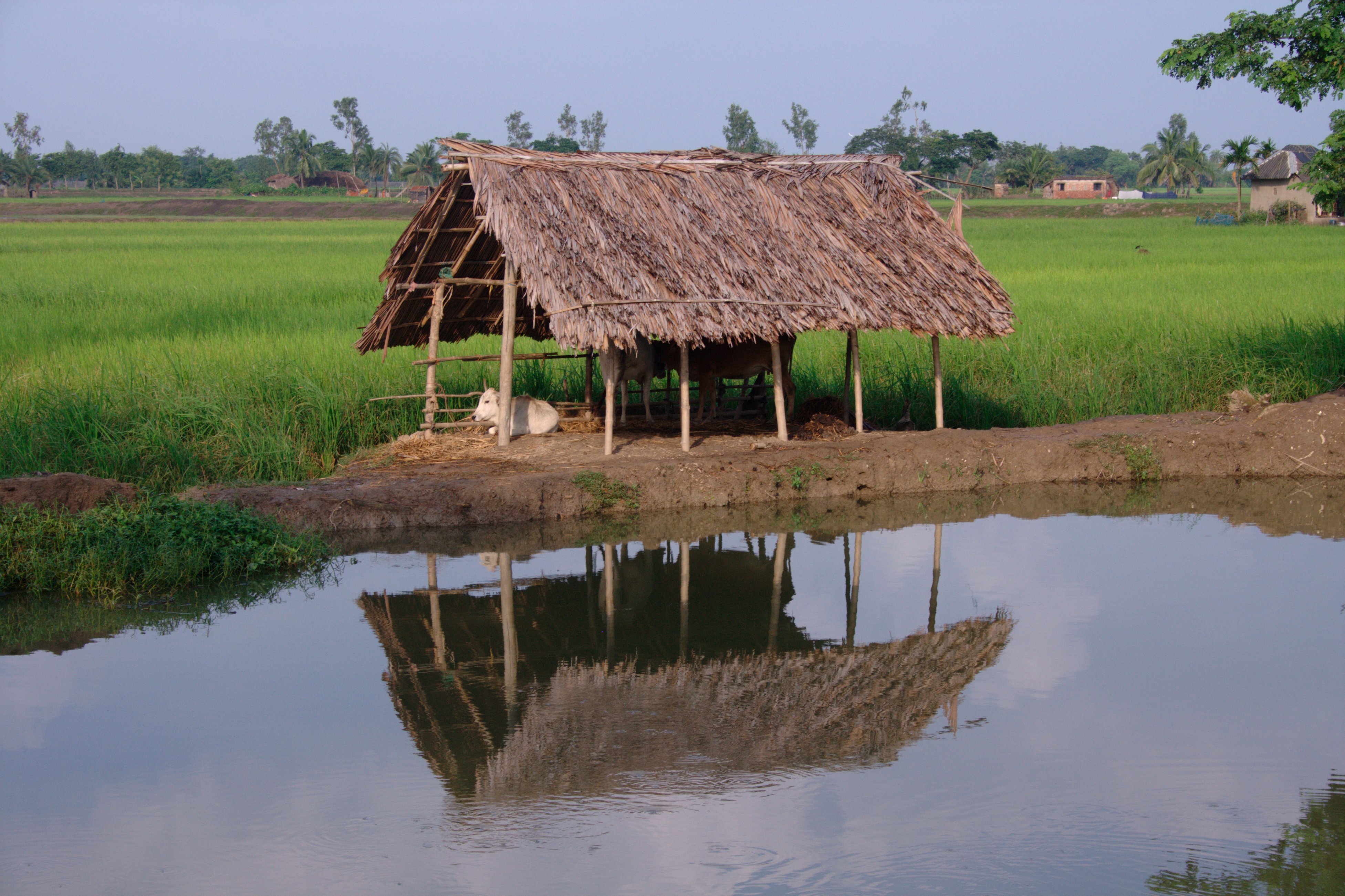
A farmer from the Bamanghata area of Bhangar told The Federal: "The government has no idea about the livestock economy." He said each animal costs 200 to 300 rupees a day to keep, and a cow does not usually live to 14. A farmer in Bamunia village said his family had borrowed about 1.5 million rupees for the business. Cows that stop giving milk are fed well for six or seven months to make them ready for the Eid market, he explained. "Now no one is coming to buy cattle out of fear," he said. Another farmer in the same village had about 20 cattle ready for sale and said buyers who had paid advances were now asking for their money back. Traders said a cow prepared for the Eid market could sell for 200,000 to 500,000 rupees depending on its age, size and condition.
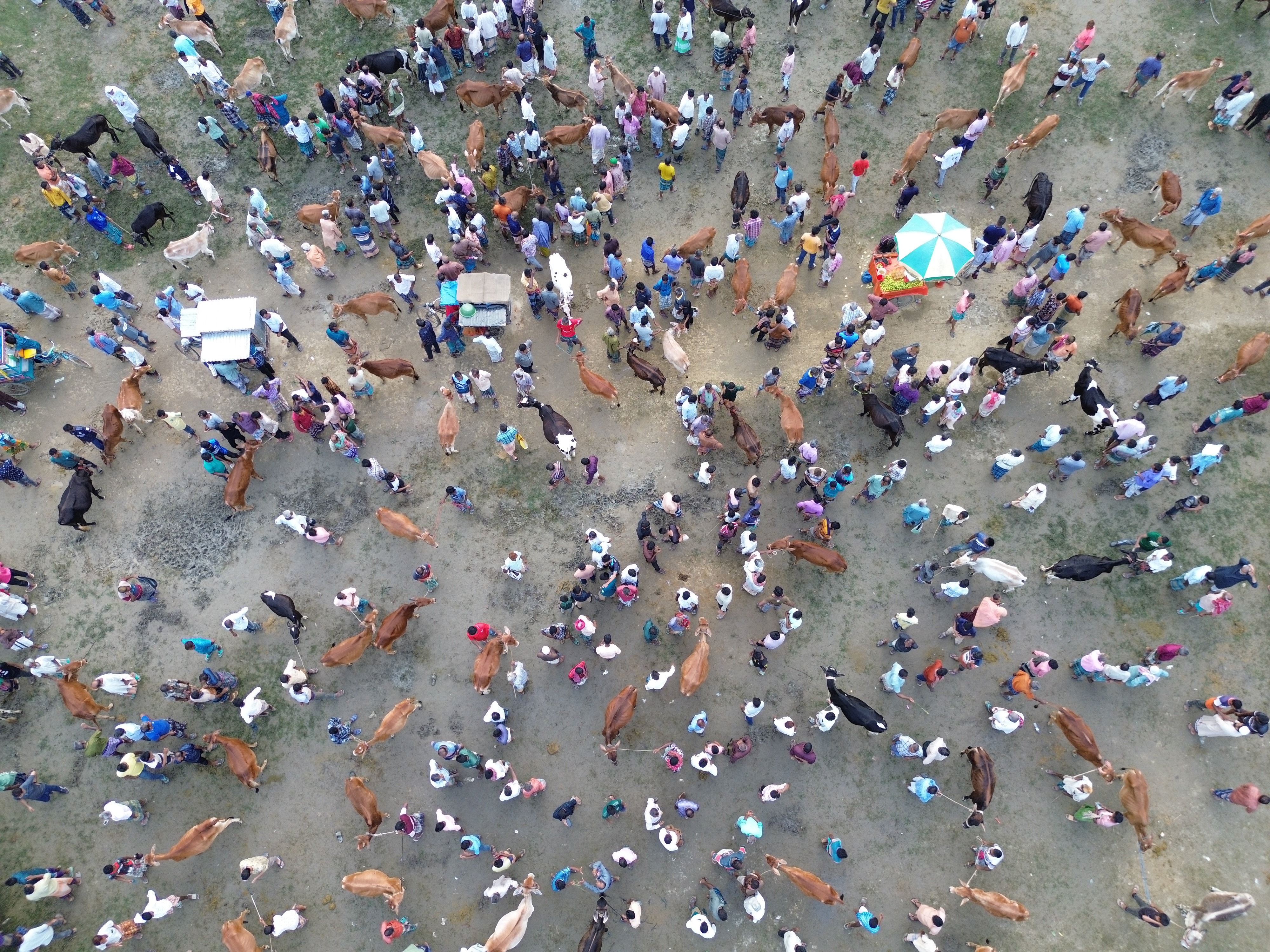
Citing The Indian Express, The Business Standard's Bangla edition reported on 21 May that the Polerhat cattle market, where about 2,000 cattle usually change hands each day, had only 20 to 25 animals. Within days, the price of beef in Kolkata rose from 280 rupees a kilogram to 600 rupees, and the government slaughterhouse at Tangra closed for two days. One farmer said he had borrowed 500,000 rupees expecting to sell nine of his ten cattle to repay the debt, and was now spending 500 rupees a day on feed alone. Another, with 22 cattle and loans of 700,000 rupees, said they were milk farmers and had never heard of the 1950 law before it suddenly appeared.
The Daily Ittefaq reported on 25 May from Bhangar, where one Hindu cattle trader said she had mortgaged all her land and gold to borrow money for the business, and that buyers no longer wanted to take the cattle and were demanding their money back. Another said: "They could at least have given relief this one time. After that we would have quit the business." The paper noted that the livelihoods of many poor families beyond the farmers, from fodder suppliers and veterinarians to leather traders and the makers of knives and choppers, depended on this trade.
The Mooknayak reported on 19 May that Muslim buyers were avoiding purchases out of legal concern, which broke the seasonal trading cycle. Hundreds of cattle went unsold in local markets and some establishments in Kolkata ran short of beef. The same report said critics described the timing as politically motivated and aimed at Muslim religious practice, while BJP supporters presented it as necessary enforcement for animal welfare and cattle protection.
The court challenge and the government's position
Several writ petitions against the notice were filed in the Calcutta High Court. According to Scroll, the Communist Party of India (Marxist-Leninist) Liberation described the measures in its petition as an "assault" on the religious freedom of Muslims and on the livelihood of farmers engaged in the cattle trade. Trinamool Congress MLA Akhruzzaman and organisations representing Muslim groups and cattle traders also petitioned, arguing that animal sacrifice on Eid had become practically impossible because the state had not granted an exemption under Section 12 of the Act. Another petition, by contrast, asked for two conditions to be added to make the notice stricter.
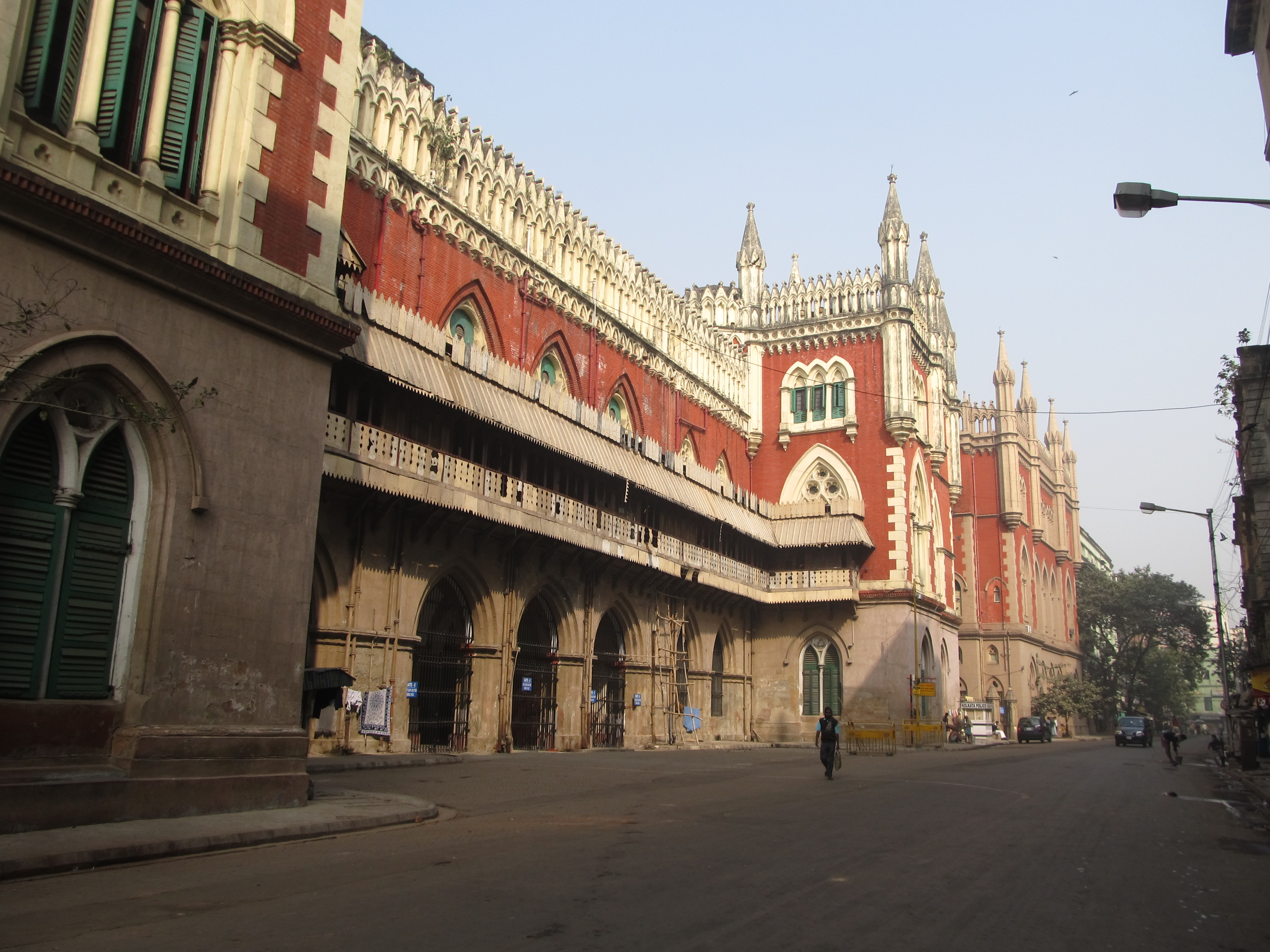
On 21 May a division bench of Chief Justice Sujoy Paul and Justice Partha Sarathi Sen declined to stay the notice. LiveLaw reported that the court held the 13 May notice merely implemented directions the High Court had given earlier, and noted that a statute in force for 76 years carries a presumption of constitutionality. The bench also said it would be lawful for the state to examine whether a proper mechanism for issuing certificates, responsible officers and the necessary slaughter infrastructure existed across the state, and said it hoped any deficiency would be cured at the earliest.
The court directed the state to consider adding two conditions to the notice: that slaughter in open public places is prohibited, and that the sacrifice of a cow is not a religious requirement of Islam, citing earlier Supreme Court rulings. It also asked the state to say within 24 hours of the order whether it would grant an exemption for Eid under Section 12. The state accepted in court that Section 12 is an enabling provision that lets the government grant exemptions for religious purposes.
For the ruling party, BJP MP Rahul Sinha described the enforcement as serving a "noble purpose" and said difficult adjustments were needed for the greater good, The Business Standard's Bangla edition reported, citing The Indian Express. According to bdnews24.com, newly elected BJP MLA Rekha Patra stopped a vehicle carrying cattle in Hingalganj and said: "Our government has ordered that there will be a strict ban on slaughtering cows under 14 years of age." Her demand for a cow's "birth certificate" to prove eligibility for slaughter added to the controversy.
Meanwhile, a Finance Department notification of 23 May cut the public holiday for Eid-ul-Azha from two days to one. Newsgram reported that the 26 and 27 May holidays announced by the previous Trinamool Congress government were cancelled and only 28 May was kept. A senior government official said the government's message was that official work and public services should not suffer because of an excessive holiday culture.
Reactions from political and religious leaders
Opposition parties criticised the policy. Citing The Federal, bdnews24.com reported that Naushad Siddiqui, the Indian Secular Front MLA from Bhangar, claimed that 80 per cent of the people involved in rearing cattle were non-Muslims. He argued that Muslims had goats and other animals as alternatives for the sacrifice, while the farmers had invested 20,000 to 30,000 rupees in each cow, and he urged the government to apply Section 12 of the Act.
Md Salim, state secretary of the CPI(M), alleged that "over-enthusiastic" supporters seizing cattle, disrupting markets and harassing traders in the name of cow protection were spreading fear across Bengal. Congress leader Adhir Ranjan Chowdhury wrote to the chief minister that the directions had caused "confusion, anger and concern" in minority-majority districts such as Murshidabad. SUCI (Communist) general secretary Provash Ghosh said the restrictions would effectively end religious customs followed for generations. The Business Standard's Bangla edition reported that Siddiqui and Chowdhury called for phased enforcement and for infrastructure to be built first.
Some Muslim religious leaders proposed a different way out. The Daily Ittefaq reported that Mohammad Shafiq Qasmi, imam of Kolkata's Nakhoda Mosque, said: "Please do not sacrifice cows. Do not eat beef either." Pirzada Toha Siddiqui of Furfura Sharif made the same appeal. Their reasoning was that cattle sellers are mostly Hindu, so if Muslims stopped buying cows, Hindu farmers would be hurt most. The imam also called for consultation between the government and those affected before restrictions were imposed, The Business Standard's Bangla edition reported. According to bdnews24.com, clerics urged Muslims to obey the law and, where needed, to sacrifice goats or sheep instead of cows.
Human rights activist Kiriti Roy told The Federal: "The resale and reuse of cattle is deeply embedded in Bengal's dairy economy." For small farmers, he said, selling old cows is part of an economic cycle that keeps household income going and allows investment in new animals. Enforcing such strict rules without any rehabilitation plan, he said, would hurt most the low-income rural Hindu communities the BJP had long tried to win over.
What the 1950 Act says
The West Bengal Animal Slaughter Control Act, 1950 applies to the animals listed in its schedule. Section 4 says that, notwithstanding any other law or usage, no one may slaughter such an animal without a certificate that it is fit for slaughter. The head of the municipality and the government veterinary surgeon may issue a certificate under their joint signatures only if both agree that the animal is over 14 years old and unfit for work or breeding, or has become permanently incapacitated from work or breeding by age, injury, deformity or incurable disease. If they disagree, the matter goes to a veterinary officer for a final decision. A person refused a certificate may appeal to the state government within 15 days of being told of the refusal.
Under Section 5, even a certified animal may be slaughtered only at a prescribed place. Section 7 sets the penalty at up to six months in prison, a fine of up to 1,000 rupees, or both. Section 12 says the state government may, by general or special order and on conditions it thinks fit, exempt from the Act the slaughter of any animal for religious, medicinal or research purposes. That section was at the centre of the 2026 dispute.
The section had been fought over before. The state government once used Section 12 to exempt the slaughter of healthy cows on Bakrid. Twenty-seven citizens challenged that in the Calcutta High Court, whose division bench held that slaughtering cows on Bakrid was not a requirement of the Muslim religion, so the exemption was outside the scope of Section 12. On 16 November 1994, in State of West Bengal v. Ashutosh Lahiri, a Supreme Court bench of Justices Kuldip Singh, B.L. Hansaria and S.B. Majmudar upheld that ruling, holding that cow slaughter on Bakrid is optional rather than essential and so is not protected by Article 25(1) of the Constitution.
Earlier still, in Mohd. Hanif Quareshi v. State of Bihar (1958), the Supreme Court found that Islamic texts do not make cow slaughter obligatory and that goats or camels are acceptable substitutes for the sacrifice. Article 48 of the Constitution asks the state to take steps towards prohibiting the slaughter of cows, calves and other milch and draught cattle, and Entry 15 of the State List gives states the power to legislate on the preservation and improvement of livestock. In State of Gujarat v. Mirzapur Moti Kureshi (2005), the Supreme Court upheld the constitutional validity of state laws against cattle slaughter. While most Indian states ban or restrict cattle slaughter, West Bengal was among those that allowed it under conditions.
The relevance of the law itself was also questioned in court. According to an IndiaTomorrow report of 23 May, Senior Advocate Bikash Ranjan Bhattacharya argued that the 76-year-old law had lost its binding force through long non-enforcement. The report added that the law's original rationale was to protect draught power for farming, but farming has been mechanised and high-yielding crossbred cows become unproductive at seven or eight years of age, not 14.
West Bengal's cattle and the rural economy
By numbers, West Bengal is India's leading cattle state. The 20th Livestock Census, released in October 2019, put the state's cattle population at about 19 million, the largest in India, ahead of Uttar Pradesh and Madhya Pradesh. The state recorded the country's highest rise in cattle numbers since the 2012 census, 15 per cent, and the highest rise in total livestock, 23 per cent.
Across India, the same census counted 535.78 million livestock, up 4.6 per cent on 2012. There were 192.49 million cattle, up 0.8 per cent. Exotic and crossbred cattle rose by 27 per cent while indigenous cattle fell by 6 per cent, and nearly 75 per cent of all cattle were female. Crossbred animals produced about 28 per cent of India's milk in 2018-19. These figures show why keeping cows and selling old ones is such an important source of income for rural households in West Bengal.
Estimates quoted by IndiaTomorrow put the number of people who could be affected by the crackdown at 40 to 50 million and the value of the bovine meat and leather sectors at 250 to 300 billion rupees a year. The report counted 2 to 2.5 million dairy farming families in the state, 500,000 workers at the Calcutta Leather Complex and another 1 million people in transport, butchery and related work. It also said West Bengal makes 50 per cent of India's exported leather goods and supplies 12.62 per cent of the country's meat. These are the report's own estimates, not official figures.
The Daily Ittefaq reported that milk producers were also worried, because without selling old cows they would struggle to meet the monthly cost of keeping each animal. Quoting analysts, the paper said West Bengal's market for sacrificial cattle is worth several thousand crore and involves ordinary people of every faith and caste. bdnews24.com noted that the surname Ghosh is traditionally associated with the Goala and Sadgop communities, whose livelihoods depend on dairy farming and cattle rearing; many of the Bhangar farmers in the May reports belonged to these communities.
The Ghatakpukur farmers described exactly this cycle: raising cattle all year, selling them in the Eid season, and using the money to repay loans and buy new animals. On 26 May, two days before the Eid holiday, all they asked for was a few days' chance to sell, this one time.
Photo: Biswarup Ganguly / Wikimedia Commons (CC BY 3.0)
Sources: Jagonews24, bdnews24.com (citing The Federal), The Business Standard Bangla (citing The Indian Express), The Daily Ittefaq, Outlook, Scroll, LiveLaw, Newsgram, Swarajya, The Mooknayak, IndiaTomorrow, West Bengal Animal Slaughter Control Act, 1950 (Animal Legal and Historical Center), 20th Livestock Census (Statista, Drishti IAS), Wikipedia (Bhangar I, Bhangar II, South 24 Parganas, Cattle slaughter in India), Record of Law
Comments
(0)