
As the monsoon water recedes, egrets, cormorants, cotton pygmy geese, Asian openbill storks, white-breasted waterhens and other birds are crowding the shallows of Chalan Beel in Gurudaspur, Natore, to feed. From first light the wetland is loud with wingbeats, calls and the hunt for small fish such as darkina, puti and batashi, Desh Rupantor reports.
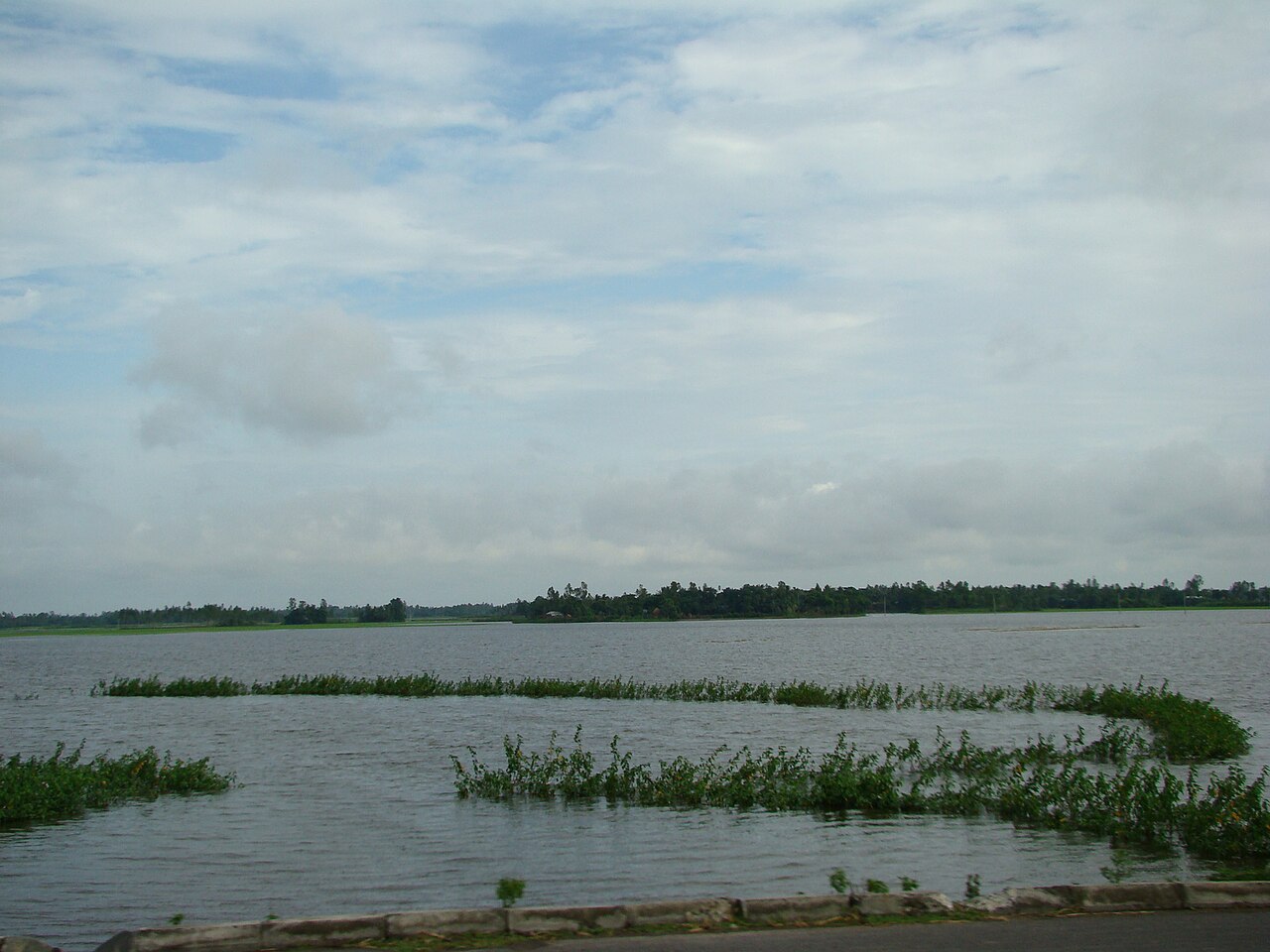
Much of Chalan Beel, which spreads across Natore, Sirajganj and Pabna, lies in Gurudaspur and Singra upazilas. Along the submersible road that disappears under water in the monsoon, birds now line both sides: flocks of egrets in one place, cormorants, openbills or cotton pygmy geese in another. They feed in the shallows at dawn, spread across the wetland as the day goes on, and return at dusk in small groups to bushes and tall trees.
Nature lovers now come from around the country as well as locally to watch them, and dawn is the best time. Residents say the birds seem to keep their own territories, with more egrets in some places and more cormorants or cotton pygmy geese in others.
Local young people have helped keep the birds safe. Groups including the Chalan Beel Biodiversity Protection Committee, Sabuj Bangla and the Chalan Beel Environment Development and Nature Conservation Forum have worked for years to stop bird hunting. Saiful Islam, general secretary of the Chalan Beel Biodiversity Protection Committee, said people of all ages, from children to the elderly, have been part of their work for about 14 years.
When anyone tries to shoot birds with an airgun or trap them, he said, the group hears of it and first tries to talk them out of it, and calls in law enforcement if the hunting continues. Raju Ahmed and Fazle Rabbi, who live on the wetland's edge, also run awareness work; with people more aware, they say, birds now move safely in many more places than before.
Photo: Shahnoor Habib Munmun / Wikimedia Commons (CC BY 3.0)
Source: Desh Rupantor


Comments
(0)