
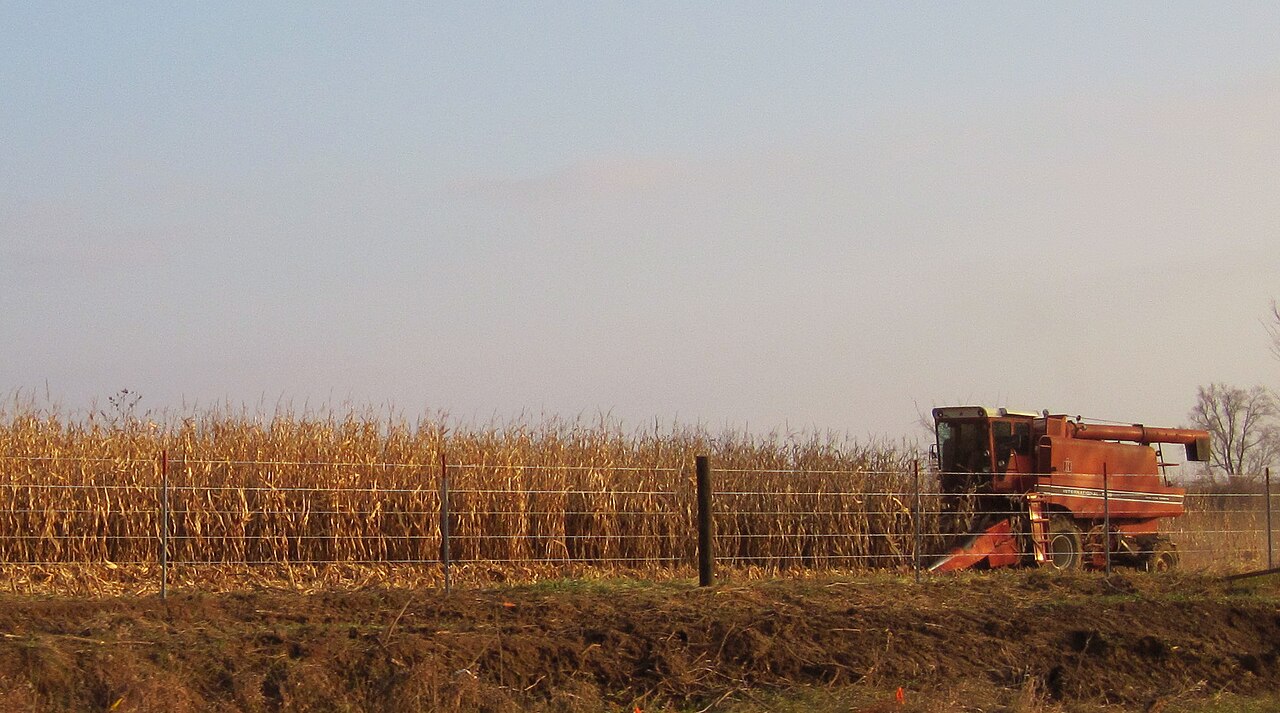
US farm profitability is forecast to ease in 2026 even as crop markets improve. The Department of Agriculture's latest outlook puts net farm income at $158.4 billion, down from 2025, and net cash farm income at $176.4 billion, little changed; both stay above their long-term averages. Total cash receipts are expected at $540.3 billion, slightly below last year.
Crops are the bright side. Crop cash receipts are forecast to rise to $253 billion on stronger corn sales volumes, better soybean prices, higher cotton receipts and firmer vegetable and melon prices. Rice, wheat, sugar beet and sugarcane receipts are expected to fall.
Animal and animal-product receipts are projected to drop to $287.3 billion, driven above all by a sharp fall in chicken egg receipts as prices retreat from recent highs. Milk receipts are down on lower prices, hog and broiler receipts edge lower, while cattle and calf receipts rise on strong prices and turkey producers gain from better pricing.
Government support takes a bigger share of the ledger: direct payments are forecast at $47.4 billion, lifted by commodity programme payments triggered by prices and revenues, supplemental disaster assistance and conservation funding.
Costs keep climbing. Total production expenses are forecast at a record $492.8 billion, with livestock and poultry purchases, fertiliser and soil conditioners, and fuel and oils accounting for most of the increase; livestock and poultry purchases overtake feed as the single largest expense for the first time. Feed, pesticides and agricultural chemicals are expected to cost less, and cash labour costs to hold roughly flat, declining in real terms.
Photo: Bill Whittaker / Wikimedia Commons (CC BY-SA 3.0)
Source: Farms.com



Comments
(0)