
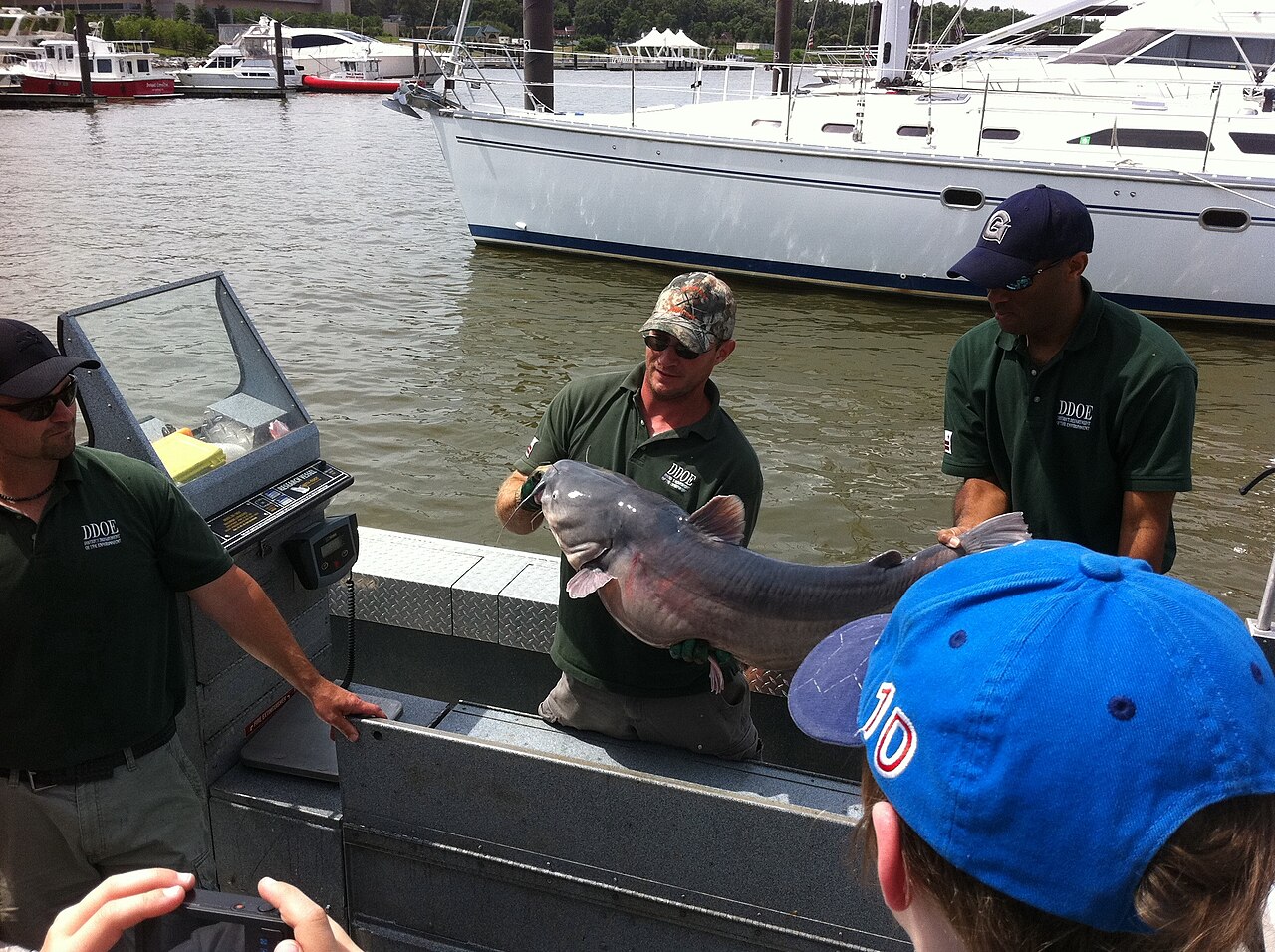
The US Department of Agriculture has opened a $6 million funding round for seafood processors that handle wild-caught invasive catfish, pairing an environmental problem in rivers and bays with a business opportunity for fishermen and rural plants. The money flows through Rural Development's Meat and Poultry Processing Expansion Program (MPPEP).
Awards will range from $50,000 to $2 million and may pay for new plants, modernising existing ones, equipment, new technology, expanded capacity and worker training. Applicants must be independently owned, domestically owned, operating in the United States or its territories, have more than a year's trading history and already be processing invasive wild-caught catfish. A 20 percent match is required.
"By investing in seafood processors, we can help our hardworking watermen remove invasive catfish from our waterways while strengthening the future of our rural communities," said Agriculture Secretary Brooke L. Rollins. The logic is that more processing capacity creates a steadier market for the fish, which encourages more of them to be pulled out of waters where they crowd native species.
Maryland Representative Andy Harris said processors on the Eastern Shore are already turning the invasive species into a growing commercial market, creating jobs and adding to the food supply chain. Eligible applicants include for-profit firms, non-profits, producer cooperatives, benefit corporations, tribal governments and state and local bodies.
Applications must be filed through Grants.gov by 11:59 pm on 7 December 2026, where the full eligibility rules are posted.
Photo: U.S. Fish and Wildlife Service / Wikimedia Commons (CC BY 2.0)
Source: Farms.com

Comments
(0)