
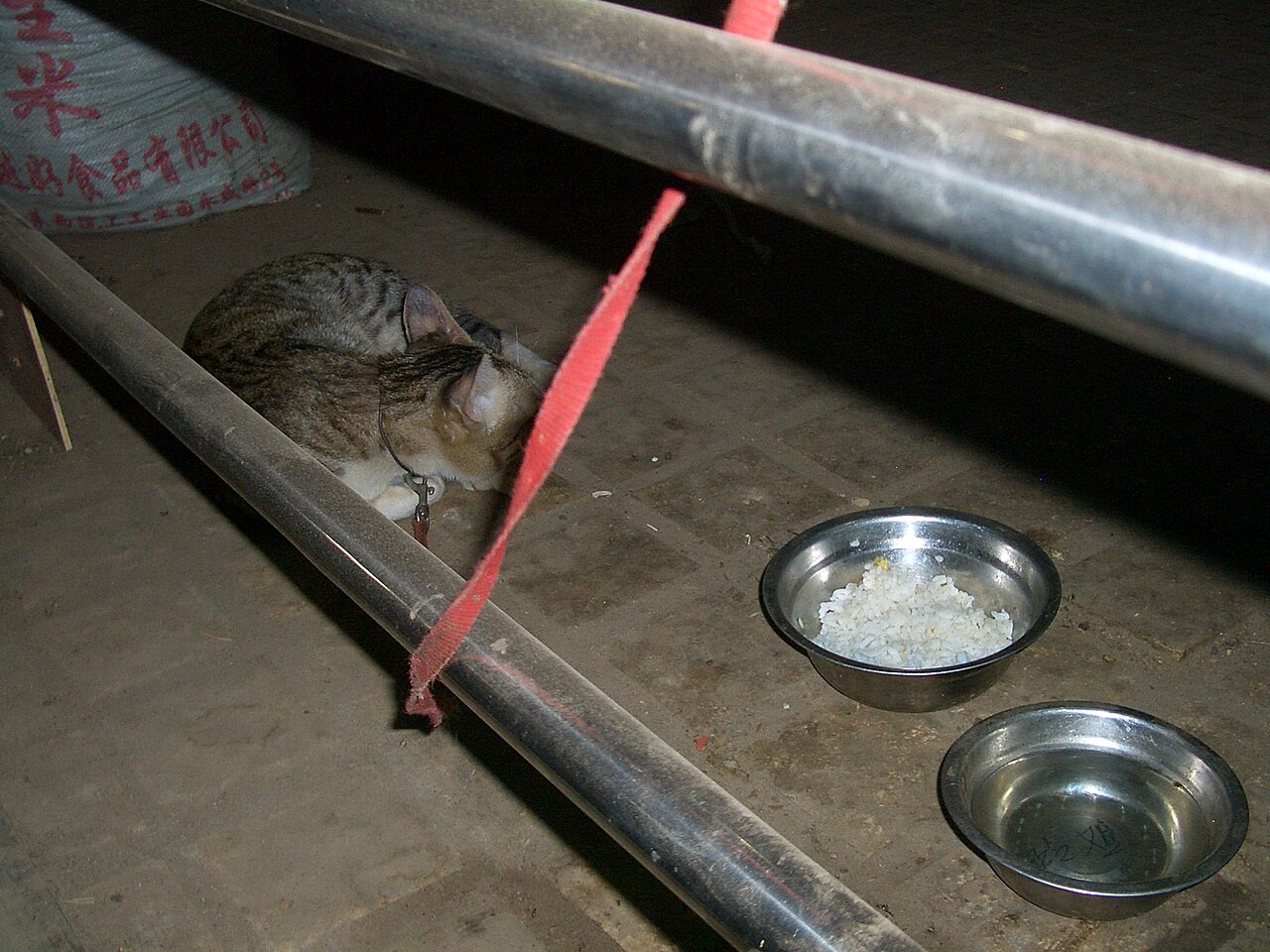
Almost every kind of cat food on sale in the United States contains harmful heavy metals such as lead, mercury, arsenic and cadmium, along with weedkiller and chemicals used in making plastics, according to an investigation by the consumer-product testing nonprofit Clean Label Project, reported by CNN.
The group tested 100 products from 62 brands. Lead was found in 99 percent of samples, cadmium in 96 percent and arsenic in 94 percent. Dry, wet and freeze-dried foods were all affected, including products sold as "natural" or "high-nutrition". Dry food held about three times as much lead as wet food.
The risks varied with the protein. Seafood-based foods carried about 18 times as much mercury and 2.5 times as much cadmium as other proteins, and wet seafood food could contain up to about 28 times the mercury of wet chicken food. Chicken-based foods were lower in mercury and cadmium but higher in lead and weedkiller. About 85 percent of chicken-based foods passed the group's standard, against 25.7 percent of seafood-based ones.
The finding with a farm link: glyphosate, a widely used herbicide, turned up in 37 percent of cat foods, and the more plant ingredients among the first ten listed, the higher the glyphosate. The testers trace it to vegetables and plant ingredients that were not organically grown. The WHO's cancer research agency classes glyphosate as probably carcinogenic to humans. More than half the foods also contained DEHP, a plastics chemical, at its highest in cans and pouches.
Molly Hamilton, the report's lead author and executive director of the Clean Label Project, said most cats eat much the same food every day, so the substances build up, and chronic kidney disease is one of the main causes of death in older cats. Ryan Babadi, science director at Toxic-Free Future, called it a well-run study. The Pet Food Institute, which represents manufacturers, told CNN that makers follow strict food safety standards.
The report is from Ittefaq's digital desk, drawing on CNN.
Photo: Vmenkov / Wikimedia Commons (CC BY-SA 3.0)
Source: Ittefaq

Comments
(0)