
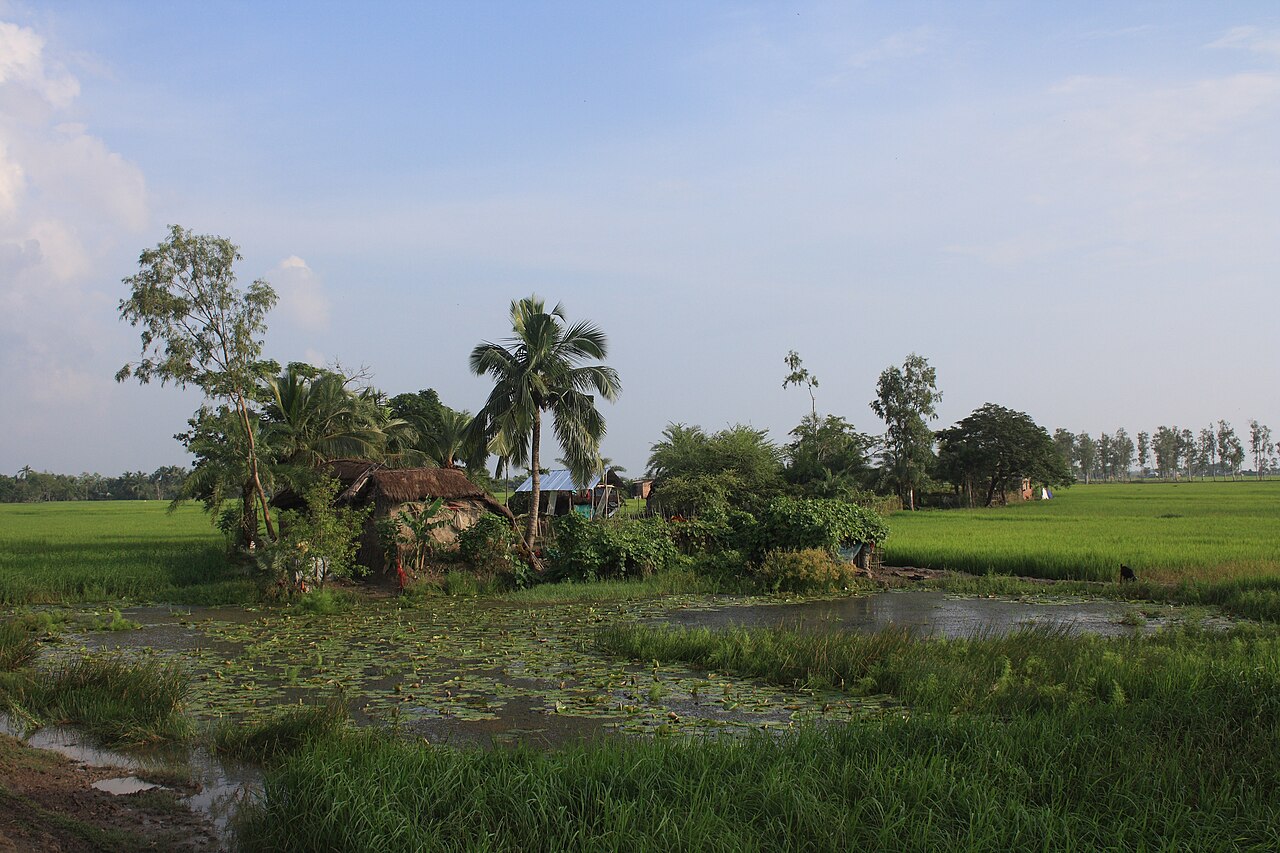
Weeks of moderate to heavy rain have badly damaged flower farming in rural Howrah district of West Bengal, Ei Samay reports. In villages such as Deulti, Orphuli, Bhulgeria, Rana, Bankurdah, Heledwip, Baidyanathpur, Birampur and Kalyanpur in Bagnan, thousands of acres grow marigold, butterfly pea, jasmine, gerbera, many kinds of rose, tuberose and hibiscus, and most people depend on flowers for a living.
Most of the fields lie along the Rupnarayan river, where tidal water floods in throughout the year and growers are used to it. This year's untimely, continuous rain was not in their reckoning, and it has come just before the festival season whose sales carry growers through the year.
Pulak Dhara, a well-known grower in Orphuli, said the rain has been far heavier this year; water is standing at the roots, flowers and buds are dropping, and the plants will turn red next. There is no time to plant again and get flowers before the season, he said. Another grower, Sheikh Anwar Ali, said the plants that survive are unlikely to flower again.
Narayanchandra Nayek, secretary of the All Bengal Flower Growers and Traders Association, said flowers grown in the fields and on higher ground have been badly hit, raising fears of a shortage in the coming weeks. Lotus is the exception: for several years paddy has not been grown on land along rivers and canals, and lotus is now cultivated there and in canals, roadside ditches and fallow land, where the heavy rain did no harm. There is no shortage of lotus anywhere for now.
The report is by Ei Samay's Uluberia correspondent, Mohammad Mohsin.
Photo: Arne Hückelheim / Wikimedia Commons (CC BY-SA 3.0)
Source: Ei Samay
Comments
(0)