
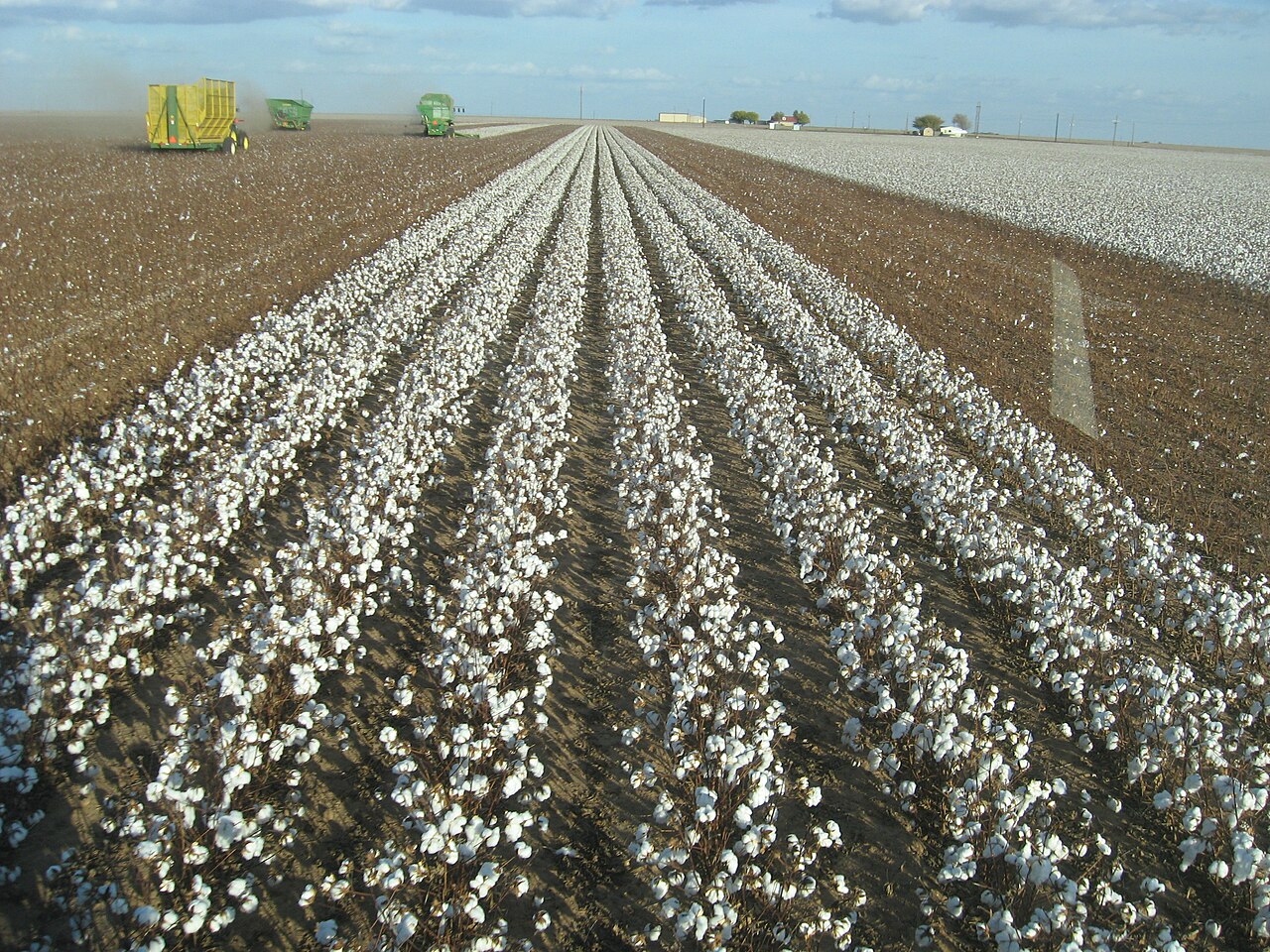
Retailers and brands sourced a record 33,000 tonnes of Traceable BCI Cotton in 2025-26, up 43.5 per cent from about 23,000 tonnes in 2024-25, according to data the Better Cotton Initiative (BCI) released in Geneva on 17 November.
The traceability programme began in 2023, when only 90 tonnes went through the system. Three years on it covers 16 cotton-producing countries and is used by 92 retailers and brands and more than 4,000 suppliers. The number of companies activating the system rose from 60 to 90 between November 2025 and November 2026, and those receiving products with traceable BCI cotton from 17 to 40.
Supply chain actors certified under BCI's Chain of Custody Standard grew from 2,900 to more than 4,000 over the year.
How far back the cotton can be traced depends on the country. In Brazil it can be followed to individual BCI-certified farms. In 11 countries, including India, China, Pakistan and Türkiye, it can be traced to the gin. In Australia, Egypt, Uzbekistan and the United States, the trail reaches the spinner.
The BCI Cotton Label, introduced in October 2025, is also spreading. Seventeen members from nine countries are certified to use it in shops and online in more than 30 countries, with 154 product-level claims approved. A product needs at least 30 per cent Traceable BCI Cotton to carry the optional label, and its other cotton content cannot come from alternative sources.
Jacky Broomhead, BCI's Director of Traceability, said the figures showed large-scale traceability was becoming achievable, but that sustained investment, collaboration and industry commitment would be needed to make it standard practice across the cotton sector. BCI has also published sourcing toolkits to help retailers, brands and suppliers build traceability into their operations.
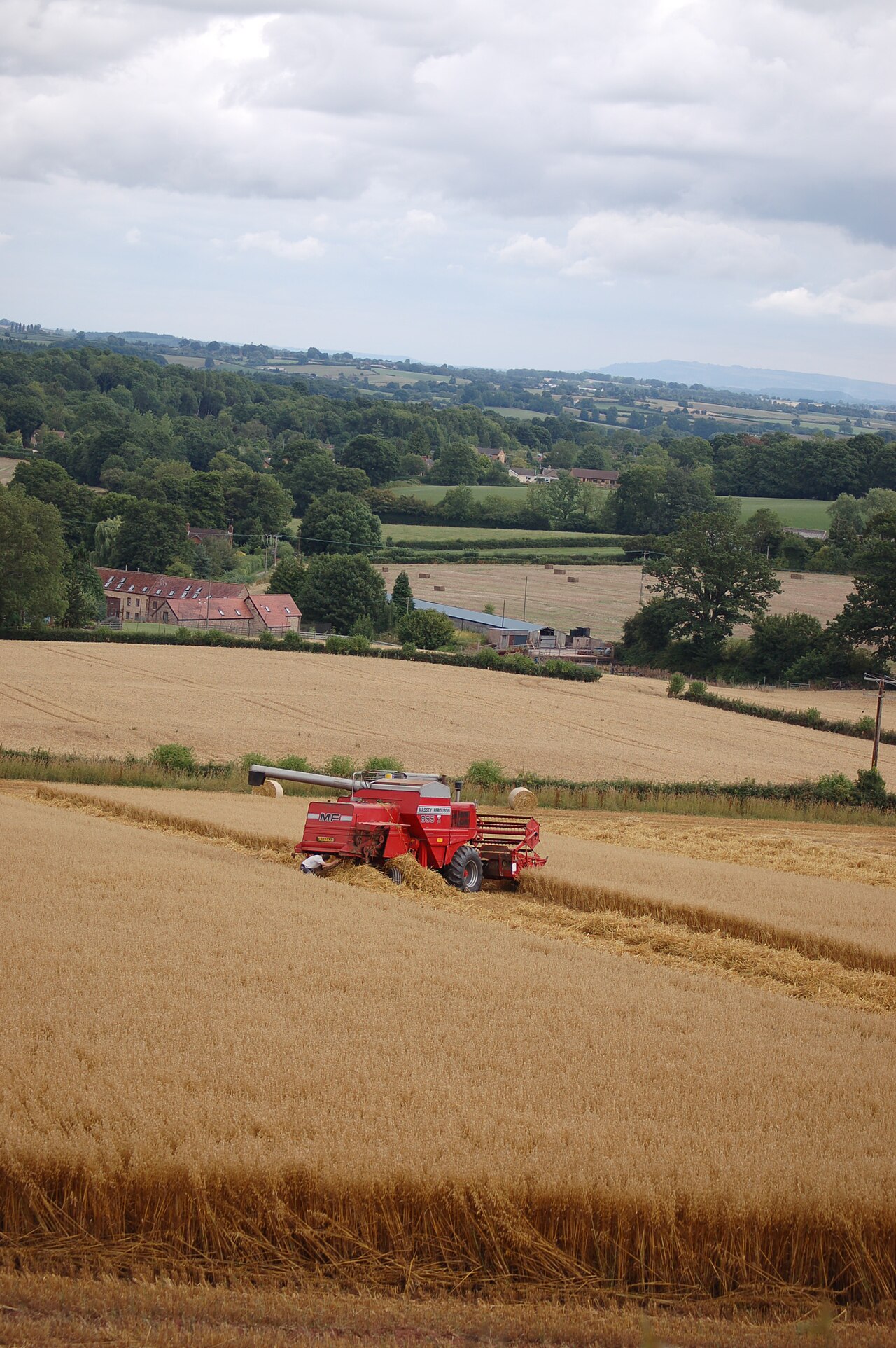
Photo: Kimberly Vardeman / Wikimedia Commons (CC BY 2.0)
Source: Rural Voice
Comments
(0)