

A new finger millet variety named Muchekeranwa was approved for release in Zimbabwe on 12 November 2026. It was introduced by the International Crops Research Institute for the Semi-Arid Tropics (ICRISAT) with Marondera University Seed Company Pvt Ltd, and it has yielded 2.9 tonnes per hectare, more than ten times the national average of 0.28 tonnes.
At April 2026 market prices of US$364.75 a tonne, ICRISAT says farmers reaching those yields could earn about US$956 more in gross revenue per hectare, before production costs.
The variety flowers in 65-70 days and matures in about 100 days. Its yield potential, short season, broad adaptability and tolerance to disease and lodging make it suited to the shorter, less predictable seasons Zimbabwean farmers face as rainfall becomes erratic and droughts recur.
Finger millet is a traditional grain in Zimbabwe, rich in calcium, iron and fibre and used for porridge, breads and fermented drinks. It grows on little rain and stores for a long time, but poor access to improved varieties and quality seed has held back yields and commercial production.
"This variety with the potential to deliver ten times the national average yield could fundamentally change the economics of growing finger millet, creating new opportunities for farmers, seed producers and food processors," said ICRISAT Director General Dr Himanshu Pathak. Tinovonga Gonhi, a plant breeder at Marondera University of Agricultural Sciences and Technology, called it a game-changer that can help farmers cope with recurring droughts.
The institute says the benefits now depend on seed reaching farmers. Dr Albert Tsindi, ICRISAT's seed systems specialist, said the next priority is getting quality seed into farmers' hands and building reliable supply chains that can support commercial production and attract investment in processing.
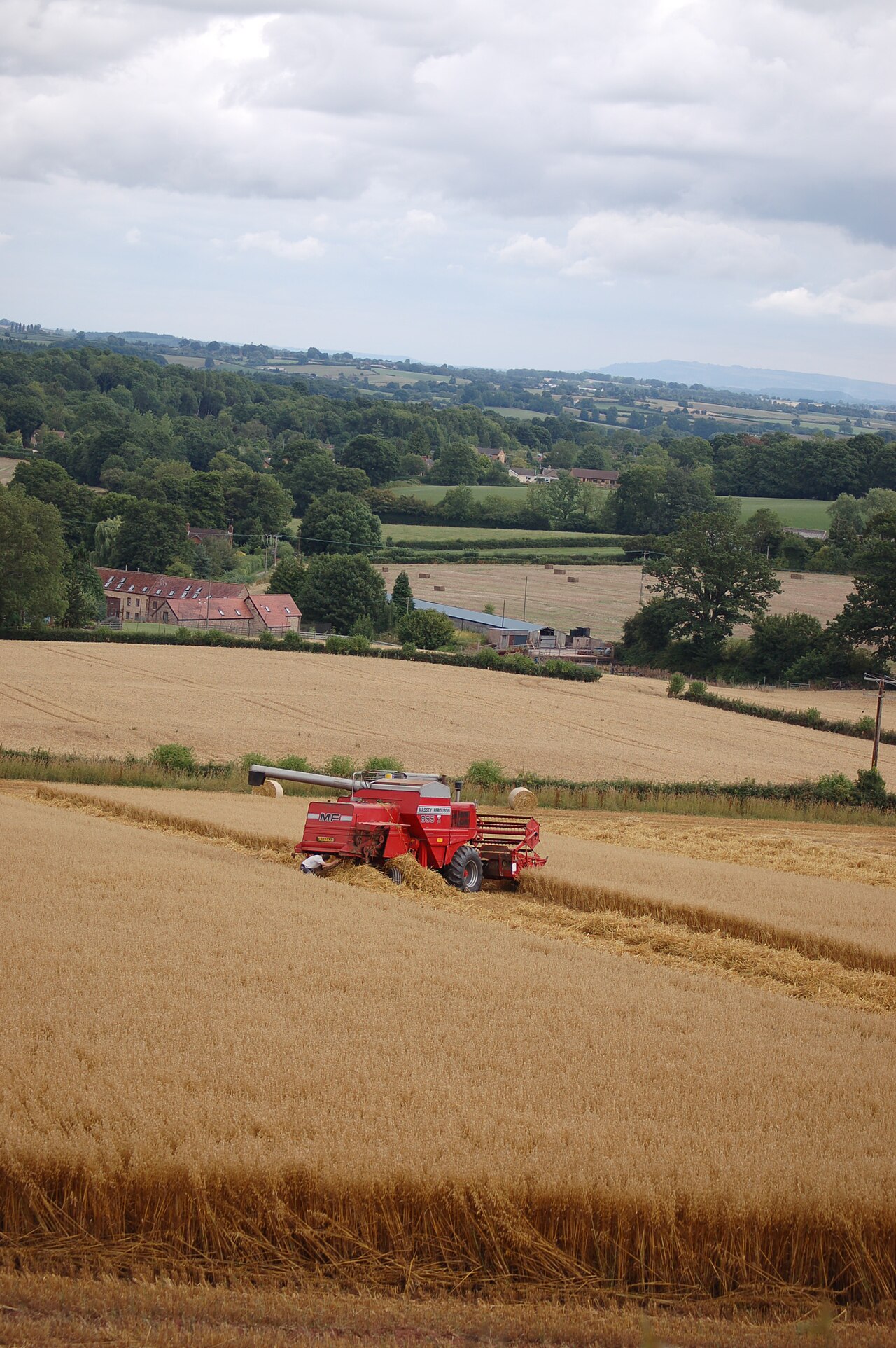
Photo: Thamizhpparithi Maari / Wikimedia Commons (CC BY-SA 3.0)
Source: ICRISAT



Comments
(0)