
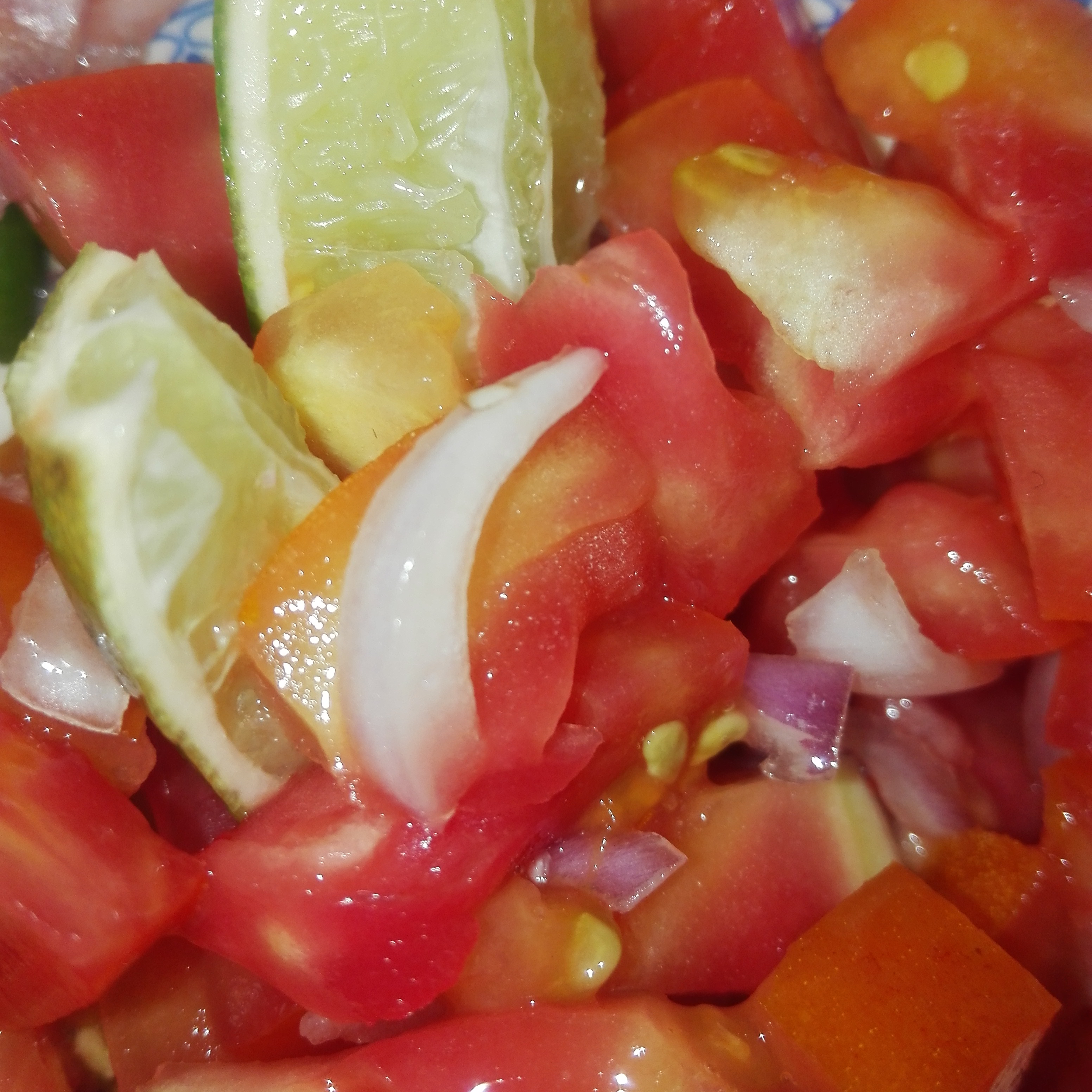
On 30 November 2025, as the winter vegetable season was under way in Bangladesh, the lifestyle desk of Jagonews24 published a short feature on why a salad of raw tomatoes deserves a daily place on the plate during winter. The piece described the tomato as a vegetable that is botanically a fruit, said it delivers a great deal of nutrition for very few calories, and named lycopene, vitamin C, vitamin A, potassium, folate, water and fibre as the reasons a tomato salad can support health. It suggested adding cucumber, onion, lemon juice, olive oil or coriander leaves, and advised going easy on the salt. The feature listed Harvard Health Publishing, the American Heart Association and India's National Institute of Nutrition as its sources.
This account keeps the feature's subject and advice and checks each claim against national and international health authorities and published research available by the end of November 2025: the Food Composition Table for Bangladesh, the World Health Organization (WHO), the US National Institutes of Health (NIH), the American Heart Association, the UK's National Health Service and peer-reviewed studies. Where the evidence is weaker than the original suggested, the wording has been made more careful. Nothing here replaces a doctor's advice, and anyone with a long-term illness should ask a doctor before changing their diet.
A fruit that is eaten as a vegetable
The original was right that the tomato sits on both sides of the kitchen line. Banglapedia, the national encyclopedia of Bangladesh, describes the tomato as a cultivated plant of the nightshade (Solanaceae) family, Lycopersicon esculentum, bearing a mildly acid, pulpy fruit that is commonly red and sometimes yellow, and used as a vegetable. The Food Composition Table for Bangladesh, published in 2013 by the Institute of Nutrition and Food Science of the University of Dhaka with the support of the Ministry of Food and the Food and Agriculture Organization of the United Nations (FAO), explains that botanists also regard peas, tomatoes, peppers and cucumbers as fruits, because a fruit in the botanical sense is the matured ovary of a flowering plant together with its seeds. In everyday cooking, however, fruits are usually understood to be the sweet or acid, juicy parts of plants eaten on their own, and the tomato is cooked and served with vegetables.
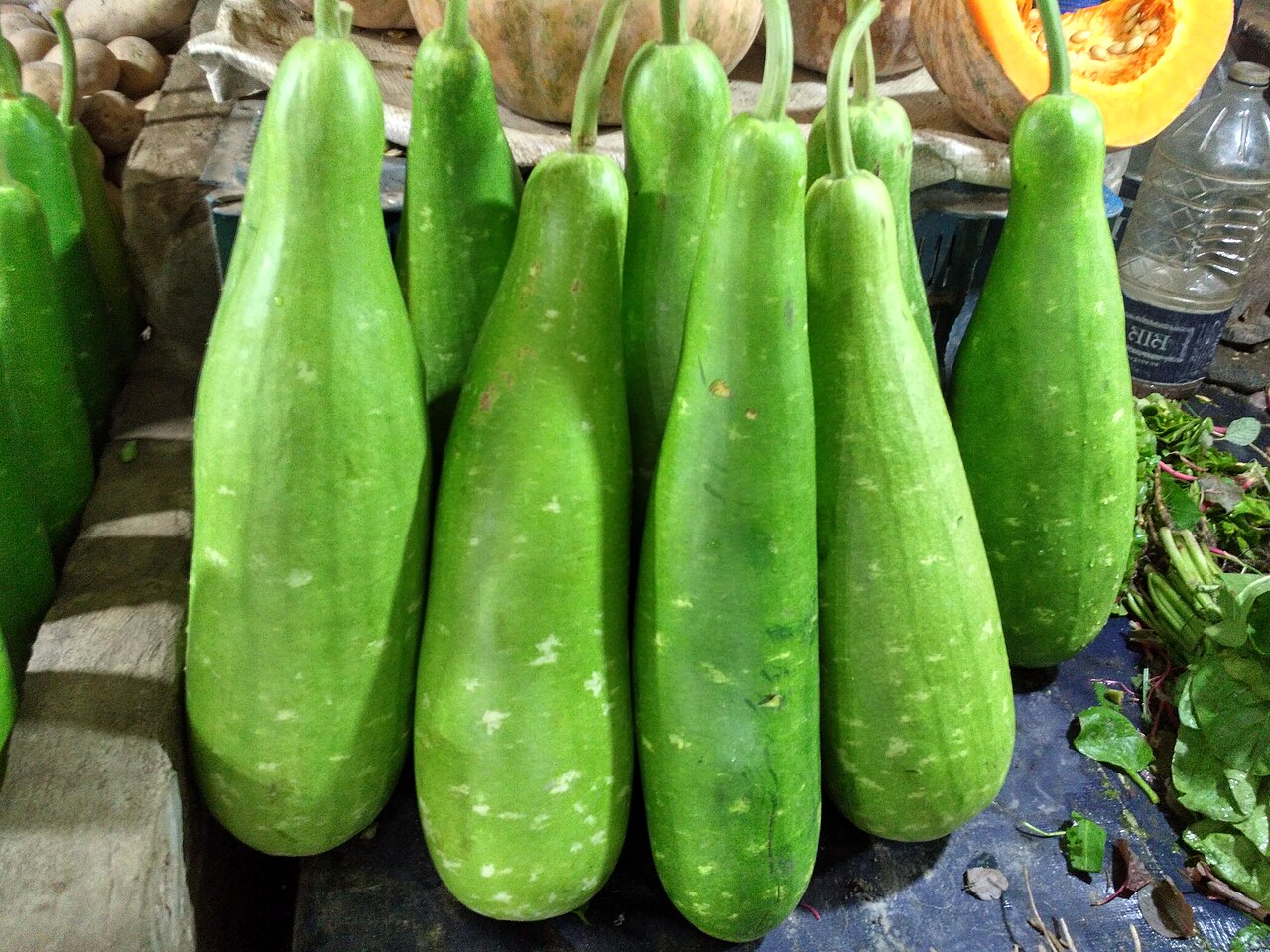
Banglapedia notes that the tomato is native to tropical America and is eaten both fresh and cooked: in salad, soup, pickle, chutney, ketchup and sauce. The Food Composition Table, which also analyses cooked Bangladeshi dishes such as lady's finger and tomato bhuna, lists the tomato among the vegetables available in the country throughout the year, alongside cucumber, eggplant, bottle gourd and amaranth, although the main crop still comes in the cool months.
Winter is tomato season in Bangladesh
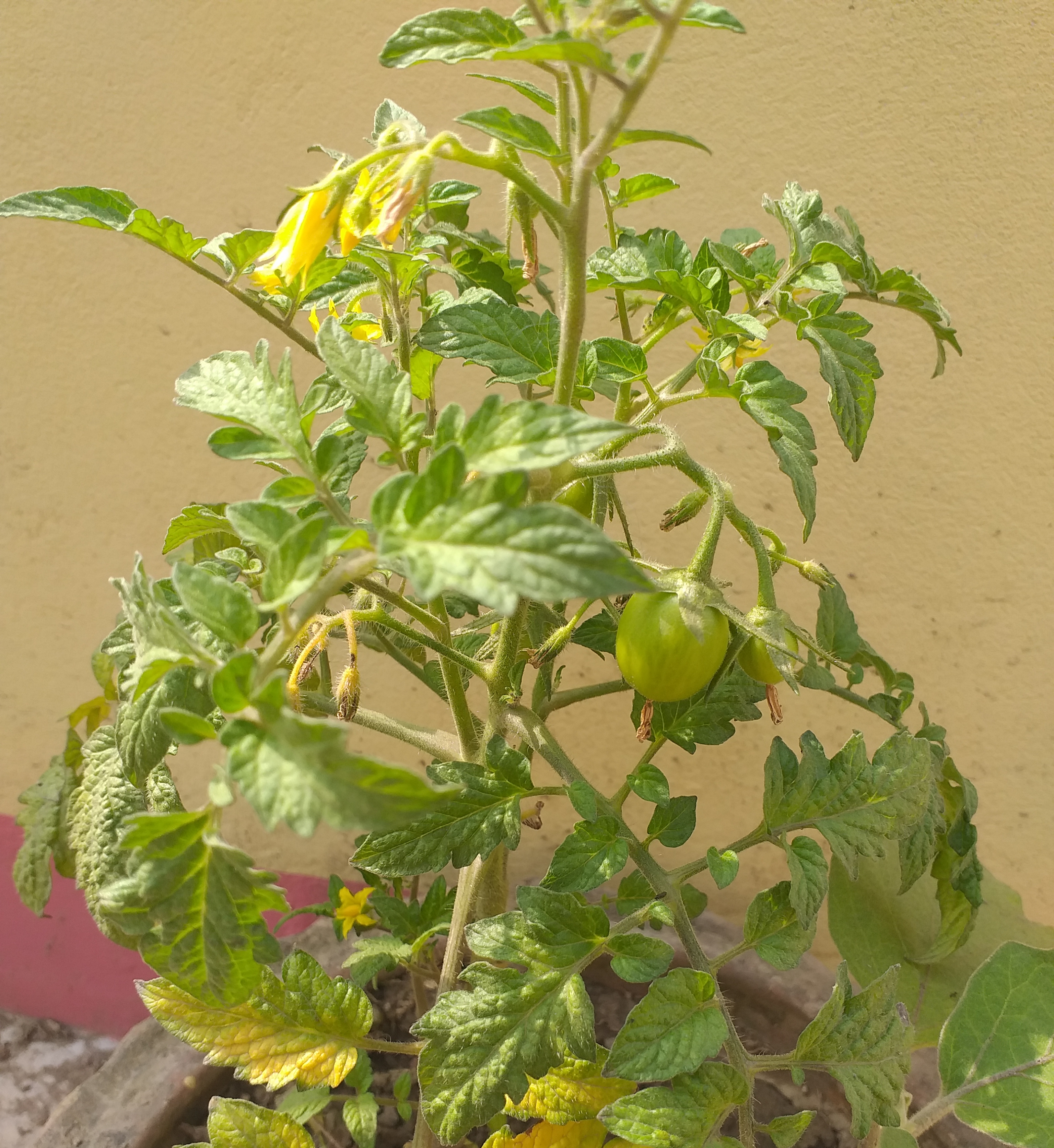
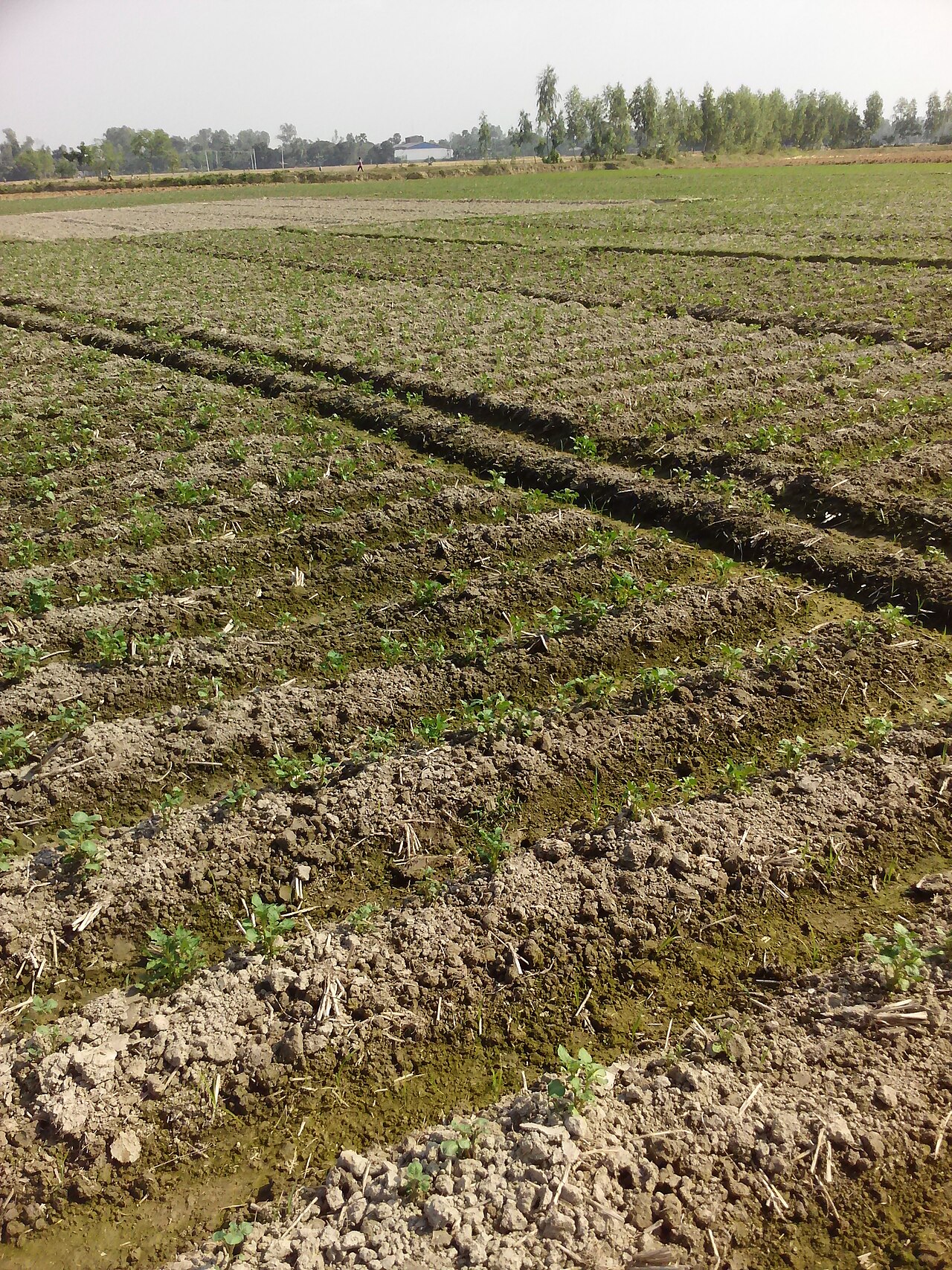
The feature's link between tomatoes and winter has a basis in the country's farming calendar. According to Banglapedia, tomato seedlings 25 to 30 days old are usually planted in November and December, and the crop is ready for harvest in 80 to 90 days, with an average yield of 40 to 50 tonnes per hectare. Tomato plants are of two types: determinate, whose stems end in a flower bud, and indeterminate, whose stems end in a growing (vegetative) bud. Banglapedia names Oxheart, Marglobe, Sunmargino, Roma VF and Pusa Ruby among the popular varieties. The Bangladesh Agricultural Research Institute (BARI) has released its own varieties, among them Ratan, Manik, BARI Tomato-3, BARI Tomato-4, BARI Tomato-5, Chaiti, Apurba, Shila, Lalima and the hybrid Anupama; according to Banglapedia, BARI Tomato-4, BARI Tomato-5, Chaiti, Lalima and Anupama can also be grown in the warm season.
The Bangladesh Bureau of Statistics (BBS) counts the tomato among the rabi, or winter, vegetables. Its Yearbook of Agricultural Statistics 2023, published in June 2024 and the latest edition of that series available when the feature appeared, put the country's tomato harvest at 469,204.49 tonnes from 76,943.14 acres in the 2022-23 season, against 447,815.43 tonnes from 72,878.64 acres in 2020-21. Rajshahi was the leading district in 2022-23, with 67,060.38 tonnes from 8,096.39 acres; Mymensingh, with 31,032 tonnes, and Dinajpur, with 29,262.03 tonnes, came next. A winter tomato salad, in other words, draws on a crop that Bangladesh grows mainly in the cool season.
What 100 grams of raw ripe tomato contains
The claim that the tomato offers plenty of nutrition for few calories can be checked against Bangladesh's own data. The Food Composition Table for Bangladesh gives the following values for 100 grams of the edible part of a red, ripe, raw tomato:
- Energy: 16 kilocalories (66 kilojoules)
- Water: 95.0 grams
- Protein: 1.1 grams; fat: 0.2 grams; available carbohydrate: 1.4 grams
- Dietary fibre: 1.7 grams
- Potassium: 156 milligrams; sodium: 7 milligrams
- Calcium: 13 milligrams; phosphorus: 24 milligrams; magnesium: 7 milligrams; iron: 0.2 milligrams
- Vitamin C: 12.3 milligrams
- Folate: 15 micrograms
- Vitamin A: 9 micrograms, with beta-carotene equivalents of 104 micrograms
- Vitamin E: 0.54 milligrams
These figures support the first half of the original's claim: a raw tomato is mostly water and very low in energy. They also show that the tomato is a modest rather than a rich source of any single vitamin or mineral. For comparison, the NIH Office of Dietary Supplements gives the recommended daily amounts for adults as 90 milligrams of vitamin C for men and 75 milligrams for women, 3,400 milligrams of potassium for men and 2,600 milligrams for women, and 400 micrograms of dietary folate equivalents. A tomato salad therefore adds to the day's nutrients alongside other foods; it does not meet the day's needs by itself.
The Food Composition Table also notes that vegetables provide about half of the vitamin C in the average Bangladeshi diet, especially when they are eaten fresh, uncooked or only mildly cooked. The NIH makes the same point: the vitamin C content of food may be reduced by prolonged storage and by cooking, and many of the best food sources of the vitamin, fruits and vegetables, are usually eaten raw. A raw salad keeps the vitamin C that a long-simmered curry would partly lose.
Lycopene: what the research shows
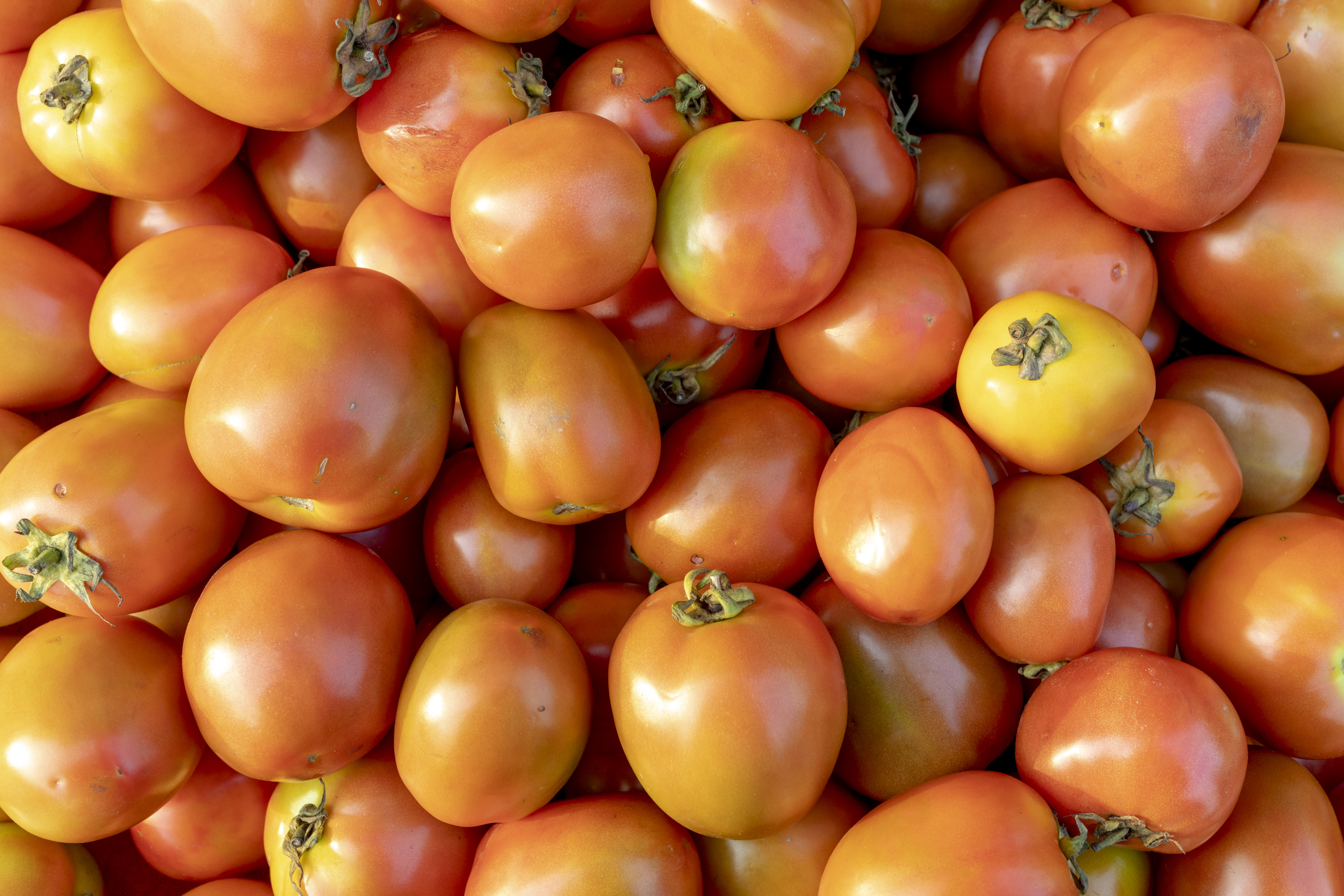
The original singled out lycopene, the pigment that gives ripe tomatoes their red colour. Lycopene is one of the carotenoids, which the NIH describes as pigments that give yellow, orange and red fruits and vegetables their colour; carotenoids act as antioxidants. The research on lycopene is real but narrower than popular articles often suggest.
The strongest summary available by 2025 was a systematic review and meta-analysis by Cheng and colleagues at Northumbria and Newcastle universities in the UK, published in the journal Atherosclerosis in February 2017. They pooled 21 intervention trials in adults. Eating tomato products was associated with a fall in LDL (so-called bad) cholesterol of 0.22 millimoles per litre, a fall in interleukin-6, a marker of inflammation, and an improvement of 2.53 per cent in flow-mediated dilation, a measure of how well blood vessels widen. Lycopene supplements lowered systolic blood pressure by 5.66 millimetres of mercury. No other outcome studied changed significantly. The authors concluded that increasing the intake of tomato products and lycopene has positive effects on blood lipids, blood pressure and the function of blood vessel linings. These are risk factors for heart disease, not heart attacks or strokes themselves, which is why the original's wording that lycopene-rich food may lower the risk of heart disease is best read as a possibility the evidence points towards, not a proven protection.
The original also said lycopene helps prevent skin damage. The evidence for this comes mainly from small studies of tomato paste, not raw salad. In a study published in the Journal of Nutrition in May 2001, researchers at Heinrich Heine University Düsseldorf in Germany gave nine volunteers 40 grams of tomato paste, providing about 16 milligrams of lycopene a day, with 10 grams of olive oil for 10 weeks, while ten controls received olive oil only. After 10 weeks, reddening of the skin of the back after exposure to a sun-simulating lamp was 40 per cent lower in the tomato group than in the controls; at four weeks there was no significant difference. The finding concerns reddening caused by ultraviolet light in a small group; it does not show that tomato salad prevents skin disease.
How the tomato is prepared matters for lycopene. The same Düsseldorf group reported in the American Journal of Clinical Nutrition in July 1997 that when volunteers ate fresh tomatoes or tomato paste containing the same 23 milligrams of lycopene, each with 15 grams of corn oil, the paste produced 2.5 times higher peak lycopene levels in the blood and 3.8 times the overall response. Lycopene is absorbed better from processed and heated tomato than from raw fruit. That does not make raw salad worthless, since raw tomato keeps more of its vitamin C, but it means the salad and the cooked tomato in a curry complement each other.
Potassium, salt and blood pressure
The original said potassium in tomato salad can help keep blood pressure under control and advised using less salt. Both points match WHO advice, with one qualification about quantity. In its healthy-diet fact sheet, last updated in April 2020, WHO stated that most people consume too much sodium through salt, an average of 9 to 12 grams of salt a day, and not enough potassium, less than 3.5 grams. High sodium intake and insufficient potassium intake contribute to high blood pressure, which in turn increases the risk of heart disease and stroke. WHO recommends that adults keep salt intake to less than 5 grams a day, equivalent to less than 2 grams of sodium, and estimated that reducing salt to that level could prevent 1.7 million deaths each year. Potassium, WHO adds, can mitigate the negative effects of elevated sodium consumption on blood pressure, and its intake can be increased by eating fresh fruit and vegetables. WHO's guideline on potassium intake for adults and children, issued in 2012, is cited in the same fact sheet.
The American Heart Association, in guidance last reviewed in August 2025, explains the mechanism: the more potassium a person eats, the more sodium is lost through urine, and potassium also helps ease tension in the walls of blood vessels. For people trying to prevent or treat high blood pressure, the Association recommends 3,500 to 5,000 milligrams of potassium a day, ideally from diet. The NIH adds that people with low potassium intakes have an increased risk of high blood pressure, especially if their diet is high in salt, and that eating more potassium and less sodium might help lower blood pressure and reduce the risk of stroke. The NIH lists tomatoes among the vegetables that provide potassium, together with potatoes, spinach and broccoli.
Because a raw tomato carries only 7 milligrams of sodium per 100 grams, according to the Food Composition Table, almost all the salt in a tomato salad is the salt added to it. WHO's practical advice is to limit salt and salty condiments when preparing food, not to keep salt or salty sauces on the table, to cut down on salty snacks and to choose lower-sodium products. The original's advice to go easy on salt in the salad is in line with this.
Vitamin C, vitamin A and folate
The original said the vitamins in tomatoes help with everything from immunity to eye health. The NIH describes what each does. Vitamin C acts as an antioxidant that helps protect cells from damage by free radicals, is needed to make collagen, a protein required for wound healing, improves the absorption of iron from plant-based foods and helps the immune system work properly. The NIH also notes that for most people vitamin C supplements do not reduce the risk of catching a common cold, although people who take them regularly may have slightly shorter or milder colds; food sources such as tomatoes contribute to the daily requirement but should not be thought of as a cure.
Vitamin A, according to the NIH, is important for normal vision, the immune system, reproduction, and growth and development. The body can convert some carotenoids, chiefly beta-carotene, into vitamin A. With 104 micrograms of beta-carotene equivalents per 100 grams in the Bangladesh table, the tomato contributes to vitamin A intake, but the same table shows far richer sources: raw pumpkin has 369 micrograms of vitamin A and 4,430 micrograms of beta-carotene equivalents per 100 grams, and raw carrot 329 micrograms and 6,280 micrograms. Folate is a B vitamin the body needs to make DNA and other genetic material and for cells to divide. The NIH advises that all women and teenage girls who could become pregnant should take 400 micrograms of folic acid daily from supplements, fortified foods or both, in addition to the folate in a healthy diet; a tomato salad's 15 micrograms per 100 grams is a small contribution, not a substitute.
Fewer calories, fuller plates, and the role of the dressing
The original suggested tomato salad as a side dish for people trying to lose weight, because it is low in calories and high in water and fibre. Research on energy density supports the general idea. In a 2017 review in the journal Nutrition Bulletin, B. J. Rolls of Pennsylvania State University explained that the energy density of food, its calories per gram, depends especially on water, which has none, and fat, which has 9 kilocalories per gram. Adding water-rich ingredients such as vegetables or fruit lowers a food's energy density, and studies show that eating a large portion of a low-energy-dense food such as soup, salad or fruit as a first course can enhance satiety and reduce the energy eaten at the whole meal. A raw tomato, at 95 grams of water and 16 kilocalories per 100 grams, fits that description; its 1.7 grams of fibre per 100 grams is useful but modest.
The dressing changes the arithmetic. Oil has 9 kilocalories per gram, so the olive oil the original suggested should be added in small amounts by anyone watching their weight. WHO advises keeping total fat below 30 per cent of energy intake and preferring unsaturated plant oils to saturated fats such as butter and ghee. At the same time, a little fat helps the body absorb carotenoids. In a study published in the Journal of Nutrition in March 2005, researchers at Ohio State University in the United States found that adding avocado to a salsa raised the absorption of lycopene to 4.4 times and of beta-carotene to 2.6 times the level seen without it, and they attributed the effect mainly to the fat in the avocado. A small amount of oil in a tomato salad therefore has a purpose beyond flavour.
Lemon juice, another of the original's suggestions, adds vitamin C, which, as the NIH notes, improves the absorption of iron from plant foods eaten in the same meal. Onion, cucumber and coriander add flavour and variety. WHO's advice for raising vegetable intake includes always including vegetables in meals, eating fresh fruit and raw vegetables as snacks, choosing produce that is in season and eating a variety; it recommends at least 400 grams, or five portions, of fruit and vegetables a day, not counting potatoes and other starchy roots.
Eating raw salad safely
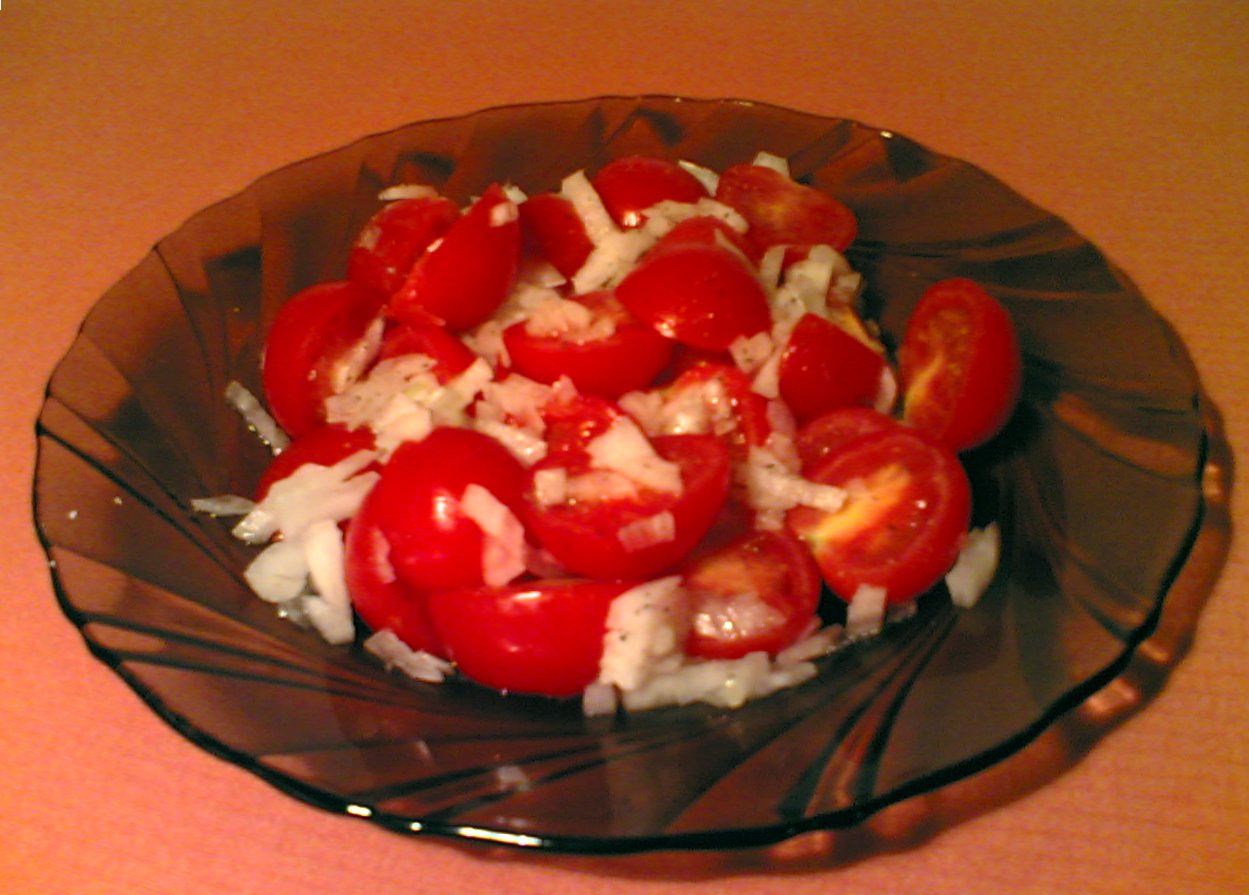
A raw salad is not cooked, so anything on the surface of the vegetables reaches the plate. WHO's Five Keys to Safer Food, introduced in 2001 and set out in a training manual, sum up safe food handling in five messages: keep clean; separate raw and cooked; cook thoroughly; keep food at safe temperatures; and use safe water and raw materials. For a salad, the first and last keys matter most. The manual advises washing hands before handling food and often during preparation, and washing and sanitising all surfaces and equipment, because harmful microorganisms carried on hands, cloths and utensils, especially cutting boards, can pass to food. It also advises washing fruit and vegetables with safe water before eating them, and notes that simple measures such as washing and peeling may reduce the risk from chemicals found on the surface of foods.
There is local evidence that this matters. A study published in the journal Heliyon in February 2019 by researchers at the University of Dhaka's Centre for Advanced Research in Sciences and the National Food Safety Laboratory of the Institute of Public Health tested four common raw salad vegetables bought in Dhaka markets: tomato, cucumber, coriander leaves and lettuce. None of the six pesticides tested was found in the tomato and cucumber samples, but dimethoate was found above the European Union's maximum permitted limit in 13 coriander samples and seven lettuce samples. Heavy metals were within acceptable limits. All four vegetables carried bacteria, and E. coli and Salmonella were found in more than 60 per cent of samples even from the better-kept shops; some of the bacteria were resistant to several antibiotics. The authors concluded that these vegetables pose a concern when eaten raw. Washing the tomatoes, cucumber and especially the coriander thoroughly in safe water, and using a clean knife and board, are the practical steps that follow from WHO's advice.
Who should take care before eating more tomatoes
Potassium from food is not harmful to healthy people with normal kidney function, according to the NIH, because the excess leaves in the urine. But people with chronic kidney disease, and those who take certain medicines such as angiotensin-converting enzyme (ACE) inhibitors or potassium-sparing diuretics, can develop dangerously high blood potassium, a condition called hyperkalaemia, even from typical amounts of potassium in food. The American Heart Association likewise warns that potassium can be harmful for people with kidney disease or any condition that affects how the body handles potassium, and advises them to ask a health professional whether they should eat more of it. Such patients should follow their own doctor's or dietitian's advice about tomatoes and other potassium-rich foods.
Tomatoes can also upset some stomachs. The NHS lists tomatoes, together with coffee, alcohol, chocolate and fatty or spicy foods, among the foods and drinks that can cause or worsen heartburn and acid reflux, and the US National Institute of Diabetes and Digestive and Kidney Diseases names acidic foods such as citrus fruits and tomatoes among those commonly linked to the symptoms of gastro-oesophageal reflux disease. People who notice that tomatoes bring on heartburn need not force a daily salad, and anyone with a long-term condition, from high blood pressure to kidney disease, should talk to a doctor before making a major change to their diet.
Photo: Ferdous / Wikimedia Commons (CC BY-SA 4.0)
Sources: Jagonews24, Food Composition Table for Bangladesh (Institute of Nutrition and Food Science, University of Dhaka, 2013), Bangladesh Bureau of Statistics (Yearbook of Agricultural Statistics 2023), Banglapedia, World Health Organization (healthy diet fact sheet; Five Keys to Safer Food manual), US National Institutes of Health (Office of Dietary Supplements; National Institute of Diabetes and Digestive and Kidney Diseases), American Heart Association, National Health Service (NHS), Atherosclerosis (2017), Journal of Nutrition (2001 and 2005), American Journal of Clinical Nutrition (1997), Nutrition Bulletin (2017), Heliyon (2019)
Comments
(0)