LiveMarket prices
Wheat flour (packaged)58—Ginger (imported)167—Ginger (local)154—Aman rice (medium)56—Aman rice (coarse)48—Aman rice (fine)72—Iodised salt (packaged)32—Green chilli218—Broiler chicken162—Mutton900—Sugar (local)132—Chickpeas (whole)85—Farm eggs (red)47—Onion (local)60—Boro rice (medium)55—Boro rice (coarse)47—Boro rice (fine)66—Beef729—Mung dal122—Garlic (imported)192—Garlic (local)173—Soybean oil163—
Updated 1 October 2026
Dhaka29°FairHumidity 75%Wind 6 km/h

Two jailed for trapping egrets near Pirganj sal forest, 15 birds freed

A mobile court in Pirganj, Thakurgaon, jailed two men for a year for trapping egrets beside the Kalupir-Thumnia sal forest under the wildlife protection law, and about 15 caged birds were released.

Two jailed for trapping egrets near Pirganj sal forest, 15 birds freed
Environment

A mobile court in Pirganj, Thakurgaon, has sentenced two men to a year's simple imprisonment each for trapping egrets and keeping them in cages. Each was also fined Tk 500, with 15 more days in jail if they do not pay. About 15 rescued egrets were then set free.

The court was run on Thursday, 1 October, by Pirganj upazila nirbahi officer and executive magistrate Golam Rabbani Sardar. The two convicted, Shakib Islam and Rashidul Islam, are from Chapaitar village in neighbouring Bochaganj upazila of Dinajpur.

According to Pirganj forest beat officer Mohsin Ali and the local administration, egrets were being trapped beside the Kalupir-Thumnia sal forest in the upazila. Acting on a tip-off, forest beat officials raided the spot, detained four people and recovered the traps and 15 caged egrets.

Two of the four confessed and were sentenced. The other two, being minors, were handed back to their families on a bond. The convicted men were sent to Thakurgaon district jail in the afternoon, said Pirganj police station officer-in-charge Iqbal Hossain Pramanik.

The UNO said the birds had been caught for sale in breach of the wildlife protection law.

The report is by Desh Rupantor's Thakurgaon correspondent.

Photo: Ashef Emran / Wikimedia Commons (CC BY-SA 4.0)

Source: Desh Rupantor

Desh RupantorSource

Environment

Related stories

Bangladesh

Tista Meander Floodplain (AEZ-3): Ridges, Basins and the Changing Harvests of Northern Bangladesh

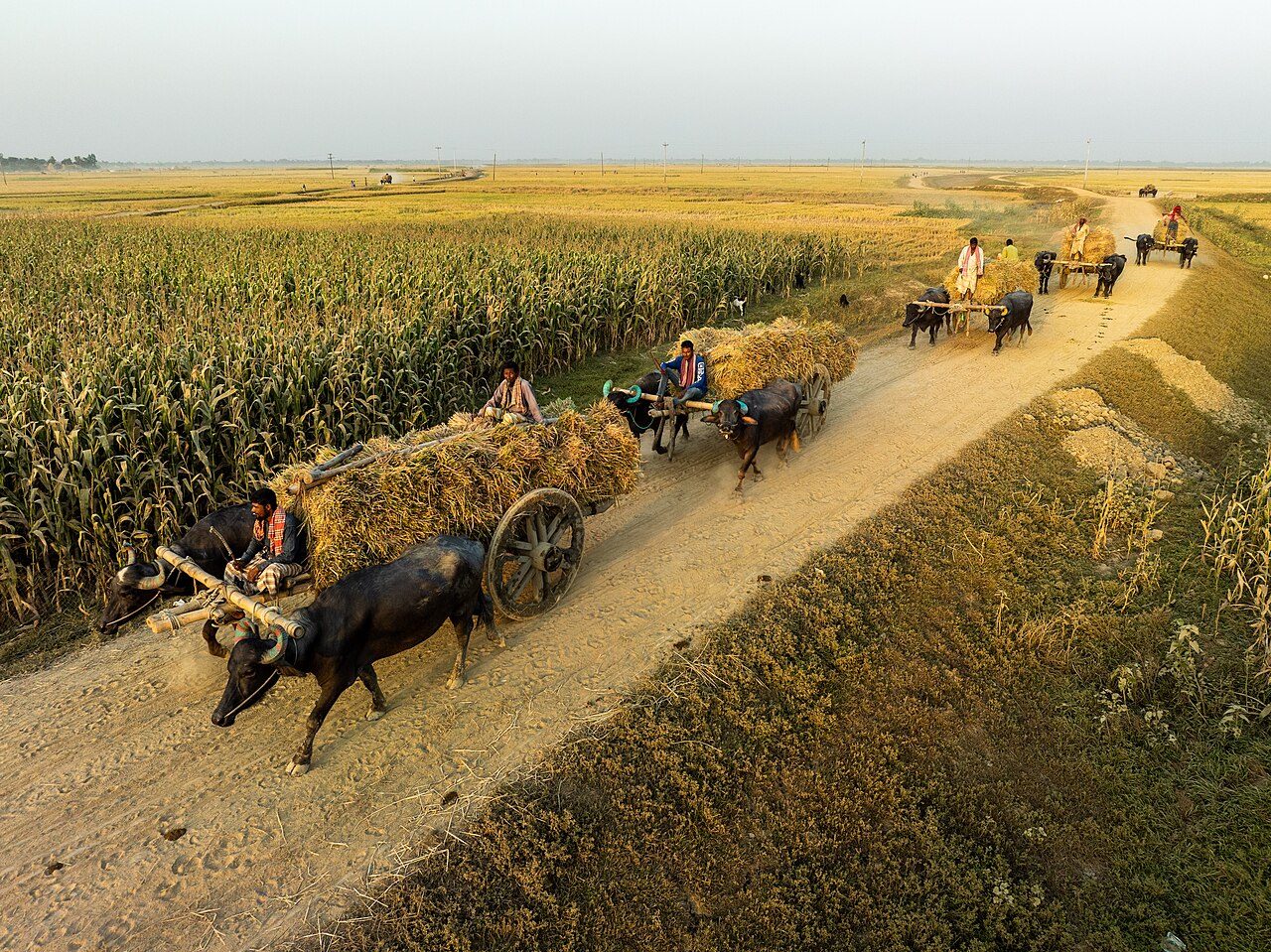
The Tista Meander Floodplain, Bangladesh's third agro-ecological zone, covers nearly a million hectares from Panchagarh to Bogura. Old river courses left it a patchwork of quick-draining ridges and wetter basins, acidic soils short of several nutrients, and farms that grow rice, potatoes, maize and mustard side by side. New research at Rangpur shows four and five crops a year are possible, and satellite data and artificial intelligence could help match each field to the right crop, if their advice is tested in farmers' fields first.

Tania Chowdhary2 October 202612 min read

Comments

(0)