
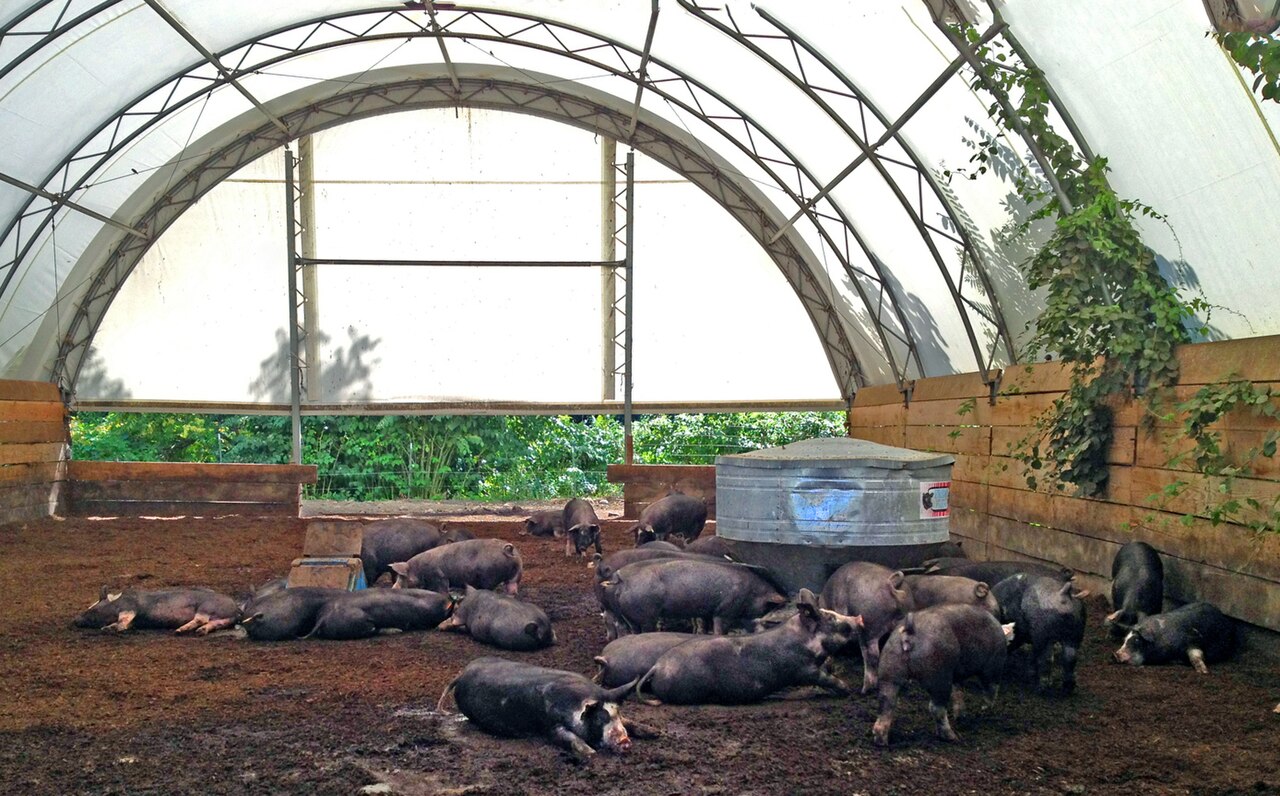
Swine veterinarians are testing whole pig populations with simple tools such as cotton ropes, disposable shoe covers and cleaning pads, writes Blaine Tully, a veterinarian and owner of Swine Health Professionals Ltd. in Steinbach, Manitoba, in a column for the Manitoba Co-operator on new developments in swine disease surveillance.
Testing serves several purposes, he explains: showing that a herd or production stage is free of a disease, finding the cause of illness and when an infection began, and tracing disease as weaned pigs move from sow farms to distant nursery and finisher sites. When a farm breaks with porcine epidemic diarrhea (PED), vets need to know how it was infected and whether it infected farms downstream; farms eradicating PRRS or mycoplasma need tests to show the pathogen is stable, then falling, then gone.
There are two broad kinds of test. A polymerase chain reaction (PCR) test finds a pathogen's genetic material and is extremely sensitive, but it cannot show whether the organism is still alive and infectious. Antibody tests such as ELISA show past exposure; because antibodies take two to three weeks or more to reach detectable levels, an antibody-positive pig was infected at least that long before sampling. Vets often combine the two.
Pigs' curiosity does much of the work. A rope hung in a pen is chewed by a large share of the group within 15 to 20 minutes, and three or four ropes can sample hundreds of animals; the saliva also carries traces of the pen environment, making it a good PCR sample, and for some viruses an antibody sample as well. For PED, a vet can slip disposable covers over his boots and walk the pens; rinse water from the covers tests every pen walked through.
For influenza, a damp Swiffer pad wiped over a sow's udder picks up the nasal secretions piglets leave when they nurse, and the fluid can be tested by PCR; a rope in the farrowing crate works too. To check whether piglets are born with PRRS, vets use processing fluid: testicles removed at castration between one and four days of age are bagged and refrigerated overnight, and the blood and fluid that pools in the bag is tested instead of drawing blood from each piglet.
Tully writes that the list of sample types and surveillance strategies is long and still changing as veterinarians develop new ways to manage swine diseases.
Photo: SteveStrummer / Wikimedia Commons (CC0)
Source: Manitoba Co-operator

Comments
(0)